Integrative Medicine
Back Clinic Integrative medicine Team. It is the practice of medicine that focuses on the whole person and utilizes all appropriate therapeutic approaches, healthcare practitioners, and disciplines to achieve optimal healing and health. It combines state-of-the-art and conventional medical treatments and other carefully selected therapies because they are effective and safe.
The goal is to unite the best of conventional medicine and other healing systems/therapies brought from cultures and ideas. This type of medicine is based on a model of health and wellness compared to a disease model. Integrative medicine is geared to the use of low-tech, low-cost interventions.
This model recognizes the critical role of how the practitioner-patient relationship plays in a patient’s healthcare experience. Its purpose is to care for the whole person by considering all of the interrelated physical and nonphysical factors that affect health, wellness, and disease. These include psychosocial and spiritual factors in people’s lives.

by Dr Alex Jimenez DC, APRN, FNP-BC, CFMP, IFMCP | Integrative Functional Wellness, Integrative Medicine, Natural Health, Wellness
Conventional medicine is necessary to cure disease, but if you really want to stay healthy, you should incorporate treatments from the field of need to incorporate curing illness, but if you want to stay as healthy you should incorporate practices from the field known as integrative medicine as well, a top expert says.
“The field of integrative, or complementary, medicine, grew out of what used to be known as ‘alternative health,’ but the concepts we use today are based on scientific evidence,” Dr. Ashwin Mehta tells Newsmax Health.
Conventional medicine, known also as Western medicine, is a system in which medical doctors and other healthcare professionals treat symptoms and diseases using such means as drugs, radiation or surgery.
In contrast, the term “alternative medicine” describes a range of medical therapies that are not regarded as orthodox by the medical profession, such as herbalism, homeopathy, and acupuncture.
“In the 1970s, the alternative medicine gained traction in the U.S. as a pushback against the biochemical paradigm that was becoming associated with medicine,” says Mehta, medical director of integrative medicine at Memorial Healthcare System in Hollywood, Fla.
“But, on the other hand, the realization was growing that there might be something of value in these ancient healing traditions, and so we should scientifically evaluate them.”
When some alternative therapies were held up to this scrutiny, they were found to be baseless, says Mehta. On the other hand, others were found to be valuable. These have since been known as integrative, or complementary therapies, he adds.
“Integrative medicine uses only the therapies that have been found to have scientific validity,” says Mehta.
He likes to explain this concept by using an example in cancer treatment.
“If the body is a garden and cancer is an unwelcome weed, the job of the oncologists (cancer doctors) is pluck out the weed and our job is to make the soil of the garden inhospitable to the weed ever coming back,” he says.
One of the most valuable adjuncts that integrative medicine offers today’s patient is the ability of these therapies to reduce inflammation.
Inflammation is the same reddening process you see if you cut your finger. But there also is an invisible type of inflammation, known as “chronic bodily inflammation,” which occurs inside your body and cannot be seen.
Such inflammation is increasingly viewed as the culprit in the development of cardiovascular disease, diabetes, and cancer as well, notes Mehta.
“Today, we use the term ‘metabolic syndrome,” to describe a number of conditions, including high cholesterol, high blood sugars, high blood pressure and obesity, that increase the risk of cardiovascular disease, diabetes and cancer,” says Mehta.
What these conditions have in common is that they cause a “predominance of inflammation,” he adds.
To combat inflammation, follow these 5 principles of integrative medicine, he says:
Use food as medicine: Much of our medication, from aspirin to chemotherapy, has been derived from leafy plants, so it makes sense to use them in cooking. Green tea, turmeric and cinnamon have anti-inflammatory properties.
Use food to strengthen your immune system: The Mediterranean Diet is anti-inflammatory because it features a largely plant-based diet that focuses on vegetables, nuts and seeds, cold-water fish and healthy herbs and spices.
Get a good night’s sleep: During REM sleep, the body’s temperature dips slightly (about 1 ½ degrees) creating a cooling effect that helps reduce inflammation. If you have trouble sleeping, check your caffeine intake and turn of “screens,” in your room that can disrupt your melatonin levels. (Melatonin is the “sleep” hormone). This means TV’s, tables, and smart phones. Aromatherapy, the use of essential oils, can also create a restful environment.
Consider cxercise as medicine: A sedentary lifestyle impairs circulation over time, contributing to physical deconditioning that gives rise to obesity and osteoporosis and also increases the risk of high blood pressure and diabetes.
Practice meditation. A daily period of meditation has been found to strengthen the mind-body connection.
by Dr Alex Jimenez DC, APRN, FNP-BC, CFMP, IFMCP | Chiropractic, Integrative Functional Wellness, Integrative Medicine, Wellness
El Paso TX. Chiropractor Dr. Alex Jimenez takes a look at medication for joint pain and how they can make the pain worse.
Non-steroidal anti-inflammatory drugs (NSAIDs) are as common as candy, a staple of every home medicine cabinet and tossed casually in desk drawers, purses, and briefcases. Many people take these drugs, which include ibuprofen (sold as Motrin and Advil), naproxen (Aleve), and aspirin, at the first sign of a�headache or muscle cramps � and they are a daily ritual for many people living with arthritis.
But few people realize that NSAIDs carry a black-box warning, the strictest warning issued by the Food and Drug Administration. �Most people think that the government or FDA would not allow something dangerous on the market, especially since most of them are over-the-counter and [used] without a prescription,� says integrative medicine expert Sunil Pai, MD, author of An Inflammation Nation. �A black-box warning is the FDA�s attempt to let you know that you can end up in a casket if you are unlucky enough to suffer one of a medication�s serious reactions.�
Not only have NSAIDs been linked to a slew of serious side effects, including ulcers, hearing loss, allergic reactions and miscarriages, but they can actually worsen some of the conditions, such as arthritis, they are supposed to help.
�The scientific literature makes it abundantly clear that NSAIDs�have a significant negative effect on cartilage,� which accelerates the deterioration of arthritic joints, says Pai. �NSAIDs have no beneficial effect on [cartilage] and speed up the very disease for which they are most used and prescribed.�
Even worse, NSAIDs do not address the underlying conditions that cause pain and inflammation, such as a leaky gut, and can even exacerbate them. Stress, infections, alcohol, and a poor diet can all irritate the gut lining and lead to a leaky gut, but so can NSAIDs.
�If you use a full therapeutic dose of NSAIDs for two weeks, there is a 75 percent chance you will develop a leaky gut that doesn�t go away when you stop taking the drug, Leo Galland, MD, tellsExperience Life magazine.
6 Simple Dietary Interventions To Fight &�Heal A Leaky Gut

So, how can people with acute or chronic inflammatory conditions fight pain naturally? Some simple dietary interventions go a long way towards fighting inflammation and healing a leaky gut.
1. Try an Elimination Diet
Removing common foods that can irritate the gut, including gluten, sugar, dairy, processed foods and soy, can jumpstart the healing process. Sugar (and refined grains, which turn to sugar in the body), for example, is one of the single biggest drivers of inflammation and its downstream consequences.
When sugar cravings strike, try roasting root vegetables or sweet potatoes. Roasting concentrates the natural sweetness of the plant, but the fiber slows down sugar absorption in the bloodstream.
2. Eat Whole Foods
Michael Pollen�s recommendation � �Eat food. Not too much. Mostly plants.� � Is great advice when it comes to naturally fighting inflammation. Eating a Standard American Diet (SAD) � high in processed foods, unhealthy fats, and sugars � is like pouring kerosene on inflammation�s fire. Eating whole foods, rich in phytonutrients, helps put out that fire.
One fun way to eat more plants? Strive to �eat the rainbow,� or get at least one whole food from all the different colors of the rainbow each day:
- Red (pomegranates, strawberries, tomatoes)
- Orange (sweet potatoes, carrots)
- Yellow (lemon, squash)
- Green (avocado, Brussels sprouts, green tea)
- Blue/purple (berries, olives)
- White/tan/brown (garlic, onion, mushrooms).
Animal protein doesn�t need to be avoided if it�s grass-fed and pastured. Instead, try to reverse the ratio on your dinner plate: Make meat the side dish and vegetables the main course.
3. Supplement with Glutamine
Glutamine helps heal your gut by fueling the cells in your gut lining. You could think of it as a leaky gut superhero. �Glutamine heals the intestinal lining more than any other nutrient,� Liz Lipski, Ph.D., CCN, author of Digestive Wellness, tells Experience Life.
4. Get Your Omega-3s
Omega-3 fatty acids are natural inflammation fighters. Good whole food sources of omega-3s include wild-caught fish, grass-fed meat, pastured eggs, algae, and seeds such as hemp, chia, and flax. A high-quality omega-3 supplement is also worth considering. Even on a largely whole-foods-based, it can be hard to get the recommended daily amount of omega-3s.
5. Drink Bone Broth
Bone broth is one of the best natural sources of collagen, a protein found in abundance in our ligaments, tendons, bones, and skin. The collagen in broth is easily absorbed by our tissues and can not only help promote healthier connective tissue and ease joint pain, but it can also help heal a leaky gut. The best bone broth is homemade�but increasingly high-quality bone broth is available for purchase at cooperatives and health food stores.
6. Consider Botanical First Aid
Many plants are powerful inflammation fighters. Turmeric may be the best known and most studied.�Recent research suggests that the active ingredient in turmeric (called curcumin) has anti-inflammatory, antioxidant, antiviral, antibacterial, antifungal, and anticancer activities on par with commonly prescribed arthritis drugs like Enbrel and Humira.
A lot of other plants and plant compounds show similar activity in the body, including ginger, bromelain (an enzyme found in pineapple), capsaicin (the active ingredient in hot peppers), and ginger. Consult your healthcare practitioner before taking botanical supplements.

Call Today!
Source:
http://www.drfranklipman.com/problem-nsaids-yes-mean-advil/

by Dr Alex Jimenez DC, APRN, FNP-BC, CFMP, IFMCP | Chiropractic, Chronic Back Pain, Integrative Functional Wellness, Integrative Medicine, Wellness
If It Sounds Too Good to Be True�
When you�re in pain, you might try just about anything to feel better. Claims of miracle cures that instantly relieve back and neck pain are tempting, but they often fall short of their promises.
Save your money and steer clear of the products featured promising to eliminate your spine-related pain.
Copper Bracelets

Copper bracelets and wristbands have attracted a following of arthritis sufferers because of their perceived ability to reduce joint pain.
The key word here is perceived.
A 2013 study in the UK examining the effects of copper bracelets in patients with rheumatoid arthritis found no difference in pain outcomes between those wearing copper bracelets and those using a placebo.
While the bracelets won�t do you any harm, they�re more for looks than clinical benefit. There�s no solid medical evidence available proving they reduce pain or inflammation.
Magnets
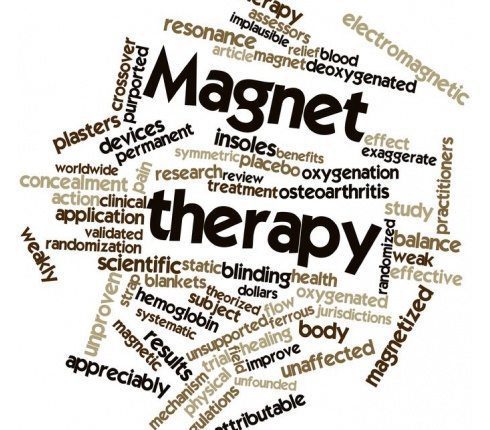
From magnetic shoe inserts to bandages, magnets have been heavily marketed as a miracle cure to zap away a variety of back pain conditions, including fibromyalgia and arthritis. However, no proof exists to back up magnets� health claims.
While studies have examined magnets� impact on pain, the results are mixed�and the quality of some of the research is questionable. Additionally, magnets are not safe for some people, including those who use pacemakers or insulin pumps.
Colloidal Silver

Silver jewelry? Classic. Silver home furnishings? Sure thing. Colloidal silver for your spine pain? Never a good idea.
Colloidal silver for back pain is typically found as a topical cream containing small particles of silver. In 1999, the U.S. Food and Drug Administration (FDA) recommended that people not use colloidal silver to treat any medical condition because it�s neither safe nor effective.
Even worse than the false claims of back and neck pain relief are colloidal silver�s strange and serious side effects. This product can interfere with the absorption of some prescription drugs and even permanently tint your skin a blue-gray color.
DMSO and MSM Dietary Supplements
If you have spondylosis (osteoarthritis), you may have heard of the dietary supplements dimethyl sulfoxide (DMSO) and methylsulfonylmethane (MSM). Some believe this pair of supplements can block pain and inflammation, but no real medical evidence shows these substances actually relieve painful arthritis symptoms.
Instead of eliminating your arthritis pain, MSM and DMSO might cause some unwanted side effects. Both have been linked to causing upset stomach and skin rashes, while DMSO may also leave you with garlic breath and body odor.
A Word on Drug-Supplement Interactions

Speaking of supplements, it�s important to understand that dietary supplements may not mix with over-the-counter or prescription drugs. Some interactions result in mild side effects, but others can be much more serious�even life-threatening.
If you�re using a dietary supplement�even if it�s a seemingly benign herbal or vitamin�always let your doctor and pharmacist know before taking it with an over-the-counter or prescription medication. They will share any dangerous interactions, and ensure you�re safely addressing your back and neck pain.
The Real Deals: Alternative Treatments that Work

Many who fall prey to the products listed in this slideshow have an interest in alternative or complementary therapies for back and neck pain. While some non-traditional treatments should be avoided, many have been proven to reduce spine pain.
Scientists from the National Center for Complementary and Integrative Health at the National Institutes of Health reviewed 105 U.S.-based trials from the past 50 years that included more than 16,000 participants. They found the therapies below effective at controlling pain:
� Acupuncture � Massage � Relaxation techniques � Tai chi
If you prefer alternative methods to manage for your spinal condition, explore the therapies above. They are effective, safe, and will help you live a healthier life.
Call Today!
by Dr Alex Jimenez DC, APRN, FNP-BC, CFMP, IFMCP | Chiropractic, Integrative Functional Wellness, Integrative Medicine, Wellness
More Americans are looking beyond Western medicine to help relieve their back, neck, and spinal joint pain, including osteoarthritis of the backbone. In this specific article, we discuss Complementary and Alternative Medicine (CAM), which is also called Complementary and Integrative Medicine.
Interchangeable Terms
When an option (not mainstream) practice is combined with standard (mainstream) medicine, it�s called �complemental� or �integrative� health care. It�s called �alternative.� when it�s used in place of traditional medicine Nevertheless, these terms are frequently used interchangeably.
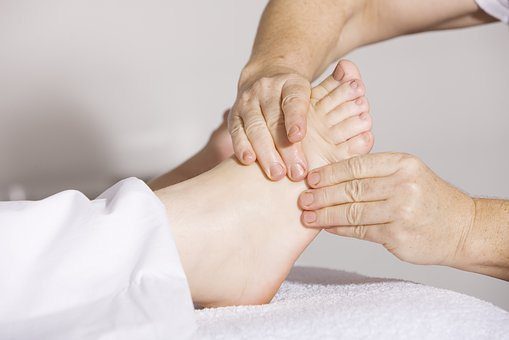
Complementary Alternative/Integrative Treatments
Although treatments might be combined you will find five general types of CAM therapies.
1. Alternative Medical Systems
Naturopathic or naturopathy medical care may include water therapy, massage, and herbal drugs.
2. Head-Body Techniques
Head-body techniques may help a patient with back or neck pain to utilize their head to change or restrain their symptoms in a way that is positive, therefore reducing pain.
3. Biologically-Based Therapies
Biologically-based treatments feature nature-based substances such as botanicals and dietary supplements to ease pain. Natural substances contain ginseng, ginkgo, fish oil, or Echinacea and could be obtainable in different kinds, including a tea, aromatherapy oils, syrup, powder, pill, or capsule.
4. Body-Based Practices
Body-established practices include different types of massage, body alignment techniques, osteopathic manipulation and chiropractic.
5. Energy Therapies
Energy therapies unblock energy fields or may help shift. Qi gong (eg, breathing techniques), Reiki (eg, stress reduction/relaxation), and magnets are treatments based on transferring energy.
Is Alternative, Complementary Or Integrative Therapy Right For You?
To assist you decide, look at the next points.
- If insurance coverage is essential to you, be sure to consult your health insurance provider before you select a CAM treatment to make certain the professional is insured.
- Learn as much as you can about the alternate treatment you’re enthusiastic about.
- Take into account that although a complementary alternative treatment may be popular, that doesn�t make it correct for you personally.
- Unlike mainstream medical care and procedures, some (if not most) alternative therapies are not scientifically validated by clinical trials and/or research studies. The amount of human players is frequently little, while there may be studies supporting a particular practice.
- Simply because a material is natural doesn�t mean it can�t damage you, cause illness or allergic reaction, or a serious interaction with a drug. For instance, blood pressure can be raised by ginseng.
- Always tell your treating physician about all of the herbs, vitamins and nutritional supplements (in any kind) that you take, particularly if you’re scheduled to get a neck or back process (eg, spinal injection, operation).
- Select your alternative therapy professional with all precisely the same attention and concern you would for pain management specialist or a back surgery.
Call Today!
Sources:
Rosenzweig S. Overview of Complementary and Alternative Medicine. Merck Manual. Consumer Version.� www.merckmanuals.com/home/special-subjects/complementary-and-alternative-medicine-cam/overview-of-complementary-and-alternative-medicine.
National Center for Complementary and Integrative Health (NCCIH). Complementary, Alternative, or Integrative Health: What�s In a Name? March 2015. https://nccih.nih.gov/health/integrative-health.

by Dr Alex Jimenez DC, APRN, FNP-BC, CFMP, IFMCP | Integrative Functional Wellness, Integrative Medicine, Natural Health
The practice of yoga coupled with deep breathing eased the symptoms of individuals suffering from depression without the use of potentially harmful medication, according to a recent study published in the Journal of Alternative and Complementary Medicine.
Major depressive disorder or MMD, or depression, is a common mood disorder causing sadness and serious mental health issues. Depression affects about 16 million Americans each year, according to the Centers for Disease Control and Prevention.
Researchers from Boston University Medical Center who conducted the latest study concluded that twice weekly yoga classes in addition to home practice helped brighten the mood of participants not taking antidepressants and for those who claimed their medication wasn�t working.
Since antidepressants come with common side effects such as nausea and insomnia, experts say that this new study offers an exciting and safe alternative treatment to the treatment of this common disorder.
Dr. Delia Chiaramonte, director of education, at the Center for Integrative Medicine at the University of Maryland School of Medicine, tells Newsmax Health that this new study solidifies the research that�s already been done examining the benefits of yoga not only for the body, but for the mind as well.
�There are multiple studies that suggest the benefits of yoga in people suffering from depression,� she says. �Exercise has also shown to have significant benefit in alleviating depression as well as meditative practices. Since the practice of yoga combines both physical exercise and meditation, in my opinion, it should be considered as an adjunct treatment for depression.
�It can be used alongside other forms of exercise, cognitive strategies, meditation, guided imagery and in severe cases, antidepressant medication.�
While the participants in the Boston University study practiced two to three 90 minute sessions of Iyengar yoga along with their home practice, experts say that a few minutes of daily practice can produce powerful results.
Iyengar yoga is a style that incorporates precise movements and alignments to balance the body and mind. Kundalini yoga, on the other hand, works on the energy systems of the body and can create equanimity in minutes to help battle depression, says Dr. Gregg Biegel, a certified Kundalini instructor, so you get more bang for your buck.
�People who are diagnosed with depression are almost always prescribed either short term or long term medication to combat their symptoms. But the harmful side effects of these drugs can sometimes make those symptoms worse,� he tells Newsmax Health.
�That�s like putting a Band-Aid on a severed artery. Scientists are now exploring alternative approaches to a healthier lifestyle without medication, and yoga, an ancient art that�s enjoying quite a revival in this stressful society, is a valuable tool.
�Human beings are complex emotional animals. Our behavior is directly controlled by the central nervous system, the autonomic nervous system and our glandular system. When these control systems are out of balance, you experience a wide range of emotions from nervousness to anger to anxiety and depression.�
The practice of yoga, says the expert, can help regulate and balance the body�s control systems by incorporating breathe and movement.
�Within minutes of practicing these physiologically powerful series of movements we call kriyas we can banish the blues and stave off depression,� he says.
While Kundalini yoga is considered to be the �fast track� to establishing equanimity between body and mind, it is important to study with a certified teacher, says Biegel. Since there as many styles of yoga as there are flavors of ice cream, find a class that suits your needs and preferences.
�Practicing yoga on a regular basis combined with eating a healthy diet and enjoying a positive lifestyle provides a natural alternative to medication in battling depression,� says Biegel.
by Dr Alex Jimenez DC, APRN, FNP-BC, CFMP, IFMCP | Diets, Integrative Medicine, Ketogenic Diet Explained, Nutrition, Weight Loss, Wellness
Thinking About Going Vegan Or Paleo?
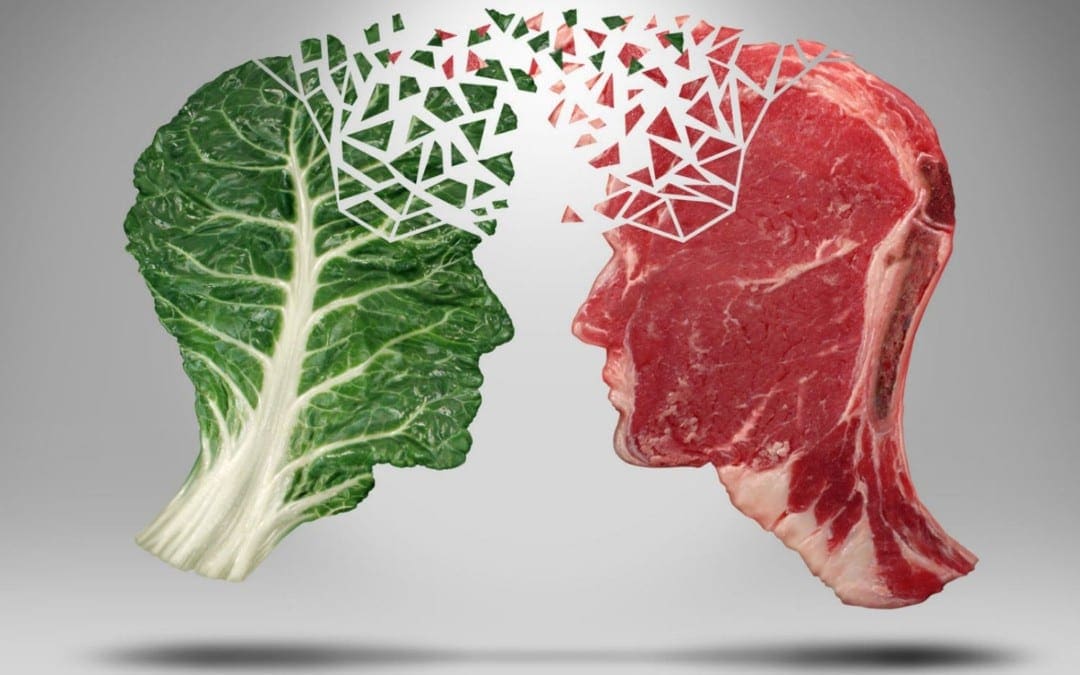
Proponents of specific food class-centric diets such as paleo, vegan, gluten-free, ketogenic, or the Mediterranean diet often but not always tend to prescribe their plans for everyone. Not so fast, says a group from the University of California, Berkeley. Biologists at UC Berkeley and other institutions around the world have published research that shows genetic differences from natural selection based on dietary changes in Europe, Ars Technica reports.
According to the research, for example, if you live in Europe, and particularly in southern Europe, your body is optimized to digest and process plant-based diets. Natives of Greenland, specifically the Inuit, are better at processing meat fat.
More:�Looking for a paleo or gluten-free meal kit? Sun Basket delivers the goods
The researchers compared genomes from hundreds of contemporary humans and 101 genome sequences from Bronze Age humans who lived in Europe 5,000 years ago. They found DNA changed significantly in the last 5,000 years.
The science behind the studies is based on examining two genes that regulate how fatty acids in foods are converted into the �long-chain� form used by humans for tissue health, including the brain and muscles. Plants such as wheat and vegetables�provide �short-chain� fatty acids and must be converted to the long-form type in order for the human body to use them.
In its genome studies, the researchers found that southern European genomes mutated to produce more long-chain fatty acids from the shorter variation. This change, they argue, is due to evolutionary �pressure��from a diet that changed to accommodate more plant-based foods.�The Inuit genome, however, had no such influence, which means Inuit genes�aren�t equipped to convert as great a quantity of long-chain fatty acids because they don�t as much need it.
The general take on this research: There is no one best diet or nutritional bias for all people. If your ancestors are all from the 10 countries that make up northern Europe, for example, the study indicates you could be more likely better equipped to thrive on a diet having a higher proportion of meat. People of southern European ancestry, however, might do better with diets that lean toward plant-based foods.

Call Today!

by Dr Alex Jimenez DC, APRN, FNP-BC, CFMP, IFMCP | Chiropractic, Integrative Functional Wellness, Integrative Medicine, Wellness
Seizing on the opioid epidemic as a chance to expand their reach, naturopaths and chiropractors�are aggressively lobbying Congress and state governments to elevate the role of�alternative therapies�in treating chronic pain. They�ve scored several victories in recent months, and hope the Trump administration will give them a further boost.
Their Most Powerful Argument: We Don�t Prescribe Addictive Pain Pills
Shunning pharmaceuticals, they treat pain with everything from acupuncture to massage to castor oil ointments. They offer herbal supplements and homeopathic pills.
There�s little rigorous scientific research to back up such treatments. Yet patients often say they feel relief. And providers say their alternative approaches are vitally needed at a time when more than 30,000 people a year die of opioid overdose in the US alone � and half of those deaths involve a prescription painkiller, according to the Centers for Disease Control and Prevention.
�I am surprised that with the crisis where it is today, more people aren�t picking up on alternative treatments,� said John Falardeau, a senior vice president with the American Chiropractic Association.
Chiropractors scored a big victory recently in Oregon, where the state Medicaid program decided to cover spinal adjustment for lower back pain starting in 2016. Vermont, Virginia, and Nevada are considering similar moves.
Another win came earlier this year, when the American College of Physicians recommended non-surgical interventions such as acupuncture, yoga, and chiropractic care as the go-to treatments for lower back pain.
�The American College of Physicians is our new best friend,� said Robert Hayden, a Georgia chiropractor and spokesperson for the�American Chiropractic Association. Hayden said the the industry considers the decision �a direct result of the fact that we are in an opioid crisis in this country.�
Hoping For Help From The Trump Administration
Hoping to make even more inroads, both naturopaths and chiropractors are lobbying Congress to push the Veterans Affairs health system to hire alternative providers. Chiropractors are also pushing for a role in the National Health Service Corps, which puts providers to work in community health centers, often in rural areas.
And this month, naturopaths will descend on Washington, D.C., for a meeting all about chronic pain. �Naturopathic doctors are poised to be the leaders in combating the opioid epidemic,� the promotional materials claim.
The pain workshops will be followed by a three-day conference to set a lobbying agenda and teach naturopaths organizing techniques.
The American Association of Naturopathic Physicians clearly sees an opening to make gains: The arrival of the Trump administration and a new, Republican-controlled Congress �opens up new opportunities for AANP to push for insurance non-discrimination, to have [naturopaths] included in the VA, and to emphasize that naturopathic care is a much-needed alternative to opioids for the treatment of chronic pain,� the AANP website declares.
Chiropractors, too, are hopeful. President Trump has talked about giving more Americans access to flexible spending accounts�for health care. That, they say, will make it easier for�consumers to pay for treatments that insurance doesn�t cover � like chiropractic care.
�I think they see an opening. Whether it actually works or not is secondary. It�s basically an opening for them to try to claim some legitimacy.�
Dr. David Gorksi, surgical oncologist
Some mainstream doctors � who often range from skeptical to fiercely critical of alternative medicine � are wary. They worry that naturopaths or chiropractors might persuade patients with serious diseases to shun conventional medical care. And they point out that some herbal treatments interact badly with chemotherapy or other pharmaceuticals.
Other skeptics dismiss the push to claim a role in treating pain as a public relations ploy.
�I think they see an opening,� said Dr. David Gorski, a surgical oncologist and an editor of the blog Science-Based Medicine. �Whether it actually works or not is secondary. It�s basically an opening for them to try to claim some legitimacy.�
He finds it particularly galling that alternative providers often mix sound advice on diet and exercise, drawn from mainstream medicine, with fringe therapies that have no evidence behind them, like homeopathy pills. �It becomes hard for the average person to figure out what is and it isn�t quackery,� he said.
But other doctors are cautiously embracing the idea of new ways to treat chronic pain. They say if alternative remedies help � even if only through a placebo effect � patients may be able to avoid addictive pills.
Helping Patients Gain Control Over Their Pain
Emily Telfair, a naturopath in Maryland, said she often sees chronic pain patients who feel frustrated that conventional treatments haven�t worked to treat their pain. Or those patients haven�t been able to tolerate the tough side effects of pain medication. They come to her hoping for relief.
�That�s the place where naturopathic medicine shines. It offers another option for folks who haven�t found help,� Telfair said.
Telfair uses massage therapy, including a specific type of treatment known as craniosacral massage. She also sends patients home with castor oil packs and topical creams to apply to their pain points, all of which she said are noninvasive ways �to invite the body to heal and let go of the chronic symptom.�
�It offers another option for folks who haven�t found help.�
Emily Teflair, naturopath
She said her job isn�t always to cure a patient�s pain � it�s to help patients see that their pain won�t always be unrelenting and oppressive, and to help them gain control.
�Knowing their pain can be different from one day to the next, that is a very powerful tool,� she said. �I know I can�t help everybody with chronic pain. But you [can] change the person�s relationship to their pain.�
That�s been the case for 70-year-old James Fite, who has had both hips replaced and now needs a shoulder replaced. He�s hesitant to have the surgery because of his chronic pain.
�It�s always there. Sometimes it�s just blinding, excruciating,� he said. But he�s found relief with an acupuncturist and naturopathic care from Telfair.
He uses roll-on castor oil, sticks to an anti-inflammatory diet, and also receives massage therapy. Other times, he takes opioids. Fite said he has had 15 providers trying to treat aspects of his pain. He feels his acupuncturist and Telfair are the most �tuned in� to his body�s condition.
�None of these things are cure-alls for a chronic condition like mine,� he said. �But I�ve gotten as much help from them as from anybody.�
With various combinations of treatments, Fite said he�s more able to manage his pain than he has been before. He�s found the energy to teach chess after school twice a week at a nearby library and can spend more time playing with his grandkids.
Other naturopaths said they see their goal as finding and addressing the root cause of a patient�s pain. And they argue they have more time than a medical doctor to do that.
�It�s not as simple as a replacement for an opioid. We treat the cause of the pain. We don�t just mask it with a painkiller,� said Michelle Brannick, a naturopathic provider in Illinois who markets her services specifically to pain patients. Brannick relies on homeopathic arnica and herbal supplements, among other treatments.
A Cautious Approach From Physicians
Taxpayers subsidize roughly $120 million a year in federal grants to research alternative medicine through the National Institutes of Health.
Even after all that research, Dr. Josephine Briggs, the director of the NIH�s National Center for Complementary and Integrative Health, said she is aware there isn�t much robust evidence to support many alternative pain therapies.
�We can�t call this a slam dunk. This is not a situation where we�ve got an easy answer for a tough clinical problem,� she said.
But she pointed out that many alternative remedies are fairly low-risk. And some physicians are opening their minds up to the idea � with caveats.
�As a physician, I would never just say, �You have pain, so we�re going to just put you on pain medicine,�� said Dr. Andrew Esch, a clinician and consultant with the Center to Advance Palliative Care in New York.
Doctors stress that pain can vary wildly from one patient to the next, and treatments won�t be the same for every patient, either. �Sometimes that�s physical therapy and Motrin, sometimes it�s acupuncture and antidepressants,� said Esch.
Dr. Charles von Gunten, a palliative care specialist at OhioHealth, agreed alternative therapies like acupuncture and massage can be part of a doctor�s toolkit.
�They�re not either-or types of approaches,� he explained.
�As a physician, I would never just say, �You have pain, so we�re going to just put you on pain medicine.��
Dr. Andrew Esch, palliative care expert
But doctors also are leery of sending cancer patients or others with serious illnesses to a naturopathic provider who might convince them to go off of chemotherapy or forgo conventional medical care.
�That�s certainly a concern,� said Briggs. There�s also concern that homeopathic remedies like St. John�s wort will interfere with a patient�s prescribed medication and make those drugs less effective. Encouraging pain patients to experiment with alternative treatments might open the door to those risks.
But Esch said he doesn�t see those concerns as a reason for doctors to dismiss naturopathic approaches that their chronic pain patients are interested in trying. Most patients he sees are using some sort of alternative treatment � and many will continue to do so whether doctors like it or not, he said.
�If someone is going to take shark cartilage because they think it will make their pain better, my approach is not to immediately say no,� he said.
Instead, he scours the evidence, the side effects, and the potential drug interactions that might put a patient at risk. If it seems safe for a patient to try, he gives them the green light and checks back regularly to see if it�s helping.
�It�s part of the responsibility of physicians to know what people are taking and not dismiss it, because it�s our job to know they�re going to do it safely,� he said.
One State Weighs The Costs Of Treating Pain
Many dietary supplements � which don�t have to go through a regulatory review for safety or efficacy before hitting the market � are relatively cheap: Shoppers can snag 60 homeopathic arnica tablets off a drugstore shelf for less than $10.
But other alternative therapies can be costly: Craniosacral massage and acupuncture, for instance, can each run over $100 for an hourlong session, and patients may need multiple visits each month.
The Oregon Health Plan, which is the state version of Medicaid, weighed those expenses when deciding whether to cover chiropractic adjustment for lower back pain.
The chiropractic care costs more than would for a short course of opioids � a single vertebrae adjustment can cost around $65. But health officials are hopeful that they�ll save money in the long run by reducing the number of people addicted to opioids.
�We�re trying to offer up some of these treatment options from the beginning, with the goal of trying to reduce the transition from acute pain to chronic pain,� said Denise Taray, who coordinates the Oregon Pain Management Commission.
That commission spearheaded the research into what treatments should be covered and ultimately recommended that state Medicaid cover chiropractic care. They�re now looking at alternative medicine treatments for other pain conditions, such as fibromyalgia.
�We�re all focused on the opioid epidemic and managing prescribing,� said Taray. �The part that still seems to be falling through the cracks is the patient perspective and the treatment and the care of pain.�
Call Today!