Only about 5 to 10 percent of cancer is hereditary, although most cancer scientists have thought that cancer was a disease, states Dr D’Agostino.
A metabolic disorder is one that interrupts normal metabolism, the process of converting food to energy on a cellular level. The mitochondria create the energy that our cells will need to perform their job, and these are usually known as the powerhouses of the cells.
When carbohydrates (composed of glucose) are consumed, they cause the blood glucose levels to rise. The hormone insulin, responsible for regulating energy use, is secreted by the pancreas because it damages the structure of all proteins, as a high blood sugar concentration is toxic for human tissues.
Based on Dr Fettke, we could simply metabolise about one teaspoon (4 grams) of glucose at once and the remainder is stored in the liver and muscles as glycogen, or if this cannot happen, it’s stored as fat.
The longer carbs are ingested, the more glucose is produced, the more our body becomes resistant.
Insulin resistance occurs when the body does not respond to insulin properly. This results in increased blood glucose levels, which can not be saved in muscles or the liver must store it as fat, as discussed by Prof Noakes.
Relation of Insulin and Health
Insulin is consequently the fat storing hormone, which leads to an expanding waist. In case a high carb diet is followed, and if unchecked, it can cause obesity, metabolic syndrome (a combination of hypertension, obesity and hypertension) and to type 2 Diabetes.
The long-term impairment which occurs in Diabetes is because of the effect of always high blood glucose levels on a lot of different organs. If blood glucose levels are high, so too will insulin amounts be, and will consequently add to the damage.
“The more I read the more I’m convinced of the connection between diet and cancer. A lot hinges on stimulating factors involved in metabolism and cellular division, says Dr Gary Fettkesaid
In his study, Dr Elio Riboli notes the higher risk of late onset breast cancer, colon, rectum, endometrial, oesophageal and kidney disorders together with obesity. He explains the link between endometrial cancer and obesity: “Essentially, endometrial cancer is quite closely connected with oestrogen levels. So the tissue there is, the more oestrogens. So there are two outcomes. One is that in the obese, oestrogens are produced by the tissue, converts androgens to oestrogens. The second one is that down-regulating sex hormone binding globulin, insulin, makes oestrogen more bioavailable.
According to Dr Gary Fettke, in his lecture at the LCHF Convention before this season, cancer could be tied up with sugar metabolism. Cancer cells cannot use any additional fuel for growth, except for sugar. Without sugar they starve to death. This theory is based upon the Warburg effect, by Dr Otto Warburg, who won the 1931 Nobel Prize for discovering aerobic glycolysis – a flaw in subcutaneous sugar metabolism which diverts glucose away from energy production to cell development and causes fermentation of sugar. In other words, he discovered that cancer cells thrive on glucose and have mitochondria. Dr Gary Fettke also thinks that the problem with modern cancer treatment is that it ignores the glucose metabolism.
“We also haven’t fully recognised the institution of diet in the causation of cancer. The problem is sugar, especially fructose, refined fats and polyunsaturated seed oils. The modern diet is inflammatory and it generates masses of oxygen free radicals.”
Ketogenic Diet Health Benefits
A low carb, high fat Ketogenic diet (that is in nature the Banting diet, but with carb consumption below 25g per day) has successfully treated many different ailments like obesity, epilepsy, Diabetes, Alzheimer’s and cardiovascular disease. Dr Seyfried requires it a single metabolic procedure for a profusion of ailments that are distinct.
By maintaining carbs below 25g a day, your system moves from a carb burning state to a fat burning state. Ketones are formed when the liver for energy breaks down fatty acids. Ketosis is reached when ketones are formed through withdrawal of carbs within the body. These compounds are generated throughout metabolism — and are a sign that your body is presently using fat for energy. This process forces the body. Prof Noakes explains this in more detail in the Beginner Banting Online Program, in which you may find the tools to stick to a way of life.
“Virtually all the wholesome cells in our body have the metabolic versatility to utilize glucose, fat and ketones to survive, but cancer cells lack this metabolic versatility and require large quantities of sugar and can’t survive on ketones. Therefore by limiting carbohydrates, we could reduce insulin and glucose, and thus limit the key fuel for cancer cell growth.” Says Dr Seyfried. Dr Gary Fettke has a vested interest in this study as he had brain cancer 15 decades ago. He switched to a diet plan and shattered the cancer.
Prof Noakes says, “When fighting cancer, just the finest will do. Grass-fed beef, pasture-reared chickens, organic vegetables, etc.. Since hormones and tainted foods have been fed to animals, pesticides sprayed on veg and genetically modified soya and corn is routinely fed to cows and livestock, one must be dedicated to quality in order to avoid the dangers of the substances, highly carcinogenic independently.”
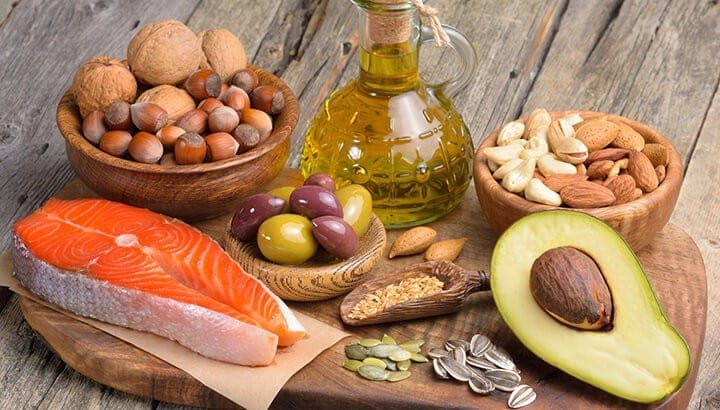
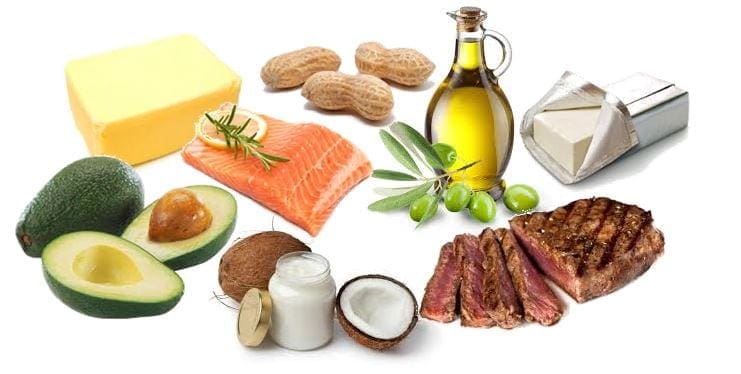
What to eat and drink on a Ketogenic diet
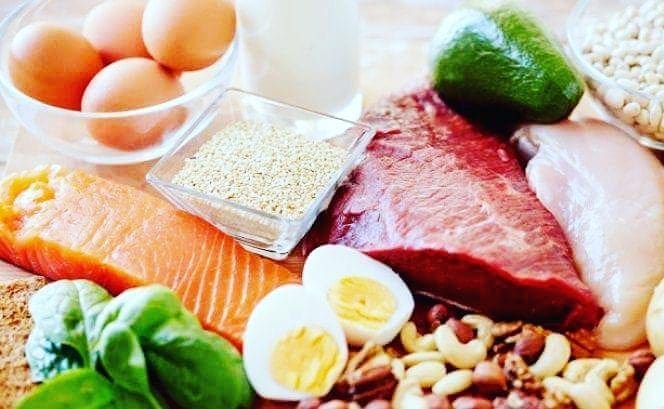
Animal protein
Saturated fat
Olive oil
Avocado
Above the ground vegetables
Water
What to avoid on a Ketogenic diet
Processed food
Fizzy drinks
Toxic oils
Processed meat
Fast food
Cancer Fighting Foods
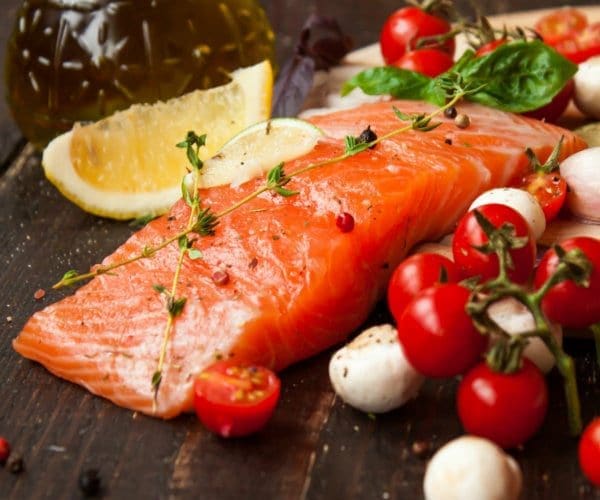
Tomatoes: cooking enhances cancer-fighting and anti inflammatory properties. Lycopene was found to prevent cancer cell growth in a study in Cancer and Nutrition.
Chilli: capsaicin that gives chillies their powerful, spicy personality is anti-bacterial, anti-carcinogenic and anti-diabetic.
Cruciferous vegetables: such as cabbage, cauliflower, broccoli, spinach, Brussels sprouts and kale have powerful anti-carcinogens. Cabbage in particular contain anti-oxidants known to help protect against prostate, colon and breast cancers. Broccoli is the only one having a sizable quantity of sulforaphane, an especially potent chemical that boosts the body enzymes and flushes compounds out .
Mushrooms: include the amino acid ergothioneine, which is an anti-oxidant and an anti-inflammatory, it protects against free radicals and boosts the immune system.
Aubergine: that the epidermis is rich in anti-oxidants known as anthocyanins, which are believed to fight cancer, inflammation, aging and neurological diseases.
Turmeric: includes curcumin that’s a powerful anti-oxidant and anti inflammatory. According to Cancer Research UK, it seems to have the ability to kill cancer cells and stop more from growing. It’s the very best consequences on breast cancer, bowel cancer, stomach cancer and skin cancer cells.
Berries: the idea of berries as anticarcinogens began in the late 1980s, when it was discovered that berries, and specifically black peppers, comprised ellagic acid, which is believed to inhibited the genesis of tumours.
Garlic: belongs to the Allium class of bulb-shaped plants, which also includes onions, chives, leeks, and scallions. It’s an strong and excellent neutraliser of free radicals. It contains good levels of selenium and, in several studies, selenium has been shown to decrease cancers. Phytochemicals in garlic have been found to stop the formation of nitrosamines, carcinogens formed in the stomach.
In summary, from the evidence that we have collected from all of the various sources, it’s obvious to see that the link between diet and health is a serious one and that what we consume really has an impact in the long term. Dr D’Agostino goes as far as to state, “let food be thy medicine.”
The scope of our information is limited to chiropractic and spinal injuries and conditions. To discuss options on the subject matter, please feel free to ask Dr. Jimenez or contact us at 915-850-0900 .�
By Dr. Alex Jimenez
Additional Topics: Wellness
Overall health and wellness are essential towards maintaining the proper mental and physical balance in the body. From eating a balanced nutrition as well as exercising and participating in physical activities, to sleeping a healthy amount of time on a regular basis, following the best health and wellness tips can ultimately help maintain overall well-being. Eating plenty of fruits and vegetables can go a long way towards helping people become healthy.
The benefits that come from a ketogenic diet are much like those of any strict low-carb diet. The effect may be greater since protein is significantly more restricted. This raises ketones more, and reduces insulin (the fat-storing hormone).
Weight Loss
Turning your body to some fat-burning machine has clear benefits for weight loss. Fat burning is significantly increased while insulin, the hormone that focuses on fat-storing, drops considerably. This produces the perfect circumstances.
About 20 scientific research of the maximum category (RCTs) reveal that, compared to other diets, low-fat and ketogenic diets result in more effective weight reduction.
Reverse Type 2 Diabetes
A ketogenic diet is excellent for reversing type 2 diabetes, because it lowers blood-sugar levels as well as also helping to reverse the negative effect of elevated insulin levels from this condition.
Improved Mental Focus
Ketosis ends in a steady stream of gas (ketones) to the brain. And on a ketogenic diet you stay away from swings in blood glucose. This contributes to the experience of concentration and attention.
A lot of people use keto diets specifically for improved mental performance. Interestingly, there is a frequent misperception that eating a great deal of carbs6 is necessary for proper brain functioning. When ketones aren’t available but this is only true.
Following a couple of times (up to a week) of keto adaptation, through that people can experience some difficulty concentrating, have headaches and be easily irritated, both the human body and mind can run smoothly on ketones.
Inside this state, lots of men and women experience more energy and enhanced mental focus.
Increased physical endurance
Ketogenic diets may vastly increase your physical endurance, by giving you constant access to all of the energy of your own fat stores.
The body’s source of stored carbohydrates (glycogen) only lasts for a few hours of intense exercise, or less. But your fat stores hold sufficient energy to easily last for weeks or perhaps months.
When you’re accommodated to burning primarily carbs — like most individuals are now — that your fat stores aren’t readily accessible, and they can not fuel your brain. This results in needing to fill up by eating before, during and after exercise sessions that are longer. Or even simply to fuel your everyday activities and prevent “hanger” (hungry and irritable). On a ketogenic diet this dilemma is solved. As the body and brain can be fueled 24/7 from the stores that are powerful, you can keep going.
Whether you are competing in a bodily endurance event, or just trying to remain focused on reaching some other target, your body gets the fuel it needs to keep you going and going.
Two Problems
So how is it possible that the majority of people feel that carbohydrates are essential to do exercise? There are just two reasons. Not, and to unlock the power of ketogenic diets for bodily endurance rather suffer reduced performance, you’ll need:
Enough fluid and salt
Fourteen days of adaptation into burning fat — it does not happen immediately
Metabolic Syndrome
There are many studies demonstrating that low-carb diets improve markers of metabolic syndrome, such as blood lipids, insulin levels, HDL-cholesterol, LDL particle size and fasting blood sugar levels. Improvements have been demonstrated to be greater when carbs and protein are limited to some the point of becoming.
Epilepsy
The ketogenic diet is a proven medical therapy for epilepsy that’s been utilized since the 1920s. Traditionally it has been used in children with uncontrolled epilepsy despite drugs.
More recently it has also been tested successfully by adults with epilepsy, with similar good results. There are randomized controlled trials that demonstrate the potency of the ketogenic diet in seizures in patients with epilepsy.
Employing a ketogenic diet in epilepsy is that usually enables people to take less anti-epileptic drugs, while staying seizure-free. It is not uncommon to even be in a position to completely stop taking these drugs.
As a number of medications have side effects, such as nausea, reduced concentration, personality changes or even reduced IQ — being able to shoot less or no medications can be enormously beneficial.
More Prevalent Advantages
The advantages will be the most frequent ones. However there are many others that are potentially even more unexpected and, at least for some people, lifechanging.
The scope of our information is limited to chiropractic and spinal injuries and conditions. To discuss options on the subject matter, please feel free to ask Dr. Jimenez or contact us at 915-850-0900 .�
By Dr. Alex Jimenez
Additional Topics: Wellness
Overall health and wellness are essential towards maintaining the proper mental and physical balance in the body. From eating a balanced nutrition as well as exercising and participating in physical activities, to sleeping a healthy amount of time on a regular basis, following the best health and wellness tips can ultimately help maintain overall well-being. Eating plenty of fruits and vegetables can go a long way towards helping people become healthy.
A ketogenic diet, or keto diet, is a diet, which turns your system into a fat-burning machine. It has some initial side effects towards health and functionality, as well as many advantages for weight loss.
A ketogenic diet is comparable to other rigorous low-carb diets, like the Atkins diet plan or LCHF (low carb, higher fat). These diets wind up being ketogenic more or less by accident. The main difference between LCHF and keto is that protein is restricted in the latter.
A keto diet plan is made specifically to lead to ketosis. It’s possible to measure and adapt to achieve optimal ketone amounts for wellness or for bodily and psychological performance. Below, you can learn how to use keto to achieve your personal goals.
What is Ketosis?
The keto in a ketogenic diet stems in the fact that it leaves the body to create small fuel molecules known as ketones. This is an alternate fuel for your body, used when blood sugar (glucose) is in short supply.
Ketones are produced if you eat hardly any carbs (that are quickly broken down into blood sugar) and only moderate levels of protein (excess protein can also be converted to blood sugar). Ketones are produced in the liver, from fat. They are then used throughout the entire body as fuel. The brain is an organ which requires a lot of energy to function and fat can’t be used for energy by it. The brain can only run on glucose or ketones.
On a ketogenic diet your entire body switches its fuel source to operate almost entirely on fat. Insulin levels become very low and fat burning increases dramatically. It becomes easy to get into your fat stores to burn them off. If you are trying to drop weight, this is obviously excellent, but in addition, there are other benefits, such as less appetite and a continuous supply of energy.
Once the body produces ketones, it’s supposedly in ketosis. The quickest way to get there is by fasting, not eating anything, but obviously, it is not feasible to fast. A ketogenic diet, on the other hand, can be eaten forever and also results in ketosis. Without even having to fast, it has many of the benefits of fasting. including weight loss.
What to Eat on a Ketogenic Diet
Here are typical foods to enjoy on a ketogenic diet. The amounts are net carbs per 100 g. To remain in ketosis, lower is generally better:
The most essential thing to achieve ketosis is to stay away from eating most carbohydrates. You will need to keep intake ideally under 20 grams but under 50 grams per day of carbs is accepted. The fewer carbs the more successful.
Try to avoid
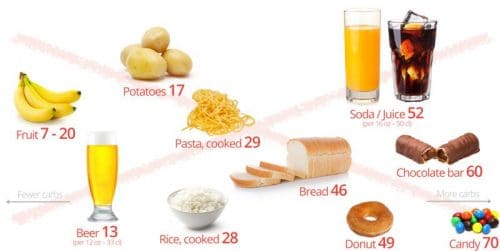
Here is what you shouldn’t eat on a keto diet, meals full of sugar and starch, including starchy foods such as bread, rice, pasta and potatoes. These foods are much higher in carbohydrates, as you can see.
The amounts are g of digestible carbs per 100 g (3.5 oz), unless otherwise noticed.
This usually means you will want to completely prevent sweet sugary foods, also starchy foods such as bread, pasta, rice and potatoes. Basically follow the guidelines to get a diet that is low-carb that is rigorous, and remember it is assumed to be full of fat, not high in protein.
A rough guideline is under 10 percent energy from carbs (the fewer carbs, the more successful), 15 to 25 percent protein (the lower end is more successful), and 70 percent or more from fat.
What to Drink on a Ketogenic Diet
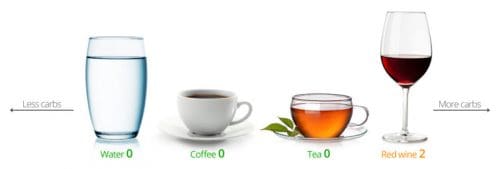
So what do you drink on a keto diet? Water is ideal, and so is tea or coffee. Use no additives. A small amount of milk or cream is OK (but beware of caffe latte!) . The glass of wine is fine.
How Low is Keto?
The fewer carbohydrates you consume, the larger the effects on fat and blood sugar will be. A keto diet is a strict low-carb diet, and consequently highly effective.
We recommend following the dietary advice as strictly as you can. When you are contented with your weight and health, you might carefully try eating more liberally (if you would like to).
The scope of our information is limited to chiropractic and spinal injuries and conditions. To discuss options on the subject matter, please feel free to ask Dr. Jimenez or contact us at 915-850-0900 .�
By Dr. Alex Jimenez
Additional Topics: Wellness
Overall health and wellness are essential towards maintaining the proper mental and physical balance in the body. From eating a balanced nutrition as well as exercising and participating in physical activities, to sleeping a healthy amount of time on a regular basis, following the best health and wellness tips can ultimately help maintain overall well-being. Eating plenty of fruits and vegetables can go a long way towards helping people become healthy.
Is coconut oil a metabolism-boosting superfood or an artery-clogging threat to heart health?
That question has fueled a raging debate for many years, and it was reignited in mid-June when the American Heart Association (AHA) issued an advisory reiterating its longstanding recommendation to avoid saturated fats. Attention quickly focused on coconut oil, which has become trendy in natural health circles despite its high saturated fat content.
Proponents of coconut oil say its medium-chain triglycerides are quickly burned for energy, increasing metabolism. Coconut oil fats are also said to be good for the brain, which is made mostly of fat, and help regulate blood sugar and, ironically, cholesterol levels.
But the AHA advisory contends that all saturated fats raise risk of cardiovascular disease.
“Taking into consideration the totality of the scientific evidence…we conclude strongly that lowering intake of saturated fat and replacing it with unsaturated fats, especially polyunsaturated fats, will lower the incidence of cardiovascular disease,” states the advisory.
The AHA researchers specifically advise against using coconut oil, which they note is 82 percent saturated fat and raises “bad” LDL cholesterol levels, “a cause of atherosclerosis.”
But many other scientific reviews in recent years — including one meta-analysis encompassing nearly 350,000 people followed for as long as 23 years — found no link between saturated fat and heart disease.
“Those reviews were much more limited because they didn’t take into consideration what the substitution [for saturated fats in the diet] was,” explains Dr. Alice Lichtenstein, co-author of the AHA advisory. “The better reviews that looked at replacing saturated fat with either carbohydrates or mono- or polyunsaturated fats, show clear differences.”
Many natural health practitioners take exception to the AHA conclusions, including integrative cardiologist Dr. Jack Wolfson. He contends that AHA researchers cherry-picked data from decades-old studies, and that branding all LDL as harmful is outdated science.
“Total LDL numbers are a very poor prognosticator of heart disease,” says Wolfson, a doctor of osteopathy and board-certified cardiologist based in Phoenix, Ariz. “What’s more relevant is LDL particle size and numbers. Small, dense particles are bad for the heart, but studies show that large fluffy particles, like those promoted by coconut oil, cause no harm.”
But Lichtenstein, director of the Cardiovascular Nutrition Laboratory at Tuft University’s Human Nutrition Center on Aging, dismisses the LDL particle size factor, saying, “There’s much more written on the Internet about that than data to support it.”
Wolfson further questions AHA recommendations to use “highly processed” vegetable oils, saying their omega-6 fatty acids can contribute to systematic inflammation. In an AHA newsletter, the advisory’s lead author, Dr. Frank Sacks, suggests that people forsake butter and coconut oil for cooking and use canola, corn, soybean, and extra virgin olive oil instead.
“There’s nothing wrong with deep frying as long as you deep fry in a nice unsaturated vegetable oil,” Sacks adds.
That suggestion may send shudders through natural health practitioners, who widely contend that vegetable oils break down into harmful compounds under high heat.
“Coconut oil has a high smoke point, which makes it more stable for cooking,” explains Wolfson. “Unsaturated vegetable oils oxidize through the cooking process and cause oxidative stress and inflammation in the body.”
Lichtenstein once again cites a lack of data on the adverse effect of cooking with vegetable oils, telling Newsmax Health, “It’s not a concern.”
Wolfson also points out that the evolving science of heart disease seems to be shifting away from cholesterol and more toward inflammation as the primary cause.
“The risk of a cardiovascular event – heart attack, stroke and dying — is much higher when you have inflammation,” says Wolfson, author of “The Paleo Cardiologist: The Natural Way to Heart Health” and advocate of eating diets similar to our caveman ancestors.
“Coconut oil doesn’t cause inflammation. Sugar, artificial ingredients, pesticide residue in food…these are the types of things that cause inflammation.”
He emphasizes that it’s important to eat healthy saturated fats that are organic and, if animal-based, come from grass-fed pasture-grazers. Wolfson adds that he has history on his side in the debate over whether they are healthy or harmful.
“Our ancestors ate saturated fats for millions of years,” he tells Newsmax Health. “Why would evolution make it plug up our pipes and kill us? People in the South Pacific have diets that are more than 50 percent coconut-based, and they have virtually no heart disease. If we were all on a deserted island eating coconuts, fish and vegetables, and getting plenty of sunshine and sleep, heart disease would be a non-issue.”
Eating fish at least twice a week may significantly reduce the pain and swelling associated with rheumatoid arthritis, a new study says.
Prior studies have shown a beneficial effect of fish oil supplements on rheumatoid arthritis symptoms, but less is known about the value of eating fish containing omega-3, the researchers said.
“We wanted to investigate whether eating fish as a whole food would have a similar kind of effect as the omega 3 fatty acid supplements,” said the study author, Dr. Sara Tedeschi, an associate physician of rheumatology, immunology and allergy at Brigham and Women’s Hospital in Boston.
Generally, the amount of omega 3 fatty acids in fish is lower than the doses that were given in the trials, she said.
Even so, as the 176 study participants increased the amount of fish they ate weekly, their disease activity score lowered, the observational study found.
In rheumatoid arthritis, the body’s immune system mistakenly attacks the joints, creating swelling and pain. It can also affect body systems, such as the cardiovascular or respiratory systems. The Arthritis Foundation estimates that about 1.5 million people in the United States have the disease, women far more often than men.
The new study, which was heavily female, draws attention to the link between diet and arthritic disease, a New York City specialist said.
“While this is not something that is new, per se, and it was a small trial, it does raise an interesting concept of what you eat is as important as the medications you take,” said Dr. Houman Danesh.
“A patient’s diet is something that should be addressed before medication is given,” added Danesh, director of integrative pain management at Mount Sinai Hospital.
When his patients with rheumatoid arthritis ask about diet, he said he often suggests they eat more fish for a few months to see if it will help.
“I encourage them to try it and decide for themselves,” he said, explaining that study results so far have been mixed.
In this case, the majority of study participants were taking medication to reduce inflammation, improve symptoms and prevent long-term joint damage.
Participants were enrolled in a study investigating risk factors for heart disease in rheumatoid arthritis patients. The researchers conducted a secondary study from that data, analyzing results of a food frequency questionnaire that assessed patients’ diet over the past year.
Consumption of fish was counted if it was cooked — broiled, steamed, or baked — or raw, including sashimi and sushi. Fried fish, shellfish and fish in mixed dishes, such as stir-fries, were not included.
Frequency of consumption was categorized as: never or less than once a month; once a month to less than once a week; once a week; and two or more times a week.
Almost 20 percent of participants ate fish less than once a month or never, while close to 18 percent consumed fish more than twice a week.
The most frequent fish eaters reported less pain and swelling compared to those who ate fish less than once a month, the study found.
Researchers can’t prove that the fish was responsible for the improvements. And they theorized that those who regularly consumed fish could have a healthier lifestyle overall, contributing to their lower disease activity score.
While they were unable to get specific data on information such as patients’ exercise, its benefits are proven, Tedeschi said.
She acknowledged that fish tends to be an expensive food to purchase. For those unable to afford fish several times a week, Danesh cited other options.
“In general, patients should eat whole, unprocessed foods,” he said. “If you can’t for whatever reason, an omega 3 pill is a second option.”
Because the study was not randomized, researchers were unable to make definite conclusions, but they were pleased with what they learned.
One finding that impressed Tedeschi “was that the absolute difference in the disease activity scores between the group that ate fish the most frequently and least frequently was the same percentage as what has been observed in trials of methotrexate, which is the standard of care medication for rheumatoid arthritis,” she said.
The findings were reported June 21 in Arthritis Care & Research.
Abstract objective: �To examine the diagnosis and care of a patient suffering from chronic low back pain with associated right leg pain and numbness. ���Diagnostic studies include standing plain film radiographs, lumbar MRI without contrast, chiropractic analysis, range of motion, orthopedic and neurological examination. ���Treatments include both manual and instrument assisted chiropractic adjustments, ice, heat, cold laser, Pettibon wobble chair and repetitive neck traction exercises and non-surgical spinal decompression. ��The patient’s� outcome was very good with significant reduction in pain frequency, pain intensity and abatement of numbness in foot.
Introduction: �A 58 year old, 6�0�, 270 pound male was seen for a chief complaint of lower back pain with radiation into the right leg with right foot numbness. �The pain had started 9 months prior with an insidious onset. ��The patient had first injured his back in high school lifting weights with several episodes of pain over the ensuing years. ��The patient had been treating with Advil and had tried physical therapy, acupuncture, chiropractic and ice with no relief of pain and numbness. ��Walking and standing tend to worsen the problem and lying down did provide some relief. ���A number of activities of daily living were affected at a severe level including standing, walking, bending over, climbing stairs, looking over shoulder, caring for family, grocery shopping, household chores, lifting objects staying asleep and exercising. ��The patient remarked that he �Feels like 100 years old.� �Social history includes three to four beers per week, three diet cokes per day.
The patient�s health history included high blood pressure, several significant shoulder injuries, knee injuries, apnea, hearing loss, weight gain, anxiety and low libido. ���Family history includes Alzheimer�s disease, heart disease, colon cancer and obesity.
Clinical Findings
Posture analysis revealed a high left shoulder and hip with 2 inches of anterior head projection. Bilateral weight scales revealed a +24 pound differential on the left. ��Weight bearing dysfunction and imbalance suggest that neurological compromise, ligamentous instability and or spinal distortion may be present. �Range of motion in the lumbar spine revealed a 10 degree decrease in both flexion and extension. There was a 5 degree decrease in both right and left lateral bending with sharp pain with right lateral bending.
Cervical range of motion revealed a 30 degree decrease in extension, a 42 and 40 degree decrease in right and left rotation respectively and a 25 degree decrease in both right and left lateral flexion. ��Stability analysis to assess and identify the presence of dynamic instability of the cervical and lumbar spine showed positive in the cervical and lumbar spine and negative for sacroiliac dysfunction. ��Palpatory findings include spinal restrictions at occiput, C5, T5, T10, L4,5 and the sacrum. ��Muscle palpation findings include +2 spasm in the psoas, traps, and all gluteus muscles.
Cervical radiographs reveal significant degenerative changes throughout the cervical spine. This represents phase II of spinal degeneration according the Kirkaldy-Wills degeneration classification. ���Cervical curve is 8 degrees which represents an 83% loss from normal. ��Flexion and extension stress x-rays reveal decreased flexion at occiput through C4 and decreased extension at C2, C4-C7.
Lumbar radiographs reveal significant degenerative changes throughout representing phase II of spinal degeneration according to the Kirkaldy-Willis spinal degeneration classification. ���There is a 9 degree lumbar lordosis which represents a 74% loss from normal. ��There is a 2 mm short right leg and a grade II spondylolisthesis at the L5-S1 level.
Lumbar MRI without contrast was ordered immediately with a 4 mm slice thickness and 1 mm gap in between slices on a Hitachi Oasis 1.2 Telsa machine for optimal visualization of pathology due to the clinical presentation of right L5 nerve root compression.
Lumbar MRI Imaging Results
Significant degenerative changes throughout the lumbar spine including multi-level degenerative disc changes at all levels.
Transverse Annular Fissures at L1-2 (17.3 mm), L2-3 (29.5 mm), L4-5 (14.3 mm) and L5-S1 (30.8 mm) and broad based disc bulging at all levels except L5-S1. ���The fissures at L2-3 and L5-S1 both have radial components extends through to the vertebral endplate.
Facet osteoarthritic changes and facet effusions at all levels.
Grade II spondylitic spondylolisthesis is confirmed at L5-S1 with severe narrowing of the right neural foramen compressing the right exiting L5 nerve root.
Degenerative retrolisthesis at L1-2.
Modic Type II changes at L2 inferior endplate, L3 superior endplate, L4 inferior endplate and L5 inferior endplate.2
There is a 18.9 mm wide Schmorl�s node at the superior endplate of L3.
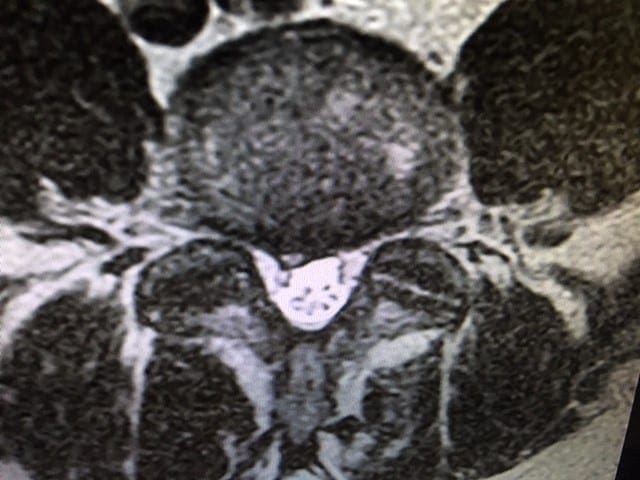
There is a 5.7 mm wide focal protrusion type disc herniation at L4-5 which impinges on the thecal sac.
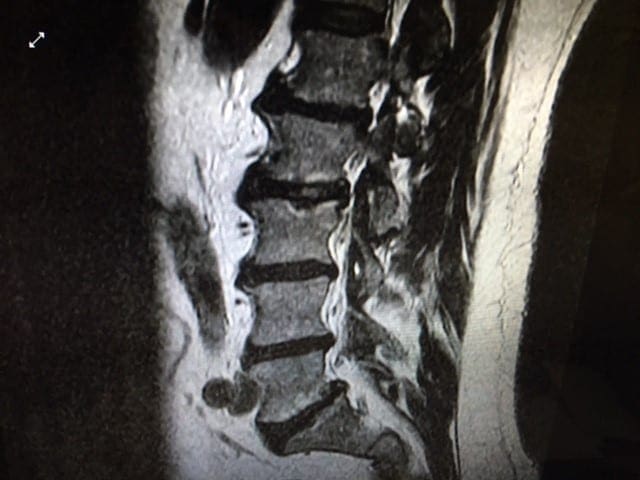
T2 sagittal Lumbar Spine MRI:� Note the Modic Type II changes and the L2-3 Schmorls node.
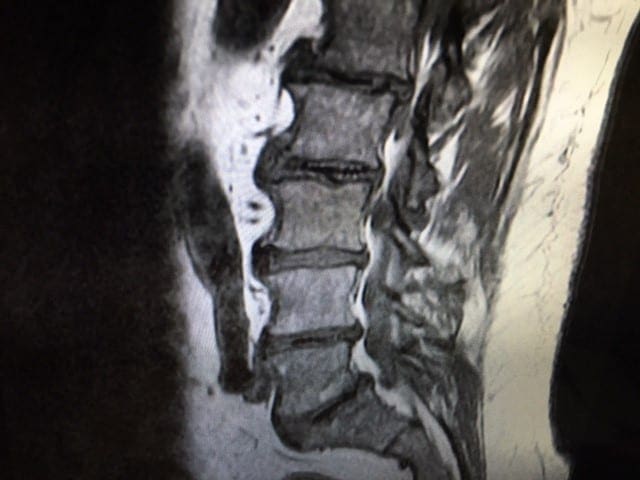
T1 Sagittal Annular fissures at multiple levels and spondylolisthesis at L5S1
T2 Axial L4-5:� Focal Disc Protrusion Type Herniation
Definition �Bulging Disc: A disc in which the contour of the outer annulus extends, or appears to extend, in the horizontal (axial) plane beyond the edges of the disc space, over greater than 50% (180 degrees) of the circumference of the disc and usually less than 3mm beyond the edges of the vertebral body apophyses.3
Definition: Herniation is defined as a localized or focal displacement of disc material beyond the limits of the intervertebral disc space.3
Protrusion Type Herniation: is present if the greatest distance between the edges of the disc material presenting outside the disc space is less than the distance between the edges of the base of that disc material extending outside the disc space.3
Definition: Extrusion Type Herniation: �is present when, in at least one plane, any one distance between the edges of the disc material beyond the disc space is greater than the distance between the edges of the base of the disc material beyond the disc space or when no continuity exists between the disc material beyond the disc space and that within the disc space. 3
Definition: �Annular Fissures: �separations between the annular fibers of separations of the annual fibers from their attachments to the vertebral bone. 4
Definition � Radiculopathy: Sometimes referred to as a pinched nerve, it refers to compression of the nerve root – the part of a nerve between vertebrae. This compression causes pain to be perceived in areas to which the nerve leads.
The patient underwent multimodal treatment regime consisting of 4 months of active chiropractic adjustments, non-surgical spinal decompression with pretreatment spinal warm-up exercises on the Pettibon wobble chair and neck traction and heat. Post spinal decompression with ice and cold laser. ��The patient reported long periods of symptom free activities of daily living with occasional short flare-ups of pain. ��Exacerbations are usually of short duration and much lower frequency. �The only activity of daily living noted as affected severely at the end of care is exercising.
Post care lumbar radiographs revealed a 26 degree lumbar curve a 15 degree (38%) increase
Post care cervical x-rays revealed a 10 mm decrease in anterior head projection and a 2 degree improvement in the cervical lordosis.
Range of Motion
pre
post
increase
Lumbar
flexion
60
60
0
extension
40
40
0
r. lateral flexion
20
25
5
l. lateral flexion
20
25
5
cervical
pre
Post
increase
flexion
50
50
0
extension
30
40
10
r. lateral flexion
20
35
15
l. lateral flexion
20
20
0
r. rotation
38
70
42
l. rotation
40
80
40
Discussion of Results
It is appropriate to immediately order MRI imaging with radicular pain and numbness. ��Previous health providers who did not order advanced imaging with these long term radicular symptoms are at risk of missing important clinical findings that could adversely affect the patient�s health. ��The increasing managed care induced trend to forego taking plain film radiographs is also a risk factor for patients with these problems.
This case is a typical presentation of long standing spinal injuries that over many years have gone through periods of high and low symptoms but continue to get worse functionally and eventually result in a breakdown of spinal tissues leading to neurological compromise and injury.
Chiropractic treatment resulted in a very favorable outcome aided by an accurate diagnosis. �This is also the case where the different treatment modalities all contributed to the success of the protocol. ��The different modalities all focus on different areas of pathology contributing to the patients� disabled condition.
Modality
Therapeutic Goals
Chiropractic adjustment
Manual and instrument assisted forces introduced to the osseous structures that focuses on improving motor segment mobility
Cold laser
Increases speed of tissue repair and decreases inflammation.4
Pettibon
wobble chair
Loading and unloading cycles applied to injured soft tissues and
Pettibon
neck traction
speeds up & improves remodeling of injured tissue as well as rehydrates dehydrated vertebral discs.5
Non-surgical
spinal decompression
Computer assisted, slow and controlled stretching of spine, creating vacuum effect on spinal disc, bringing it back into its proper place in the spine.6,7
Ice
Decrease inflammation through vasoconstriction
Heat
Warm up tissues for mechanical therapy through increasing blood flow.
Posture Correction Hat
Weighted hat that activates righting reflex resetting head posture.8
A major factor in the success of the care plan in this case was an integrative approach to the spine. �John Bland, M.D. in the text Disorders of the Cervical Spine writes
�We tend to divide the examination of the spine into regions: cervical, thoracic and the lumbar spine clinical studies.� This is a mistake.� The three units are closely interrelated structurally and functionally- a whole person with a whole spine.� The cervical spine may be symptomatic because of a thoracic or lumbar spine abnormality, and vice versa!� Sometimes treating a lumbar spine will relieve a cervical spine syndrome, or proper management of cervical spine will relieve low backache.�9
When addressing the spine as an integrative system, and not regionally it has a very strong benefit to the total care results. ��The focus on the restoration of the cervical spine function as well as lumbar spine function is a hallmark of a holistic spine approach that has been a tradition in the chiropractic profession.
The scope of our information is limited to chiropractic and spinal injuries and conditions. To discuss options on the subject matter, please feel free to ask Dr. Jimenez or contact us at 915-850-0900 .�
References:
Kirkaldy-Willis, W.H, Wedge JH, Young-Hing K.J.R. Pathology and pathogenesis of lumbar spondylosis and stenosis. �Spine 1978; 3: 319-328
David F. Fardon, MD, Alan L. Williams, MD, Edward J. Dohring, MD. Lumbar disc nomenclature: version 2.0 Recommendations of the combined task forces of the North American Spine Society, the American Society of Spine Radiology and the American Society of Neuroradiology. The Spine Journal 14 (2014) 2525�2545
Shealy CM, Decompression, Reduction and Stabilization of the Lumbar Spine: A cost effective treatment for lumbosacral pain.�� Pain management 1955, pg 263-265
Shealy, CM, New Concepts of Back Pain Management, Decompression, Reduction and Stabilization.�� Pain Management, a Practical guide for Clinicians.� Boca Raton, St. Lucie Press: 1993 pg 239-251
Bland, John MD, Disorders of the Cervical Spine WB Saunders Company, 1987 pg 84
Additional Topics: Preventing Spinal Degeneration
Spinal degeneration can occur naturally over time as a result of age and the constant wear-and-tear of the vertebrae and other complex structures of the spine, generally developing in people over the ages of 40. On occasion, spinal degeneration can also occur due to spinal damage or injury, which may result in further complications if left untreated. Chiropractic care can help strengthen the structures of the spine, helping to prevent spinal degeneration.
Hippocrates, the father of modern medicine, stated all healing starts in the gut. And researchers carry on to prove him accurate as they unravel how a healthier gut microbiome plays a function in fat decline, disease prevention, and much additional. As we know, diet plays a very important function in keeping a healthier gut setting and dysbiosis, or a gut-flora imbalance, ramps up inflammation, and triggers lots of diseases like inflammatory bowel disease.
As a health practitioner of chiropractic, gut health gives insight into why my clients (in particular overweight or overweight clients) establish osteoarthritis in non-fat-bearing joints like the wrist, by pointing to a difficulty with systemic inflammation. And when my clients have an understanding of how an out-of-whack gut impacts digestion, they do not generally make the link concerning gut health and joint agony or other issues like head aches, mood swings, eczema, fat acquire, or tiredness that frequently accompany agony.
Gut issues can trigger agony.
How does this perform? To start with, consider that truth that your gut maintains a reliable barrier concerning your digestive tract and your inside setting, enabling important vitamins to go by when preserving out anything else. Retaining the integrity of the gut is a a person-cell-thick barrier that varieties a limited junction, which keeps out foreign invaders like bacteria, poisons, and big undigested foods particles. When these limited junctions crack down, that barrier will become infected and porous bacteria, poisons, and undigested foods particles start off slipping by. We connect with these foreign invaders antigens, or foreign substances that trigger an immune response. A double whammy ensues: You are not finding optimal vitamins when foreign invaders barge by, a problem termed intestinal permeability or leaky gut.
This link has anything to do with inflammation.
Your immune program responds with antibodies, which assault and ruin these antigens. When an antibody binds with an antigen, an immune advanced happens. Persistent leaky gut ramps up these immune complexes they flow into all-around your entire body and deposit into several tissues and organs including�you guessed it�skeletal muscle tissues and joints, creating additional inflammation. Leaky gut also contributes to autoimmune conditions, or immune responses towards unique tissues that develop destruction and decline of functionality. When that takes place in your joints, inflammation makes agony, inflammation, and stiffness. When multifactorial, researchers link leaky gut with rheumatoid arthritis as bacterial merchandise slip by your gut lining and deposit in your joints, creating an immune reaction.
You can lessen agony by healing the gut.
When my clients recover their leaky gut, they lastly set out the fireplace that feeds inflammation. That healing calms their immune program, reverses autoimmune conditions like rheumatoid arthritis, and decreases agony. And you can do this in a natural way without the need of medicine or surgical treatment. Further than concentrating on a entire-food items diet that gets rid of foods intolerances, I�ve located these 7 tactics to improve gut health to reverse agony:
1. Stage up your fiber.
Studies display that enough dietary fiber could possibly be your greatest technique to keep a healthier microbiome. Amid its benefits, fiber aids pull poisons from your gut for elimination.
2. Take in additional anti-inflammatory food items.
Omega-three fatty acids have anti-inflammatory qualities and aid alleviate agony. If wild-caught fish isn�t aspect of your diet, just take a large-high quality fish oil nutritional supplement with about three,000 milligrams of EPA and DHA.
three. Repopulate smartly.
Probiotics aid re-set up a balanced gut microbiome. Fermented food items like coconut yogurt, kefir, and sauerkraut are great sources of probiotics, but if you do not on a regular basis consume them, appear for a professional multistrain probiotic nutritional supplement with billions of microorganisms.
4. Get enough vitamin D.
Scientists link vitamin D deficiencies with several issues like inflammation, leaky gut, and autoimmune conditions like rheumatoid arthritis and chronic agony. Request your health practitioner for a twenty five-hydroxy vitamin D take a look at and perform with him or her to attain and keep optimal ranges.
5. Ditch the gluten.
If you have joint agony or other sorts of agony, gluten�s gotta go. Gliadin is the protein located in wheat, rye, and barley lots of men and women are delicate to or that leads to an outright autoimmune reaction. Your immune program sees gluten as the enemy and will unleash weapons to assault it, triggering inflammation in your gut, joints, and other regions of the entire body.
6. Avoid GMOs.
Eradicating genetically modified food items (GMOs) will become very important for healing your leaky gut considering the fact that GMOs destruction your digestive tract and may possibly be a person of the leads to of your leaky gut in the initial place.
7. Nix nightshades.
Colourful bell peppers, tomatoes, potatoes, and eggplants supply vitamins and phytonutrients, but they can be a difficulty for clients with leaky gut, autoimmune disease, or osteoarthritis. Nightshades incorporate glycoalkyloids, which can develop gut issues.
IFM's Find A Practitioner tool is the largest referral network in Functional Medicine, created to help patients locate Functional Medicine practitioners anywhere in the world. IFM Certified Practitioners are listed first in the search results, given their extensive education in Functional Medicine