Detecting Hidden Traumatic Brain Injury: How Chiropractors and Nurse Practitioners Work Together for Better Recovery
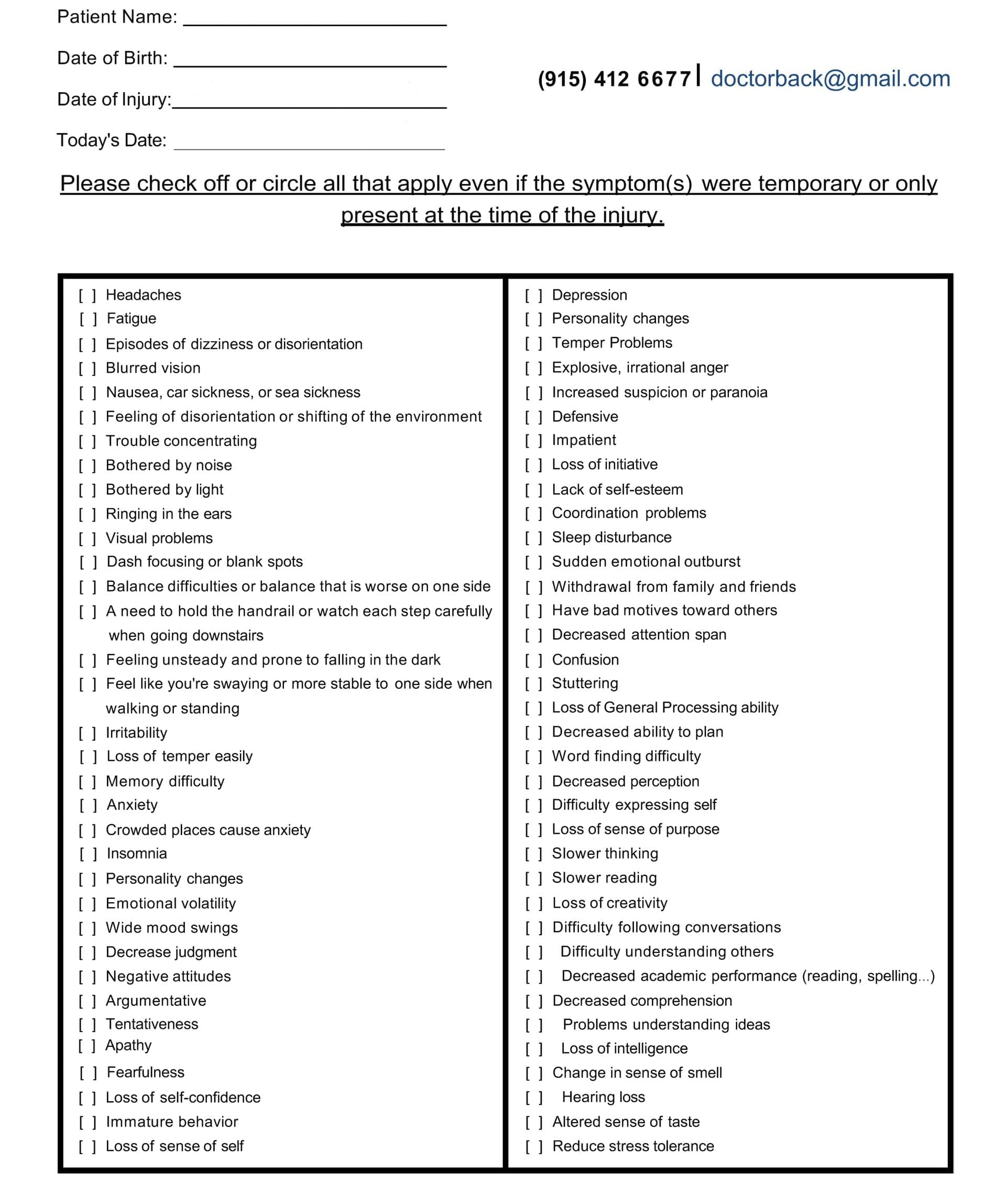
Patient answers the doctor’s traumatic brain injury questions.
Traumatic brain injuries (TBIs) affect millions each year, often in ways that are hard to spot right away. These injuries happen from falls, car crashes, sports hits, or other sudden jolts to the head or body. While severe cases show clear signs like unconsciousness or seizures, milder ones can hide in plain sight. This can lead to ongoing problems with thinking, feelings, and daily life if not caught early. Healthcare providers like chiropractors and nurse practitioners play key roles in spotting these hidden signs through careful talks with patients. By asking the right questions, they uncover subtle clues that point to brain damage.
An integrative approach combines chiropractic adjustments with nurse-led medical care. This team effort targets both the body’s frame and the brain’s wiring, helping people heal better after a TBI. Treatments include gentle spine work, muscle therapies, and custom exercises to fix imbalances and boost brain power. Nurse practitioners add layers of support for mood, energy, and overall health. Advanced tools help confirm diagnoses, starting from simple checks to high-tech scans. Missing a TBI is easy because symptoms mimic stress or fatigue, but thorough checks and treatments can change lives. This article dives into how to detect, treat, and recover from these “invisible” wounds.
The Sneaky Nature of Traumatic Brain Injuries
TBIs disrupt brain function through direct hits or shaking forces. Mild forms, like concussions, might seem minor at first but can linger. According to the Mayo Clinic, symptoms can start right after the injury or pop up days later (Mayo Clinic, 2023). This delay makes them tricky. For example, someone might walk away from a car accident feeling fine, only to struggle with focus at work weeks later. Without prompt care, these issues can worsen, leading to long-term changes in how a person thinks or feels.
The brain controls everything from movement to emotions, so damage shows up in varied ways. Physical signs include headaches that won’t quit or a constant feeling of tiredness. Cognitive hints involve forgetting simple things or zoning out during talks. Emotional shifts, like sudden anger bursts, strain relationships. Sensory changes, such as a weird metallic taste in food or a loss of smell, add to the puzzle. These aren’t always dramatic, which is why they’re often ignored. Friends or family might notice first, saying, “You’ve been off since the fall.” Early spotting is vital because the brain can rewire itself if helped soon (Hauger et al., 2024).
Statistics paint a stark picture: About 1.7 million TBIs occur yearly in the U.S., with many going undiagnosed (Reis, 2022). Military personnel and athletes face higher risks, but anyone can be hit. Children and older adults show unique signs, such as kids losing interest in play or elders stumbling more often. The key? Listen to the body’s quiet signals. Untreated TBIs raise the chances of depression, job loss, or even repeat injuries. But with awareness, recovery paths open up.
Spotting Hidden Signs: A Step-by-Step Guide for Providers
Chiropractors and nurse practitioners are on the front lines for catching TBIs. They start with a deep dive into the patient’s story. This isn’t a quick chat—it’s a series of targeted questions to peel back layers. For instance, a chiropractor might ask, “Have you noticed foods tasting off, or smells fading since your accident?” This uncovers sensory shifts linked to brain areas involved in taste and smell (Fisher Stark, P.C., n.d.). Such details often slip past standard checkups.
A thorough history covers the injury event, immediate aftermath, and ongoing quirks. Questions probe cognitive slips: “Do tasks that used to take 10 minutes now drag on for hours?” This flags concentration woes common in TBIs (BrainLine, 2023). Emotional probes include, “Have small frustrations sparked big anger lately?” Irritability or mood swings signal disrupted emotional centers (U.S. Air Force, 2017). Balance checks ask, “Do you feel wobbly in crowds or after standing quickly?” These point to coordination hits.
Symptom questionnaire:
Nurse practitioners layer in health checks, asking about sleep: “Are you crashing early but waking foggy?” Disturbed rest is a red flag (Mayo Clinic, 2023). Fatigue questions follow: “Does everyday stuff leave you wiped out?” Together, these inquiries build a full picture. Dr. Alexander Jimenez, a chiropractor and nurse practitioner, stresses personalized histories in his practice. He notes that linking subtle symptoms to past traumas helps tailor care, drawing from his work in integrative injury recovery (Jimenez, n.d.a). By cross-checking answers, providers spot patterns missed in rushed visits.
This method shines in real cases. One patient described headaches as “just stress,” but questions revealed post-accident timing, leading to TBI confirmation (Denver Chiropractic, LLC, n.d.). Multiple angles—physical, mental, sensory—ensure nothing hides. It’s simple yet powerful: Listen actively, ask openly, and connect dots.
Nuanced Symptoms: What to Watch For
TBI signs aren’t always obvious; they whisper through daily life. Cognitive disturbances top the list. Trouble focusing might mean rereading the same page over and over or missing deadlines. Memory lapses, like forgetting recent chats, disrupt routines (BrainLine, 2023). These stem from damaged brain pathways handling attention and recall.
Emotional turbulence follows closely. Anger flares over minor things, or flat moods replace joy. Depression creeps in, with unexplained sadness (U.S. Air Force, 2017). Loved ones often spot this first, as the injured person might downplay it. Dr. Jimenez observes in his clinic that these shifts strain families, urging early emotional screens (Jimenez, n.d.b).
Sensory oddities add intrigue. Taste changes turn meals bland or metallic; smells vanish, making cooking a chore (Fisher Stark, P.C., n.d.). Vision blurs, or lights sting eyes. These links to brain regions processing senses are hit hard by jolts.
Physical clues include relentless headaches, pulsing behind the eyes. Fatigue hits like a wall, even after rest. Sleep goes haywire—too much or too little, with nightmares or insomnia (Mayo Clinic, 2023). Balance falters, turning walks into teeters; coordination slips, fumbling keys or tripping.
In kids, signs differ: cranky spells, play changes, or nap shifts (BrainLine, 2023). Elders might show confusion mimicking dementia. These nuances demand vigilance. As one source notes, symptoms overlap with those of stress, delaying help-seeking (Reis, 2022). Recognizing them early prevents cascades, like poor sleep fueling more fatigue.
Building an Integrative Recovery Team
Recovery thrives on teamwork. Chiropractic care fixes body mechanics, while nurse practitioners oversee whole-body health. This blend heals the brain’s hardware and software. Spinal tweaks ease nerve pressure, boosting signals to damaged areas (Northwest Florida Physicians Group, LLC, n.d.). Nurses handle meds, nutrition, and mood support, creating balance.
Dr. Jimenez embodies this, merging his DC and APRN roles for seamless care. His clinic uses functional assessments to link spine health to brain function, echoing collaborative models (Jimenez, n.d.a). Studies back this: Teams reduce recovery time by addressing root causes (Holden et al., 2010).
Chiropractic Tools for Brain and Body Healing
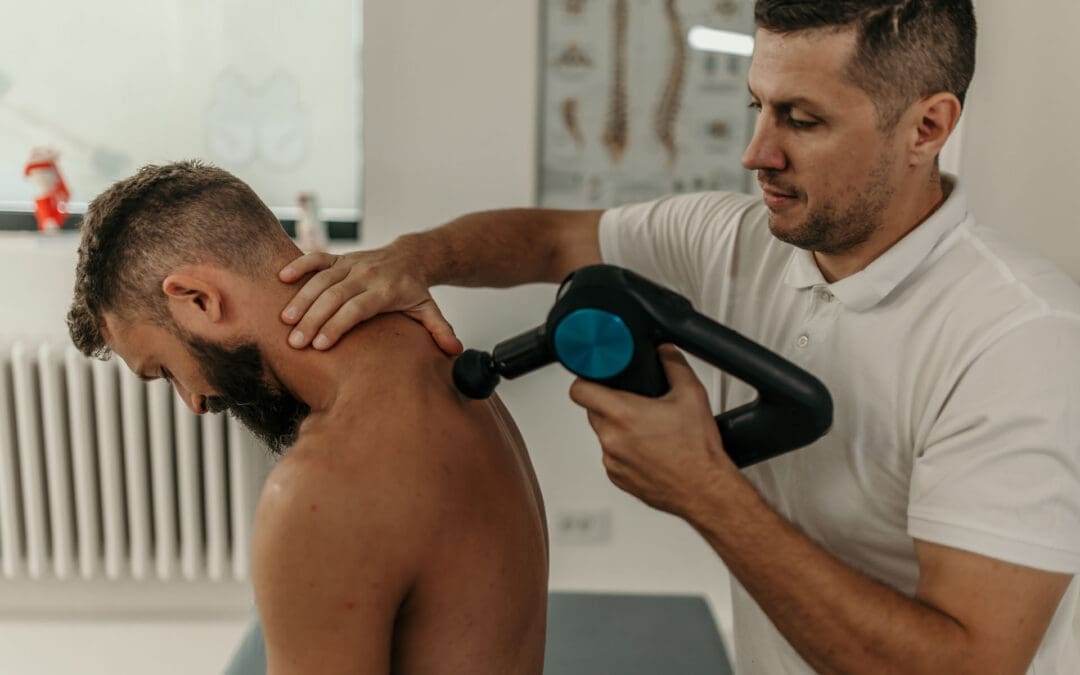
Chiropractors target the spine-brain link. Adjustments realign vertebrae, improving fluid flow and nerve flow (Pinnacle Health Chiropractic, 2023). This cuts headaches and fog. Soft-tissue work kneads tight muscles, easing tension from impacts (Calibration Mansfield, n.d.).
Targeted exercises build strength and balance. Simple drills, like ball tosses, retrain coordination (HML Functional Care, n.d.). Vestibular therapies steady dizziness. Low-level lasers reduce swelling, aiding neuron repair (Reis, 2022).
Benefits stack: Better circulation delivers oxygen to the brain; balanced nerves sharpen focus (Apex Chiropractic, n.d.). One case saw a survivor return to EMT work after such care (Reis, 2022). It’s drug-free, focusing on the body’s own fixes.
Nurse Practitioners: Holistic Health Guardians
Nurses round out the plan with metabolic and emotional aid. They monitor blood sugar and electrolytes, preventing crashes that slow healing (Kim et al., 2024). Nutrition plans help fight inflammation, a key factor in TBI recovery.
Mental support includes therapy referrals and family coaching. Sedation eases agitation; family visits calm nerves (Kim et al., 2024). Dr. Jimenez integrates this, using coaching for stress and hormones (Jimenez, n.d.b). This full-spectrum care lifts mood, energy, and resilience.
Diagnostic Tools: From Basics to High-Tech
Diagnosis starts simple, scaling with needs. Basic tools include the Glasgow Coma Scale (GCS), scoring eye, verbal, and motor responses for quick severity checks (Mayo Clinic, 2023). Vital signs track blood pressure and heart rate, spotting brain pressure rises.
Next, CT scans image bleeds or swells—fast for emergencies (Mayo Clinic, 2023). MRIs detail soft tissue damage, revealing axon tears invisible on CT.
Advanced options: EEGs catch hidden seizures via brain waves (Kim et al., 2024). Neuropsychological tests probe memory and focus. Functional MRIs map active brain areas; diffusion tensor imaging traces nerve paths (HML Functional Care, n.d.).
Eye-tracking tools like RightEye assess gaze for subtle deficits (Calibration Mansfield, n.d.). Blood tests measure biomarkers for the extent of damage. Order matters: Basics rule out crises; advanced confirm and guide plans.
Why TBIs Slip Through Cracks—and How to Fix It
Traumatic Brain Injuries (TBIs) often go unnoticed because their symptoms can be mistaken for everyday life stresses. A headache? Blame work. Irritability? “Bad day.” This oversight delays care, worsening outcomes (BrainLine, 2023). Providers miss them without deep histories, as one study shows that up to 50% of mild cases go undiagnosed (Reis, 2022).
Meticulous evaluation changes this. Multi-question intakes and team huddles catch clues. Treatment urgency: Early adjustments prevent scarring; holistic plans build lasting gains. Paula’s story proves it— from bedbound to marathon training via integrated care (Reis, 2022).
In military settings, recognition cuts long-term woes (U.S. Air Force, 2017). For all, it means reclaiming life. Push for thorough checks; the brain deserves it.
Holden, C. Q., et al. (2010). Chiropractors and collaborative care: An overview illustrated with a case report. Chiropractic & Osteopathy, 18(21). https://doi.org/10.1186/1746-1340-18-21
Kim, J., et al. (2024). Nursing interventions to prevent secondary injury in critically ill patients with traumatic brain injury: A scoping review. Journal of Clinical Medicine, 13(8), 2396. https://doi.org/10.3390/jcm13082396
Chiropractic & Manual Therapies. (2018). Be good, communicate, and collaborate: A qualitative analysis of stakeholder perspectives on adding a chiropractor to the multidisciplinary rehabilitation team. Chiropractic & Manual Therapies, 26(17). https://doi.org/10.1186/s12998-018-0200-4
Massage Before or After Workout: Timing for Better Results and Pairing with Chiropractic at El Paso Back Clinic
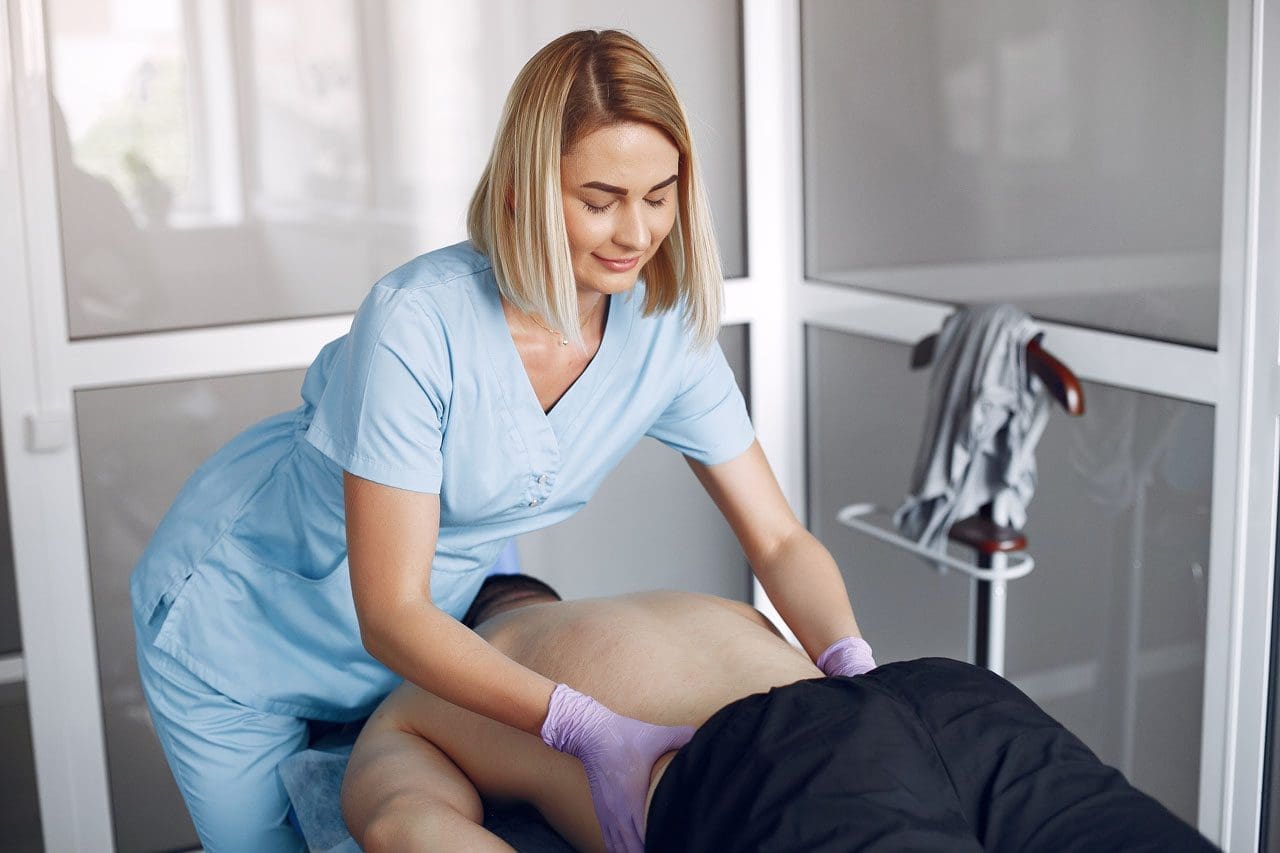
Staying active with workouts keeps you feeling strong and energized. But sometimes, exercise leads to tight muscles or minor aches in the back or legs. A professional massage can help fix that. Before a workout, a gentle massage increases blood flow and makes moving easier. After a workout, it cuts down soreness and helps you unwind. Just don’t do deep tissue right before exercising—it might leave muscles feeling a bit weak for a short time.
At El Paso Back Clinic®, pairing massage with chiropractic care makes everything work even better. Chiropractors adjust your spine and joints to boost movement and flexibility and ease everyday discomforts. This combo leads to longer-lasting relief and smoother recovery. This article explains how to time your massages around workouts, the benefits of each, and how to get started at a place like El Paso Back Clinic® in El Paso, TX. You’ll also learn from Dr. Alex Jimenez, who uses smart, team-based care for active people.
How Massage Supports Your Active Lifestyle
Massage therapy uses simple rubs and presses to relax muscles and improve your feeling. It’s perfect for anyone who walks, runs, or lifts weights. Exercise makes muscles work hard, which can cause tightness. Massage boosts blood flow to bring fresh oxygen and remove waste, helping you recover faster (Northwich Foot Clinic, n.d.). Research shows it can reduce soreness by up to 30% after a tough session (Verywell Fit, 2023).
Choose the right type: Swedish for gentle calm, sports for targeted help, or deep tissue for stubborn spots—but save that for non-workout days. Studies prove it improves motion and eases stiffness (PureGym, n.d.). For folks in El Paso staying fit, getting the timing right keeps you going strong without extra aches.
Pre-Workout Massage: Warm Up Smart
Starting with a massage before exercise preps your body perfectly. It ramps up blood flow so muscles get more oxygen, letting you move better and stronger (One Peloton, n.d.). This lowers the chance of strains during runs or lifts.
Plus, it boosts flexibility. Light strokes loosen up areas like your lower back or thighs for smoother steps (Marathon Handbook, n.d.). It even calms your mind, cutting stress for better focus (Northwich Foot Clinic, n.d.). Keep it to 10-15 minutes of easy work. Evidence backs this: better range and less tightness (PureGym, n.d.).
If you’re aiming to feel ready and loose, try it before gym time. Local runners or weight trainers in El Paso often use it for legs and back.
Booking a Pre-Workout Massage at El Paso Back Clinic®
At El Paso Back Clinic®, licensed therapists make it simple. Call +1-915-850-0900 or book online at www.elpasobackclinic.com. Tell them it’s for workout prep—they’ll use light techniques on key spots like the back, legs, or arms.
Sessions last 30 minutes and cost $50-$80. You’ll relax on a table with oils for smooth strokes. Drink water afterward, then hit your workout. Share any tight areas so they can focus safely. Locations like 11860 Vista Del Sol Dr make it easy to stop by.
Post-Workout Massage: Bounce Back Quick
After your session, a massage is key for recovery. It clears out muscle waste, easing that delayed soreness (Verywell Fit, 2023). Studies show less pain and quicker strength return (Marathon Handbook, n.d.).
It also relaxes your nerves for deeper sleep and less tension (One Peloton, n.d.). Go for Swedish with soothing strokes (Verywell Fit, 2023). Schedule 24-48 hours after intense workouts (Prime Massage Chairs, n.d.). It aids rehab by softening scar tissue (Thai Kosai, n.d.).
Ideal for post-run or lift recovery—get back to feeling great sooner.
Getting a Post-Workout Massage at El Paso Back Clinic
El Paso Back Clinic® pros handle recovery sessions. Book via phone or site, sharing your workout and sore spots. 45-60 minute treatments cost $60-$100 at spots like 6440 Gateway East.
Breathe easily on the table as they target tightness. Hydrate and rest after—no heavy moves right away. Their team ensures you leave refreshed.
Don’t Do Deep Tissue Before Workouts
Deep tissue massages are great for deep knots but can temporarily decrease muscle power (Delta VAC, 2025). They also slow speed and strength (Marathon Handbook, n.d.). It is advisable to reserve deep tissue massages for rest days and allow 24 hours before engaging in weightlifting (Delta VAC, 2025).
Stick to light pre-workout rubs. If drained, switch timing.
Pick Based on What You Want
Prep and flexibility? Pre-massage. Soreness relief? Post. Many do both weekly (Quora, n.d.). Runners prep legs pre-race; lifters recover post-set (Thai Kosai, n.d.). Test for your routine.
Chiropractic Care: Fix Alignment for Easy Movement
At El Paso Back Clinic®, chiropractic adjusts the spine and joints for better flow. It improves mobility and flexibility and reduces aches (Neu Life Chiropractic, n.d.). About 20% of active adults use it for back or leg issues (Islip Chiropractic, n.d.).
Boosts blood for healing (Hanson Chiropractic, n.d.). Solves root problems for smoother workouts.
Massage + Chiropractic: Team Up for Real Relief
Massage softens muscles; chiropractic aligns bones. Together, better flow, less pain, more motion (Maverick Chiropractic, n.d.). Massage first prepares the body for adjustments, which are then locked in afterward (The Joint, 2025).
Speeds healing, stops issues, and ups performance (ChiroSports USA, n.d.). Research shows faster relief and a wider range (Yoder Chiropractic Center, n.d.). Perfect for an active El Paso life.
Dr. Alex Jimenez’s Team Approach at El Paso Back Clinic®
Dr. Alex Jimenez, DC, APRN, FNP-BC, leads El Paso Back Clinic®, which has been blending chiropractic and nurse care for 30+ years (Jimenez, n.d.a). His team treats workout tweaks, daily strains, sports hits, work injuries, and auto accidents.
He links muscle, bone, and nerve issues. Dual checks—adjustments plus full health scans—find causes like stress or diet (Jimenez, n.d.b). Non-surgical fixes include decompression, acupuncture, and rehab exercises.
For back tweaks from lifts, massage loosens, and adjustments align. Team therapies cut inflammation in auto whiplash. Advanced imaging spots nerve pinches exactly.
They handle medical care and legal documents for claims. Patients gain strength and less pain via custom plans. Their focus is natural healing for all ages.
Dr. Jimenez’s Clinical Insights on Active Recovery
Dr. Jimenez sees injury ties: workouts strain the spine, causing leg aches if unchecked. Dual diagnosis uses exams, labs, and MRIs for full views—like disc issues from poor form.
Treatments: pre-massage for adjustments, post for hold. Sports cases add agility drills; work strains build core. Documentation smooths insurance.
This method shortens downtime and boosts daily ease in El Paso.
Your Routine at El Paso Back Clinic®
Start weekly massages. Add monthly chiropractic if your muscles are tight. Track energy and soreness. Clinic coaches tailor plans for nutrition and stretches.
Virtual options are available. Call 915-850-0900 to begin.
Conclusion
The timing for massages is as follows: use pre-workout massages for warm-up and post-workout massages for healing. Skip deep pre-workout massages. Chiropractic at El Paso Back Clinic® adds alignment for pain-free moves. Dr. Jimenez’s integrated care keeps you thriving. Add this to stay active and strong.
Sciatica Relief for Teachers: El Paso Back Clinic’s Chiropractic Solutions
A teacher helping an elementary school girl using a tablet computer
Introduction: Supporting Teachers’ Health in El Paso
Teaching is a rewarding yet demanding profession, especially in vibrant communities like El Paso, Texas. Teachers spend long hours standing, sitting, and moving in ways that strain their bodies. These daily tasks can lead to sciatica, a painful condition caused by irritation of the sciatic nerve, which runs from the lower back down the legs. Symptoms like sharp leg pain, numbness, or tingling can disrupt lesson plans and classroom energy.
At El Paso Back Clinic®, led by Dr. Alexander Jimenez, DC, APRN, FNP-BC, we understand the unique challenges educators face. Prolonged sitting during grading, standing for lessons, poor posture over desks, and the physical demands of managing classrooms increase sciatica risks. Our clinic specializes in chiropractic care, integrative medicine, and functional rehabilitation to help teachers manage pain and prevent flare-ups. Using manual adjustments, ergonomic advice, and targeted exercises, we aim to restore spinal health and enhance quality of life.
This article examines why teachers are prone to sciatica, how our clinic’s chiropractic and integrative approaches can provide relief, and offers practical steps for achieving lasting wellness. Drawing on Dr. Jimenez’s 30+ years of expertise, we’ll share clinical insights and real-world solutions tailored for El Paso’s educators.
What Is Sciatica and Why Does It Affect Teachers?
Sciatica occurs when the sciatic nerve, the body’s longest nerve, becomes compressed or irritated. This nerve starts in the lower spine, travels through the hips, and extends down each leg. Common symptoms include burning pain, tingling, or weakness in one leg, often worsening with sitting or standing. For teachers, this can mean discomfort during classes or while grading at home.
The teaching environment in El Paso schools, from bustling elementary classrooms to high school lecture halls, creates perfect conditions for sciatica. Standing for long periods during lessons or playground duty fatigues back muscles, pressing on spinal discs (Bomberg Chiropractic, 2023). Sitting at desks or in cramped staff rooms can shorten hip muscles, tilt the pelvis, and pinch the nerve (East Bay Chiropractic Office, 2023). Poor posture, like slouching over lesson plans, further irritates the nerve roots (Scoliosis Center of Utah, n.d.).
Dr. Jimenez sees this often at El Paso Back Clinic. His advanced neuromusculoskeletal imaging, such as X-rays and MRIs, pinpoints disc bulges or muscle imbalances that cause sciatica in teachers. By addressing these root causes, our clinic helps educators stay active without pain.
How Teachers’ Daily Routines Trigger Sciatica
Teachers’ days are a mix of physical and mental demands. Standing to deliver lessons or monitor halls strains the lower back, increasing nerve pressure (Boyne Ergonomics, n.d.). Sitting for hours on outdated chairs compresses the spinal discs, a key factor in triggering sciatica (Bomberg Chiropractic, 2023). Bending to assist students or lifting heavy teaching materials—such as projectors or book boxes—can strain the piriformis muscle, which is located near the sciatic nerve.
Poor posture is a major culprit. Leaning over desks or hunching at computers curves the spine unnaturally, squeezing nerve roots (Scoliosis Center of Utah, n.d.). Stress from managing classrooms or meeting tight deadlines can cause muscle tension, leading to inflammation (Paragon Chiropractic, n.d.). In El Paso, where teachers often juggle bilingual classes and extracurricular duties, these risks accumulate.
Dr. Jimenez’s clinic frequently treats educators with sciatica from these habits. His dual-scope approach—combining chiropractic exams with diagnostic imaging—reveals how daily tasks, such as carrying heavy bags, can lead to spinal misalignment. Our tailored treatments at El Paso Back Clinic, including adjustments and massage, address these issues directly, helping teachers move freely.
The Impact of Prolonged Sitting and Standing
Teachers switch between sitting and standing constantly—standing for morning assemblies, sitting for parent-teacher meetings, then standing again for labs. Prolonged sitting, especially on hard classroom chairs, increases disc pressure by up to 30%, irritating the sciatic nerve (Bomberg Chiropractic, 2023). Standing too long without breaks tightens hip flexors, pulling the spine out of alignment (Boyne Ergonomics, n.d.).
This back-and-forth strains stabilizing muscles, risking micro-tears in discs that pinch nerves. In El Paso’s active school settings, teachers may stand for over four hours daily, increasing the odds of back pain by 50% (Abundant Life Chiropractor, 2023). At El Paso Back Clinic, Dr. Jimenez utilizes advanced imaging to identify these strains, which are often seen in teachers following minor classroom injuries or slips. Our spinal decompression therapy gently stretches the spine, relieving nerve pressure and promoting healing.
Simple fixes can help: switch positions every 20 minutes, use cushioned mats for standing, or adjust your desk height to a comfortable level. These small changes, guided by our clinic’s ergonomic coaching, significantly reduce the risk of sciatica.
Poor Posture: A Hidden Cause of Nerve Pain
Posture shapes spinal health. Teachers often slouch over their desks or lean forward to engage students, curving their spines into a “C” shape. This compresses the lumbar vertebrae, irritating sciatic nerve roots (Scoliosis Center of Utah, n.d.). Low computer screens can cause neck craning, which can lead to lower back strain.
In El Paso classrooms, crouching to help young students or writing on low boards exacerbates this issue. Over time, uneven muscle pull misaligns the spine, trapping the nerve. At El Paso Back Clinic, Dr. Jimenez uses posture assessments to spot these habits early. His chiropractic adjustments realign the vertebrae, while acupuncture relaxes tight muscles, such as the piriformis, easing nerve pressure (Jimenez, n.d.a).
Posture tips: Keep your ears over your shoulders, use a lumbar-support chair, and raise screens to eye level. Our clinic offers workshops for El Paso teachers to build these habits, preventing chronic pain.
Physical Demands: The Active Side of Teaching
Teaching isn’t just standing or sitting—it’s dynamic. Lifting stacks of textbooks, bending to pick up dropped items, or dashing to manage recess chaos strains the back. These motions can herniate discs or inflame muscles near the sciatic nerve (East Bay Chiropractic Office, 2023). In El Paso, where teachers may handle heavy bilingual materials or sports equipment, risks grow.
Sudden twists, such as grabbing a falling projector, mimic sports injuries that Dr. Jimenez treats. His clinic documents these as work-related injuries for insurance purposes, utilizing massage and exercise to aid in tissue healing. Advanced imaging ensures an accurate diagnosis, detecting layered issues such as sprains and nerve compression (Jimenez, n.d.b).
Safe habits reduce risks: Lift with bent knees, use carts for supplies, and stretch before engaging in active duties. El Paso Back Clinic’s tailored plans help teachers stay strong and pain-free.
Chiropractic Care at El Paso Back Clinic: Targeted Relief
Chiropractic care is a cornerstone for sciatica relief. At El Paso Back Clinic, our manual adjustments realign the spine, reducing nerve irritation and inflammation (Active Health Center, n.d.). Teachers notice less leg pain and better mobility after sessions. Our spinal decompression therapy gently stretches the spine, retracting bulging discs that pinch nerves (Bomberg Chiropractic, 2023).
Dr. Jimenez’s expertise shines here. With over 30 years of experience treating patients in El Paso, including educators, Dr. [Last Name] combines chiropractic care with integrative methods, such as acupuncture, to provide natural pain relief. Advanced imaging ensures precise adjustments, targeting the exact cause of sciatica (Jimenez, n.d.a). Regular visits prevent flare-ups, letting teachers focus on students, not pain.
Restoring Spinal Alignment and Nerve Function
Adjustments are quick, targeted thrusts that realign vertebrae, freeing the sciatic nerve. This boosts blood flow and reduces inflammation, key for teachers battling daily strain (AFC Adherence, n.d.). At our clinic, Dr. Jimenez pairs adjustments with soft tissue work to release tight hips, a common issue among educators.
Our approach restores function holistically. Teachers regain flexibility for classroom tasks, and consistent care prevents future issues. Jimenez’s diagnostic tools, such as MRIs, ensure that treatments match each patient’s needs, offering El Paso educators reliable relief (Jimenez, n.d.b).
Reducing Inflammation Naturally
Inflammation fuels sciatica pain and swelling of the tissues around the nerve. Our adjustments improve spinal motion, reducing this swelling (Active Health Center, n.d.). We add ice or heat therapy to speed relief, tailored to each teacher’s symptoms.
Dr. Jimenez enhances this approach with nutrigenomics, recommending anti-inflammatory foods, such as salmon, to support the healing process. For El Paso teachers, this integrative approach means less pain and faster recovery from classroom strains (Jimenez, n.d.a).
Lifestyle Changes: Ergonomics and Exercises for Teachers
El Paso Back Clinic goes beyond adjustments, offering practical advice. Ergonomic tips include adjustable chairs, footrests, and raised monitors to reduce strain (Boyne Ergonomics, n.d.). For teachers, we recommend lumbar pillows and standing desks for grading.
Exercises are key: planks strengthen the core, and piriformis stretches loosen the hips (Alliance Orthopedics, n.d.). Dr. Jimenez designs home routines, such as knee-to-chest stretches, to accommodate busy schedules. Our massage therapy supports recovery, ensuring El Paso educators stay active.
Preventing Flare-Ups: Daily Habits for Long-Term Relief
Preventing sciatica means tracking triggers. Long sits or heavy lifts? Take breaks or use carts. Heat eases tight muscles; cold calms acute pain (Abundant Life Chiropractor, 2023). Weekly core workouts and posture apps help maintain proper alignment.
Dr. Jimenez’s clinic emphasizes prevention. Our exercise plans, paired with stress-reducing yoga, help teachers avoid chronic issues. Legal documentation supports work-injury claims, ensuring access to care (Jimenez, n.d.b).
Integrative Care: A Team Approach at El Paso Back Clinic
We combine chiropractic care with physical therapy, acupuncture, and massage to facilitate a comprehensive recovery. Physical therapy builds strength with moves like bridges (Active Health Center, n.d.). Acupuncture calms the nerves, making it ideal for reducing teachers’ stress (Jimenez, n.d.a). Short movement breaks, such as stretching during class, boost circulation.
Our clinic’s integrative model, led by Dr. Jimenez, treats sciatica holistically, addressing work or personal injuries with detailed records for insurance.
Dr. Alexander Jimenez’s Expertise: A Beacon for El Paso Teachers
Dr. Jimenez, with dual credentials as a chiropractor and nurse practitioner, brings unmatched care to El Paso. His clinic treats sciatica from classroom strains, sports injuries, or accidents, using imaging to diagnose precisely. Treatments such as adjustments, massage, and tailored exercises can help the body heal naturally, thereby preventing long-term issues.
For teachers, Jimenez’s legal documentation supports work claims, ensuring coverage. His functional medicine approach, including nutrition and acupuncture, empowers educators to thrive (Jimenez, n.d.a; Jimenez, n.d.b).
Practical Tips for El Paso Teachers
Morning Stretch: Try cat-cow (10 reps) to loosen the spine.
Classroom Ergonomics: Use lumbar-support chairs; raise boards to waist height.
Breaks: March in place every 30 minutes to ease nerve pressure.
Nutrition: Eat berries and fish to combat inflammation, according to Jimenez’s advice.
Conclusion: Empowering El Paso Educators
Sciatica doesn’t have to slow down El Paso’s teachers. At El Paso Back Clinic, Dr. Jimenez and our team offer chiropractic care, integrative therapies, and practical tips to relieve pain and prevent issues. From adjustments to ergonomic tweaks, we help educators stay healthy and focused on inspiring students.
Visit us at 11860 Vista Del Sol Dr, Suite 128, El Paso, TX, or call 915-850-0900 to start your pain-free journey.
El Paso Back Clinic’s Guide to Ergonomic Mice for Pain-Free Hands
Spending hours at a computer can strain your hands, wrists, and arms, especially after injuries from accidents or repetitive tasks. At El Paso Back Clinic in El Paso, TX, led by Dr. Alex Jimenez, DC, APRN, FNP-BC, we specialize in providing holistic solutions to help patients overcome pain. An ergonomic mouse, designed to fit your hand’s natural shape, reduces strain and helps prevent conditions like carpal tunnel syndrome and tendonitis. Paired with our chiropractic care, advanced diagnostics, and integrative therapies, it supports recovery and long-term wellness. This article explains how El Paso Back Clinic uses ergonomic tools and expert care to restore health and prevent future issues.
Why Choose an Ergonomic Mouse?
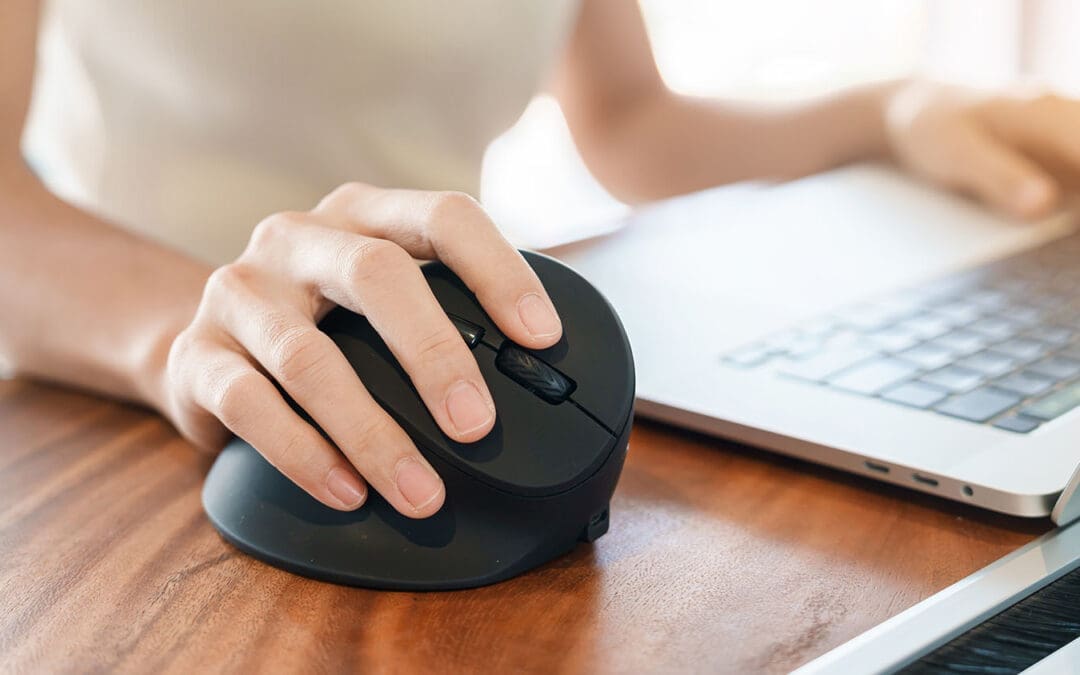
Unlike standard flat mice, an ergonomic mouse curves to match your hand, often tilting upright in a manner similar to a handshake grip. This keeps your wrist straight, easing muscle and nerve strain (Goldtouch, 2023a). At El Paso Back Clinic, we recommend these for patients with desk jobs or those recovering from accidents.
Traditional mice twist your forearm, pinching nerves. Ergonomic designs hold your arm neutrally, reducing fatigue (Logitech, n.d.). For example, Logitech’s MX Vertical tilts at 57 degrees, cutting wrist tension (Logitech, n.d.). Our patients report less pain after switching, helping them work or recover comfortably.
Pick a mouse with thumb rests or adjustable angles to suit your hand. Our clinic guides you to the best choice for your needs (ProtoArc, 2023).
Supporting Natural Posture for Comfort
Your hand’s position affects your entire arm. Regular mice force your wrist to bend inward, stressing bones and nerves (ZDNet, 2023). An ergonomic mouse reduces this twist, called pronation, keeping your hand in a relaxed position (Goldtouch, 2023a).
Studies show these mice cut muscle effort by up to four times (Logitech, n.d.). They also help ease shoulder and neck tension, which is crucial for those recovering from injuries (Kosak Chiropractic, n.d.). At El Paso Back Clinic, we have seen patients benefit from this switch, especially those who have experienced motor vehicle accidents (MVAs) or repetitive strain injuries.
Reducing Repetitive Strain Injuries
Repetitive strain injuries (RSI) from constant clicking cause tingling, numbness, or pain (EffyDesk, 2023). Ergonomic mice minimize hand movements, featuring curves that allow fingers to rest naturally (Goldtouch, 2023b).
Thumb rests stop over-gripping, and lightweight designs make moving easier (ProtoArc, 2023). Our patients, from office workers to MVA survivors, use these to avoid worsening injuries. This supports healing during rehabilitation.
Preventing Carpal Tunnel and Tendonitis
Carpal tunnel syndrome squeezes the wrist’s median nerve, causing tingling or a weak grip. Tendonitis inflames tendons from overuse (FlexiSpot, n.d.). Both are common in desk workers and individuals who have been in accidents. Ergonomic mice open the wrist’s tunnel, reducing pressure by up to 30% (Goldtouch, 2023a).
They also limit bends that inflame tissues (ZDNet, 2023). For tendonitis, less forearm twist eases elbow strain, preventing long-term damage (Lowery Chiropractic, n.d.). El Paso Back Clinic patients who use these mice often stop the progression of injury early.
Setting Up Your Workstation for Health
An ergonomic mouse works best with a properly set-up desk. At El Paso Back Clinic, we recommend adjusting your chair to a 90-degree elbow angle with your feet flat. Keep your mouse at elbow height to avoid reaching (Kosak Chiropractic, n.d.).
Use a keyboard tray to maintain a straight wrist position and set your monitor at eye level to prevent neck strain (Kosak Chiropractic, n.d.). Take hourly breaks—stretch wrists, roll shoulders—to boost blood flow (EffyDesk, 2023). Our team offers personalized tips to make your workspace support recovery.
El Paso Back Clinic’s Holistic Healing Approach
Our clinic blends chiropractic adjustments, acupuncture, and rehabilitation to treat pain holistically. Adjustments realign joints, easing nerve pressure and swelling (Rozenhart Chiropractic, n.d.). For wrist pain, we target hand-to-elbow alignment to relieve carpal tunnel (Lowery Chiropractic, n.d.).
We utilize integrative therapies, such as ultrasound to warm tissues and electrical stimulation to calm nerves (Lowery Chiropractic, n.d.). Nutrition counseling helps reduce inflammation, thereby aiding recovery (Evolve Chiropractic, n.d.). Dr. Jimenez creates custom plans to address the causes of injuries, not just their symptoms.
Dr. Alex Jimenez’s Expertise in Injury Care
Dr. Alex Jimenez, a chiropractor and nurse practitioner, leads El Paso Back Clinic with dual expertise. He treats work, sports, personal, and MVA injuries using advanced neuromusculoskeletal imaging and dual-scope diagnosis to pinpoint issues like nerve compression (Jimenez, n.d.a).
For MVAs, he links whiplash to arm pain, using scans to guide treatment (Jimenez, n.d.b). Care includes adjustments, exercises, and massage to restore function. Acupuncture boosts natural healing (Evolve Chiropractic, n.d.). We also manage legal documentation for injury claims, easing patient stress (Jimenez, n.d.a).
A recent patient, following a motor vehicle accident (MVA), utilized an ergonomic mouse and our care plan. Pain dropped 70% in weeks, avoiding surgery (Jimenez, n.d.b). Dr. Jimenez focuses on natural healing over medication.
Targeted Therapies for Lasting Relief
We pair ergonomic tools with rehab. Grip exercises strengthen the hands, while wrist stretches build flexibility (EffyDesk, 2023). Acupuncture targets specific pain points, and massage helps loosen muscles (Rozenhart Chiropractic, n.d.).
Dr. Jimenez utilizes electro-acupuncture for nerve recovery, which has been shown to be effective for chronic pain (Jimenez, n.d.a). Patients track their progress with pain logs to achieve steady improvement. Our El Paso clinic provides these therapies for seamless care.
Success Stories at El Paso Back Clinic
Anna, a receptionist, switched to an ergonomic mouse and received our adjustments. Her wrist pain faded in weeks, improving her work (Goldtouch, 2023a). Carlos, an MVA survivor, worked with Dr. Jimenez. Adjustments and exercises restored his arm strength (Jimenez, n.d.b).
These stories show our approach delivers. Small changes, combined with expert care, transform lives.
Building a Pain-Free Future
Start with an ergonomic mouse and a tuned workspace. Experience the benefits of our chiropractic care, acupuncture, and nutrition for lasting health. Short walks and breathing exercises boost recovery (Evolve Chiropractic, n.d.).
Visit El Paso Back Clinic for a custom plan. Dr. Jimenez’s team treats all injuries naturally, from desk strain to MVAs (Jimenez, n.d.a). Act early to stay pain-free.
Conclusion: Heal with El Paso Back Clinic
An ergonomic mouse supports natural hand posture, cutting strain. Paired with our chiropractic and integrative care, it helps prevent and manage issues such as carpal tunnel syndrome. Dr. Jimenez’s expertise ensures effective recovery. Call +1 (915) 850-0900 to start your pain-free journey today.
Strumming Without Pain: Chiropractic Solutions for Guitarists and Bassists at El Paso Back Clinic
Playing guitar or bass fills life with rhythm and joy. The thrill of strumming chords or plucking deep notes creates unforgettable moments. But for many string players in El Paso, Texas, this passion can lead to pain. Hours of practice can strain hands, wrists, forearms, elbows, and shoulders, leading to repetitive strain injuries (RSIs) such as tendonitis. These injuries bring swelling, stiffness, and aches that make playing tough. At El Paso Back Clinic, led by Dr. Alexander Jimenez, DC, APRN, FNP-BC, we offer integrative chiropractic care to tackle these issues, helping musicians heal naturally and keep the music alive.
This article explains why guitarists and bassists are prone to RSIs, how tendonitis affects key areas, and how our clinic’s holistic approach—combining chiropractic adjustments, massage, acupuncture, and nutrition—restores health. With insights from Dr. Jimenez’s 30+ years of expertise, we’ll show how El Paso Back Clinic helps local musicians recover from injuries and prevent future pain, so they can strum and pluck without worry.
Why String Players Face Repetitive Strain Injuries
Guitarists and bassists repeat the same motions for hours: fretting chords, strumming strings, or plucking heavy bass lines. These actions stress tendons—the tough bands connecting muscles to bones. Over time, small tears form, which can lead to inflammation or tendonitis. Unlike a one-time injury, RSIs develop gradually from overuse, making them common among musicians (Pianucci et al., 2021).
The fretting hand curls tightly to press strings, while the strumming or plucking arm moves fast. Bassists face extra strain from thicker strings that need more force. Poor posture, like slouching over a guitar, adds pressure to the shoulders and neck. Heavy instruments—guitars at 7-10 pounds and basses up to 12—strain the body more during gigs (Pain Free NY, n.d.). Cold El Paso nights or long jam sessions at local venues like Lowbrow Palace can worsen symptoms by stiffening muscles.
Other factors increase risks. Older players over 40 have less flexible tendons (Bend Total Body Chiropractic, n.d.). Poor habits, such as gripping picks too hard or skipping warm-ups, can speed up strain. Diet matters too—sugary or fatty foods fuel inflammation, slowing recovery (Healthline, 2022). El Paso’s active music scene, with frequent gigs and rehearsals, means local players often push their limits, increasing the risk of RSI.
Where It Hurts: Tendonitis in Musicians’ Bodies
Tendonitis hits specific spots based on how guitarists and bassists play. Here’s where pain strikes:
Hands and Fingers: Fretting chords strains finger tendons, especially at the thumb base. Thumb tendonitis (De Quervain’s) causes sharp pain when gripping the neck. Swelling or a gritty feel signals trouble (Guitar Strength Project, n.d.).
Wrists: Strumming and plucking bend wrists repeatedly, inflaming tendons on top (extensor) or below (flexor). Stiffness after waking or a weak grip are signs. Carpal tunnel syndrome may add tingling or numbness (Rawlogy, n.d.).
Forearms: Constant flexing causes the forearm muscles to burn. Redness, warmth, or lumps show tendonitis. Bassists feel it more from forceful plucks (Healthline, 2022).
Elbows: “Guitar elbow” mimics tennis elbow, with pain on the outer elbow from strained tendons. Inner elbow pain (golfer’s elbow) also hits. Both weaken grip, making it hard to hold picks or instruments (Tennis Elbow Classroom, n.d.).
Shoulders: Holding arms out for chords strains the rotator cuff tendons, causing aches that spread down the arm. Slouching worsens it (Smithsonian Folkways, n.d.).
These areas link up. Hand pain can trigger elbow issues, and shoulder misalignment can strain wrists. Catching early signs—such as soreness or fatigue—prevents more severe problems.
Symptoms That Stop the Show
Tendonitis symptoms creep in but hit hard. Pain starts as a dull ache during play, then sharpens at rest. Swelling puffs up joints, and stiffness locks fingers, especially in the morning. Numbness or tingling buzzes in cold venues, sometimes with fingers turning blue from poor blood flow (Pain Free NY, n.d.). Weakness, drops, and fatigue, as well as burning or throbbing sensations, often linger after gigs. A grating sensation hints at the presence of scar tissue.
For El Paso musicians, long practices for gigs at Tricky Falls or house shows can exacerbate symptoms. Stress from late-night sets or cold weather can cause muscles to tighten, exacerbating pain. If symptoms last for weeks, it’s time to visit El Paso Back Clinic for expert care.
Quick Relief at Home
Before professional help, try these steps to ease tendonitis:
RICE Method: Rest by avoiding play and using splints. Ice for 15 minutes, wrapped, several times daily. Compress with elastic wraps, not too tight. Elevate arms on pillows (Mayo Clinic, 2023).
Meds: Ibuprofen reduces swelling, but ask a doctor first.
Stretches: Gentle wrist circles, finger spreads, or forearm pulls, held 15-30 seconds (Healthline, 2022).
Massage: Use massage balls to roll out knots gently (Rawlogy, n.d.).
Diet: Eat berries, fish, and leafy greens to help combat inflammation. Avoid sugary snacks common at El Paso food trucks.
These help, but don’t address the root cause. For lasting relief, see the experts at El Paso Back Clinic.
Chiropractic Care at El Paso Back Clinic
At El Paso Back Clinic, Dr. Alexander Jimenez and his team utilize chiropractic care to effectively treat RSIs. Adjustments realign joints in the wrist, elbow, or shoulder, freeing nerves and boosting blood flow. For elbow tendonitis, specific adjustments reduce pain and swelling, with patients often regaining full motion in weeks (Stamford Spine, n.d.).
Our clinic checks the whole body. A misaligned shoulder can strain wrists, so we adjust the entire chain. Soft tissue work, such as Graston therapy, breaks down scar tissue in the wrists. Laser therapy reduces inflammation, and taping supports joints during physical activity (Pinnacle Hill Chiropractic, 2024). Regular visits help keep the body aligned, reducing the risk of re-injury by up to 50% (Chiro One, n.d.).
Dr. Jimenez’s dual training as a chiropractor and nurse practitioner ensures precise diagnosis and treatment. Using advanced imaging like MRIs, we pinpoint tendon tears or nerve issues. Treatments are safe, with only mild soreness possible, and tailored to each musician’s needs (Bend Total Body Chiropractic, n.d.).
Integrative Healing for El Paso Musicians
Our integrative approach goes beyond adjustments. We combine:
Massage Therapy: Kneads forearm knots, easing tension from long sets (Beech Street Health, n.d.).
Acupuncture: Calms nerves, reducing wrist tingling for smoother playing.
Exercises: Wrist curls with light weights or finger bands build strength (Chiro One, n.d.).
Nutrition: Collagen supplements and omega-3 fatty acids accelerate tendon repair. We guide patients to local El Paso markets for healthy foods.
Ergonomics: Adjust guitar straps or use lighter picks. Take breaks every 20 minutes during practice (Smithsonian Folkways, n.d.).
This mix helps heal faster and prevents future pain, allowing musicians to stay on stage.
Dr. Jimenez’s Expertise at El Paso Back Clinic
Dr. Alexander Jimenez brings over 30 years of experience to El Paso Back Clinic. His dual-scope approach—combining chiropractic and functional medicine—targets the root causes of injuries. We provide personalized plans for musicians, workers, athletes, and individuals who have experienced accidents. Advanced tools, such as neuromusculoskeletal imaging, can reveal hidden damage, while assessments also consider lifestyle and genetics (Jimenez, n.d.a).
For a local guitarist who was injured in a car accident, we utilized adjustments, massage, and nutrition to restore their fretting ability. Our clinic also handles legal documentation for injury claims, ensuring smooth insurance processes (Jimenez, n.d.b). From whiplash to wrist strain, we help El Paso’s music community heal naturally.
Preventing Pain for Lifelong Playing
Prevention keeps musicians playing. Try these:
Exercises: Wrist stretches, towel twists, or 1-pound weight curls, 10 reps, three times weekly (Healthline, 2022).
Warm-Ups: 10-minute finger flexes and arm circles before gigs.
Technique: Use loose grips and neutral wrists. Alternate hands for songs (No Treble, 2011).
Gear: Ergonomic straps and lighter instruments ease shoulder strain.
Breaks: Rest every 20 minutes. Relax with meditation to cut stress.
El Paso Back Clinic offers tailored plans to keep your body gig-ready.
Keep the Music Playing
Tendonitis doesn’t have to silence your strings. At El Paso Back Clinic, Dr. Jimenez and our team use chiropractic and integrative care to heal RSIs and prevent pain. From hands to shoulders, we address the root causes so you can play without fear. Visit us in El Paso to get back to strumming and plucking with ease.
Contact El Paso Back Clinic at 915-850-0900 or dralexjimenez.com to schedule your consultation today.
Live Pain-Free: Chiropractic and Integrative Care for Injury Recovery at El Paso Back Clinic
In the vibrant heart of El Paso, Texas, where desert trails beckon and hardworking days define our community, injuries can derail your active lifestyle. From car accidents to workplace strains or sports mishaps, overexertion and trauma often lead to pain, stiffness, or chronic issues that linger without proper care. These setbacks can limit your ability to work, play, or enjoy El Paso’s unique spirit. At El Paso Back Clinic, led by Dr. Alexander Jimenez, DC, APRN, FNP-BC, chiropractic and integrative care offer a path to recovery. Through spinal adjustments, soft tissue therapy, and neuromuscular re-education, the clinic accelerates healing, restores flexibility, enhances balance, and boosts heart and lung function. With holistic nutrition and stress management plans, Dr. Jimenez’s team crafts personalized strategies to prevent future injuries, empowering El Pasoans to live pain-free and thrive.
This article explores how injuries arise, the benefits of integrative care, and how El Paso Back Clinic delivers top-tier recovery solutions.
The Impact of Overuse and Accidents: Why Pain Persists
El Paso’s dynamic lifestyle—hiking the Franklin Mountains, working long shifts, or driving busy roads—can strain the body. Overexertion from repetitive tasks like lifting or intense workouts causes sprains, strains, or joint issues. Motor vehicle accidents (MVAs) bring sudden trauma, with 60% of cases leading to lingering pain if untreated (Jimenez, n.d.). Even minor falls at home can spark chronic discomfort.
Dr. Alexander Jimenez, a chiropractor and nurse practitioner with over 30 years of experience, sees these patterns daily. “Our dual-scope diagnostics, combining chiropractic and nursing insights, uncover how trauma or overuse triggers pain cycles,” he shares on his clinic’s site (Jimenez, n.d.). Using advanced neuromusculoskeletal imaging, his team pinpoints root causes, from workplace injuries to MVA trauma. Ignoring early signs, such as stiffness or fatigue, can lead to reduced mobility, increased stress, and sleep disturbances. El Paso Back Clinic’s integrative approach breaks this cycle, restoring health naturally.
Everyday Injuries: From Crashes to Chronic Strains
Injuries vary but share a common impact: they disrupt your life. MVAs cause neck and back pain, limiting movement. Work-related strains, like those from lifting or repetitive tasks, create nagging discomfort. Sports injuries, such as twisted ankles or knees, sideline active El Pasoans. Personal falls at home can lead to shoulder or hip pain, while untreated stress may cause chronic conditions like joint stiffness.
Dr. Jimenez’s clinic tackles these with precision. “We connect injury origins—crashes, work tasks, or sports—to customized treatments,” he explains. MVAs receive urgent care with legal documentation for claims. Work injuries get rehab to restore function, and sports or personal injuries benefit from targeted plans to prevent recurrence. Without care, these issues worsen, lowering the quality of life. El Paso Back Clinic’s chiropractic and integrative methods pave the way to recovery.
Realigning for Relief: The Power of Spinal Adjustments
Spinal adjustments are the foundation of chiropractic care at El Paso Back Clinic. These precise, hands-on techniques realign vertebrae, easing nerve pressure and restoring balance to the body. Injuries from accidents or overuse misalign the spine, causing pain and impaired movement. Adjustments can boost blood flow, reduce inflammation, and alleviate pain by up to 25% in as little as a few weeks (Trident Health Chiropractic, n.d.).
For MVA patients, adjustments relieve neck stiffness, restoring mobility. Work injury patients regain strength for daily tasks. Dr. Jimenez’s approach is unique: “We use imaging to guide adjustments, targeting issues from trauma or strains,” he says. Legal reports ensure MVA patients have clear records for claims. From athletes to office workers, adjustments help El Pasoans move freely and heal quickly.
Healing Muscles: Soft Tissue Therapy for Recovery
Injuries tighten muscles, creating knots that misalign joints and prolong pain. Soft tissue therapy, like massage or myofascial release, targets these areas, breaking up scar tissue and boosting circulation. This delivers nutrients to damaged tissues, speeding recovery. A single session can significantly reduce healing time, getting you back to work or play faster (Yoder Chiropractic Center, n.d.).
Picture a construction worker with shoulder pain from heavy lifting. Therapy loosens tightness, improving arm range. MVA patients find relief from neck strain. Dr. Jimenez’s team pairs therapy with imaging for precision. “We treat trauma from accidents or sports non-surgically,” he notes. Legal documentation tracks progress for claims, prioritizing natural healing. Patients feel relaxed, move more easily, and recover more quickly.
Injuries disrupt nerve-muscle communication, resulting in shaky balance or impaired movements. Neuromuscular re-education uses exercises like balance drills or resistance training to retrain these pathways, reducing fall risks and boosting confidence. A soccer player with a sprained ankle, for example, regains stability, thereby lowering the odds of re-injury (Integrative Chiropractic, n.d.).
Dr. Jimenez’s clinic excels here. “We link nerve issues to injury histories, guiding re-education for MVA, work, or sports recovery,” he says. A retail worker with back pain learns core-strengthening moves; an MVA patient rebuilds neck control. Legal reports detail progress for claims, ensuring comprehensive care. This sharpens coordination, making daily tasks and active pursuits feel natural again.
Faster Healing, Better Mobility: Recovery and Flexibility Gains
Chiropractic care at El Paso Back Clinic speeds healing by optimizing body systems. Adjustments and therapy reduce swelling, allowing tissues to mend faster—often in weeks, not months (Abundant Life Chiropractor, n.d.). Flexibility improves as tight muscles and joints stretch safely. A warehouse worker lifts without strain; an accident victim moves freely again.
Dr. Jimenez’s holistic plans amplify results. “Targeted exercises and adjustments build lasting mobility, preventing chronic issues,” he says. Nutrition tips, like anti-inflammatory foods, fuel healing. MVA and work cases get legal-grade documentation, aligning care with claims. El Pasoans recover quickly, staying active in our vibrant community.
Balance and coordination are key to preventing injuries and enhancing daily function. Re-education drills steady wobbly steps, helping MVA victims or athletes avoid falls. A delivery driver navigates uneven terrain easily post-care. Chiropractic also boosts stamina by freeing the spine for deeper breaths, improving oxygen flow and endurance (ASR Sports Medicine, n.d.).
Jimenez’s integrative approach shines: “Acupuncture and massage enhance flow, boosting stamina for work or sports.” Virtual coaching reinforces gains, and legal support ensures MVA patients have clear records. Patients work longer, play harder, and live stronger.
Whole-Person Healing: Nutrition, Stress, and Custom Plans
El Paso Back Clinic’s functional medicine approach goes beyond physical fixes. Nutrition advice—like omega-3s or antioxidant-rich fruits—fights inflammation and boosts energy. Stress management, such as mindfulness or breathing exercises, eases tension, aiding sleep and recovery. Personalized plans fit your injury, lifestyle, and goals.
Dr. Jimenez leads the way. “We uncover root causes—poor diet, stress—and craft plans with acupuncture or massage,” he says. MVA or work injuries get detailed reports for legal cases, prioritizing natural healing. Patients receive plans tailored to their El Paso lives, ensuring lasting wellness.
El Paso Back Clinic: Your Trusted Recovery Partner
At El Paso Back Clinic, Dr. Alexander Jimenez combines chiropractic and nursing expertise for exceptional care. Awarded from 2015 to 2024, his team treats MVAs, work strains, sports injuries, and personal falls with precision. “Our imaging and dual expertise catch hidden issues,” he says. A crash victim drives pain-free in weeks. A nurse lifts patients again. Legal documentation supports MVA and work cases, while virtual coaching and nutrition webinars empower long-term health.
Patients praise the results: “Dr. Jimenez restored my mobility and energy,” one shares. From veterans to families, his care transforms lives, helping El Pasoans thrive.
Preventing Future Pain: A Strategy for Lifelong Wellness
Prevention keeps you active. Regular chiropractic checkups spot misalignments early, cutting injury risks by 20% (Erie Chiro, n.d.). Holistic habits—such as balanced diets, stress relief, and smart exercise—build resilience. Dr. Jimenez’s team creates plans for workers, athletes, or retirees. “We flag risks like posture or stress early, ensuring lasting health,” he notes.
With care, education, and documentation, El Pasoans live pain-free, embracing our city’s vibrant spirit.
Enhancing Body Detox Through Exercise and Chiropractic Care at El Paso Back Clinic
Maintaining a healthy body in today’s busy world goes beyond just eating well. Your body naturally removes toxins through various organs, including the liver, kidneys, lungs, skin, and lymphatic system. Stress, poor posture, or injuries from accidents can slow these processes, leading to fatigue or discomfort. At El Paso Back Clinic®, led by Dr. Alexander Jimenez, DC, APRN, FNP-BC, we combine targeted exercise, chiropractic care, and integrative therapies to support your body’s natural detox systems. This 5,000-word guide explores sports and activities that boost circulation, stimulate lymph flow, and promote healthy sweating, paired with our clinic’s expertise in injury recovery and wellness to enhance overall health.
Your Body’s Natural Detox Systems
Your body is designed to eliminate waste daily. The liver filters blood, kidneys flush out liquids, lungs exhale waste gases, skin releases toxins through sweat, and the lymphatic system drains excess fluid and fights infection (Fontana Candle Company, n.d.). When these systems are sluggish—due to inactivity, poor alignment, or injury—toxins can accumulate, leading to fatigue, joint pain, or skin issues.
At El Paso Back Clinic®, we understand how spinal misalignments or injuries from motor vehicle accidents (MVAs), work, or sports can disrupt these pathways. Exercise gets blood and lymph moving, sweating clears the skin, and chiropractic adjustments align the spine to optimize nerve signals to detox organs. Integrative therapies, such as massage and acupuncture, further enhance flow by working together to support your body without replacing its natural processes.
Sports and Activities to Boost Circulation
Good blood flow is vital for detox, delivering oxygen and nutrients while removing waste. At El Paso Back Clinic®, we recommend cardio-based activities tailored to your needs, especially for patients recovering from injuries like whiplash or joint strains.
Brisk Walking or Jogging: These low-impact exercises increase heart rate and improve blood vessel health, reducing inflammation (Avicenna Cardiology, n.d.). For MVA patients, walking is a safe start to rebuild mobility.
Swimming: Ideal for those with joint pain, swimming works the whole body while supporting circulation. Dr. Jimenez often prescribes it for sports injury recovery due to its gentle nature (Jimenez, n.d.a).
Cycling: Stationary or outdoor biking strengthens legs and boosts lower-body circulation. It’s great for work-related injury patients, as it avoids high impact (One Leisure, n.d.).
Team Sports: Activities like soccer or basketball involve bursts of running and jumping, enhancing overall flow. These are excellent for younger patients or those in sports wellness programs at our clinic.
Start with 30 minutes, five days a week, adjusting based on your recovery plan. Our team assesses your condition—using advanced neuromusculoskeletal imaging—to ensure activities match your health goals (Jimenez, n.d.b).
Activating the Lymphatic System Through Movement
The lymphatic system, your body’s drainage network, relies on muscle movement to function. Without a pump like the heart, it needs activities to keep fluid flowing. At El Paso Back Clinic®, we integrate lymph-stimulating exercises into treatment plans for patients with swelling or pain from injuries.
Rebounding: Bouncing on a mini-trampoline creates a pumping action, moving lymph up to 15 times more effectively than walking (Cancer Schmancer, n.d.). It’s ideal for post-MVA recovery to reduce swelling.
Yoga: Poses like downward dog or cat-cow use gravity and muscle engagement to drain lymph nodes. Yoga also reduces stress, which can clog lymph flow. We offer guided sessions for patients with back pain or sciatica.
Pilates: Controlled movements strengthen the core, massage organs, and boost lymph circulation. It’s part of our rehabilitation for degenerative arthritis.
Hiking: El Paso’s trails provide uneven terrain that engages muscles, promoting lymph flow. It’s recommended for patients transitioning back to active lifestyles post-injury.
Dr. Jimenez’s dual-scope diagnosis—combining chiropractic and nurse practitioner expertise—identifies lymph blockages from injuries like sprains or MVAs. Using imaging, we create personalized plans to restore flow and prevent chronic issues (Jimenez, n.d.a).
Sweating for Effective Detox
Sweating is a powerful way to eliminate toxins through the skin, your largest organ. Research shows sweat can remove heavy metals and chemicals like BPA more effectively than urine (Samahita Retreat, n.d.). At El Paso Back Clinic®, we encourage healthy sweating as part of recovery and wellness.
Hot Yoga: Combining heat and movement, hot yoga opens pores and boosts circulation. It’s ideal for patients with musculoskeletal inflammation, as it reduces stiffness (HCMedSpa, n.d.).
Running: Moderate runs in El Paso’s climate induce clean sweat, flushing impurities. We recommend it for patients recovering from sports injuries to maintain their fitness.
Infrared Saunas: These use light to heat the body, promoting deep detox without excessive heat. They’re part of our integrative approach for patients with chronic pain (Pause Studio, n.d.).
Hydration is key—drink water before and after sweating. Dr. Jimenez often pairs sauna sessions with adjustments for MVA patients, as inflammation from injuries can trap toxins (Jimenez, n.d.b). Dry brushing before sweating further enhances lymph and skin detox.
Chiropractic Care at El Paso Back Clinic
Chiropractic adjustments realign the spine, relieving nerve pressure to optimize organ function, including the detoxification system. Misalignments from MVAs, work injuries, or poor posture can disrupt nerve signals to the liver or kidneys (Recovery Chiropractic, n.d.). At El Paso Back Clinic®, we use techniques like the Thompson Drop-Table to gently correct these issues, improving immune and detox function.
Dr. Jimenez’s clinic specializes in treating severe pain, sciatica, neck/back issues, whiplash, and sports injuries. Using advanced imaging, we diagnose misalignments or nerve impingements, then tailor adjustments to each patient. For example, a worker with a back strain from lifting might receive adjustments and therapeutic exercises to restore alignment and mobility (Jimenez, n.d.a). We also provide legal documentation for injury cases, ensuring proper care coordination with insurance or legal teams.
Integrative Therapies for Holistic Healing
At El Paso Back Clinic®, we combine chiropractic with integrative therapies to enhance detox and recovery:
Massage Therapy: Deep tissue massage releases toxins from muscles and improves lymph drainage. It’s used for MVA patients with whiplash or joint pain to speed healing (Bend Total Body Chiropractic, n.d.).
Acupuncture: Thin needles are inserted into specific energy points to reduce pain and enhance circulation. It’s effective for personal injuries or chronic conditions, such as arthritis, by balancing the body’s qi (Jimenez, n.d.b).
Nutritional Guidance: Our nutritionists design anti-inflammatory diets to support detox during recovery, especially for MVA or sports injury patients (El Paso Back Clinic, n.d.).
These therapies work synergistically with adjustments. For instance, a patient with a bicycle accident injury might receive spinal adjustments, massage to reduce muscle tension, and acupuncture to ease inflammation, preventing long-term complications.
How These Practices Work Together
Imagine visiting El Paso Back Clinic for an adjustment to align your spine, which improves nerve signals and helps detoxify organs. You follow with a yoga class to stimulate lymph and sweat, then a massage to release muscle toxins. Weekly walks keep circulation steady. This combination maximizes each method’s benefits: adjustments clear nerve pathways, exercise pumps blood and lymph, and integrative care reduces inflammation.
For athletes, this synergy prevents injuries and speeds recovery. A soccer player with a knee sprain may undergo imaging to assess the damage, receive adjustments to align the pelvis, and participate in targeted exercises to rebuild strength (Phoenix Rising Wellness Center, n.d.). For everyday El Pasoans, it’s about wellness—chiropractic keeps the spine healthy, exercise maintains fitness, and therapies like acupuncture promote balance.
Real-Life Benefits and Safety Tips
Patients at El Paso Back Clinic report increased energy, reduced pain, and improved mobility after combining these approaches. Studies show exercise and chiropractic care lower inflammation, aiding detox (HCMedSpa, n.d.). Our clinic’s MVA patients often see faster recovery from whiplash or spinal injuries when pairing adjustments with movement and nutrition plans.
Safety is a priority. Dr. Jimenez uses dual-scope diagnostics to assess injuries from work, sports, or MVAs, ensuring exercises suit your condition (Jimenez, n.d.b). Consult our team before starting, especially with heart issues or severe injuries. Hydrate during sweat sessions, and stop if you feel pain.
For accident cases, we provide detailed legal documentation, ensuring treatments align with insurance or court needs, as seen in our MVA recovery programs (El Paso Back Clinic, n.d.).
Your Detox and Wellness Plan at El Paso Back Clinic
Start with a chiropractic assessment at El Paso Back Clinic®, followed by three cardio sessions (like walking or cycling), two yoga classes, and a monthly massage. Add acupuncture for pain relief. Track your energy and mobility—feeling better is a sign it’s working.
Dr. Jimenez and our team in El Paso tailor plans to your needs, whether you are recovering from an 18-wheeler crash or maintaining wellness. Our advanced diagnostics and integrative approach address injury causes, promoting natural healing and long-term health (Jimenez, n.d.a).
Conclusion
At El Paso Back Clinic®, we believe in supporting your body’s natural detox through exercise, chiropractic care, and integrative therapies. From boosting circulation with swimming to stimulating lymphatic flow with yoga and clearing toxins through sweat, these practices work together to enhance overall health. Paired with Dr. Jimenez’s expertise in injury recovery and wellness, you can thrive in El Paso’s active community. Visit us to start your journey to optimal health.
IFM's Find A Practitioner tool is the largest referral network in Functional Medicine, created to help patients locate Functional Medicine practitioners anywhere in the world. IFM Certified Practitioners are listed first in the search results, given their extensive education in Functional Medicine