Back Clinic Auto Accident Injuries Chiropractic and Physical Therapy Team. Many automobile accidents occur throughout the world every year, affecting a wide number of individuals, both physically and mentally. From neck and back pain to bone fractures and whiplash, auto accident injuries and their associated symptoms can challenge the daily lives of those who experienced unexpected circumstances.
Dr. Alex Jimenez’s collection of articles discusses auto injuries caused by trauma, including which specific symptoms affect the body and the particular treatment options available for each injury or condition resulting from an auto accident. Being involved in a motor vehicle accident can not only lead to injuries but they can be full of confusion and frustrations.
It is very important to have a qualified provider specializing in these matters completely assess the circumstances surrounding any injury. For more information, please feel free to contact us at (915) 850-0900 or text to call Dr. Jimenez personally at (915) 540-8444.
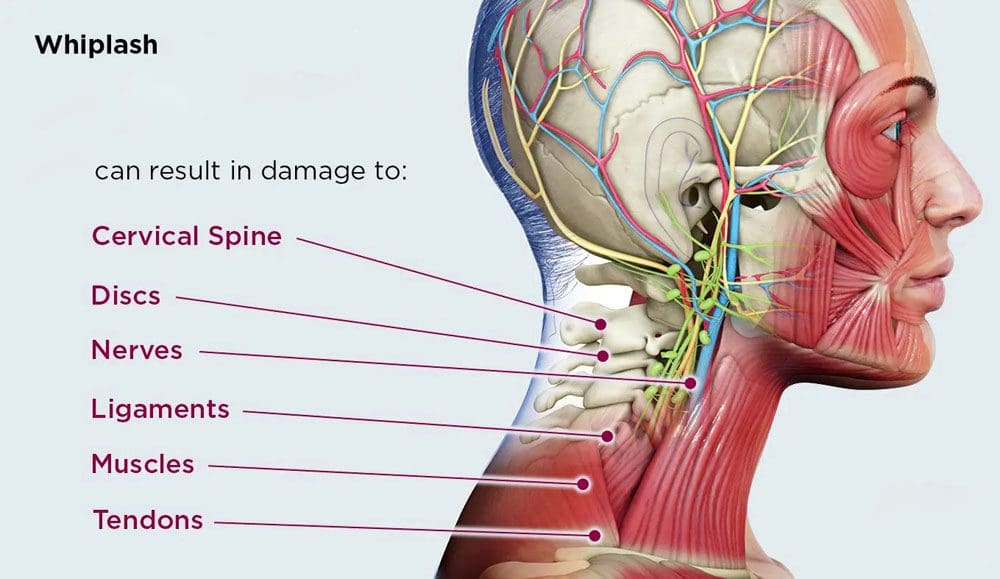
Experiencing a whiplash injury can be disorienting and painful. Can recognizing the signs of more serious complications, seeking timely medical intervention, and following a structured whiplash rehabilitation plan help individuals find relief and restore function and quality of life?
Whiplash Rehabilitation
For individuals who have recently been in an automobile accident, once the initial neck pain and stiffness have passed, it’s crucial to recognize potential delayed symptoms, such as nerve damage. While many recover quickly, some may experience prolonged symptoms requiring more aggressive treatment and management.
Neck Injury
Whiplash injuries result from sudden, forceful whipping back and forth of the head, commonly occurring in rear-end vehicle collisions, and are one of the most common neck injuries. Other potential causes include: (Johns Hopkins Medicine, 2024)
Following a healthcare provider’s recommendations regarding medication use, including dosage and duration, is critical to managing symptoms while effectively minimizing potential side effects.
Rehabilitation Steps
To determine the appropriate treatment whiplash rehabilitation plan, a healthcare provider will assess how much the pain affects daily life, including mental health and the ability to do regular activities (American Academy of Physical Medicine and Rehabilitation, 2024). X-rays or other imaging tests will be done to determine how serious the damage to the neck or spine is. Resting and icing the injured area are recommended to relieve inflammation. A provider may recommend slowly increasing neck movements several times daily and continuing with normal daily activities, as exercise will help maintain flexibility. Not moving the neck may prolong pain, stiffness, and healing. Physical therapy may be recommended if symptoms continue for over one or two weeks. (American Academy of Physical Medicine and Rehabilitation, 2024)
Symptoms last longer than the healthcare provider estimated
Other symptoms develop, like weakness, numbness, or a sensation of pins and needles.
Long-Term Injury Side Effects
Individuals in whiplash rehabilitation usually recover in a few weeks to months, but some may have longer-lasting pain as the injury can cause nerve damage. (Fundaun J. et al., 2022) Discuss any new or worsening symptoms with a healthcare provider for guidance. (Johns Hopkins Medicine, 2024)
Over-the-counter pain relievers, such as acetaminophen or NSAIDs.
Muscle relaxants for tightness and tension.
Prescription pain medications.
If pain becomes chronic, antidepressants such as serotonin and norepinephrine reuptake inhibitors may be prescribed. These medications can help manage pain and improve sleep quality. (Ferreira G. E. et al., 2023) For severe inflammation and pain, corticosteroid injections directly into the affected area can provide relief. Healthcare providers administer these injections, offering long-lasting effects. (Harvard Health Publishing, 2015)
Injury Medical Chiropractic and Functional Medicine Clinic
Navigating a whiplash injury can be challenging, but understanding the whiplash rehabilitation process can significantly aid in recovery. A healthcare provider can determine the most effective treatment strategies. It is important to talk with a healthcare provider to determine the cause and extent of the injury to provide individualized patient education regarding treatment. This can include physical therapy, rest, health coaching, medication, and surgery, which may be recommended in certain cases. Overcoming these limitations is possible. Injury Medical Chiropractic and Functional Medicine Clinic works with primary healthcare providers and specialists to develop an optimal health and wellness solution. We focus on what works for you to relieve pain, restore function, prevent injury, and help mitigate the pain through spinal adjustments that help the body realign itself. They can also work with other medical professionals to integrate a treatment plan to resolve musculoskeletal issues.
American Academy of Physical Medicine and Rehabilitation. (2024). Cervical whiplash. https://www.aapmr.org/about-physiatry/conditions-treatments/musculoskeletal-medicine/cervical-whiplash
Rush University Medical Center. (2014). 5 facts about whiplash. https://www.rush.edu/news/5-facts-about-whiplash
National Library of Medicine. MedlinePlus. (2024). Whiplash. Retrieved from https://medlineplus.gov/ency/imagepages/9853.htm
National Health Service NHS. (2023). Whiplash. https://www.nhs.uk/conditions/whiplash/
University of Rochester Medical Center. (2024). Whiplash injury. https://www.urmc.rochester.edu/encyclopedia/content.aspx?contenttypeid=85&contentid=p01388
National Library of Medicine. MedlinePlus. (2020). Pregabalin. Retrieved from https://medlineplus.gov/druginfo/meds/a605045.html
Fundaun, J., Kolski, M., Baskozos, G., Dilley, A., Sterling, M., & Schmid, A. B. (2022). Nerve pathology and neuropathic pain after whiplash injury: a systematic review and meta-analysis. Pain, 163(7), e789–e811. https://doi.org/10.1097/j.pain.0000000000002509
National Institute of Arthritis and Musculoskeletal and Skin Diseases. (2023). Back pain: diagnosis, treatment, and steps to take. Retrieved from https://www.niams.nih.gov/health-topics/back-pain/diagnosis-treatment-and-steps-to-take
Ferreira, G. E., Abdel-Shaheed, C., Underwood, M., Finnerup, N. B., Day, R. O., McLachlan, A., Eldabe, S., Zadro, J. R., & Maher, C. G. (2023). Efficacy, safety, and tolerability of antidepressants for pain in adults: overview of systematic reviews. BMJ (Clinical research ed.), 380, e072415. https://doi.org/10.1136/bmj-2022-072415
Harvard Health Publishing. (2015). New recommendations aim to improve safety of pain-relieving spinal steroid injections. Harvard Health Publishing
Harvard Medical School. https://www.health.harvard.edu/blog/new-recommendations-aim-to-improve-safety-of-pain-relieving-spinal-steroid-injections-201505077991
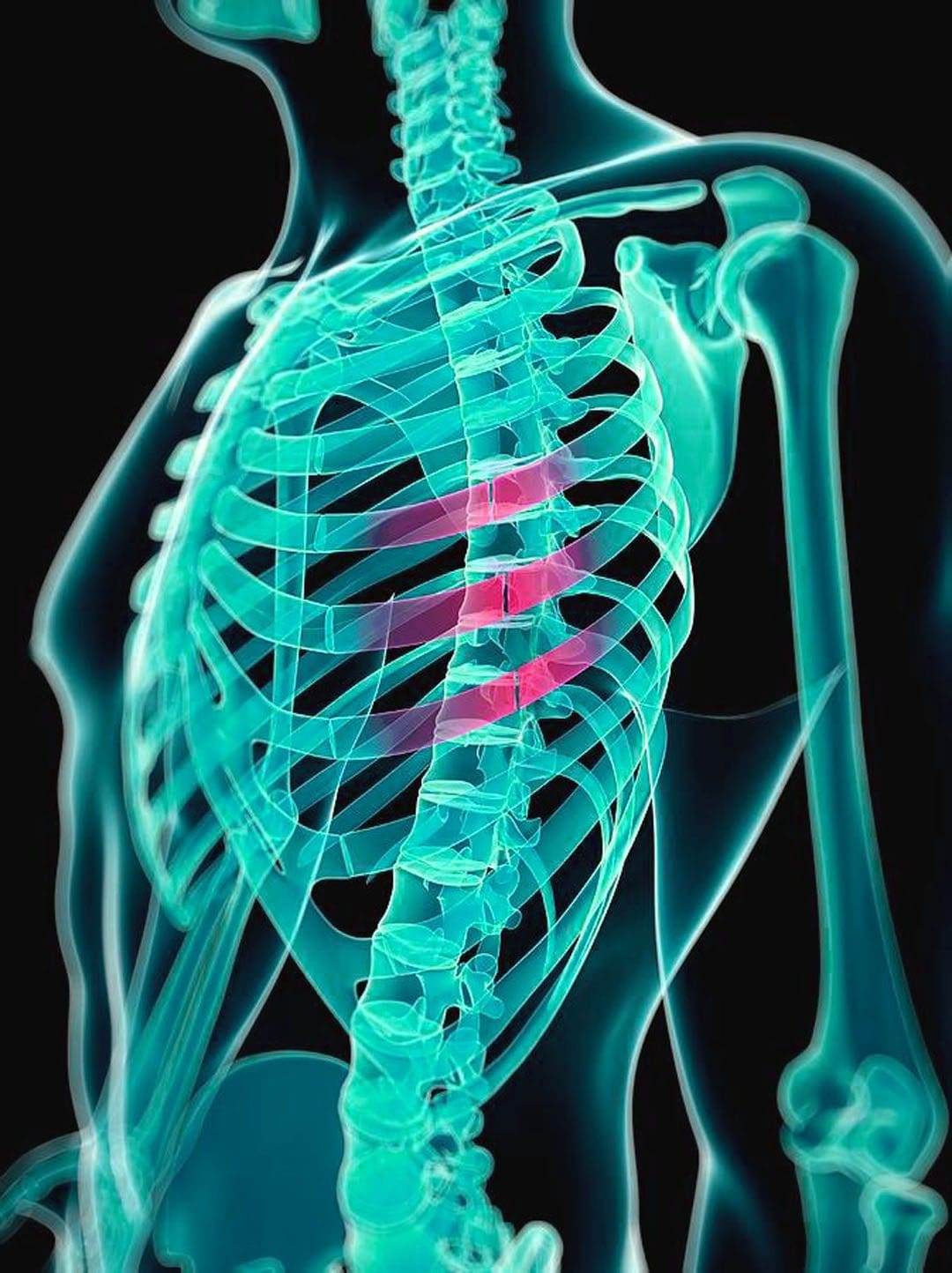
Individuals may not realize they have a cracked rib until symptoms like pain when taking in a deep breath begin to present. Can knowing the symptoms and causes of cracked or broken ribs help in diagnosis and treatment?
Cracked Rib
A broken/fractured rib describes any break in the bone. A cracked rib is a type of rib fracture and is more a description than a medical diagnosis of a rib that has been partially fractured. Any blunt impact to the chest or back can cause a cracked rib, including:
Falling
Vehicle collision
Sports injury
Violent coughing
The main symptom is pain when inhaling.
The injury typically heals within six weeks.
Symptoms
Cracked ribs are usually caused by a fall, trauma to the chest, or intense violent coughing. Symptoms include:
Swelling or tenderness around the injured area.
Chest pain when breathing/inhaling, sneezing, laughing, or coughing.
Chest pain with movement or when lying down in certain positions.
Possible bruising.
Although rare, a cracked rib can cause complications like pneumonia.
See a healthcare provider immediately if experiencing difficulty breathing, severe chest pain, or a persistent cough with mucus, high fever, and/or chills.
Types
In most cases, a rib usually gets broken in one area, causing an incomplete fracture, which means a crack or break that does not go through the bone. Other types of rib fractures include:
Displaced and Nondisplaced Fractures
Completely broken ribs may or may not shift out of place.
If the rib does move, this is known as a displaced rib fracture and is more likely to puncture lungs or damage other tissues and organs. (Yale Medicine. 2024)
A rib that stays in place usually means the rib is not completely broken in half and is known as a nondisplaced rib fracture.
Flail Chest
A section of the ribcage can break away from the surrounding bone and muscle, although this is rare.
If this happens, the ribcage will lose stability, and the bone will move freely as the individual inhales or exhales.
This broken ribcage section is called a flail segment.
This is dangerous as it can puncture the lungs and cause other serious complications, like pneumonia.
Causes
Common causes of cracked ribs include:
Vehicle collisions
Pedestrian accidents
Falls
Impact injuries from sports
Overuse/Repetitive stress brought on by work or sports
Severe coughing
Older individuals can experience a fracture from a minor injury due to the progressive loss of bone minerals. (Christian Liebsch et al., 2019)
The Commonality of Rib Fractures
Rib fractures are the most common type of bone fracture.
They account for 10% to 20% of all blunt trauma injuries seen in emergency rooms.
In cases where an individual seeks care for a blunt injury to the chest, 60% to 80% involve a broken rib. (Christian Liebsch et al., 2019)
Diagnosis
A cracked rib is diagnosed with a physical exam and imaging tests. During the examination, a healthcare provider will listen to the lungs, press gently on the ribs, and watch as the rib cage moves. The imaging test options include: (Sarah Majercik, Fredric M. Pieracci 2017)
X-rays – These are for detecting recently cracked or broken ribs.
CT Scan – This imaging test comprises multiple X-rays and can detect smaller cracks.
MRI – This imaging test is for soft tissues and can often detect smaller breaks or cartilage damage.
Bone Scan – This imaging test uses a radioactive tracer to visualize the structure of bones and can show smaller stress fractures.
Treatment
In the past, treatment used to involve wrapping the chest with a band known as a rib belt. These are rarely used today as they can restrict breathing, increasing the risk of pneumonia or even a partial lung collapse. (L. May, C. Hillermann, S. Patil 2016). A cracked rib is a simple fracture that requires the following:
Rest
Over-the-counter or prescription medications can help manage pain symptoms.
Nonsteroidal anti-inflammatory drugs – NSAIDs like ibuprofen or naproxen are recommended.
If the break is extensive, individuals may be prescribed stronger pain medication depending on the severity and underlying conditions.
Physical therapy can expedite the healing process and help maintain the range of motion of the chest wall.
For patients who are frail and elderly individuals, physical therapy can help the patient walk and normalize certain functions.
A physical therapist can train the individual to transfer between bed and chairs safely while maintaining awareness of any movements or positioning that make the pain worse.
A physical therapist will prescribe exercises to keep the body as strong and limber as possible.
For example, lateral twists can help improve the range of motion in the thoracic spine.
During the early stages of recovery, it is recommended to sleep in an upright position.
Lying down can add pressure, causing pain and possibly worsen the injury.
Use pillows and bolsters to help support sitting up in bed.
What may feel like a cracked rib may be a similar condition, which is why it’s important to get checked out. Other possible symptom causes can include:
Bruised ribs – This occurs when the ribs are not cracked, but the smaller blood vessels around the region burst and leak into surrounding tissues. (Sarah Majercik, Fredric M. Pieracci 2017)
Pulled muscle – A muscle strain, or pulled muscle, occurs when the muscle gets overstretched, which can lead to a tear. The ribs are not affected, but it can feel like they are. (Sarah Majercik, Fredric M. Pieracci 2017)
Emergency
The most common complication is being unable to take a deep breath because of the pain. When the lungs cannot breathe deeply enough, mucous and moisture can build up and lead to an infection like pneumonia. (L. May, C. Hillermann, S. Patil 2016). Displaced rib fractures can also damage other tissues or organs, increasing the risk of a collapsed lung/pneumothorax or internal bleeding. It is recommended to seek immediate medical attention if symptoms develop like:
Shortness of breath
Difficulty breathing
A bluish color of the skin caused by lack of oxygen
A persistent cough with mucus
Chest pain when breathing in and out
Fever, sweating, and chills
Rapid heart rate
The Power of Chiropractic Care In Injury Rehabilitation
Liebsch, C., Seiffert, T., Vlcek, M., Beer, M., Huber-Lang, M., & Wilke, H. J. (2019). Patterns of serial rib fractures after blunt chest trauma: An analysis of 380 cases. PloS one, 14(12), e0224105. https://doi.org/10.1371/journal.pone.0224105
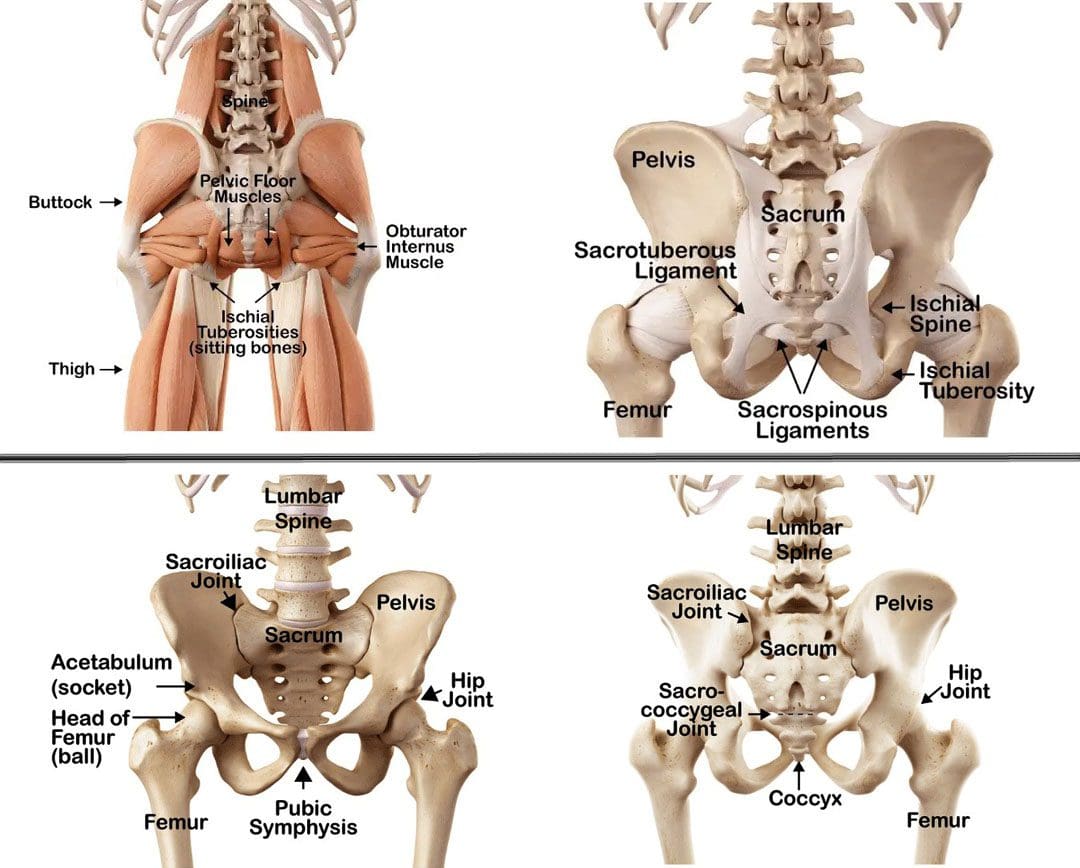
As one of the most load-bearing joints in the body, the hips nearly affect every movement. If the hip joint is involved in a vehicle crash, the space in the joint/hip capsule can fill with fluid, causing joint effusion or swelling, inflammation, dull-immobilizing pain, and stiffness. Hip pain is a common injury symptom reported after a vehicle crash. This pain can range from mild to severe and may be short-term or last for months. No matter the level of pain being experienced, action must be taken quickly to avoid long-term damage. Individuals need high-quality, patient-focused care from experienced specialists as soon as possible to get on the road to recovery.
Vehicle Crash Hip Injury
The hip joints must be healthy and work as effectively as possible to stay active. Arthritis, hip fractures, bursitis, tendonitis, injuries from falls, and automobile collisions are the most common causes of chronic hip pain. Depending upon the type of injury, individuals may experience pain symptoms in the thigh, groin, inside of the hip joint, or buttocks.
Associated Injuries
The most common injuries that cause pain in the hip after a collision include:
A hip ligament sprain or strain is caused by overstretched or torn ligaments.
These tissues attach bones to other bones and provide stability to the joints.
These injuries may only require rest and ice to heal, depending on the severity.
Chiropractic, decompression, and physical massage therapies may be necessary for realignment and to keep muscles flexible and relaxed.
Bursitis
Bursitis is an inflammation of the bursa, or the fluid-filled sac providing cushioning/material between bones and muscles.
It is one of the main causes of hip pain after an automobile collision and requires immediate medical attention.
Tendonitis
Tendonitis is a type of injury that affects soft tissues like tendons and ligaments, as opposed to bone and muscle.
Tendonitis can result in chronic pain and various discomfort symptoms in and around the hip area if left untreated.
Hip Labral Tear
A hip labral tear is a type of joint damage in which the soft tissue/labrum that covers the hip’s socket gets torn.
The tissue ensures that the thighbone head moves smoothly within the joint.
Damage to the labrum can lead to severe pain symptoms and affect mobility.
Hip Dislocation
A hip dislocation means the femur ball has popped out of the socket, causing the upper leg bone to slide out of place.
Hip dislocations can cause avascular necrosis, which is the death of bone tissue from a blockage in the blood supply.
Hip Fractures
The hip bones can be broken down into three parts:
Ilium
Pubis
Ischium
A hip fracture, or broken hip, occurs whenever a break, crack, or crush happens to any one of these parts of the hip.
Acetabular Fracture
An acetabular fracture is a break or a crack outside the hip socket that holds the hip and thigh bones together.
A fracture to this body part is not as common because of the location.
Significant force and impact are often necessary to cause this type of fracture.
Symptoms
If any of the following symptoms after a vehicle crash are experienced, it could be a hip injury and should be examined by a medical professional. These include:
Soreness or tenderness at the site of injury.
Bruising.
Swelling.
Difficulty moving the hip/s.
Intense pain when walking.
Limping.
Loss of muscle strength.
Abdominal pain.
Knee pain.
Groin pain.
Treatment and Rehabilitation
A doctor or specialist should always evaluate hip problems and pain symptoms. With the help of a physical examination and diagnostics like X-rays, CT Scans, or an MRI, a physician can diagnose and recommend treatment options. Treatment after a vehicle crash depends on the severity of the damage. For example, hip fractures often require immediate surgery, while other injuries may only necessitate medication, rest, and rehabilitation. Possible treatment plans include:
Rest
Pain, muscle relaxants, and anti-inflammatory medication.
Surgery – after surgery, a physical therapist can help stretch and work on muscles around the hip to gain mobility and flexibility for a complete recovery.
Total hip replacement
Our team collaborates with the necessary specialists to provide the complete care needed to experience full recovery and healing for long-term relief. The team will work together to form a comprehensive treatment plan to strengthen the hip muscles for better support and increased range of motion.
Movement as Medicine
References
Cooper, Joseph, et al. “Hip dislocations and concurrent injuries in motor vehicle collisions.” Injury vol. 49,7 (2018): 1297-1301. doi:10.1016/j.injury.2018.04.023
Fadl, Shaimaa A, and Claire K Sandstrom. “Pattern Recognition: A Mechanism-based Approach to Injury Detection after Motor Vehicle Collisions.” Radiographics: a review publication of the Radiological Society of North America, Inc vol. 39,3 (2019): 857-876. doi:10.1148/rg.2019180063
Frank, C J et al. “Acetabular fractures.” The Nebraska medical journal vol. 80,5 (1995): 118-23.
Masiewicz, Spencer, et al. “Posterior Hip Dislocation.” StatPearls, StatPearls Publishing, 22 April 2023.
Monma, H, and T Sugita. “Is the mechanism of traumatic posterior dislocation of the hip a brake pedal injury rather than a dashboard injury?.” Injury vol. 32,3 (2001): 221-2. doi:10.1016/s0020-1383(00)00183-2
Patel, Vijal, et al. “The association between knee airbag deployment and knee-thigh-hip fracture injury risk in motor vehicle collisions: A matched cohort study.” Accident; Analysis and Prevention vol. 50 (2013): 964-7. doi:10.1016/j.aap.2012.07.023
Many individuals are constantly in their vehicles and driving from one place to another in the quickest amount of time. When auto accidents occur, numerous effects can affect many individuals, especially their bodies and mentality. The emotional impact of an auto accident can change a person’s quality of life and take a toll on the person as they become miserable. Then there is the physical side, where the body lunges forward rapidly, causing excruciating pain in the upper and lower portions. The muscles, ligaments, and tissues become overstretched beyond their capacity causing pain-like symptoms to develop and overlap other risk profiles. Today’s article discusses the effects of an auto accident occurs on the body, the symptoms associated with auto accidents, and how treatment like chiropractic care utilizes techniques like the MET technique to assess the body. We provide information about our patients to certified medical providers that offer available therapy techniques like MET (muscle energy techniques) for individuals dealing with back and neck pain associated with auto accidents. We encourage each patient appropriately by referring them to our associated medical providers based on their diagnosis results. We accept that education is a spectacular way when asking our providers the most crucial questions at the patient’s acknowledgment. Dr. Alex Jimenez, D.C., assesses this information as an educational service. Disclaimer
The Effects Of An Auto Accident On The Body
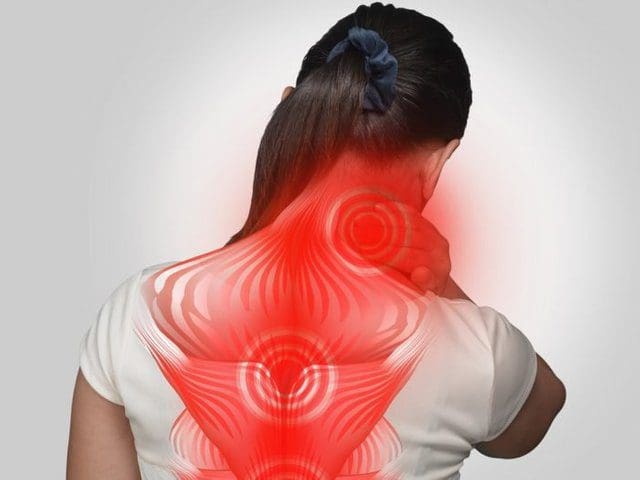
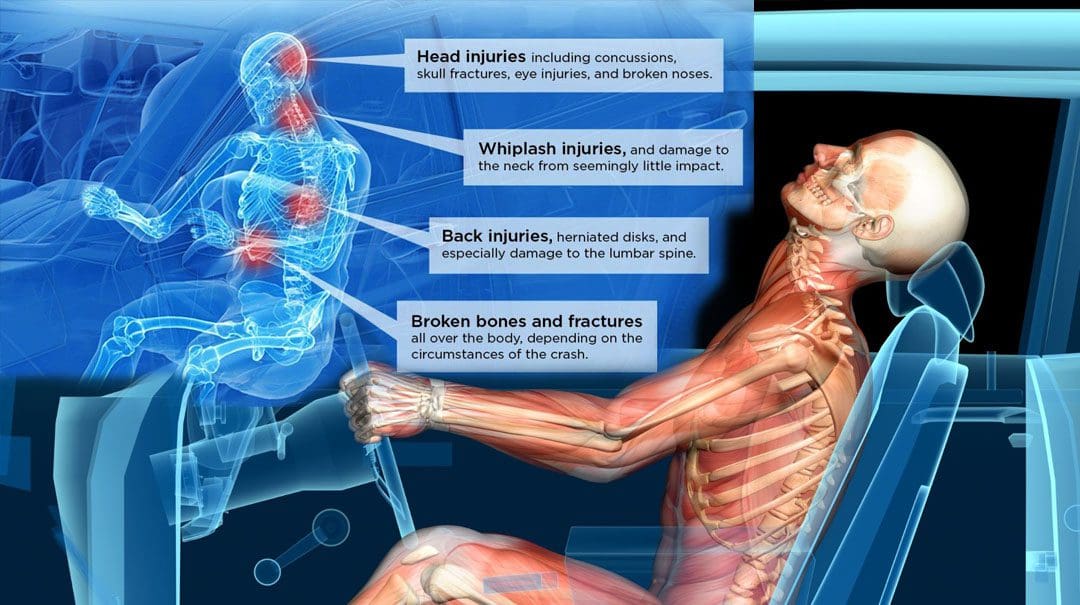
Have you been dealing with excruciating pain in your neck or back after an automobile collision? Have you noticed any of your muscles feeling stiffed or strained? Or have you been dealing with unwanted pain-like symptoms affecting your daily life? When a person has been through an auto accident, the spine, neck, and back along with their associated muscle groups, are affected by pain. When it comes to the effects of an auto accident on the body, we have to look at how the body reacts when the vehicles collide. Research studies have revealed neck pain is a common complaint to many adults involved in an auto accident. When a person collides with another car, their necks are lunged forward rapidly, causing a whiplash effect on the neck and shoulder muscles. Not only the neck is being affected, but also the back. Additional studies have mentioned that low back pain associated with vehicle collisions can cause the lumbar back muscles to be overstretched and develop non-fatal physical injuries over time, either during or the day after the accident. To that point, it can lead to unwanted symptoms associated with auto accidents and correlate with overlap risk profiles.
Symptoms Associated With Auto Accidents
The symptoms associated with auto accidents affecting neck and back muscles vary depending on the collision’s severity. According to “Clinical Application of Neuromuscular Techniques,” Leon Chaitow, N.D., D.O., and Judith Walker DeLany, L.M.T., stated that when someone suffers from an auto accident, the traumatic forces affect not only the cervical or temporomandibular muscles but also the lumbar muscles. This causes the muscle tissue fibers to be torn and damaged, which causes muscle pain. The book also mentioned that a person injured in a collision could develop nociceptive modulated neck, shoulders, and back muscle dysfunction. To that point, the flexor and extensor muscles are hyperextended, shortened, and strained, which is the result of causing muscle stiffness, pain, and limited range of motion to the neck, shoulder, and back.
Unlocking Pain Relief: How We Assess Motion To Alleviate Pain-Video
Have you been experiencing a limited range of motion to your shoulders, neck, and back? What about feeling muscle stiffness when stretching? Or do you feel muscle tenderness in certain body areas after an auto accident? Many of these pain-like symptoms are associated with auto accidents affecting the neck, shoulders, and back. This causes constant body pain, and many issues develop over time in the various muscle groups. Luckily there are ways to reduce the pain and help restore the body to function. The video above explains how chiropractic care is used to assess the body through spinal manipulation. Chiropractic care uses various techniques to help with spinal subluxation and loosen up stiff, tight muscles to help relax and restore each muscle group while relieving unwanted pain from the muscle tissues and ligaments.
Chiropractic Care & The MET Technique Assessing The Body
Studies reveal that auto accidents are a major cause of spinal and muscle injuries treated by chiropractic care. When a person suffers after an auto accident, they will experience pain all over their bodies and try to find ways to relieve the pain affecting their daily lives through treatment. One of the treatments that can help reduce pain and restore the body is chiropractic care. When chiropractors are treating the body to reduce pain, they use various techniques like the MET technique (muscle energy technique) to stretch and strengthen soft tissue and use manual manipulation to realign the spine, work out the tight muscles, nerves, and ligaments to prevent further damage on the body while getting the affected individuals back to shape. Chiropractic care also has a close relationship with other treatments like physical therapy to help strengthen the muscles in the body and help many people be aware of how their bodies function.
Conclusion
Overall, when a person has experience pain in their back, neck, and shoulder muscles from an auto accident, it can affect their emotional and physical well-being. The effects of an auto accident cause unwanted pain symptoms to develop and correlate with nociceptive modulated dysfunction. To that point, it can cause issues like muscle stiffness and tenderness in the affected areas. Fortunately, treatments like chiropractic care allow the body to be restored through manual manipulation and the MET technique to gently stretch the soft tissues and muscles and realign the body back to functioning. Incorporating chiropractic care with the MET technique, the body will experience relief, and the host can be pain-free.
References
Chaitow, Leon, and Judith Walker DeLany. Clinical Application of Neuromuscular Techniques. Churchill Livingstone, 2002.
Dies, Stephen, and J Walter Strapp. “Chiropractic Treatment of Patients in Motor Vehicle Accidents: A Statistical Analysis.” The Journal of the Canadian Chiropractic Association, U.S. National Library of Medicine, Sept. 1992, https://www.ncbi.nlm.nih.gov/pmc/articles/PMC2484939/.
Fewster, Kayla M, et al. “Low-Velocity Motor Vehicle Collision Characteristics Associated with Claimed Low Back Pain.” Traffic Injury Prevention, U.S. National Library of Medicine, 10 May 2019, https://pubmed.ncbi.nlm.nih.gov/31074647/.
Vos, Cees J, et al. “Impact of Motor Vehicle Accidents on Neck Pain and Disability in General Practice.” The British Journal of General Practice : the Journal of the Royal College of General Practitioners, U.S. National Library of Medicine, Sept. 2008, https://www.ncbi.nlm.nih.gov/pmc/articles/PMC2529200/.
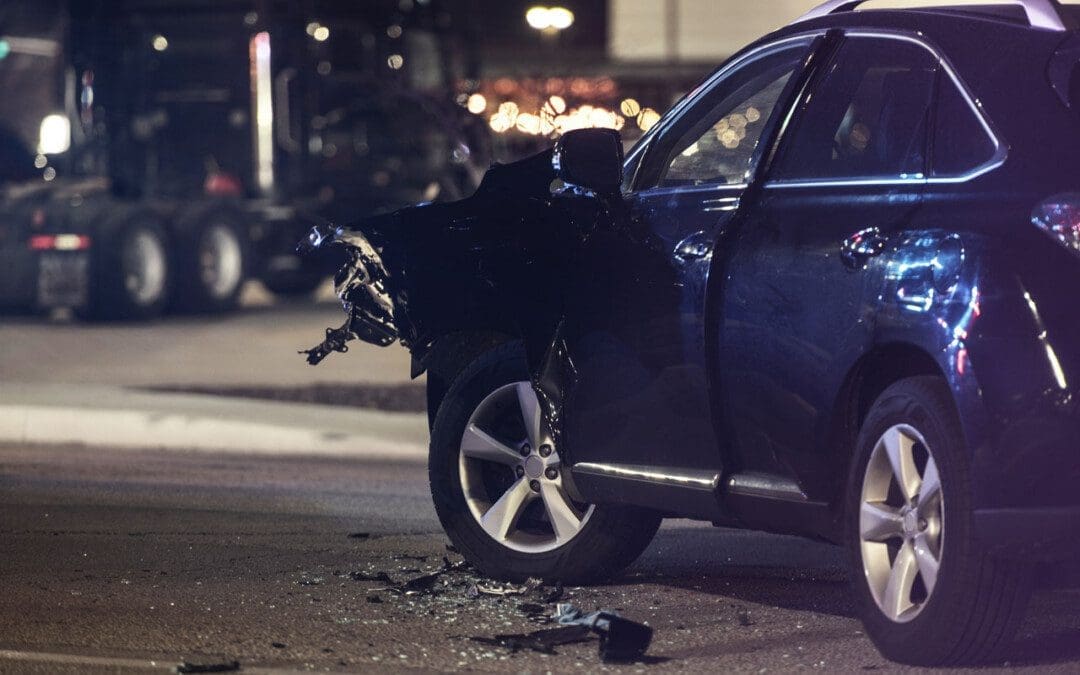
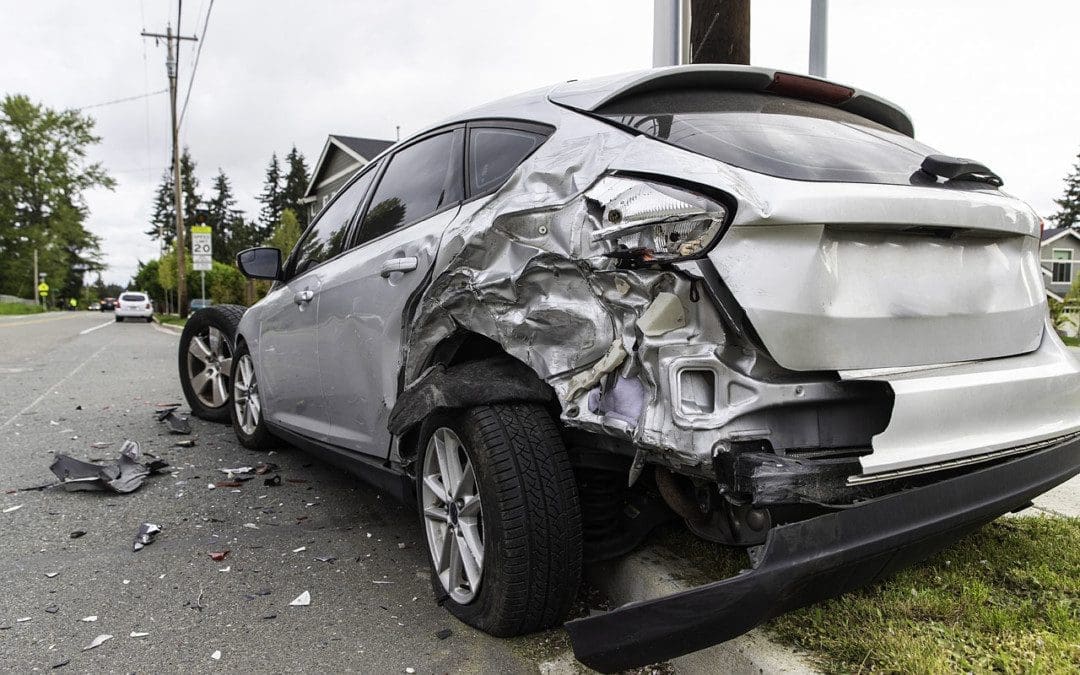
The NHTSA records show that rear-end collisions are the most common and make up 30% of all traffic accidents, crashes, and collisions. Rear-end collisions can come out of nowhere. One moment a driver is waiting at a stop or light, and suddenly they are catapulted forward by the intense force of another vehicle/s resulting in serious and sustaining injuries that can impact an individual’s physical capabilities. Rear-end collision injuries most commonly affect the neck and back. This is because of the excessive force and intense shifting and whipping the body goes through. Chiropractic care, massage, and decompression therapy can realign the body, relax the muscles, release compressed nerves, expedite recovery, and restore mobility and function.
Rear-End Collision Injuries
Rear-end collision injuries can range from mild to serious, and what seems like a minor pull can result in a severe injury. The most common injuries include:
Pre-existing conditions such as degenerative disc disease can worsen.
Collision Types
A rear-end collision can occur in several ways. The most common types include:
Tailgating
When drivers in the rear follow another motorist too closely, and the lead motorist slows down or has to stop quickly, the rear driver hits the vehicle because there was not enough adequate time and distance to stop.
Slow Speed Collisions
Slow-speed/low-impact collisions or fender benders can result in spinal injuries and concussions.
They can also lead to facial and head injuries from sudden airbag deployment.
Vehicle Pile-Ups
A single rear-end collision on a busy street or interstate highway can cause a chain reaction of multiple-vehicle collisions.
These accidents can cause devastating injuries.
Causes
Causes that can take attention away from the road include:
Speeding
Distracted driving – Talking or texting.
Tailgating
Looking at something like an accident while driving by.
Symptoms of rear-end collision injuries may not immediately present following an accident. It can take 24 to 48 hours for discomfort symptoms to come on and sometimes longer. The adrenaline rush allows the individual not to experience the physical symptoms, which is why individuals think they’re fine when they are not. Ignoring signs increases the risk of permanent injury. A herniated disc, for example, left untreated, can lead to permanent nerve damage. Chiropractic treatment for rear-end collisions is one of the most effective options available. A chiropractor manipulates the spine to realign the spinal cord, allowing the body to decrease inflammatory cytokine production, which reduces the inflammatory response. Specific techniques and various tools can realign individual vertebrae, restore joint flexibility, and break up the scar tissue so the areas can heal faster.
The Spine In A Rear-End Auto Accident
References
Chen, Feng, et al. “Investigation on the Injury Severity of Drivers in Rear-End Collisions Between Cars Using a Random Parameters Bivariate Ordered Probit Model.” International journal of environmental research and public health vol. 16,14 2632. 23 Jul. 2019, doi:10.3390/ijerph16142632
Davis, C G. “Rear-end impacts: vehicle and occupant response.” Journal of manipulative and physiological therapeutics vol. 21,9 (1998): 629-39.
Dies, Stephen, and J Walter Strapp. “Chiropractic treatment of patients in motor vehicle accidents: a statistical analysis.” The Journal of the Canadian Chiropractic Association vol. 36,3 (1992): 139–145.
Garmoe, W. “Rear-end collisions.” Archives of physical medicine and rehabilitation vol. 79,8 (1998): 1024-5. doi:10.1016/s0003-9993(98)90106-x
Everybody is always moving in their vehicles as they go from one place to another in less time. Sometimes accidents happen as vehicles collide with each other and cause excruciating pain to the body as it lunges forward, causing back and neck pain to the individual. These are physical effects on the body, but the emotional impact also takes a toll on the individual. It can cause a person to become miserable and affect their quality of life. Today’s article discusses the effects of an auto accident are cause the back and body, as well as how non-surgical decompression therapy can help alleviate the pain in the back from an auto accident. Patients are referred to qualified, skilled providers specializing in spinal decompression and non-surgical treatments. We go hand in hand with our patients by referring them to our associated medical providers based on their examination when it’s appropriate. We find that education is valuable for asking critical questions to our providers. Dr. Jimenez DC provides this information as an educational service only. Disclaimer
Can my insurance cover it? Yes, it may. If you are uncertain, here is the link to all the insurance providers we cover. If you have any questions or concerns, please call Dr. Jimenez at 915-850-0900.
The Effects Of Auto Accidents On The Back
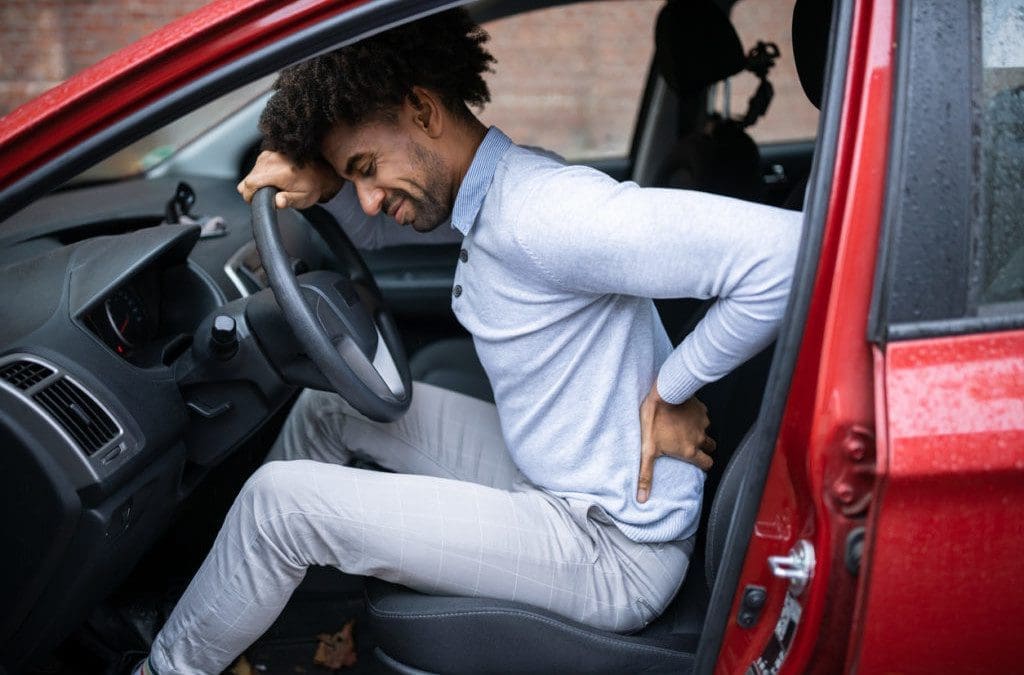
Have you suffered from back pain after a vehicle collision? What about experiencing whiplash or neck pain? Or has your lower back been feeling stiff and aches more? Many of these symptoms are signs that the spine, back, and neck all have suffered from the effects of an auto accident. Research has shown that the impact of a person in an auto accident causes the body to rapidly lunge forward and back after a complete stop, causing damage to the body, especially on the spine. After the auto accident has occurred, many individuals don’t feel the effects of the injuries that are caused by auto accidents sometimes until the day after the accident. This is due to the adrenaline in the body, which is both a neurotransmitter and a hormone and is fully turned on to the max. Additional information has stated that many individuals suffer from low back pain after a motor vehicle collision. Even if the accident was non-lethal, the impact can cause strain on the lower back muscles and compress the spinal nerves, making them irritated.
How The Body Is Affected
Research studies have shown that the impact of an auto accident may cause the body to have non-fatal physical injuries but also cause psychological trauma that can affect a person’s psyche. Many people that have experienced an auto accident will have various emotions that leave them in shock. During that process, emotions like distress, helplessness, anger, shock, and frustration are presented as the individual who was in the accident experience these negative emotions. Additional research also found that many individuals can experience low back pain episodes reoccurring along with the emotional presence that they are feeling. Fortunately, there are ways to alleviate low back pain caused by auto accidents and can help restore the spine to its functionality.
Spinal Decompression Therapy Alleviates Auto Accident Injuries- Video
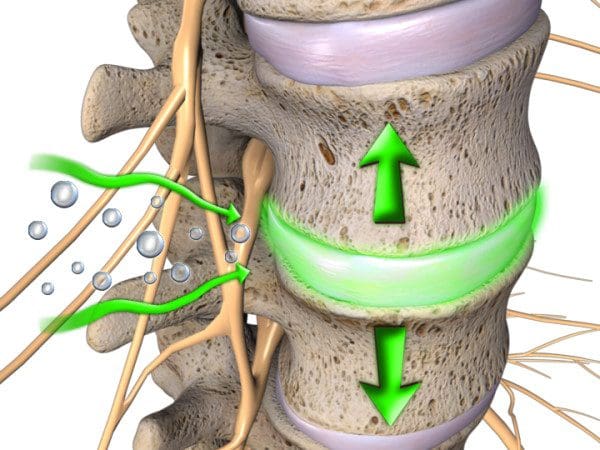
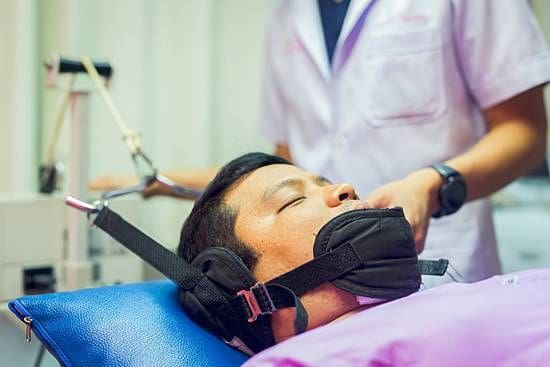
Have you experienced low back pain after a car accident? How about feeling the effects of muscle stiffness on the neck and low back the day after? Do emotions like stress, frustration, and shock affect your quality of life? These are signs and symptoms of what a person is going through after being involved in an auto accident and dealing with neck and back pain. There are ways to treat neck and back pain through decompression, and the video above explains the impressive effects of what decompression does to the individual. Decompression is a non-surgical treatment that allows gentle traction to alleviate the flattened spinal disc and take the pressure off the aggravated nerves surrounding the spine. The gentle traction also pumps the nutrients back to the dehydrated discs while increasing their heights. This link will explain what decompression offers and the impressive results for many individuals who suffer from back or neck pain due to an auto accident.
How Spinal Decompression Helps Relieve The Spine After Auto Accidents
After a person suffers from an auto accident, they experience pain in their spine and back the day before or after. Many individuals who suffer from low back pain, neck pain, and whiplash from auto accidents tend to find ways to alleviate the pain in their spine. One of these treatments is spinal decompression. Spinal decompression allows the individual to sit on a traction table in a supine position and be strapped in. Research studies have mentioned that spinal decompression is a non-surgical treatment for many individuals suffering from low back pain. In contrast, the traction machine slowly but gently pulls the spine to relieve the pain caused by a spinal injury due to an accident. This will provide effective recovery for many individuals suffering from low back pain. Additional information also mentioned that the effectiveness of decompression could reduce the inflammatory markers induced by the aggravated nerve roots through negative pressure, thus causing relief to the back.
Conclusion
Overall, suffering low back pain or neck pain after an auto accident is nerve-wracking for many individuals. The emotional and physical trauma caused by a motor vehicle collision can dampen a person’s mood, and the residual pain afterward can affect their quality of life. Utilizing decompression for non-surgical treatments can provide beneficial results in restoring functionality back in the spine and alleviating the pain the person is in. When people use decompression, they can get back to their activities and become pain-free from their lower back.
References
Daniel, Dwain M. “Non-Surgical Spinal Decompression Therapy: Does the Scientific Literature Support Efficacy Claims Made in the Advertising Media?” Chiropractic & Osteopathy, BioMed Central, 18 May 2007, https://www.ncbi.nlm.nih.gov/pmc/articles/PMC1887522/.
Kang, Jeong-Il, et al. “Effect of Spinal Decompression on the Lumbar Muscle Activity and Disk Height in Patients with Herniated Intervertebral Disk.” Journal of Physical Therapy Science, The Society of Physical Therapy Science, Nov. 2016, https://www.ncbi.nlm.nih.gov/pmc/articles/PMC5140813/.
Nolet, Paul S, et al. “Exposure to a Motor Vehicle Collision and the Risk of Future Back Pain: A Systematic Review and Meta-Analysis.” Accident; Analysis and Prevention, U.S. National Library of Medicine, July 2020, https://pubmed.ncbi.nlm.nih.gov/32438092/.
Nolet, Paul S, et al. “The Association between a Lifetime History of Low Back Injury in a Motor Vehicle Collision and Future Low Back Pain: A Population-Based Cohort Study.” European Spine Journal: Official Publication of the European Spine Society, the European Spinal Deformity Society, and the European Section of the Cervical Spine Research Society, U.S. National Library of Medicine, Jan. 2018, https://pubmed.ncbi.nlm.nih.gov/28391385/.
Salam, Mahmoud M. “Motor Vehicle Accidents: The Physical versus the Psychological Trauma.” Journal of Emergencies, Trauma, and Shock, Medknow Publications & Media Pvt Ltd, 2017, https://www.ncbi.nlm.nih.gov/pmc/articles/PMC5357873/.
Toney-Butler, Tammy J, and Matthew Varacallo. “Motor Vehicle Collisions – Statpearls – NCBI Bookshelf.” In: StatPearls [Internet]. Treasure Island (FL), StatPearls Publishing, 5 Sept. 2021, https://www.ncbi.nlm.nih.gov/books/NBK441955/.
The body is a well-tuned machine that is on the move constantly. The different systems like the musculoskeletal system, the immune system, and the joint system, to name a few, can help the body’s motor function to get the body from point A to point B. When injuries or auto accidents affect the body, it can cause various issues to affect the body over time. Many people who suffer from an auto accident injury will experience pain in the cervical and lumbar portions of their spine. It can be nerve-wracking as they are trying to comprehend what is happening. Today’s article will focus on herniation due to auto accidents, how it affects the spine, and how decompression treatments can help many suffering individuals with auto accident herniation. Referring patients to qualified and skilled providers who specialize in spinal decompression therapy. We guide our patients by referring to our associated medical providers based on their examination when it’s appropriate. We find that education is essential for asking insightful questions to our providers. Dr. Jimenez DC provides this information as an educational service only. Disclaimer
Can my insurance cover it? Yes, it may. If you are uncertain, here is the link to all the insurance providers we cover. If you have any questions or concerns, please call Dr. Jimenez at 915-850-0900.
How Do Auto Accidents Cause Herniation?
Have you experienced pain in your neck or low back? Did you experience whiplash in your neck? Has the pain progressively gotten worse after the accident? Many of the symptoms are primarily the after-effects of an auto accident involving a person. After a person has been involved in an auto accident, the injuries and symptoms usually occur within a few minutes until the next day. Research studies have shown that auto accident injury symptoms like herniation occur when the cervical and lumbar portions are injured, causing symptoms like soft tissue strain and disc derangement to be accompanied by radicular pain symptoms. Auto accident herniation also starts to compress the surrounding nerves around the spine. It induces inflammatory markers in the affected areas situated in the neck and lower back. Additional studies have found that auto accident herniation also affects the thoracic portion of the back. Many individuals that suffer from herniation will experience posterior shoulder pain and upper/lower back pain from being involved in an auto accident.
How Does It Affect The Spine?
When a person has suffered from an auto accident, the after-effects do take a toll not only on the body but the spine as well. The painful, inflammatory symptoms cause the soft muscle tissues to become tender to the touch. Research studies have mentioned that the spine will experience possible fractures along the lumbar section of the spine due to the force impact causing axial compression and overstretching of the muscles and soft tissues, causing sharp shooting pain. This makes the back and neck succumb to more despair after the auto accident occurs, thus hindering a person’s quality of life. More research studies have shown that many suffering individuals experience lumbosacral radicular pain on top of herniation. When a person has been suffering from disc degeneration and has been involved in an auto accident, the cascading effects cause the intervertebral disc’s outer layer to rupture and allow disc material displacement to cause herniation on the spine. When the ruptured disc becomes herniated, it will constantly press on the nerve roots, and any normal reactions like coughing or sneezing will worsen the pain. Thankfully, there are therapeutic methods that help alleviate herniation and help restore function to the spine.
Mechanical Traction For Herniation-Video
Feeling uncomfortable pain in your neck or back? Have everyday actions like coughing or sneezing hurt your back when not supposed to? Does the pain progressively get worst throughout the entire day? All these symptoms are due to disc herniation caused by auto accidents and can affect a person’s quality of life. The good news is that traction therapy may be the answer for relieving some of the symptoms like herniation on the spine. The video above shows how mechanical traction is used for many individuals suffering pain in the cervical area of the body. Traction therapy is a form of decompression treatment that is either non-surgical or surgical, depending on how severe the pain affects the body. Traction helps the spine through gentle pulling, causing the herniated discs to withdraw from the compressed nerves and establish healing properties to remoisturize in the affected discs while increasing the disc space between the spinal vertebrae. Decompression/traction therapy for either the lumbar or cervical regions of the spine has many beneficial factors in preventing disc herniation. This link will explainhow decompression or traction offers impressive relief for many people who suffer from neck and low back pain herniation caused by auto accident injuries.
How Decompression Treatments Help Auto Accident Herniation
After a person suffers from an auto accident injury, the body will sometimes experience the painful effects the next day since the body has an adrenaline rush that masks the pain. When this happens, therapeutic methods help alleviate the pain and try to repair the body to be functional again. Research studies have shown that decompression treatments have helped many individuals suffering from herniation due to auto accidents by using unloading force traction from the therapy to reduce herniation on the spine. This opposing force helps ease the painful symptoms caused by disc herniation while the compressed nerves are relieved. Other research studies have mentioned that traction therapy, when utilized for herniation, causes vertebral separation to increase the disc space and decrease the nerve root compression. This allows the spinal ligaments to tense up, which is beneficial for the herniated discs to return to the spine and cause relief to the suffering individuals.
Conclusion
Overall the after-effects of an auto accident injury that causes the spine to become herniated affect a person’s quality of life. The painful symptoms cause compression to the surrounding nerve roots, sending pain signals to disrupt the brain and overstretch the muscles when the spine is injured. After the auto accident has occurred, the residual pain will cause tenderness in the cervical and lumbar portions of the spine causing even more pain to the person. Treatments like traction therapy allow individuals to find the relief they desperately need as the herniated disc is relocated to its original position and laid off on the nerve roots. Traction therapy provided beneficial relief to the spine due to negative pressure and brought back the spine’s functionality to the body.
References
Cornips, Erwin M J. “Crippling Upper Back Pain after Whiplash and Other Motor Vehicle Collisions Caused by Thoracic Disc Herniations: Report of 10 Cases.” Spine, U.S. National Library of Medicine, 20 May 2014, https://pubmed.ncbi.nlm.nih.gov/24718062/.
Hashish, Rami, and Hasan Badday. “Frequency of Acute Cervical and Lumbar Pathology in Common Types of Motor Vehicle Collisions: A Retrospective Record Review.” BMC Musculoskeletal Disorders, BioMed Central, 9 Nov. 2017, https://www.ncbi.nlm.nih.gov/pmc/articles/PMC5680606/.
Kumari, Anita, et al. “Effects of One-Fifth, One-Third, and One-Half of the Bodyweight Lumbar Traction on the Straight Leg Raise Test and Pain in Prolapsed Intervertebral Disc Patients: A Randomized Controlled Trial.” BioMed Research International, Hindawi, 16 Sept. 2021, https://www.ncbi.nlm.nih.gov/pmc/articles/PMC8463178/.
Oakley, Paul A, and Deed E Harrison. “Lumbar Extension Traction Alleviates Symptoms and Facilitates Healing of Disc Herniation/Sequestration in 6-Weeks, Following Failed Treatment from Three Previous Chiropractors: A CBP® Case Report with an 8 Year Follow-Up.” Journal of Physical Therapy Science, The Society of Physical Therapy Science, Nov. 2017, https://www.ncbi.nlm.nih.gov/pmc/articles/PMC5702845/.
Pachocki, L, et al. “Biomechanics of Lumbar Spine Injury in Road Barrier Collision-Finite Element Study.” Frontiers in Bioengineering and Biotechnology, Frontiers Media S.A., 1 Nov. 2021, https://www.ncbi.nlm.nih.gov/pmc/articles/PMC8591065/.
Suri, Pradeep, et al. “Inciting Events Associated with Lumbar Disc Herniation.” The Spine Journal : Official Journal of the North American Spine Society, U.S. National Library of Medicine, May 2010, https://www.ncbi.nlm.nih.gov/pmc/articles/PMC2919742/.
IFM's Find A Practitioner tool is the largest referral network in Functional Medicine, created to help patients locate Functional Medicine practitioners anywhere in the world. IFM Certified Practitioners are listed first in the search results, given their extensive education in Functional Medicine