The Timothy Litzenburg law firm currently represents over 500 individuals with lymphoma suing Monsanto, Roundup’s maker, because they believe their cancer was due to by this glyphosate-based herbicide. Roundup is the most frequently used herbicide used internationally by farmers and home gardeners alike. Litzenburg anticipates over 2000+ cases will be filed by year’s end.
It’s been decades since Monsanto managed to persuade the EPA to alter glyphosate from a Class C Carcinogen in humans to a Class E classification. They have tried to pay up the risk, while Monsanto is aware of the cancer risk related to Roundup’s active ingredient glyphosate.
In 2015, IARC (International Agency for Research on Cancer), the research arm of the WHO, determined that Roundup was a probable carcinogen. Then in March 2017 a judge asked sealed documents be unsealed, exposing a 30-year cover up of glyphosate’s dangers. Monsanto’s former manager of environmental assessment and toxicology, Dr. George Levinskas was included in the cover up of their cancer risks associated with PCBs in the 1970s and glyphosate in the 1980s.
In 2015, California’s Environmental Protection Agency’s Office of Environmental Health Hazard Assessment recorded glyphosate as a known cancer causing chemical. Monsanto quickly filed against the OEHHA to stop the action but in February 2017 their situation was dropped by them. California is a leader in the risks of Roundup and all glyphosate consumer goods .
A Michigan State University study linked the 90% reduction in Monarch butterflies since 1996 to using Roundup on milkweed, that’s the only plant that the Monarch butterfly lays their eggs on. Additionally, Roundup/glyphosate is linked to conditions in people:
ADHD — Farming communities possess a solid link between Roundup vulnerability and ADHD.
Alzheimer’s — The neural cell death found in Alzheimer’s disease has been made in the laboratory with Roundup.
Anencephaly and other birth defects — There has been an evaluation of birth defects among infants who are born to mothers who live within 1,000 meters of pesticide programs, using a direct connection located between glyphosate and birth defects.
Autism — Glyphosate has many related biological effects which line up with pathologies related to pneumonia.
Brain cancer — Researchers have found that adults exposed to Roundup up to two-years before a child’s birth, parent kids that have double the chances of developing brain cancer.
Cancer — 65,000 individuals in Argentina’s farming communities with Roundup had a cancer threat that was 2-4 times greater than the national average.
The list continues on and includes gluten intolerance, kidney disease, hypothyroidism, heart disease, IBD, MS, Non-Hodgkin lymphoma, Parkinson’s, and more, which is alarming.
But, it is not just Roundup. You will find other noxious chemicals used in agriculture such as 2,4-D (2,4-Dichlorophenoxyacetic acid). This chemical is an ingredient used in ‘weed and feed’ yard care products, where there were catastrophic consequences to those, and it’s also found in Agent Orange, which has been used in chemical warfare in the jungles of Vietnam. In 75% of those air samples which are taken 2,4-D is detected in a number of research.
Together With USA Roundup earnings reaching $3.5 billion in 2016, it’s no real surprise Monsanto is doing everything to protect this revenue flow, but at what cost? The question becomes, when will we cease using products that are deadly? The best way to lower your exposure would be to consume organic and to filter your house water.
You may also test yourself for glyphosate levels using a glyphosate urine test kit developed by Iowa’s Heath Research Institute. You’re automatically enrolled in their continuing research, when you purchase the kit.
The scope of our information is limited to chiropractic and spinal injuries and conditions. To discuss options on the subject matter, please feel free to ask Dr. Jimenez or contact us at 915-850-0900 .�
By Dr. Alex Jimenez
Additional Topics: Wellness
Overall health and wellness are essential towards maintaining the proper mental and physical balance in the body. From eating a balanced nutrition as well as exercising and participating in physical activities, to sleeping a healthy amount of time on a regular basis, following the best health and wellness tips can ultimately help maintain overall well-being. Eating plenty of fruits and vegetables can go a long way towards helping people become healthy.
In 2010, diabetes was the seventh top cause of death in the US, according to the American Diabetes Association. During this year, over 69,000 death certificates of Americans listed diabetes.
The most current statistics shows that as of 2012, 29 million people have been diagnosed with either type 1 or type 2 diabetes. Also in 2012, 1.7 million people — ages 20 or older — were diagnosed with either type 1 or type 2 diabetes for the first time.
These surprising statistics show that diabetes is a significant problem in our society now. Together with statistics and the unhealthy eating habits of obesity in the United States, countless Americans are diagnosed with diabetes every year. But, patients still do not take this metabolic disorder as seriously as they should.
In actuality, the World Health Organization estimates that by the year 2030, the number of individuals living with diabetes will more than twice.
What is Diabetes?
Diabetes, also officially called diabetes mellitus, is a group of metabolic disorders. With diabetes, the affected person has high blood glucose (or blood glucose) due to one or both of the following reasons: their insulin production is insufficient, or their body’s cells don’t correctly respond to the insulin.
The pancreas, an organ located near your gut, is responsible for generating the hormone called insulin. Insulin is then accountable in receiving into your cells for aiding glucose. The majority is changed into glucose, or glucose, to be utilized as energy to our bodies. Therefore, individuals experience a build-up of sugar in their blood.
There are a few different types of diabetes: type 1 diabetes, type 2, and gestational diabetes. While the same basis is shared by all diseases, they do differ slightly from each other in their defects. Gestational diabetes is a form of high blood glucose that affects women.
Type 1 diabetes is a chronic condition in which the body generates little to no insulin. This kind of diabetes is typically diagnosed during youth.
Type 2 diabetes is a chronic condition which impacts the way the body processes the insulin produced. Their entire body becomes less sensitive to the insulin over time, although individuals suffering from type 2 diabetes still produce insulin in their pancreas. Type two diabetes is usually diagnosed in people over 40; however, it may still be diagnosed much earlier — even during childhood.
What is Prediabetes?
Prediabetes is when somebody has a blood glucose level which is higher than normal but is not yet large enough to be officially diagnosed with diabetes. A person diagnosed with prediabetes is much more likely to be diagnosed with type 2 diabetes. They are also more likely to suffer from serious health issues such as a stroke or heart disease.
Particular risk factors for prediabetes include era — especially someone older than 45 years of age — being obese or overweight, a family history of diabetes, and being physically active less than three times per week.
But, research demonstrates that in case you do suffer from prediabetes, there are ways that you can prevent a after diagnosis of type 2 diabetes: lose 5 to 7 per cent of your body weight and get at least 150 minutes of physical activity in each week — this can be something easy like brisk walking.
How is Diabetes Diagnosed?
Both type 1 and type 2 diabetes are diagnosed using a blood test that includes a hemoglobin A1C test, fasting blood glucose, and a glucose tolerance test.
Following a carbonated beverage is consumed, the glucose tolerance test measures the patient’s blood sugar. The hemoglobin A1C test will measure the average blood sugar level over the past couple of months. For an individual who doesn’t have diabetes, the A1C level ought to reflect less than 5.7 percent. However, if the evaluation results reveal 6.4 percent or greater on two distinct occasions, it suggests you’ve got diabetes. For your fasting blood sugar test, you are typically considered diabetic in case you have a sugar level of 126 mg/dL or even higher.
The immune system of someone with type 1 diabetes is likely to make antibodies, which then behave against the insulin-producing cells found in the pancreas. These antibodies can be detected by doctors .
Type 2 diabetes might be diagnosed according to suspicion due to relative symptoms and your risk factors, such as family history of diabetes and obesity.
Why is Diabetes Dangerous?
If not properly handled, diabetes has the potential to negatively impact virtually all organs and organs in your body. Improperly managed diabetes can lead to health issues and even death.
There are several complications that could arise as a result of improper maintenance of your diabetes. These include diabetic retinopathy, diabetic nephropathy (kidney disease), feet complications, stroke and heart attack, hyperosmolar hyperglycemic nonketotic syndrome (HHNS), and gastroparesis.
Diabetes also places you at double the chance of heart disease or a heart attack, compared to someone with diabetes. Other complications include stroke, cognitive loss, high blood pressure, kidney disease, higher cholesterol, foot ailments, eye issues and skin infections.
Below is a deeper look into a few typical complications as a result of diabetes:
Diabetic Retinopathy
People with diabetes are at risk for retinal injury because the sensitive eye tissue may be impacted by poor glucose control. The eye innermost layer is the retina. It is important to your vision. Your mind converts the light into signals, which can be sent for picture recognition in the mind and occurs in light.
Once the retina is affected, the blood vessels inside it are often ruined. This may affect your ability to decipher between images. Additionally, diabetics are at a higher risk of developing cataracts and glaucoma.
Diabetic Nephropathy
This term refers to kidney damage as a result of diabetes. Located in your kidneys are blood vessels which filter the waste within your blood. However the blood-sugar level that is high can cause damage to the blood vessels or perhaps lead to their own destruction. The kidneys cannot properly function. This may potentially result in kidney failure.
Foot Complications
Since diabetics often have nerve damage in their feet, even a simple callous or cut could pose a significant threat and result in serious complications. The blood circulation at a diabetic’s foot is poor, which also leads to inadequate feeling.
A diabetic might not believe a little cut on their foot because of a lack of feeling. Even a small cut could lead to a serious infection and even amputation, when combined with the factor of blood flow.
Stroke and Heart Attack
Diabetes is the strongest risk factor for cardiovascular disease, according to the Joslin Diabetes Center. 74 percent die from a stroke or heart attack. Also, adults have a 200 to 400 percent greater risk of suffering a stroke or heart attack, compared to individuals without diabetes.
Hyperosmolar Hyperglycemic Nonketotic Syndrome
Hyperosmolar hyperglycemic nonketotic syndrome (HHNS) is a condition which is most commonly seen in adults who are elderly and suffer with type 2 diabetes; however, it can be seen in those with type 1 diabetes as well.
This serious illness happens when the blood sugar levels in the body increase, and the body gets an attempt to quickly rid itself of this excess sugar through expulsion via pee. During this time, the affected person may need to use the restroom but they might quit going too often, and their urine will get dark. Since dehydration is such a threat for this condition, seizures, a diabetic coma, and even death are possible results if left untreated.
Gastroparesis
Gastroparesis occurs when the stomach takes longer than normal to empty the contents inside. The vagus nerve is responsible for controlling the movement of food through the gastrointestinal tract, however, in a person who has diabetes, this nerve becomes damaged due to the continuation of high glucose levels.
Once the vagus nerve becomes damaged, the intestines and muscles of the stomach no longer function correctly, slowing down the movement of food or quitting it. Gastroparesis can happen in someone. It can lead to nausea, vomiting, weight loss, heartburn, abdominal pain and much more.
What are the Signs of Diabetes Complications?
While the common indicators of developing diabetes can also be symptoms that diabetes complications might be arising, diabetes complications do have some indicators of their own.
Some signs of nerve damage related to diabetes include tingling of the limbs, rapid heartbeat, difficulty sleeping, proneness to falling or injury, changes in sweat and affects in senses. Some signs of skin-related diabetes complications include styes in the eyes and eyelids, acne, dermopathy, blisters and scales, and infections.
Eye-related diabetes complication symptoms include glaucoma, visiting spots, and cataracts.
How Do You Handle Diabetes?
With the proper health advice and proper lifestyle changes, diabetes could be monitored and controlled. A lot of people with type 2 diabetes can reverse and manage symptoms and their illness by enhancing their diet, increasing physical activity and managing sleep and stress levels. But, type 1 diabetes can be harder to tackle. However, symptoms may be managed by glucose levels and using the same approaches.
Educate yourself on the symptoms of diabetes, the causes of diabetes and also the most effective ways to prevent it. A few natural and easy Methods of handling and preventing diabetes are:
Normalize your omega-6 and omega-3 fatty acids. The average person consumes far too and much too. It is possible to locate omega-3 in fish like oil that is krill, fish oil, and salmon. Omega-6 is found in vegetable oils that were processed and most fried foods, too.
Eat a balanced diet plan. There is to keep your blood glucose A fantastic way to concentrate on eating unprocessed foods. Try to avoid things such as trans-fat, processed sugars and grains. When addressing your diet plan, among your focuses should be to restrict your intake of net carbs and protein. Instead, replace them with high amounts of high quality fats. The best, and only way, to handle your intake of protein and carbs is to keep a food diary.
Exercise frequently. Exercise is just one of the strategies to lessen your leptin and insulin resistance. Be mindful than needing to exercise altogether that excessive is dangerous, if not more damaging.
Get a great night’s sleep. Sleep is essential to your general well-being — this is. Getting at least eight hours of sleep every night can help normalize your system. Studies reveal sleep deprivation might be linked to insulin sensitivity.
Address anxiety or other inherent mental health issues. Nervousness anxiety, and depression put on your body down emotionally and physically. Physiological functions can be inhibited by this deterioration. It’s important to deal with all issues to alleviate pressure in your body.
Protect and treat your skin. High blood sugar levels can result in skin that is damaged. Always practice decent hygiene and utilize appropriate UV protection when spending time in the sun to avoid damaged and dry skin.
Keep your eyes safe. Diabetics are more likely to suffer with problems. To protect your eyes, receive a at the eye doctor and be sure to wear sunglasses when intending to be in sunlight for a while.
How Can You Prevent Diabetes?
A few lifestyle changes can help you prevent diabetes. Studies have found that exercise and weight loss that is moderate amongst adults may block or delay the diagnosis of type 2 diabetes.
Along with daily physical activity and weight loss, eating healthy can also help prevent or delay diabetes.
Want to learn more?
Diabetes is a common and potentially dangerous metabolic disease. Together with all of of the organs and systems, and the capacity to affect your limbs inside the body, diabetes might easily escape control. Unfortunately, if left unattended and not addressed correctly, diabetes may lead to a diabetic coma and even death.
However, this does not need to be the case. With good care and monitoring, you can handle and stop a diabetes diagnosis. It’s important to be aware of the causes and symptoms of diabetes to ensure prevention or appropriate attention of the disease.
The scope of our information is limited to chiropractic and spinal injuries and conditions. To discuss options on the subject matter, please feel free to ask Dr. Jimenez or contact us at 915-850-0900 .�
By Dr. Alex Jimenez
Additional Topics: Wellness
Overall health and wellness are essential towards maintaining the proper mental and physical balance in the body. From eating a balanced nutrition as well as exercising and participating in physical activities, to sleeping a healthy amount of time on a regular basis, following the best health and wellness tips can ultimately help maintain overall well-being. Eating plenty of fruits and vegetables can go a long way towards helping people become healthy.
The Activator Method Chiropractic Technique is a diagnostic and treatment system used by some chiropractors to treat several kinds of back pain, neck pain, and headaches (both chronic and migraine).
What is the activator method chiropractic technique?
The Activator Method uses a small instrument known as the Activator Adjusting Instrument to deliver an impulse force with the goal of restoring motion to joint or the spinal vertebra to the spine. It’s an alternative to the classic manual kind of spinal manipulation, known as the high velocity low amplitude (HVLA) thrust.
Next into the diversified procedure, the Activator Adjusting Instrument is reported to be the most common intervention utilized by chiropractors. According to the National Board of Chiropractic Examiners, more than half of chiropractors report using the Activator Method within their clinics, also commonly utilized in Canada, Australia, and New Zealand.
How the Activator Method is Believed to Work
The Activator Method Chiropractic Technique is a Kind of manipulation described as follows: a�spring-loaded mechanical device called the Activator Adjusting Instrument provides a quick, low-force impulse at specific points.
There are two benefits of an Activator Adjusting Instrument-assisted treatment. The first is based on the rate of this device. The tool is so quick that the muscles of the body are less likely to become stressed in reaction to and withstand the treatment. The therapy effectiveness may be facilitated by the shortage of muscle resistance. The second is that the applied force is localized and doesn’t add bending motion or any extra torque to the joint.
An evaluation of apparent leg length might be performed. This evaluation is based upon the concept that differences in leg length may signal where vertebral misalignments in the spine exist. This form of test is controversial and there’s a lack of evidence to support this aspect of the procedure.
Activator Method practitioners might or might not utilize the test method. Some chiropractors choose to use the Activator Adjustment Instrument based on their physical exam findings independently.
Activator Method Development
The Activator Strategy was initially developed in 1967 by Dr. Arlan Fuhr. The first Activator Adjusting Instrument was patented in 1978 by Activator Methods International, Inc.. Currently, you will find 4 Activator tools available on the market: 1 beginner tool (Activator I), 2 innovative spring-loaded tools (Activators II, IV), and 1 mechanical, cordless instrument (Activator V). Most research was done with the Activator IV tool.
About Activator Method Practitioners
Approximately 50,000 chiropractors report using the Activator Adjusting Instrument in their clinic. Frequently, chiropractors use a range of 8 to 10 different manipulation techniques in their practice. The choice of which technique to use will be based on a combination of patient preference, the individual’s illness, and the chiropractor’s expertise.
The Activator Method is normally just one of a number of techniques a chiropractor may use; chiropractic practices that just use the Activator Method Chiropractic Technique (or any single technique) aren’t the norm. Any healthcare professional can be approved to use the Activator Adjusting Instrument, but it’s commonly used by chiropractors.
Provider Training
The Activator Method Basic Proficiency course is taught as an elective course at chiropractic colleges in the United States. There are two levels of coaching certification:
Basic Proficiency: Requires completion of 12 hours of training, followed by a practical and written exam or a written and practical exam at the school level. This path introduces the simple body scan protocol, for example leg length analysis.
Advanced Proficiency: Requires completion of 24 hours of post-graduate training, followed by a practical and written exam or a written and practical exam at the college level. This track provides instruction about the best way to correct patients utilizing the Activator instrument.
Both the Basic and Advanced Proficiency classes are taught throughout the world at scheduled seminars. Approximately 2,000 chiropractors are reported to keeping their proficiency by attending yearly seminars that offer new material and information. Chiropractors may utilize the Activator Adjusting Instrument as an alternative to spinal adjustments and manual manipulation within their clinic with or with no level of training.
The scope of our information is limited to chiropractic and spinal injuries and conditions. To discuss options on the subject matter, please feel free to ask Dr. Jimenez or contact us at 915-850-0900 .�
By Dr. Alex Jimenez
Additional Topics: Wellness
Overall health and wellness are essential towards maintaining the proper mental and physical balance in the body. From eating a balanced nutrition as well as exercising and participating in physical activities, to sleeping a healthy amount of time on a regular basis, following the best health and wellness tips can ultimately help maintain overall well-being. Eating plenty of fruits and vegetables can go a long way towards helping people become healthy.
Chronic inflammation remains a confusing subject for many. One reason for this is that chronic inflammation does not resemble acute inflammation and is not associated with conditions that are normally treated with medications, spinal manipulation or surgery.
Chronic Inflammation Needs To Be Understood
DD Palmer wrote a chapter in 1914 entitled Inflammation, stating that, “inflammation is present in most, if not all diseases, in the acute if not chronic.” 100 years later, all chronic diseases are inflammatory conditions within local tissues . Chronic systemic inflammation and related pathophysiological changes involve structures and functions that are silent.
Chronic inflammatory condition alters the structure and function of a given tissue and is identified by symptoms and laboratory tests. This enables the application of a name, which describes the chronic state, such as osteoarthritis, fatty liver, tendinosis, diabetes, widespread pain, depression, osteoporosis, heart disease, Parkinson’s disease, Alzheimer’s disease and cancer.
Lifestyle Choices That Promote Chronic Inflammation
Loss of sleep, sedentary living, stress and diet all encourage inflammation.
Dietary interventions may appear confusing and complicated. The first step is to assess inflammatory markers during the examination, which will offer insight for a lifestyle change and management.
Markers For Chronic Inflammation
Laboratory tests are the best approach to spot chronic inflammation. High levels of glucose, triglycerides, hemoglobin A1c protein along with reduced levels of vitamin D and HDL cholesterol are the most reliable in identifying chronic inflammation.
Patients can also fill out a Health Survey Questionnaire (HSQ-12), which identifies health status, which directly correlates to chronic inflammation.�Without doing a lab test,� chronic inflammation can be indirectly measured.
Nutrition For Chronic Inflammation
Diet is a problem for most people with over two-thirds of the population being overweight. Obesity is known to be a chronic inflammatory state associated with chronic pain and degenerative diseases.
Do no focus on the food for a dietary change and instead focus on the inflammatory markers aforementioned. Food can be emotional, with the markers being objective. Avoiding emotion and stress is a way to deal with nutrition effectively, along with weight loss.
The most essential element in reducing inflammation is caloric restriction. Becoming overweight comes from eating too many calories, whether they comes from fat, flour or sugar. Americans, on average, acquire 60 percent of their calories from flour, sugar and oils. The solution is to replace the refined calories with vegetation calories that allow for greater food consumption with lower calories.
Dietary options that can help:
Vegan
Omnivore
Ketogenic
The important thing is to avoid extra salt, flour, refined oils and refined sugar.
Overview
One does not need to understand the chemistry of chronic inflammation to employ an anti-inflammatory lifestyle. It is crucial to understand that inflammation is the underlying cause of disease and most chronic pain.
Fibromyalgia Can Mask Chronic Inflammatory Disease
Now that nearly 40 percent of American adults swear by some sort of complementary and alternative medicine, or CAM, from nutrition and mental comfort to acupuncture, magnet therapy, and international healing systems like traditional Chinese medicine and Indian ayurveda, a growing number of medical schools have embraced functional medicine.
What’s the benefit of CAM education in Medicine Schools?
“Interest in teaching alternative strategies has exploded, especially this past year,” states Laurie Hofmann, executive director of the Institute for Functional Medicine, which will be based in Gig Harbor, Wash. The nonprofit institute educates healthcare specialists to look for underlying systemic imbalances as a cause of illness rather than focus on treating symptoms and, when possible, to correct with lifestyle changes and mind-body techniques.
The Consortium of Academic Health Centers for Integrative Medicine, which encourages the spread of CAM education, was founded in an initiative by eight academic medical centers; it now boasts 46 medical school members.
Traditional and CAM Medicine Education
Traditional studies of surgery and drugs or medications, naturally, still dwarfs class discussion of complementary and alternative medicine. However, students want to add complementary, integrative and functional medicine methods because they “know their potential patients will be using them,” says Shelly Adler, director of integrative medicine education at the University of California, San Francisco School of Medicine, which has a history of teaching the subject.
“I could already see the limits of Western medicine, particularly when treating recurrent pain or other chronic problems. I thought other healing traditions could fill in some gaps,” says Carson Brown, a first year resident at San Mateo Medical Center in California. Spurred in part by the relief which acupuncture had provided her to get hip pain she took a two-week elective last year offered to UCSF students which covered topics from acupuncture to mind-body medicine.
A similar optional was started last spring in the Loma Linda University School of Medicine in California; the faculty is likely a second, more in-depth option on functional medicine for chronic conditions. An approach to handling, even reversing, diabetes, as an instance, highlights exercise and also a diet rich in foods that are whole, together with medication as a last resort, to provide overall health and wellness to future patients.
Effects of CAM Education in Colleges
The colleges insist that they approach the subject with an eye toward the signs, advocating only approaches that have withstood scientific scrutiny even as they examine some methods patients frequently use. But critics charge that this is not necessarily the case. A 2009 review in the journal Academic Medicine of a couple of course curricula discovered a bias “in favor of CAM,” noting recommendations of acupuncture for ailments like asthma in which there’s “no credible evidence” and instances of ignoring research, for instance, studies linking chiropractic manipulation with stroke.
At the University of Arizona, where bestselling CAM guru Andrew Weil is a part of the school, a program overhaul five years ago expanded the discussion beyond the scope of an elective or two. Based on the growing body of research supporting a few holistic remedies, especially nutrition, and of smaller-scale studies on other treatments with limited risks, such as journaling to help rheumatoid arthritis, “it made sense to integrate these ideas into a variety of courses,” says Victoria Maizes, executive director of the Arizona Center for Integrative Medicine in the medical school.
As before, fourth-year students have the choice of a four-week elective on the subject. All students, in courses across the curriculum, recognized and now gain an understanding of the use of nourishment remedies in healing and prevention and of the body’s innate ability to heal itself. Members that have gone through the center’s full-fledged, two-year fellowship in medicine give pupils a window on how they could incorporate CAM into their practice.
One cardiovascular surgeon, for example, supplies surgical patients using pre-operative guided vision (shown in a lot of studies to decrease stress and aid healing), provides comprehensive nutrition guidance for heart health, and is researching the effectiveness of Reiki, an energy healing method that relies on touch, on surgical recovery.
There’s a fourth-year optional, too, that highlights the value of caring for the mind, body, and spirit of their physician in addition to the patients. Students not only learn about yoga and tai chi but they also practice these themselves to de-stress, Chiaramonte says. “Students recognize that, to be good healers, they need to facilitate their own wellness, that [it’s] is a part of healing a patient,” she says, a practice which can prove beneficial to them.
In Conclusion
For medical schools which can’t locate the tools or the space in their packed curricula to include CAM, a current Institute for Functional Medicine (IFM) survey suggested that time, not lack of interest, is the prime impediment for the addition of such programs in their schools, where often an online education can fill the gap. The University of Arizona will establish a holistic course on wellness and prevention, open to medical students from different schools.
The IFM will debut Web-based modules on gastrointestinal health, the principles of functional medicine, and nutrition. (Time limitations are no doubt the reason a recent study in Academic Medicine found that only 27 percent of healthcare schools currently meet the minimum goal, set by the National Academy of Sciences, of 25 hours for course time.)
Whether or not pupils who know about alternative approaches ever include herbs or acupuncture in their own practices, believers say, they stand to gain from viewing medicine in a more holistic manner.
The scope of our information is limited to chiropractic and spinal injuries and conditions. To discuss options on the subject matter, please feel free to ask Dr. Jimenez or contact us at 915-850-0900 .�
By Dr. Alex Jimenez
Additional Topics: Wellness
Overall health and wellness are essential towards maintaining the proper mental and physical balance in the body. From eating a balanced nutrition as well as exercising and participating in physical activities, to sleeping a healthy amount of time on a regular basis, following the best health and wellness tips can ultimately help maintain overall well-being. Eating plenty of fruits and vegetables can go a long way towards helping people become healthy.
There are well over 100 types of adjustment techniques used by chiropractors throughout the world. Typically, chiropractors will concentrate on and use 8 to 10 distinct approaches in their practice.
What are the most common chiropractic adjustment techniques?
The goal of most chiropractic techniques is to revive or to enhance joint function, together with all the aims of reducing pain and resolving swelling. Some procedures use some force, such as spinal manipulation, while others are somewhat more gentle, such as spinal mobilization.
The original chiropractic adjustment approach is usually referred to as spinal manipulation, and might also be called the diversified technique or the high-velocity, low-amplitude (HVLA) thrust. New chiropractic adjustment approaches typically evolve as a variation from an existing technique and are often named after the chiropractor who developed it.
Chiropractic Manipulation Approaches
Chiropractors adapt therapy plans to satisfy the particular needs of each individual. Typically, chiropractic treatment plans involve some forceful and less forceful spinal adjustment techniques during exactly the same trip or over the course of therapy, approximately 6 to 10 visits for a typical individual.
The most often used chiropractic technique, spinal manipulation, is the traditional high-velocity low-amplitude (HVLA) thrust. The manipulation frequently results in an audible “pop,” as chiropractors use their hands to apply a controlled sudden force to a joint while the body is placed in a particular way.
Spinal Mobilization (Low-Force or moderate Techniques)
Some conditions (for example, osteoporosis), pathology, the patient’s size, patient comfort, or individual preference, may demand a milder approach generally referred to as spinal mobilization. Additionally, mild mobilization techniques which don’t involve twisting of even a thrust or the body are preferred by some patients or clinicians.
Along with manipulation, many chiropractors will use adjunctive therapy, such as ice or heat or physical therapy modalities (for instance, electrical stimulation, ultrasound, etc.), as part of an overall treatment program. Patients need to discuss their symptoms and tastes with their healthcare professional to determine the best treatment plan.
Chiropractors are not the only health care providers who use spinal manipulation for back pain treatment. Many osteopathic physicians will provide a variety of types of adjustments, like spinal mobilization and spinal manipulation . Other kinds such as physicians or physical therapists, will be trained in supplying these techniques as well.
The goal of spinal mobilization is the same as HVLA spinal manipulation, to reestablish or to enhance joint work. But, unlike HVLA, spinal manipulation motion, usually into a firm endpoint of movement, is used to mobilize the joint.
Chiropractors may choose spinal mobilization for certain individuals for a variety of reasons, for example:
Patient preference: specific patients prefer spinal mobilization over spinal manipulation
Patients with sensitive nervous systems can benefit from gentle chiropractic Methods to keep the entire body from overreacting and causing reactive muscle spasms
Patients with a few conditions can be redeemed for spinal manipulation, such as maybe patients with advanced osteoporosis, bone pathology, some forms of deformity, and certain Kinds of inflammatory arthritis
Chiropractors can choose spinal mobilization for patients when they are in the acute phase of their illness and in severe pain
Obesity can make the positioning of the individual and the manipulation procedures difficult for both the supplier in addition to the patient, which might favor a low force technique.
Spinal Mobilization Methods
There’s a vast array of spinal mobilization approaches and techniques. Several of the more common gentle spinal mobilization methods include:
Activator method: The Activator is a handheld, spring-loaded, manual tool which offers a low-force urge. With the patient lying face down the nurse evaluates leg length, performs muscle testing, also adjusts the spine or extremity joints using the Activator tool.
Cox Flexion-distraction: This technique involves a gentle adjustment that is designed to adjust vertebrae by employing a gentle stretch to the lower spine, typically at a set of repetitive slow movements similar to a rocking motion.
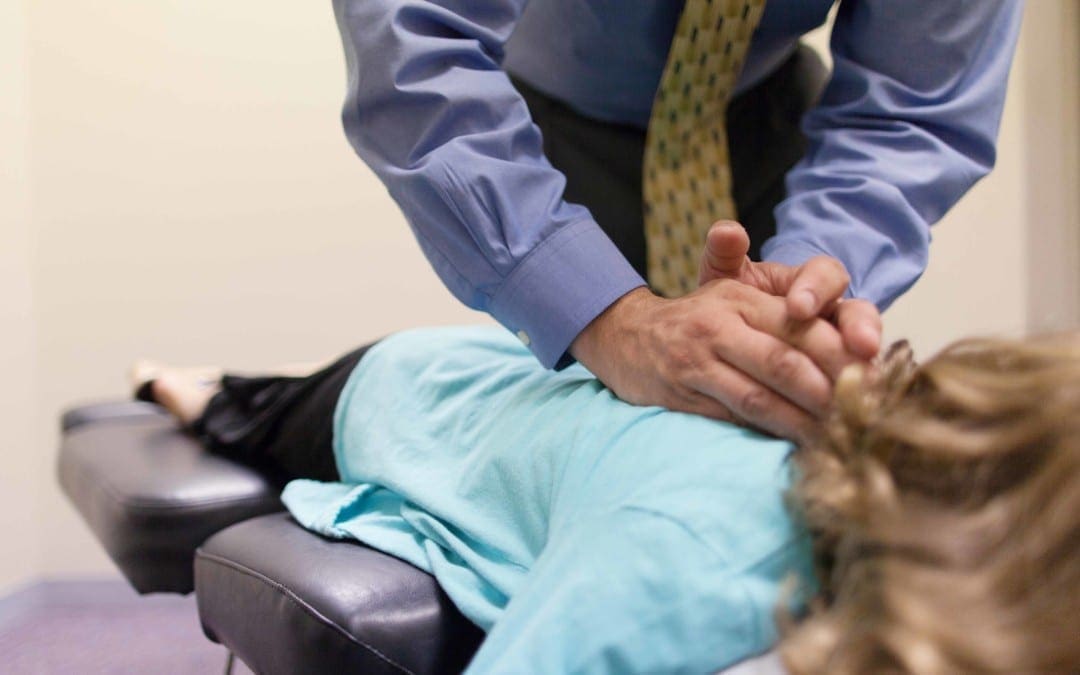
Toggle Drop: Using crossed hands one on top of the other, the nurse presses down quickly and firmly on a particular area of the spine while a section of this fall table falls, using gravity to use the adjustment. The table has different sections that dropped and can be increased in accordance with the localization of the spinal adjustment.
McKenzie Technique: This strategy uses a patient favorite position to facilitate pain loss.
Release work: Applying gentle pressure using the fingertips, the chiropractor divides the misaligned vertebrae with the objective of restoring them back to their natural positions.
Sacro-Occipital Strategy (SOT): This method involves placing wedges or cubes under the pelvis, allowing gravity – with a few inclusion low induce assistance by the supplier – to realign the anus.
As well as the aforementioned, other kinds of mobilization are commonly used, such as massage therapy, Applied Kinesiology, Receptor-Tonus Technique, Cranio-sacral, NUCCA , and a lot more.
The scope of our information is limited to chiropractic and spinal injuries and conditions. To discuss options on the subject matter, please feel free to ask Dr. Jimenez or contact us at 915-850-0900 .�
By Dr. Alex Jimenez
Additional Topics: Wellness
Overall health and wellness are essential towards maintaining the proper mental and physical balance in the body. From eating a balanced nutrition as well as exercising and participating in physical activities, to sleeping a healthy amount of time on a regular basis, following the best health and wellness tips can ultimately help maintain overall well-being. Eating plenty of fruits and vegetables can go a long way towards helping people become healthy.
A chiropractor is a healthcare professional who focuses on the diagnosis, treatment and prevention of neuromuscular and musculoskeletal disorders through the use of adjustments and manipulations of the spine.
What are a chiropractor’s treatment goals and beliefs?
Chiropractors seek to reduce pain and enhance the performance of patients as well as to instruct them on how they can account for their health via ergonomics, exercise and other therapies to deal with their pain. Chiropractic is usually categorized as alternative medicine or complementary medicine.
Fundamental Chiropractor Beliefs and Goals
Chiropractors focus on the intimate relationship between the nervous system and the spine, to provide overall health and wellness to the human body. They also hold accurate the following beliefs:
Biomechanical and structural derangement of the spine can affect the nervous system
For many conditions, chiropractic treatment may restore the structural integrity of the spine, reduce stress on the sensitive adrenal gland, and thus improve the wellness of the individual.
The treatment concept of chiropractic is to re-establish normal spinal mobility, which in turn alleviates the irritation to the spinal nerve or re-establishes altered folds, to reduce painful symptoms affecting the individual.
Conditions Treated by Chiropractic
Chiropractors use a number of non-surgical treatment modalities to treat patients with certain types of:
Lower back pain and/or leg pain (sciatica)
Neck pain
Repetitive strains
Headaches
Sports injuries
Car accident injuries
Arthritic pain
While primarily focusing on fixing neuromusculoskeletal disorders, chiropractors aren’t exclusively confined to problems with the nervous system and musculoskeletal system. If appropriate, these healthcare professionals will refer patients to medical doctors or other healthcare practitioners for treatment of lower back pain, or other injuries and conditions. Chiropractors have a local referral network or function collectively with other spinal experts.
Chiropractic Examination
In most regards, a chiropractic evaluation is quite much like conventional assessment procedures administered by all health care providers. With that said chiropractors examine function and the arrangement of the spine and then determine chiropractic therapies separates attention.
Chiropractic Exam of Back Pain
A first chiropractic examination for back pain will generally have three parts: a consultation, case history, and physical examination. Laboratory investigation and X-ray examination may be done if needed.
Consultation. The chiropractor meets with the patient and provides a synopsis of their back pain, such as:
Duration and frequency of symptoms
Description of these symptoms (e.g. burning, throbbing)
Areas of pain
What makes the pain feel better (e.g. sitting, extending)
What makes the pain feel worse (e.g. standing, lifting)
Case history. The chiropractor identifies the area(s) of complaint and the nature of the spine pain by asking questions and learning more about different regions of the patient’s background, including:
Family background
Dietary customs
Past background of other therapies (chiropractic, osteopathic, medical and other)
Occupational history
Psychosocial history
Other places to probe, frequently based on responses to preceding questions
Physical evaluation. A chiropractor may use a variety of methods to determine the spinal sections which require chiropractic treatments, including but not limited to, static and motion palpation techniques ascertaining spinal segments which are hypo cellular (restricted in their motion) or fixated. Depending on the results of the evaluation, extra diagnostic tests may be used by a chiropractor, for example:
X-ray to locate subluxations (the altered position of the vertebra)
A device that detects the temperature of their skin in the paraspinal area to identify spinal areas having a substantial temperature variance which needs manipulation.
Many chiropractors use a holistic, biomechanical concept of treating the bipedal structure completely, in an effort to balance the arrangement from the feet upwards.
Chiropractors are usually trained in multiple procedures of evaluating lower back pain, for example:
Evaluation and management solutions. Chiropractors are trained in examining the joints, bones, muscles and tendons of the body with the objective of imagining tenderness any misalignment, asymmetry, defects or other issues.
Neurologic and other common physical examination procedures. Chiropractors are trained to perform a variety of neurologic tests (nerve root compression/tension, engine strength, coordination, deep tendon and pathological reflexes, etc.) and are proficient in doing orthopedic, cardiovascular and several other frequent assessments.
Specialized assessment. Chiropractors are trained to assess range of motion, stability, muscle strength, muscle tone along with other assessments.
Common diagnostic studies. Chiropractors are trained in use of diagnostic tools and studies like radiography (X-rays), laboratory diagnostics and neurodiagnostics.
The scope of our information is limited to chiropractic and spinal injuries and conditions. To discuss options on the subject matter, please feel free to ask Dr. Jimenez or contact us at 915-850-0900 .�
By Dr. Alex Jimenez
Additional Topics: Wellness
Overall health and wellness are essential towards maintaining the proper mental and physical balance in the body. From eating a balanced nutrition as well as exercising and participating in physical activities, to sleeping a healthy amount of time on a regular basis, following the best health and wellness tips can ultimately help maintain overall well-being. Eating plenty of fruits and vegetables can go a long way towards helping people become healthy.
IFM's Find A Practitioner tool is the largest referral network in Functional Medicine, created to help patients locate Functional Medicine practitioners anywhere in the world. IFM Certified Practitioners are listed first in the search results, given their extensive education in Functional Medicine






 DD Palmer wrote a chapter in 1914 entitled Inflammation, stating that, “inflammation is present in most, if not all diseases, in the acute if not chronic.” 100 years later, all chronic diseases are inflammatory conditions within local tissues . Chronic systemic inflammation and related pathophysiological changes involve structures and functions that are silent.
 Loss of sleep, sedentary living, stress and diet all encourage inflammation.
 Laboratory tests are the best approach to spot chronic inflammation. High levels of glucose, triglycerides, hemoglobin A1c protein along with reduced levels of vitamin D and HDL cholesterol are the most reliable in identifying chronic inflammation.
 Diet is a problem for most people with over two-thirds of the population being overweight. Obesity is known to be a chronic inflammatory state associated with chronic pain and degenerative diseases.