The most common cause of hypothyroidism is Hashimoto’s thyroiditis (or autoimmune hypothyroidism), a form of thyroid inflammation caused when your own immune system attacks your thyroid gland.
What causes hypothyroidism and autoimmune disease Hashimoto’s thyroiditis?
But this is not the only cause of hypothyroidism, how or why the disease has been developed by you, might be caused by a variety of reasons. This report gives an explanation of each one of the probable causes of hypothyroidism.
Hashimoto’s Thyroiditis
Hashimoto’s thyroiditis is a common disorder. It affects as many as 10 million people in the US alone, and roughly 10 percent of women over age 30 have Hashimoto’s thyroiditis (the disorder affects women ten times more than males).
Hashimoto’s thyroiditis is characterized by thyroid inflammation because of the body’s own immune system attacks on the thyroid gland. This causes the tissue of the thyroid to gradually decay, which directly affects the thyroid’s ability to function properly. This will result in hypothyroidism because the thyroid gland will then not be able to make the sufficient quantity of thyroid hormone that the body needs to function optimally.
When the body’s immune system attacks its own healthier tissue, it is called an autoimmune disease. If you have symptoms of migraines, and have an autoimmune disorder, such as Addison’s disease, type 1 diabetes, or rheumatoid arthritis, you need to talk to a healthcare professional right away to properly diagnose you.
Problems with the Thyroid Itself
If your thyroid was surgically removed, you’ll also most likely develop hypothyroidism. Before you even begin to experience hypothyroid symptoms your health care provider will start you on a course of hormone replacement therapy. Hypothyroidism may also be caused by congenital thyroid agenesis (being born with no thyroid), and also the degradation of the thyroid by radioactive iodine (radioactive iodine therapy is a common treatment for thyroid cancer patients and patients with hyperthyroidism).
Drugs & Medications
Some medicines may cause hypothyroidism, for example:
Amiodarone: Used to treat heart rhythm conditions, this drug has a high iodine content, which may inhibit the synthesis and release of thyroid hormones and also affect the conversion of T4 to T3, causing hypothyroidism in 5-20% of the patients. Iodine is crucial to thyroid health, but too much or too little can make it stop working.
Anti-thyroid medicines: These medications treat overactive thyroid glands. Doctor oversight is highly important, as taking these drugs at too high a dose can lead to hypothyroidism.
Interferon-alpha: Patients with certain malignant tumors, as well as those with hepatitis C and B, use this medication. A small quantity of individuals develop a thyroid disease, such as hypothyroidism.
Interleukin-2 (IL-2): This medicine may be prescribed to individuals with some metastatic cancers and leukemia. Approximately 2% of patients on this medication develop a thyroid disease.
Lithium: This medication treats depression and bipolar disease. However, because lithium slows the release and creation of thyroid hormones, hypothyroidism is developed by a substantial number of patients, up to 20-30%.
Abnormal Growths in the Thyroid
It’s possible that abnormal growths may “invade” the thyroid gland and choose the place of healthy tissue. There are and one instance is an autoimmune disorder called sarcoidosis. Through the entire body , inflamed tissue forms in sarcoidosis. This inflammation can replace. This finally leads to hypothyroidism.
Problems in the Pituitary Gland
An uncommon cause of hypothyroidism may have little do to with the true thyroid gland and more related to the gland that actually controls it, the pituitary gland. A problem from the pituitary gland (such as a tumor) can impact its ability to produce thyroid gland hormones (TSH). Without TSH, the thyroid won’t produce and secrete the proper thyroid hormones because it doesn’t have the correct “signal” in the pituitary gland.
Genetic Defects
In rare situations, the genes which regulate thyroid hormones might be damaged. This impacts thyroid hormone production, thus. Most causes of hypothyroidism are apparent at birth or early infancy.
Though Hashimoto’s thyroiditis is the most frequent cause of hypothyroidism, you may have developed the disease a variety of different ways. What is most important is to begin talking about the next steps to take with your healthcare professional. They will help you to get started on a treatment program that can handle your symptoms.
Symptoms of Hypothyroidism
The most common thyroid disorder is hypothyroidism. Hypo- signifies deficient or under(active), therefore hypothyroidism is an underactive thyroid gland. Recognizing the symptoms of hypothyroidism is important. The earlier you detect the symptoms, the earlier you can receive treatment to manage the disorder.
Common Signs of Hypothyroidism
Below are major symptoms associated with hypothyroidism.
Fatigue
Weakness
Weight gain or difficulty losing weight (despite reduced food intake)
Coarse, dry hair and dry skin
Hair loss
Sensitivity to cold
Muscle cramps and aches
Constipation
Depression
Irritability
Memory loss
Abnormal menstrual cycles
Decreased libido
Slowed speech (severe cases)
Jaundice (severe cases)
Increase in tongue size (severe cases)
You do not need to encounter every one of those symptoms to be diagnosed with hypothyroidism. Every individual’s encounter with the disease differs. Even though you might see that your skin and hair are very dry and rough, another patient may be plagued by fatigue and depression.
The thyroid gland hormone (TSH) levels reflects the severity of the hypothyroidism. For example, if you have a TSH level that is relatively lower and a moderate form of hypothyroidism, you may not detect or even have symptoms. That is because your hormone levels haven’t decreased to the point of causing a big imbalance in the body. The further hypothyroid you become, the more symptomatic you’ll be. The signs of hypothyroidism aren’t always noticeable, but it is vital that you know what to be aware of. Recognizing hypothyroidism on will allow you to manage the disease.
The scope of our information is limited to chiropractic and spinal injuries and conditions. To discuss options on the subject matter, please feel free to ask Dr. Jimenez or contact us at 915-850-0900 .
By Dr. Alex Jimenez
Additional Topics: Wellness
Overall health and wellness are essential towards maintaining the proper mental and physical balance in the body. From eating a balanced nutrition as well as exercising and participating in physical activities, to sleeping a healthy amount of time on a regular basis, following the best health and wellness tips can ultimately help maintain overall well-being. Eating plenty of fruits and vegetables can go a long way towards helping people become healthy.
Hypothyroidism is a disease caused when the thyroid gland doesn’t produce enough thyroid hormones. There are treatments available, however, one is used more commonly than others: thyroid hormone replacement treatment.
What is thyroid hormone replacement treatment?
To understand the purpose of thyroid hormone replacement treatment, you need to comprehend the interaction of T4 and T3, both essential thyroid hormones which are often affected with hypothyroidism or other thyroid diseases.
T3 and T4
The full name of T3 is triiodothyronine, and T4’s full name is tetraiodothyronine or thyroxine. T3 and T4 control the metabolism of your body. Then your metabolism slows down if you do not have enough of these. Your metabolic rate dictates how quickly food is processed by you, how fast your heart beats, how fast it is possible to think as well as how much heat your body generates. Essentially, T3 and T4 are in control of how energy is used by your body.
However, T3 and T4 aren’t equivalent in power; T3 is the more active hormone of both. Taking T4 hormone is considered the standard treatment for hypothyroidism while T3 is stronger. The cause of this is due to the fact that the majority of the T3 in our bodies used to become T4. They provide an iodine atom up to socialize with these cells when T4 hormones come into contact with other cells in the blood vessels. If T4 loses an iodine atom, it becomes T3.
When this T4 into T3 conversion occurs, T3 then communicates the metabolic “message” into the other cells throughout the body. Of taking only T4 therapy, the advantage is that you’re letting your body to perform some of the activities which is taking T4 and changing it. The half life of T4 is also longer than the T3 (7 times versus 24 hours), that means that it is going to remain for a longer period in your body after ingestion.
Thyroid Hormone Replacement Therapy Objective
If you’re prescribed a type of thyroid hormone replacement therapy, the objective is to compensate for the lack of hormone secreted from the thyroid gland. You may have a dose of T4 from a taken pill.
But it’s important to see that every patient’s treatment is different. There is no cookie-cutter dosage or therapy plan in regards to thyroid hormone replacement treatment. The way the hormones are absorbed by the human body, together with the quantity is varied. Your treatment plan will be individualistic. As such, you should expect a certain amount of experimentation when it comes to locating form and the dose of treatment that works best for you.
Though artificial T4 supplements would be the most prescribed type of thyroid hormone replacement therapy, there are a variety of forms, including monster thyroid supplements. Synthetic T3 is sometimes given after thyroid surgery, when awaiting the ablation in case of cancer as part of treatment in certain conditions.
Thyroid hormone replacement treatment is a really individualized therapy procedure, and it’s highly effective when prescribed correctly. The goal of thyroid hormone replacement treatment, in most cases, would be to normalize your thyroid gland (TSH) levels. Your healthcare professional and you will go over what treatment choice will alleviate your symptoms that are hypothyroid, letting you live a normal life once more.
The scope of our information is limited to chiropractic and spinal injuries and conditions. To discuss options on the subject matter, please feel free to ask Dr. Jimenez or contact us at 915-850-0900 .�
By Dr. Alex Jimenez
Additional Topics: Wellness
Overall health and wellness are essential towards maintaining the proper mental and physical balance in the body. From eating a balanced nutrition as well as exercising and participating in physical activities, to sleeping a healthy amount of time on a regular basis, following the best health and wellness tips can ultimately help maintain overall well-being. Eating plenty of fruits and vegetables can go a long way towards helping people become healthy.
Hyperthyroidism and hypothyroidism can cause a variety of muscle or joint-related symptoms. Both hypothyroidism and hyperthyroidism are proven to cause what are known as myopathies, the clinical term for diseases which affect your skeletal muscles. Skeletal muscles are the muscles connected to your bones. A good illustration of skeletal muscles are the quadriceps in your thighs or your biceps in the arm.
How does thyroid disease cause muscle and joint pain?
Myopathies most frequently are seen in what are called the proximal muscles. These are the muscles which are closest to the center of the human body, like the thigh or shoulder. In myopathies brought on by inflammation or metabolic conditions like autoimmune thyroid disorder, white blood cells can attack parts of your muscle and the surrounding blood vessels. Levels of certain biochemical substances may end up accumulating on your muscles, leading to pain or weakness. Different thyroid diseases can also be associated with particular types of muscle and joint issues.
Muscle and Joint Disease With Hypothyroidism
Hypothyroidism could lead to a number of muscular and joint-related symptoms. These signs and symptoms involves muscles that are currently pressing on your nerves, or fluid retention, which leads to the swelling of muscles. Some of the issues seen include:
General muscle fatigue and pain, such as muscle cramps and muscular stiffness
General joint pain, achiness, and stiffness, known as “arthropathy”
Tendonitis in your arms or arms
Carpal tunnel syndrome, which involves tingling, pain, fatigue, achiness, or numbness on your torso, fingers, or forearms. It is due to swelling of membranes which compress a nerve in your forearm
Tarsal tunnel syndrome, similar to carpal tunnel syndrome, causes discomfort, tingling, burning, and other discomfort in the arch of your foot, the base of your foot, and can extend into your toes
Frozen shoulder, also called adhesive capsulitis, causes pain, limited movement, and stiffness
Joint and Muscle Pain With Hyperthyroidism
In hyperthyroidism, such as Graves’ disease, you might experience muscle weakness and tiredness, known as hyperthyroid myopathy. Pain in muscles is much less prevalent in hyperthyroidism. Some people with hyperthyroidism really get rid of muscle strength and tone, a procedure that can be known as “muscle wasting.” Some common complaints include:
Difficulty climbing stairs
Difficulty holding or gripping objects with your palms
Trouble reaching your arms over the head
In some cases, the muscles changed can include those that help you swallow, so you could have any hoarseness or difficulty swallowing.
When the Pain Does Not Go Away
Typically, the majority of these symptoms and ailments generally resolve for the most part with appropriate treatment of your thyroid illness. When muscle and joint pain does not go away with Appropriate thyroid treatment, however, it is time to ask several questions:
If you are hypothyroid, are you getting adequate and suitable treatment? In other words, is your therapy “optimized” or are you undertreated? Fulfilling with a demand for extra T3, or Resolving thyroid hormone replacement, may have to resolve your muscle and joint pain.
If you’re receiving optimum thyroid therapy, and still enduring muscle and joint issues, in the event you get a referral to a rheumatologist for additional evaluation and possible treatment? A thorough test can be provided by A trained rheumatologist for fibromyalgia and arthritis. Rheumatologists cure various pain disorders, some autoimmune conditions, arthritis, fibromyalgia and tendonitis, and are experts in muscle and joint issues. To find a rheumatologist in your area, check the American College of Rheumatology’s Doctor Directory.
Have you ever been evaluated for fibromyalgia? Interestingly, upon the topic of fibromyalgia, some practitioners believe that fibromyalgia is manifestation of hypothyroidism or a symptom of. Fibromyalgia is a syndrome that has tender points within the entire body, with fatigue and weakness.
If you look into other remedies? Some patients with chronic muscle and joint pain have had success with therapies, such as massage, acupuncture, and myofascial treatment. Concerning nutritional supplements, researchers at the National Institutes of Health’s National Institute of Arthritis and Musculoskeletal and Skin disorders have found that glucosamine and chondroitin “may have some efficacy against the indicators of osteoarthritis.”
The scope of our information is limited to chiropractic and spinal injuries and conditions. To discuss options on the subject matter, please feel free to ask Dr. Jimenez or contact us at 915-850-0900 .�
By Dr. Alex Jimenez
Additional Topics: Wellness
Overall health and wellness are essential towards maintaining the proper mental and physical balance in the body. From eating a balanced nutrition as well as exercising and participating in physical activities, to sleeping a healthy amount of time on a regular basis, following the best health and wellness tips can ultimately help maintain overall well-being. Eating plenty of fruits and vegetables can go a long way towards helping people become healthy.
Could there be a connection between thyroid disease and your joint pain? Yes, but, fortunately, a variety of treatment therapies and remedies may help ease the pain, improving your overall health and wellness.
Why does thyroid disease lead to joint pain?
Your thyroid gland secretes hormones that regulate metabolism, the body’s way of converting the food you consume into energy. People with hypothyroidism have an underactive thyroid, which means not one of those metabolism-controlling hormones is properly produced. “Any disturbance in the way that you burn energy may impact how your muscles feel,” says R. Mack Harrell, MD, president-elect of the American Association of Clinical Endocrinologists and an endocrinologist at Memorial Regional Hospital in Hollywood, Fla.. Individuals with complex hypothyroidism may find that fluid builds in joints that causes swelling which contributes to pain because their metabolism slows down.
These measures may help you reduce that pain that’s keeping you down.
Explore Other Sources of Joint Pain
Hypothyroidism most commonly happens when your immune system mistakes your thyroid for an enemy, which interferes with its ability to make the appropriate amount of thyroid hormone. In the same way, rheumatoid arthritis (RA) is another disorder that causes your immune system to go off-track, your body strikes your joints and connective tissues, and it can be very debilitating. You are more prone to the other if you’ve got any of these autoimmune disorders, although doctors aren’t certain why. It can be difficult to tell if one or both are causing your joint pain. “We can mend hypothyroidism with the proper dose of hormone,” Dr. Harrell says. “And therapies are offered for RA. Either way, finding a proper cure for your pain and the origin is the first step to feeling better.”
Measure Up to Low-Impact Aerobics
Twenty to 60 minutes of near-daily weightlifting, really any exercise that gets your heart pumping, will help speed up your metabolism and counter weight gain, a frequent hypothyroidism symptom and also a contributor to joint pain. But if you’ve got joint or knee pain, choose aerobics to prevent further joint pain. A stationary bike at the gym is easier on the knees. Swimming is the excellent exercise, the water buoys your body and cushions joints.
Strengthen your Muscles
Power or weight-training exercises build muscle mass, which uses more calories than fat even at rest. This can ease the strain and promotes weight loss. Stronger muscles also help safeguard joints. For instance, the muscles which support the knees are developed by strengthening exercises like lunges, squats, and leg lifts. Start slow with 15 repetitions of each exercise, says Igor Klibanov, a personal coach in Toronto, creator of Fitness Solutions Plus, and writer of “Unlimited Progress: The Way To Unlock Your Body’s Potential.” Build around 3 sets of 15 reps each.
Get Plenty of Sleep
“Sleep is the time for muscles and joints to recuperate,” Klibanov states. “If you’re not sleeping well, you’re not recovering as quickly as you may be.” When you’re sleep deprived, what’s more, you are very likely to crave crap and relaxation foods that can promote weight reduction, which adds stress to your joints and increases joint pain. Aim for seven to eight hours of quality sleep each evening.
Stick to a Nutritious Diet
Change the crap food which can cause weight gain with choices that improve your health. For instance, add fatty fish to your diet. It is a fantastic supply of omega-3 fatty acids, known to decrease inflammation. Fatty fish such as mackerel, salmon, and tuna have the highest amounts of omega-3’s. Also be sure to have lots of fresh fruit and vegetables high in antioxidants, which may counter inflammation.
Practice Yoga
Yoga poses are an excellent way to provide relief to joint pain whilst also increasing flexibility. For shoulder pain, look for poses that open your chest, such as this pose. Stretch your arms over your head, as you inhale. Clasp your hands together and then turn up your palms toward the ceiling. Drop your shoulders and straighten up as if pushing through your head. Hold for 30 minutes. Release your hands, bringing them down behind you. Clasp your hands behind your back and lift your arms. Hold for another 30 seconds.
Do Not Let Fatigue Win
Fatigue is among the most common hypothyroidism symptoms. You are going to benefit from exercise because it is going to increase your metabolism and help you keep flexibility despite joint and muscle pain, even though you might feel listless. If you’re too exhausted to complete a exercise routine, break it up into several bouts, even 10 minutes will help. Also, relaxation and stretching exercises within 2 hours of bedtime may help you sleep better, Klibanov says.
Meditate for Stress Relief
With a chronic condition like hypothyroidism, everyday can be stressful, and that anxiety can actually promote pain and tension. That’s why it’s important to find ways to decrease anxiety, like the practice of meditation. This kind of meditation teaches you you can distract yourself from what’s bothering you by refocusing your attention, often on your breathing. A little study in the “Journal of Neuroscience” in April 2011 discovered that mindful meditation can reduce your sensitivity to pain.
The scope of our information is limited to chiropractic and spinal injuries and conditions. To discuss options on the subject matter, please feel free to ask Dr. Jimenez or contact us at 915-850-0900 .�
By Dr. Alex Jimenez
Additional Topics: Wellness
Overall health and wellness are essential towards maintaining the proper mental and physical balance in the body. From eating a balanced nutrition as well as exercising and participating in physical activities, to sleeping a healthy amount of time on a regular basis, following the best health and wellness tips can ultimately help maintain overall well-being. Eating plenty of fruits and vegetables can go a long way towards helping people become healthy.
The cornerstone of treating hypothyroidism and reducing its symptom involves following the proper treatment. People with hypothyroidism receive the maximum relief from exhaustion when they balance their thyroid-stimulating hormone (TSH) levels, often to below 2.5 milliunits per liter (mU/L), based on study published in the Kansas Journal of Medicine.
“Most experts agree that after hypothyroidism is diagnosed, 1 mU/L into 3 mU/L has been an appropriate TSH range,” explains Victor Bernet, MD, an endocrinologist and assistant professor of medicine at the Mayo Clinic in Jacksonville, Fla.. However, it may take time to achieve that goal, and your symptoms, such as energy, could persist for awhile. Managing fatigue as you wait is an issue of making healthy lifestyle choices and getting enough sleep.
Take the Recommended Treatment
The good news about hypothyroidism treatment is that thyroid medication is successful for most people, especially when taken as prescribed. This means that you should follow your physician’s instructions. The most severe cases of hypothyroidism see symptoms improve with treatment within six months, states Jan Hoffman, MD, an endocrinologist and leader of the section of endocrinology at the Via Christi Clinic in Wichita, Kan.. But some individuals may continue to feel tiredness. For these individuals, Dr. Hoffman suggests medication adjustments to comprise both the T3 and T4 hormones. This is not yet a mainstream treatment, if you haven’t been getting good results from your present drug 35, about trying it, but you might talk to your primary care doctor or endocrinologist.
Balance Your Diet
Eating a nutritious diet rich in fruits and vegetables, whole grains, and proteins can help give you. Cut back on added sugars, which can increase the fatigue you are feeling out of migraines. “There is certainly an advantage to maintaining a wholesome, well-balanced diet with regular exercise to improve health generally,” Hoffman says. Because sleep quality can be reduced by this, additionally you may need to avoid eating large meals within a few hours of bedtime. Instead, opt for a dinner and a snack before bed.
Try Cognitive Behavioral Therapy
Cognitive behavioral therapy (CBT) is a style of therapy that helps you to change negative thought patterns and replace them with more positive ones. In studies looking at physical action, CBT, and fatigue, researchers have observed that this kind of therapy appears to help people feel like they’re more active or capable of being active, and so less fatigued, even if they aren’t really increasing their physical activity levels. This is in part as counter the belief that you’re simply tired from the consequences of hypothyroidism to do anything and one tactic of CBT is to assist you.
Limit Alcohol and Caffeine
If you’re fighting fatigue from hypothyroidism, it’s easy to slip into a cycle of drinking lots of drinks during the day and then using a nightcap to bring you back down. It will not tackle fatigue although caffeine can occasionally give you a elevator, such as feeling perkier in the morning. What’s worse, this cycle of caffeine and alcohol to wind down could be sapping your energy over and beyond the fatigue. Both caffeine and alcohol interfere with your body’s ability to achieve sleep. Cut back on carbonated beverages, adhering before noon, and have one alcoholic beverage if any, in the day.
Engage in Physical Activity
You may believe eczema has left you but physical activity, even a little at a time, can help counter fatigue, enhance your energy levels also improve your sleep quality. Try for the national recommendations for physical activity that is healthy: being active for at least 30 minutes. Exercising in the evening can make it difficult to get to sleep later try to schedule your workouts for earlier in the day.
Take Steps to Sleep More Soundly
Obtaining enough high-quality sleep people need seven can help fight fatigue. Deep sleep requires the appropriate “stage”: A slightly cool, dark, sound-free site. To get your body to the sleep rhythm, set a regular time to go to wake up and to sleepon weekends and holidays. If you’ve taken these measures to boost your sleep however are still lacking energy during the day and suspect you are not sleeping well, think about a sleep evaluation to determine if you have some sleeping disorders, such as sleep apnea, that may be robbing you of a good night’s sleep.
Stop Smoking
Nicotine is a stimulant. So even though smoking can feel as a relaxing routine, it’s interfering with your sleep quality and, in turn, adding to fatigue. Individuals who stop smoking find that once they’ve made it during the withdrawal period, they’ve sleep and more energy. Smoking is known to contribute to autoimmune disease, which might be challenging your hypothyroidism treatment plan’s development. Take note that hypothyroidism can be also complicated by smoking cessation, so be certain you quit smoking under the supervision of your doctor.
Get Routine Medical Tests
Dr. Bernet contrasts thyroid function into a well-functioning vehicle. “If your car is acting up and your oil is low or you have not changed it in awhile, you need oil,” he says. This is the equivalent of taking medication to get your thyroid hormone levels back to normal. This, too, applies to sleeplessness therapy. If your thyroid screening indicates you are at normal levels after treatment but you are still feeling exhausted, ask for further evaluation. About one in five people experience fatigue, but hypothyroidism is simply one cause of exhaustion that is ongoing.
The scope of our information is limited to chiropractic and spinal injuries and conditions. To discuss options on the subject matter, please feel free to ask Dr. Jimenez or contact us at 915-850-0900 .�
By Dr. Alex Jimenez
Additional Topics: Wellness
Overall health and wellness are essential towards maintaining the proper mental and physical balance in the body. From eating a balanced nutrition as well as exercising and participating in physical activities, to sleeping a healthy amount of time on a regular basis, following the best health and wellness tips can ultimately help maintain overall well-being. Eating plenty of fruits and vegetables can go a long way towards helping people become healthy.
Are you tired of being tired? Whatever you call it, exhaustion, fatigue, lethargy, or feeling run down, overtired, or just plainly pooped out, fatigue is a frequent symptom associated with thyroid disease.
How does thyroid disease cause fatigue?
We’re not talking about regular fatigue after a late night. This is a debilitating fatigue. You might find yourself needing a rest in the afternoon to endure until dinnertime. Or you wake up tired and still sleep ten to twelve hours a night. Or you’re less able to work out, and your endurance is reduced because you are weak and lethargic. Or brain-fogged and exhausted out may just walk around about exactly the quantity of sleep that used to make you feeling refreshed.
There are a number of important things to know about the connections between thyroid disease and fatigue, and ten of the most significant things to know about boosting your energy and battling fatigue are mentioned below.
Fatigue and Hypothyroidism
Fatigue is a really common symptom of hypothyroidism, an underactive or reduced thyroid function, in many individuals. Many patients report that their fatigue is diminished or even completely solved after the treatment for hypothyroidism is optimized. Various treatment approaches, including functional medicine can help improve hypothyroidism.
Fatigue and Hyperthyroidism
Fatigue is also a symptom of hyperthyroidism, an overactive or increased thyroid function, in some patients. Exhaustion is present even when you have gotten an adequate quantity of sleep. In other scenarios, exhaustion or fatigue associated with hyperthyroidism may result from insomnia, anxiety, or disrupted sleep patterns. Typically, treatment for hyperthyroidism can help resolve the patient’s overall symptoms.
Autoimmune Thyroid Disease and Fatigue
Even when thyroid function tests demonstrate that the thyroid gland is “normal” and hormone levels fall within the benchmark range, the existence of elevated thyroid antibodies, which may indicate autoimmune Hashimoto’s disease or Graves’ disease, may lead to fatigue as a symptom in some patients.
Dietary Changes
Some thyroid patients, including individuals who don’t have celiac disease or gluten intolerance, have reported a decrease in fatigue when they switch into a gluten-free diet plan. A gluten-free diet is a nutrition plan free of wheat and gluten products. Others have reported similar effects by removing sugar, dairy, or other foods in the diet.
Unrefreshing Sleep
Some people experience fatigue due to what is called unrefreshing sleep. This indicates that you’ve had enough sleep seven or more hours, but you wake up and feel tired, because the sleep has been of poor quality, interrupted, or did not reach levels that are restorative. Unrefreshing sleep could be associated with dysfunction, in addition to chronic fatigue syndrome and fibromyalgia in most cases.
Iron
Some thyroid patients suffering from fatigue may be reduced in iron, in particular, the saved form of iron known as ferritin. It is worth having ferritin levels assessed by your healthcare professional, and if they are not optimal (in the upper end of the reference range), talk with your doctor about supplementing with iron, or even incorporating more iron to your diet through foods. An excess of iron, in particular, a hereditary condition called hemochromatosis, may also be related to fatigue. There is a link between thyroid conditions and an increased probability of hemochromatosis.
Chronic Fatigue Syndrome and Fibromyalgia
In case you have long-term, debilitating fatigue, and the tiredness is accompanied by other symptoms like enlarged lymph nodes, a chronic sore throat, and/or body/muscle aches pains, you may have other conditions such as chronic fatigue syndrome and/or fibromyalgia. These conditions are common in thyroid patients than in the general populace.
T3 and Natural Thyroid
Some thyroid patients on thyroid hormone replacement have reported a rise in their exhaustion levels or fatigue when switching from a T4 only treatment (i.e., levothyroxine), to some T4/T3 treatment, for example, the inclusion of artificial T3, or use of a natural desiccated thyroid medication.
Sleep Apnea
Thyroid patients are at greater risk of sleep apnea, and at which breathing stops for short periods during sleep. Sleep apnea can contribute to fatigue, due to an improper oxygen intake when sleeping. Thyroid patients experiencing fatigue should speak with a healthcare professional about having a sleep study or evaluation completed to determine if sleep abnormalities, such as apnea, may be contributing to the fatigue.
Get Better and More Sleep
Be sure you receive optimum treatment for your thyroid illness and address any sleeping disorders, food sensitivities, and imbalances on your iron levels. Also, make sure you get adequate sleep. According to the National Sleep Foundation, many adults need a minimum of seven to eight hours each night, and a considerable proportion of us aren’t currently getting this level of sleep on a regular basis.
Here are some tips to help avoid fatigue by getting better and more sleep:
Try to maintain the same sleep schedule weekdays and weekends
Keep your bedroom cool
Don’t watch television or work in your bedroom
Avoid alcohol and caffeine in the day, and before bedtime
Don’t take naps
Don’t exercise after dinner period
Have a hot shower or bath before bedtime
Use a sound conditioner or earplugs to block noise
Avoid large meals before bedtime
Boost light exposure during the day
Minimize lighting into your bedroom by using blinds or blackout curtains, turn off tv and computer at night, prevent illuminated clocks, and don’t read from or look at backlit devices or smart phones at nighttime
Listen to relaxation or guided imagery audios to help fall asleep.
Do not drink too much liquid in the evening
Restrict changes in your job shifts
Drink a natural or relaxation tea at bedtime
Have a bedtime snack with protein
The scope of our information is limited to chiropractic and spinal injuries and conditions. To discuss options on the subject matter, please feel free to ask Dr. Jimenez or contact us at 915-850-0900 .�
By Dr. Alex Jimenez
Additional Topics: Wellness
Overall health and wellness are essential towards maintaining the proper mental and physical balance in the body. From eating a balanced nutrition as well as exercising and participating in physical activities, to sleeping a healthy amount of time on a regular basis, following the best health and wellness tips can ultimately help maintain overall well-being. Eating plenty of fruits and vegetables can go a long way towards helping people become healthy.
Abstract Objective: This article presents an overview of metabolic syndrome (MetS), which is a collection of risk factors that can lead to diabetes, stroke, and heart disease. The purposes of this article are to describe the current literature on the etiology and pathophysiology of insulin resistance as it relates to MetS and to suggest strategies for dietary and supplemental management in chiropractic practice.
Methods: The literature was searched in PubMed, Google Scholar, and the Web site of the American Heart Association, from the earliest date possible to May 2014. Review articles were identified that outlined pathophysiology of MetS and type 2 diabetes mellitus (T2DM) and relationships among diet, supplements, and glycemic regulation, MetS, T2DM, and musculoskeletal pain.
Results: Metabolic syndrome has been linked to increased risk of developing T2DM and cardiovascular disease and increased risk of stroke and myocardial infarction. Insulin resistance is linked to musculoskeletal complaints both through chronic inflammation and the effects of advanced glycosylation end products. Although diabetes and cardiovascular disease are the most well-known diseases that can result from MetS, an emerging body of evidence demonstrates that common musculoskeletal pain syndromes can be caused by MetS.
Conclusions: This article provides an overview of lifestyle management of MetS that can be undertaken by doctors of chiropractic by means of dietary modification and nutritional support to promote blood sugar regulation.
Introduction: Metabolic Syndrome
Metabolic syndrome (MetS) has been described as a cluster of physical examination and laboratory findings�that directly increases the risk of degenerative metabolic disease expression. Excess visceral adipose tissue, insulin resistance, dyslipidemia, and hypertension are conditions that significantly contribute to the syndrome. These conditions are united by a pathophysiological basis in low-grade chronic inflammation and increase an individual’s risk of cardiovascular disease, type 2 diabetes mellitus (T2DM), and all-cause mortality.1
The National Health and Nutrition Examination Survey (NHANES) 2003-2006 estimated that approximately 34% of United States adults aged 20 years and more had MetS.2 The same NHANES data found that 53% had abdominal adiposity, a condition that is closely linked to visceral adipose stores. Excess visceral adiposity generates increased systemic levels of pro-inflammatory mediator molecules. Chronic, low- grade inflammation has been well documented as an associated and potentially inciting factor for the development of insulin resistance and T2DM.1
NHANES 2003-2006 data showed that 39% of subjects met criteria for insulin resistance. Insulin resistance is a component of MetS that significantly contributes to the expression of chronic, low-grade inflammation and predicts T2DM expression. T2DM costs the United States in excess of $174 billion in 2007. 3 It is estimated that 1 in 4 adults will have T2DM by the year 2050.3 Currently, more than one third of US adults (34.9%) are obese, 4 and, in 2008, the annual medical cost of obesity was $147 billion.4,5 This clearly represents a health care concern.
The pervasiveness of MetS dictates that doctors of chiropractic will see a growing proportion of patients who fit the syndrome criteria.6 Chiropractic is most commonly used for musculoskeletal complaints believed to be mechanical in nature;6 however, an emerging body of evidence identifies MetS as a biochemical promoter of musculoskeletal complaints such as neck pain, shoulder pain, patella tendinopathy, and widespread musculoskeletal pain. 7�13 As an example, the cross-linking of collagen fibers can be caused by increased advanced glycation end-product (AGE) formation as seen in insulin resistance.14 Increased collagen cross-linking is observed in both osteoarthritis and degenerative disc disease, 15 and reduced mobility in elderly patients with T2DM has also been attributed to AGE-induced collagen cross-linking. 16,17
A diagnosis of MetS is made from a patient having 3 of the 5 findings presented in Table 1. Fasting hyperglycemia is termed impaired fasting glucose and indicates insulin resistance. 18,19 An elevated hemoglobin A1c (HbA1c) level measures long-term blood glucose�regulation and is diagnostic for T2DM when elevated in the presence of impaired fasting glucose. 3,18
The emerging evidence demonstrates that we cannot view musculoskeletal pain as only coming from conditions that are purely mechanical in nature. Doctors of chiropractic must demonstrate prowess in identification and management of MetS and an understanding of insulin resistance as its main pathophysiological feature. The purposes of this article are to describe the current literature on the etiology and pathophysiology of insulin resistance as it relates to MetS and to suggest strategies for dietary and supplemental management in chiropractic practice.
Methods
PubMed was searched from the earliest possible date to May 2014 to identify review articles that outlined the pathophysiology of MetS and T2DM. This led to further search refinements to identify inflammatory mechanisms that occur in the pancreas, adipose tissue, skeletal muscle, and hypothalamus. Searches were also refined to identify relationships among diet, supplements, and glycemic regulation. Both animal and human studies were reviewed. The selection of specific supplements was based on those that were most commonly used in the clinical setting, namely, gymnema sylvestre, vanadium, chromium and ?-lipoic acid.
Discussion
Insulin Resistance Overview
Under normal conditions, skeletal muscle, hepatic, and adipose tissues require the action of insulin for cellular glucose entry. Insulin resistance represents an inability of insulin to signal glucose passage into insulin-dependent cells. Although a genetic predisposition can exist, the�etiology of insulin resistance has been linked to chronic low-grade inflammation.1 Combined with insulin resistance-induced hyperglycemia, chronic low-grade inflammation also sustains MetS pathophysiology.1
Two thirds of postprandial blood glucose metabolism occurs within skeletal muscle via an insulin-dependent mechanism.18,19 Insulin binding to its receptor triggers glucose entry and subsequently inhibits lipolysis within the target tissue.21,22 Glucose enters skeletal muscles cells by way of a glucose transporter designated Glut4. 18 Owing to genetic variability, insulin-mediated glucose uptake can vary more than 6-fold among non-diabetic individuals. 23
Prolonged insulin resistance leads to structural changes within skeletal muscle such as decreased Glut4 transporter number, intramyocellular fat accu- mulation, and a reduction in mitochondrial con- tent.19,24 These events are thought to impact energy generation and functioning of affected skeletal mus- cle.24 Insulin-resistant skeletal muscle is less able to suppress lipolysis in response to insulin binding.25 Subsequently, saturated free fatty acids accumulate and generate oxidative stress. 22 The same phenomenon within adipose tissue generates a rapid adipose cell expansion and tissue hypoxia.26 Both these processes increase inflammatory pathway activation and the generation of proinflammatory cytokines (PICs).27
Multiple inflammatory mediators are associated with the promotion of skeletal muscle insulin resistance. The PICs tumor necrosis factor ? (TNF-?), interleukin 1 (IL- 1), and IL-6 have received much attention because of their direct inhibition of insulin signaling.28�30 Since cytokine testing is not performed clinically, elevated levels of high- sensitivity C-reactive protein (hsCRP) best represent the low-grade systemic inflammation that characterizes insulin resistance.31,32
Insulin resistance�induced hyperglycemia can lead to irreversible changes in protein structure, termed glycation, and the formation of AGEs. Cells such as those of the vascular endothelium are most vulnerable to hyperglycemia due to utilization of an insulin-independent Glut1 transporter. 33 This makes AGE generation responsible for most diabetic complications, 15,33,34 including collagen cross-linking.15
If unchanged, prolonged insulin resistance can lead to T2DM expression. The relationship between chronic low-grade inflammation and T2DM has been well characterized. 35 Research has demonstrated that patients with T2DM also have chronic inflammation within the pancreas, termed insulitis, and it worsens hyperglycemia due to the progressive loss of insulin- producing ? cells.36�39
Visceral Adiposity And Insulin Resistance
Caloric excess and a sedentary lifestyle contribute to the accumulation of subcutaneous and visceral adipose tissue. Adipose tissue was once thought of as a metabolically inert passive energy depot. A large body of evidence now demonstrates that excess visceral adipose tissue acts as a driver of chronic low-grade inflammation and insulin resistance.27,34
It has been documented that immune cells infiltrate rapidly expanding visceral adipose tissue. 26,40 Infil- trated macrophages become activated and release PICs that ultimately cause a phenotypic shift in resident macrophage phenotype to a classic inflammatory M1 profile.27 This vicious cycle creates a chronic inflam- matory response within adipose tissue and decreases the production of adipose-derived anti-inflammatory cytokines.43 As an example, adiponectin is an adipose- derived anti-inflammatory cytokine. Macrophage- invaded adipose tissue produces less adiponectin, and this has been correlated with increasing insulin resistance. 26
Hypothalamic Inflammation And Insulin Resistance
Eating behavior in the obese and overweight has been popularly attributed to a lack of will power or genetics. However, recent research has demonstrated a link between hypothalamic inflammation and increased body weight.41,41
Centers that govern energy balance and glucose homeostasis are located within the hypothalamus. Recent studies demonstrate that inflammation in the hypothalamus coincides with metabolic inflammation and an increase in appetite.43 These hypothalamic centers simultaneously become resistant to anorexigenic stimuli, leading to altered energy intake. It has been suggested that this provides a neuropathological basis for MetS and drives a progressive increase in body weight. 41
Central metabolic inflammation pathologically activates hypothalamic immune cells and disrupts central insulin and leptin signaling.41 Peripherally, this has been associated with dysregulated glucose homeostasis that also impairs pancreatic ? cell functioning.41,44 Hypothalamic inflammation contributes to hypertension through similar mechanisms, and it is thought that central inflammation parallels chronic low-grade systemic inflammation and insulin resistance.41�44
Feeding generally leads to a short-term increase in both oxidative stress and inflammation. 41 Total�calories consumed, glycemic index, and fatty acid profile of a meal all influence the degree of postprandial inflammation. It is estimated that the average American consumes approximately 20% of calories from refined sugar, 20% from refined grains and flour, 15% to 20% from excessively fatty meat products, and 20% from refined seed/legume oils.45 This pattern of eating contains a macronutrient composition and glycemic index that promote hyperglycemia, hyperlipemia, and an acute postprandial inflammatory response. 46 Collectively referred to as postprandial dysmetabolism, this pro-inflammatory response can sustain levels of chronic low-grade inflammation that leads to excess body fat, coronary heart disease (CHD), insulin resistance, and T2DM.28,29,47
Recent evidence suggests that several MetS criteria may not sufficiently identify all individuals with postprandial dysmetabolism. 48,49 A 2-hour oral glucose tolerance test (2-h OGTT) result greater than 200 mg/dL can be used clinically to diagnose T2DM. Although MetS includes a fasting blood glucose level less than 100 mg/dL, population studies have shown that a fasting glucose as low as 90 mg/dL can be associated with an 2-h OGTT level greater than 200 mg/dL.49 Further, a recent large cohort study indicated that an increased 2-h OGTT was independently predictive of cardiovascular and all-cause mortality in a nondiabetic population. 48 Mounting evidence indicates that post- prandial glucose levels are better correlated with MetS and predicting future cardiovascular events than fasting blood glucose alone.41,48
Fasting triglyceride levels generally correlate with postprandial levels, and a fasting triglyceride level greater than 150 mg/dL reflects MetS and insulin resistance. Contrastingly, epidemiologic data indicate that a fasting triglyceride level greater than 100 mg/dL influences CHD risk via postprandial dysmetabolism. 48 The acute postprandial inflammatory response that contributes to CHD risk includes an increase in PICs, free radicals, and hsCRP.48,49 These levels are not measured clinically but, monitoring fasting glucose, 2-hour postprandial glucose and fasting triglycerides can be used as correlates of postprandial dysmetabolic and low-grade systemic inflammation.
MetS And Disease Expression
Diagnosis of MetS has been linked to an increased risk of developing T2DM and cardiovascular disease over the following 5 to 10 years. 1 It further increases a patient’s risk of stroke, myocardial infarction, and death from any of the aforementioned conditions.1
Facchini et al47 followed 208 apparently healthy, non-obese subjects for 4 to 11 years while monitoring the incidence of clinical events such as hypertension, stroke, CHD, cancer, and T2DM. Approximately one fifth of participants experienced clinical events, and all of these subjects were either classified as intermediately or severely insulin resistant. It is important to note that all of these clinical events have a pathological basis in chronic low-grade inflammation,50 and no events were experienced in the insulin-sensitive groupings. 47
Insulin resistance is linked to musculoskeletal com- plaints both through chronic inflammation and the effects of AGEs. Advanced glycation end-products have been shown to extensively accumulate in osteoarthritic cartilage and treatment of human chondrocytes with AGEs increased their catabolic activity. 51 Advanced glycation end-products increase collagen stiffness via cross-linking and likely contribute to reduced joint mobility seen in elderly patients with T2DM.52 Com- pared to non-diabetics, type II diabetic patients are known to have altered proteoglycan metabolism in their intervertebral discs. This altered metabolism may pro- mote weakening of the annular fibers and subsequently, disc herniation.53 The presence of T2DM increases a person’s risk of expressing disc herniation in both the cervical and lumbar spines.17,54 Patients with T2DM are also more likely to develop lumbar stenosis compared with non-diabetics, and this has been documented as a plausible relationship between MetS risk factors and physician-diagnosed lumbar disc herniation. 55�57
There are no specific symptoms that denote early skeletal muscle structural changes. Fatty infiltration and decreased muscle mitochondria content are observed within age-related sarcopenia 58 ; however, it is still being argued whether fatty infiltration is a risk factor for low back pain. 59,60
Clinical management of MetS should be geared toward improving insulin sensitivity and reducing chronic low-grade inflammation. 1 Regular exercise without weight loss is associated with reduced insulin resistance, and at least 30 minutes of aerobic activity and resistance training is recommended daily. 61,62 Although frequently considered preventative, exercise, dietary, and weight loss interventions should be considered alongside pharmacological management in those with MetS. 1
Data regarding the exact amount of weight loss needed to improve chronic inflammation are inconclusive. In overweight individuals without diagnosed MetS, a very-low-carbohydrate diet (b 10% calories from carbohydrate) has significantly reduced plasma inflammatory markers (TNF-?, hsCRP, and IL-6) with�as little as 6% reduction in body weight.63,64 Individuals who meet MetS criteria may require 10% to 20% body weight loss to reduce inflammatory markers. 65 Interestingly, the Mediterranean Diet has been shown to reduce markers of systemic inflammation independent of weight loss65 and was recommended in the American College of Cardiology and American Heart Association Adult Treatment Panel 4 guidelines.66
A growing body of research has examined the effects of the Spanish ketogenic Mediterranean diet, including olive oil, green vegetables and salads, fish as the primary protein, and moderate red wine consumption. In a sample of 22 patients, adoption of the Spanish ketogenic Mediterranean diet with 9 g of supplemental salmon oil on days when fish was not consumed has led to complete resolution of MetS.67 Significant reductions in markers of chronic systemic inflammation were seen in 31 patients following this diet for 12 weeks.68
A Paleolithic diet based on lean meat, fish, fruits, vegetables, root vegetables, eggs, and nuts has been described as more satiating per calorie than a diabetes diet in patients with T2DM.69 In a randomized crossover study, a Paleolithic diet resulted in lower mean HbA1c values, triglycerides, diastolic blood pressure, waist circumference, improved glucose tolerance, and higher high-density lipoprotein (HDL) values compared to a diabetes diet.70 Within the context of these changes, a referral for medication management may be advisable.
Irrespective of name, a low-glycemic diet that focuses on vegetables, fruits, lean meats, omega-3 fish, nuts, and tubers can be considered anti-inflammatory and has been shown to ameliorate insulin resistance. 49,71�73 Inflammatory markers and insulin resistance further improve when weight loss coincides with adherence to an anti-inflammatory diet.70 A growing body of evidence suggests that specific supplemental nutrients also reduce insulin resistance and improve chronic low-grade inflammation.
Key Nutrients That Promote Insulin Sensitivity
Research has identified nutrients that play key roles in promoting proper insulin sensitivity, including vitamin D, magnesium, omega-3 (n-3) fatty acids, curcumin, gymnema, vanadium, chromium, and ?-lipoic acid. It is possible to get adequate vitamin D from sun exposure and adequate amounts of magnesium and omega-3 fatty acids from food. Contrastingly, the therapeutic levels of chromium and ?-lipoic acid that affect insulin sensitivity and reduce�insulin resistance cannot be obtained in food and must be supplemented.
Vitamin D, magnesium, and n-3 fatty acids have multiple functions, and generalized inflammation reduction is a common mechanism of action.74�80 Their supplemental use should be considered in the context of low-grade inflammation reduction and health promotion, rather than as a specific treatment for MetS or T2DM.
Evidence pertaining to the precise role of vitamin D in MetS and insulin resistance is inconclusive. Increas- ing dietary and supplemental vitamin D intake in young men and women may lower the risk of MetS and T2DM development,81 and a low serum vitamin D level has been associated with insulin resistance and T2DM expression. 82 Supplementation to improve low serum vitamin D (reference range, 32-100 ng/mL) is effective, but its impact on improving central glycemia and insulin sensitivity is conflicting. 83 Treating insulin resistance and MetS with vitamin D as a monotherapy appears to be unsuccessful. 82,83 Achieving normal vitamin D blood levels through adequate sun exposure and/or supplementation is advised for general health. 84�86
The average American diet commonly contains a low magnesium intake.80 Recent studies suggest that supple- mental magnesium can improve insulin sensitivity. 81,82 Taking 365 mg/d may be effective in reducing fasting glucose and raising HDL cholesterol in T2DM,83 as well as normomagnesemic, overweight, nondiabetics. 84
Diets high in the omega-6 fat linoleic acid have been associated with insulin resistance85 and higher levels of serum pro-inflammatory mediator markers including IL-6, IL-1?, TNF-?, and hsCRP.87 Supplementation to increase dietary omega-3 fatty acids at the expense of omega-6 fatty acids has been shown to improve insulin sensitivity. 88�90 Six months of omega-3 supplementation at 3 g/d with meals has been shown to reduce MetS markers including fasting triglycerides, HDL cholesterol, and an increase in anti-inflammatory adiponectin. 91
Curcumin is responsible for the yellow pigmentation of the spice turmeric. Its biological effects can be characterized as antidiabetic and antiobesity via down- regulating TNF-?, suppressing nuclear factor ?B activation, adipocytokine expression, and leptin level modulation,. 92�95 Curcumin has been reported to activate peroxisome proliferator-activated receptor-?, the nuclear target of the thiazolidinedione class of antidiabetic drugs,93 and it also protects hepatic and pancreatic cells. 92,93 Numerous studies have reported�weight loss, hsCRP reduction, and improved insulin sensitivity after curcumin supplementation.92�95
There is no established upper limit for curcumin, and doses of up to 12 g/d are safe and tolerable in humans. 96 A randomized, double-blinded, placebo- controlled trial (N = 240) showed a reduced progression of prediabetes to T2DM after 9 months of 1500 mg/d curcumin supplementation.97
Curcumin, 98 vitamin D, 84 magnesium, 91 and omega-3 fatty acids80 are advocated as daily supplements to promote general health. A growing body of evidence supports the views of Gymnema sylvestre, vanadium, chromium, and ?-lipoic acid should as therapeutic supplements to assist in glucose homeostasis.
G Sylvestre
Gymnemic acids are the active component of the G sylvestre plant leaves. Gymnemic acids are the active component of the G sylvestre plant leaves. Studies evaluating G sylvestre’s effects on diabetes in humans have generally been of poor methodological quality. Experimental animal studies have found that gymnemic acids may decrease glucose uptake in the small intestine, inhibit gluconeogenesis, and reduce hepatic and skeletal muscle insulin resistance.99 Other animal studies suggest that gymnemic acids may have comparable efficacy in reducing blood sugar levels to the first-generation sulfonylurea, tolbutamide.100
Evidence from open-label trials suggests its use as a supplement to oral antidiabetic hypoglycemic agents. 96 One quarter of patients were able to discontinue their drug and maintain normal glucose levels on an ethanolic gymnema extract alone. Although the evidence to date suggests its use in humans and animals is safe and well tolerated, higher quality human studies are warranted.
Vanadyl Sulfate
Vanadyl sulfate has been reported to prolong the events of insulin signaling and may actually improve insulin sensitivity.101 Limited data suggest that it inhibits gluconeogenesis, possibly ameliorating hepatic insulin resistance. 100,101 Uncontrolled clinical trials have reported improvements in insulin sensitivity using 50 to 300 mg daily for periods ranging from 3 to 6 weeks. 101�103 Contrastingly, a recent randomized, double-blind, placebo-controlled trial found that 50 mg of vanadyl sulfate twice daily for 4 weeks had no effect in individuals with impaired glucose tolerance. 104 Limited clinical and experimental data exist supporting the use of vanadyl sulfate to improve insulin resistance,�and further research is warranted regarding its safety and efficacy.
Chromium
Diets high in refined sugar and flour are deficient in chromium (Cr) and lead to an increased urinary excretion of chromium. 105,106 The progression of MetS is not likely caused by a chromium deficiency, 107 and dosages that benefit glycemic regulation are not achievable through food. 106,108,109
A recent randomize, double-blind trial demonstrated that 1000 ?g Cr per day for 8 months improved insulin sensitivity by 10% in subjects with T2DM.110 Cefalu et al110 further suggested that these improvements might be more applicable to patients with a greater degree of insulin resistance, impaired fasting plasma glucose, and higher HbA1c values. Chromium’s mechanism of action for improving insulin sensitivity is through increased Glut4 translocation via prolonging insulin receptor signaling.109 Chromium has been well tolerated at 1000 ?g/d,105 and animal models using significantly more than 1000 ? Cr per day were not associated with toxicological consequences.109
?-Lipoic Acid
Humans derive ?-lipoic acid through dietary means and from endogenous synthesis. 111 The foods richest in ?-lipoic acid are animal tissues with extensive metabolic activity such as animal heart, liver, and kidney, which are not consumed in large amounts in the typical American diet. 111 Supplemental amounts of ?-lipoic acid used in the treatment of T2DM (300-600 mg) are likely to be as much as 1000 times greater than the amounts that could be obtained from the diet.112
Lipoic acid synthase (LASY) appears to be the key enzyme involved in the generation of endogenous lipoic acid, and obese mice with diabetes have reduced LASY expression when compared with age-and sex- matched controls.111 In vitro studies to identify potential inhibitors of lipoic acid synthesis suggest a role for diet-induced hyperglycemia and the PIC TNF- ? in the down-regulation of LASY.113 The inflammatory basis of insulin resistance may therefore drive lowered levels of endogenous lipoic acid via reducing the activity of LASY.
?-Lipoic acid has been found to act as insulin mimetic via stimulating Glut4-mediated glucose trans- port in muscle cells. 110,114?-Lipoic acid is a lipophilic free radical scavenger and may affect glucose homeostasis through protecting the insulin receptor from damage114 and indirectly via decreasing nuclear factor ?B�mediated TNF-? and IL-1 production. 110 In�postmenopausal women with MetS (presence of at least 3 ATPIII clinical criteria) 4 g/d of a combined inositol and ?-lipoic acid supplement for 6 months significantly improved OGTT scores by 20% in two thirds of the subjects. 114 A recent randomized double-blinded placebo-controlled study showed that 300 mg/d ?- lipoic acid for 90 days significantly decreased HbA1c values in subjects with T2DM.115
Side effects to ?-lipoic acid supplementation as high as 1800 mg/d have largely been limited to nausea. 116 It may be best to take supplemental ?-lipoic acid on an empty stomach (1 hour before or 2 hours after eating) because food intake reportedly reduces its bioavailability.117 Clinicians should be aware that ?-lipoic acid supplementation might increase the risk of hypoglycemia in diabetic patients using insulin or oral antidiabetic agents.117
Limitations
This is a narrative overview of the topic of MetS. A systematic review was not performed; therefore, there may be relevant information missing from this review. The contents of this overview focuses on the opinions of the authors, and therefore, others may disagree with our opinions or approaches to management. This overview is limited by the studies that have been published. To date, no studies have been published that identify the effectiveness of a combination of a dietary intervention, such as the Spanish ketogenic diet, and nutritional supplementation on the expression of the MetS. Similarly, this approach has not been studied in patients with musculoskeletal pain who also have the MetS. Consequently, the information presented in this article is speculative. Longitudinal studies are needed before any specific recommendations can be made for patients with musculoskeletal that may be influenced by the MetS.
Conclusion: Metabolic Syndrome
This overview suggests that MetS and type 2 diabetes are complex conditions, and their prevalence is expected to increase substantially in the coming years. Thus, it is important to identify if the MetS may be present in patients who are nonresponsive to manual care and to help predict who may not respond adequately.
We suggest that diet and exercise are essential to managing these conditions, which can be supported with key nutrients, such as vitamin D, magnesium, and�omega-3 fatty acids. We also suggest that curcumin, G sylvestre, vanadyl sulfate chromium, and ?-lipoic acid could be viewed as specific nutrients that may be taken during the process of restoring appropriate insulin sensitivity and signaling.
Chiropractic Care
David R. Seaman DC, MS,?, Adam D. Palombo DC
Professor, Department of Clinical Sciences, National University of Health Sciences, Pinellas Park, FL Private Chiropractic Practice, Newburyport, MA
Funding Sources and Conflicts of Interest
No funding sources were reported for this study. David Seaman is a paid consultant for Anabolic Laboratories, a manufacturer of nutritional products for health care professionals. Adam Palombo was sponsored and remunerated by Anabolic laboratories to speak at chiropractic conventions/meetings.
Blank
References:
1. Kaur J. A comprehensive review on metabolic syndrome.<br />
Cardiol Res Pract 2014:943162, http://dx.doi.org/10.1155/<br />
2014/943162.<br />
2. Ford ES, Giles WH, Dietz WH. Prevalence of the metabolic<br />
syndrome among US adults. Findings from the Third National<br />
Health and Nutrition Examination Survey. J Am Med Assoc<br />
2006;287:356�9.<br />
3. Boyle JP, Thompson TJ, Gregg EW, Barker LE, Williamson<br />
DF. Projection of the year 2050 burden of diabetes in the US<br />
adult population: dynamic modeling of incidence, mortality,<br />
and prediabetes prevalence. Popul Health Metr 2010;8:29,<br />
http://dx.doi.org/10.1186/1478-7954-8-29.<br />
4. [Internet]Centers for Disease Control and Prevention.<br />
Adult Obesity Facts. Atlanta: CDC; 2014. [Available from<br />http://www.cdc.gov/obesity/data/adult.html].<br />
5. Ogden CL, Carroll MD, Kit BK, Flegal KM. Prevalence of<br />
childhood and adult obesity in the United States, 2011�2012.<br />
JAMA 2014;311(8):806�14.<br />
6. Riksman JS, Williamson OD, Walker BF. Delineating<br />
inflammatory and mechanical sub-types of low back pain: a<br />
pilot survey of fifty low back pain patients in a chiropractic<br />
setting. Chiropr Man Therap 2011;19(1):5, http://dx.doi.org/<br />
10.1186/2045-709X-19-5.<br />
7. Dobretsov M, Ghaleb AH, Romanovsky D, Pablo CS, Stimers<br />
JR. Impaired insulin signaling as a potential trigger of<br />
pain in diabetes and prediabetes. Int Anesthesiol Clin<br />
2007;45(2):95�105.<br />
8. Mantyselka P, Miettola J, Niskanen L, Kumpusalo E. Glucose<br />
regulation and chronic pain at multiple sites. Rheumatology<br />
2008;47(8):1235�8.<br />
9. M�ntyselk� P, Miettola J, Niskanen L, Kumpusalo E.<br />
Persistent pain at multiple sites�connection to glucose<br />
derangement. Diabetes Res Clin Pract 2009;84(2):e30�2.<br />
10. Mantyselka P, Kautianen H, Vanhala M. Prevalence of neck<br />
pain in subjects with metabolic syndrome�a cross-sectional<br />
population-based study. BMC Musculoskelet Disord 2010;11:<br />
171, http://dx.doi.org/10.1186/1471-2474-11-171.<br />
11. Rechardt M, Shiri R, Karppinen J, Jula A, Heli�vaara M,<br />
Viikari-Juntura E. Lifestyle and metabolic factors in relation<br />
to shoulder pain and rotator cuff tendinitis: a population-based<br />
study. BMC Musculoskelet Disord 2010;11:165.<br />
12. Gaida JE, Alfredson L, Kiss ZS, Wilson AM, Alfredson H,<br />
Cook JL. Dyslipidemia in Achilles tendinopathy is<br />
characteristic of insulin resistance. Med Sci Sports Exerc<br />
2009;41:1194�7.<br />
13. Malliaras P, Cook JL, Kent PM. Anthropometric risk factors<br />
for patellar tendon injury among volleyball players. Br J<br />
Sports Med 2007;41:259�63.<br />
14. Skrzynski S. DSC study of collagen in disc disease. J Biophys<br />
2009;2009:819635, http://dx.doi.org/10.1155/2009/819635.<br />
15. Luevano-Contreras C, Chapman-Novakofski K. Dietary<br />
advanced glycation end products and aging. Nutrients<br />
2010;2(12):1247�65 [2009;2009:819635].<br />
16. Abate M, Schiavone C, Pelotti P, Salini V. Limited joint<br />
mobility (LJM) in elderly subjects with type II diabetes<br />
mellitus. Arch Gerontol Geriatrics 2011;53:135�40.<br />
17. Sakellaridis N. The influence of diabetes mellitus on lumbar<br />
intervertebral disk herniation. Surg Neurol 2006;66:152�4.<br />
18. Shepherd PR, Kahn BB. Glucose transporters and insulin<br />
action: implications for insulin resistance and diabetes<br />
mellitus. New Eng J Med 1999;341(4):248�57.<br />
19. Abdul-Ghani MA, DeFronzo RA. Pathogenesis of insulin<br />
resistance in skeletal muscle. J Biomed Biotechnol 2010:19,<br />
http://dx.doi.org/10.1155/2010/476279 [Article ID 476279].<br />
20. [Internet]American Heart Association. About metabolic<br />
syndrome. Dallas: The Association; 2014. [Available from<br />http://www.heart.org/HEARTORG/Conditions/More/<br />MetabolicSyndrome/About-Metabolic-Syndrome_UCM_<br />301920_Article.jsp].<br />
21. Hotamisligil GS. Inflammation and metabolic disorders.<br />
Nature 2006;444:860�7.<br />
22. Glass CK, Olefsky JM. Inflammation and lipid signaling in the<br />
etiology of insulin resistance. Cell Metab 2012;15(5):635�45.<br />
23. Reaven GM. All obese individuals are not created equal:<br />
insulin resistance is the major determinant of cardiovascular<br />
disease in overweight/obese individuals. Diabetes Vasc Dis<br />
Res 2005;2:105�12.<br />
24. Ritov VB, Menshikova EV, He J, Ferrell RE, Goodpaster<br />
BH, Kelley DE. Deficiency of subsarcolemmal mitochondria<br />
in obesity and type 2 diabetes. Diabetes 2005;54:8�14.<br />
25. Corcoran MP, Lamon-Fava S, Fielding RA. Trans fats and<br />
insulin resistance: skeletal muscle lipid deposition and insulin<br />
resistance: effect of dietary fatty acids and exercise. Am J Clin<br />
Nutr 2007;85:662�77.<br />
26. Schipper HS, Prakken B, Kalkhoven E, Boes M. Adipose<br />
tissue-resident immune cells: key players in immunometabolism.<br />
Trends Endocrinol Metab 2012;23:407�15.<br />
27. Antuna-Puente B, Feve B, Fellahi S, Bastard JP. Adipokines:<br />
the missing link between insulin resistance and obesity.<br />
Diabetes Metab 2008;34:2�11.<br />
28. Grimble RF. Inflammatory status and insulin resistance. Curr<br />
Opin Clin Nutr Metab Care 2003;5:551�9.<br />
29. Tilg H, Moschen AR. Inflammatory mechanisms in<br />
the regulation of insulin resistance. Mol Med 2008;3�4:222�31.<br />
30. Johnson DR, O’Conner JC, Satpathy A, Freund GG.<br />
Cytokines in type 2 diabetes. Vitam Horm 2006;74:405�41.<br />
31. Ridker PM, Wilson PW, Grundy SM. Should C-reactive<br />
protein be added to the metabolic syndrome and to<br />
assessment of global cardiovascular risk? Circulation 2004;<br />
109:2818�25.<br />
32. Gelaye B, Revilla L, Lopez T, et al. Association between<br />
insulin resistance and c-reactive protein among Peruvian<br />
adults. Diabetol Metab Syn 2010;2:30.<br />
33. Singh VP, Bali A, Singh N, et al. Advanced glycation end<br />
products and diabetic complications. Korean J Physiol<br />
Pharmacol 2014;18(1):1�14.<br />
34. Baker RG, Hayden MS. NF-kB, inflammation and metabolic<br />
disease. Cell Metab 2011;13(1):11�22.<br />
35. Purkayastha S, Cair D. Neuroinflammatory basis of metabolic<br />
syndrome. Mol Metab Nov 2013;2(4):356�63.<br />
36. Ehse JA, Boni-Schnetzler M, Faulenbach M, Donath MY.<br />
Macrophages, cytokines and beta-cell death in type 2 diabetes.<br />
Biochem Soc Trans 2008;36(3):340�2.<br />
37. Boni-Schnetzler M, Ehses JA, Faulenbach M, Donath MY.<br />
Insulitis in type 2 diabetes. Diabetes Obes Metab 2008;10<br />
(Suppl 4):201�4.<br />
38. Donath MY, Schumann DM, Faulenbach M, Ellingsgaard H,<br />
Perren A, Ehses JA. Islet inflammation in type 2<br />
diabetes: from metabolic stress to therapy. Diabetes Care<br />
2008;31(Suppl 2):S161�4.<br />
39. Donath MY, Boni-Schnetzler M, Ellingsgaard H, Ehses JA.<br />
Islet inflammation impairs the pancreatic beta-cell in type 2<br />
diabetes. Physiology 2009;24:325�31.<br />
40. Harford KA, Reynolds CM, McGillicuddy FC, Roche HM.<br />
Fats, inflammation and insulin resistance: insights to the role<br />
of macrophage and T-cell accumulation in adipose tissue.<br />
Proc Nutr Soc 2011;70:408�17.<br />
41. Munoz A, Costa M. Nutritionally mediated oxidative stress and<br />
inflammation. Oxid Med Cell Longev 2013;2013:610950, http://<br />
dx.doi.org/10.1155/2013/610950.<br />
42. Wisse BE, Schwartz MW. Does hypothalamic inflammation<br />
cause obesity? Cell Metab 2009;10(4):241�2.<br />
43. Purkayastha S, Cair D. Neuroinflammatory basis of metabolic<br />
syndrome. Mol Metab Nov 2013;2(4):356�63.<br />
44. Calegari VC, Torsoni AS, Vanzela EC, Ara�jo EP, Morari<br />
J, Zoppi CC, et al. Inflammation of the hypothalamus leads<br />
to defective pancreatic islet function. J Biol Chem 2011;<br />
286(15):12870�80.<br />
45. Cordain L, Eaton SB, Sebastian A, et al. Origins and evolution<br />
of the Western diet: health implications for the 21st century.<br />
Am J Clin Nutr 2005;81:341�54.<br />
46. Barclay AW, Petocz P, McMillan-Price J, et al. Glycemic<br />
index, glycemic load, and chronic disease risk�a metaanalysis<br />
of observational studies. Am J Clin Nutr<br />
2008;87:627�37.<br />
47. Facchini FS, Hua N, Abbasi F, Reaven GM. Insulin resistance<br />
as a predictor of age-related disease. J Clin Endocrinol Metab<br />
2001;86:3574�8.<br />
48. Lin H, Lee B, Ho Y, et al. Postprandial glucose improves the<br />
risk prediction of cardiovascular death beyond the metabolic<br />
syndrome in the nondiabetic population. Diabetes Care Sep<br />
2009;32(9):1721�6.<br />
49. O’Keefe JH, Bell DS. Postprandial hyperglycemia/<br />
hyperlipidemia (postprandial dysmetabolism) is a cardiovascular<br />
risk factor. Am J Cardiol 2007;100:899�904.<br />
50. Cao H. Adipocytokines in obesity and metabolic disease.<br />
J Endocrinol 2014;220(2):T47�59.<br />
51. Nah SS, Choi IY, Lee CK, et al. Effects of advanced glycation<br />
end products on the expression of COX2, PGE2 and NO in human osteoarthritic chondrocytes. Rheumatology (Oxford)<br />
2008;47(4):425�31.<br />
52. Abate M, Schiavone C, Pelotti P, Salini V. Limited joint<br />
mobility (LJM) in elderly subjects with type II diabetes<br />
mellitus. Arch Gerontol Geriatr 2011;53:135�40.<br />
53. Robinson D, Mirovsky Y, Halperin N, Evron Z, Nevo Z.<br />
Changes in proteoglycans of intervertebral disc in diabetic<br />
patients: a possible cause of increased back pain. Spine<br />
1998;23:849�56.<br />
54. Sakellaridis N, Androulis A. Influence of diabetes mellitus on<br />
cervical intervertebral disc herniation. Clin Neurol Neurosurg<br />
2008;110:810�2.<br />
55. Jhawar BS, Fuchs CS, Colditz GA, Stampfer MJ. Cardiovascular<br />
risk factors for physician-diagnosed lumbar disc<br />
herniation. Spine J 2006;6:684�91.<br />
56. Lotan R, Oron A, Anekstein Y, Shalmon E, Mirovsky Y.<br />
Lumbar stenosis and systemic diseases: is there any relevance.<br />
J Spinal Disord Tech 2008;21:247�51.<br />
57. Anekstein Y, Smorgick Y, Lotan R, et al. Diabetes mellitus as<br />
a risk factor for the development of lumbar spinal stenosis. Isr<br />
Med Assoc J 2010;12:16�20.<br />
58. Choi KM. Sarcopenia and sarcopenic obesity. Endocrinol<br />
Metab (Seoul) 2013;28(2):86�9.<br />
59. D’hooge R, Cagnie B, Crombez G, et al. Increased<br />
intramuscular fatty infiltration without differences in lumbar<br />
muscle cross-sectional area during remission of unilateral<br />
recurrent low back pain. Man Ther 2012 Dec;17(6):5584�8.<br />
60. Chen YY, Pao JL, Liaw CK, et al. Image changes of paraspinal<br />
muscles and clinical correlations in patients with unilateral<br />
lumbar spinal stenosis. Eur Spine J 2014;23(5):999�1006.<br />
61. Kim Y, Park H. Does regular exercise without weight loss<br />
reduce insulin resistance in children and adolescents? In J<br />
Endocrinol 2013:402592, http://dx.doi.org/10.1155/2013/<br />
402592 [Epub 2013 Dec 12].<br />
62. Strasser B, Siebert U, Schobersberger W. Resistance training<br />
in the treatment of the metabolic syndrome: a systematic<br />
review and meta-analysis of the effect of resistance training on<br />
metabolic clustering in patients with abnormal glucose<br />
metabolism. Sports Med 2010;40:397�415.<br />
63. Sharman MJ, Volek JS. Weight loss leads to reductions in<br />
inflammatory biomarkers after a very-low-carbohydrate diet<br />
and a low-fat diet in overweight men. Clin Sci (Lond)<br />
2004;13:365�9.<br />
64. Teng KT, Chang CY, Chang LF, et al. Modulation of obesityinduced<br />
inflammation by dietary fats: mechanisms and<br />
clinical evidence. Nutr J 2014;13:12, http://dx.doi.org/<br />
10.1186/1475-2891-13-12.<br />
65. Tzotzas T, Evangelou P, Kiortsis DN. Obesity, weight loss<br />
and conditional cardiovascular risk factors. Obes Rev 2011;12<br />
(5):e282�9.<br />
66. Stone N, Robinson J, Lichtenstein AH, et al. 2013 ACC/AHA<br />
Guideline on the Treatment of Blood Cholesterol to Reduce<br />
Atherosclerotic Cardiovascular Risk in Adults: A report of<br />
the American College of Cardiology/American Heart<br />
Association Task Force on practice guidelines. Circulation<br />
2014;129(25 Suppl 2):S1�S45.<br />
67. P�rez-Guisado J, Mu�oz-Serrano A. A pilot study of the<br />
Spanish ketogenic Mediterranean diet: an effective therapy for<br />
the metabolic syndrome. J Med Food 2011;14(7�8):681�7.<br />
68. P�rez-Guisado J, Mu�oz-Serrano A, Alonso-Moraga A.<br />
Spanish ketogenic Mediterranean diet: a healthy cardiovascular<br />
diet for weight loss. Nutr J 2008;7:30, http://dx.doi.org/<br />
10.1186/1475-2891-7-30.<br />
69. Jonsson T, Granfeldt Y, Lindeberg S, et al. Subjective satiety<br />
and other experiences of a Paleolithic diet compared to a<br />
diabetes diet in patients with T2DM. Nutr J 2013;12:105,<br />
http://dx.doi.org/10.1186/1475-2891-12-105.<br />
70. Jonsson T, Granfeldt Y, Ahren B, et al. Beneficial effects of a<br />
Paleolithic diet on cardiovascular risk factors in T2DM: a<br />
randomized cross-over pilot study. Cardiovasc Diabetol<br />
2009;8:35, http://dx.doi.org/10.1186/1475-2840-8-35.<br />
71. Nicklas BJ, You T, Pahor M. Behavioural treatments<br />
for chronic system inflammation: effects of dietary<br />
weight loss and exercise training. Can Med Assoc J<br />
2005;172(9):1199�209.<br />
72. O’Keefe JH, Gheewala NM, O’Keefe JO. Dietary<br />
strategies for improving post-prandial glucose, lipids, inflammation,<br />
and cardiovascular health. J Am Coll Cardiol<br />
2008;51:249�55.<br />
73. O’Keefe Jr JH, Cordain L. Cardiovascular disease resulting<br />
from a diet and lifestyle at odds with our Paleolithic genome:<br />
how to become a 21st-century hunter�gatherer. Mayo Clin<br />
Proc 2004;79(1):101�8.<br />
74. Ames BN. Low micronutrient intake may accelerate the<br />
degenerative diseases of aging through allocation of scarce<br />
micronutrients by triage. Proc Natl Acad Sci U S A 2006;103<br />
(47):17589�94.<br />
75. Holick MF, Chen TC. Vitamin D deficiency: a worldwide<br />
problem with health consequences. Am J Clin Nutr<br />
2008;87:1080S�6S [Suppl.].<br />
76. Toubi E, Shoenfeld Y. The role of vitamin D in regulating<br />
immune responses. Isr Med Assoc J 2010;12(3):174�5.<br />
77. King DE, Mainous AG, Geesey ME, Egan BM, Rehman S.<br />
Magnesium supplement intake and C-reactive protein levels<br />
in adults. Nutr Res 2006;26:193�6.<br />
78. Rosanoff A, Weaver CM, Rude RK. Suboptimal magnesium<br />
status in the United States: are the health consequences<br />
underestimated? Nutr Rev 2012;70(3):153�64.<br />
79. Simopoulos AP. Omega-3 fatty acids in inflammation and<br />
autoimmune diseases. J Am Coll Nutr 2002;21(6):495�505.<br />
80. Simopoulos AP. The importance of the omega-6/omega-3<br />
fatty acid ratio in cardiovascular disease and other chronic<br />
diseases. Exp Biol Med 2008;233:674�88.<br />
81. Fung GJ, Steffen LM, Zhou X, et al. Vitamin D intake is<br />
inversely related to risk of developing metabolic syndrome<br />
in African American and white men and women over 20 y:<br />
the Coronary Artery Risk Development in Young Adults<br />
study. Am J Clin Nutr 2012;96(1):24�9 [Published online<br />2012 May 30].<br />
82. Palomer X, Gonzalez-Clemente JM, Blanco-Vaca F, Mauricio<br />
D. Role of vitamin D in the pathogenesis of type 2 diabetes<br />
mellitus. Diabetes Obes Metab 2008;10:185�97.<br />
83. Guadarrama-Lopez AL, Valdes-Ramos R, Martinex-Carrillo<br />
BE. T2DM, PUFAs, and vitamin D: their relation to<br />
inflammation. J Immunol Res 2014;2014:860703, http://dx.<br />
doi.org/10.1155/2014/860703.<br />
84. Cannell JJ, Hollis BW. Use of vitamin D in clinical practice.<br />
Altern Med Rev 2008;13(1):6�20.<br />
85. Davidson MB, Duran P, Lee ML, Friedman TC. High-dose<br />
vitamin D supplementation in people with prediabetes and<br />
hypovitaminosis D. Diabetes Care 2013;36(2):260�6, http://<br />
dx.doi.org/10.2337/dc12-1204.<br />
86. Schwalfenberg G. Vitamin D, and diabetes: improvement of<br />
glycemic control with vitamin D3 repletion. Can Fam<br />
Physician 2008;54:864�6.<br />
87. Kim DJ, Xun P, Liu K, et al. Magnesium intake in relation to<br />
systemic inflammation, insulin resistance, and the incidence<br />
of diabetes. Diabetes Care 2010;33(12):2604�10, http://dx.<br />
doi.org/10.2337/dc10-0994.<br />
88. Guerrero-Romero F, Tamez-Perez HE, Gonz�lez-Gonz�lez G,<br />
et al. Oral magnesium supplementation improves insulin<br />
sensitivity in non-diabetic subjects with insulin resistance. A<br />
double-blind placebo-controlled randomized trial. Diabetes<br />
Metab 2004;30(3):253�8.<br />
89. Rodr�guez-Mor�n M, Guerrero-Romero F. Oral magnesium<br />
supplementation improves insulin sensitivity and metabolic<br />
control in type 2 diabetic subjects: a randomized double-blind<br />
controlled trial. Diabetes Care 2003;26(4):1147�52.<br />
90. Song Y, He K, Levitan EB, Manson JE, Liu S. Effects of oral<br />
magnesium supplementation on glycaemic control in type 2<br />
diabetes: a meta-analysis of randomized double-blind controlled<br />
trials. Diabet Med 2006;23(10):1050�6.<br />
91. Mooren FC, Kr�ger K, V�lker K, Golf SW,Wadepuhl M, Kraus<br />
A. Oral magnesium supplementation reduces insulin resistance<br />
in non-diabetic subjects�a double-blind, placebo-controlled,<br />
randomized trial. Diabetes Obes Metab 2011;13(3):281�4.<br />
92. Aggarwal BB. Targeting inflammation induced obesity and<br />
metabolic diseases by curcumin and other nutraceuticals.<br />
Annu Rev Nutr 2010;30:173�9.<br />
93. Alappat L, Awad AB. Curcumin and obesity: evidence and<br />
mechanisms. Nutr Rev 2010;68(12):729�38.<br />
94. Gonzales AM, Orlando RA. Curcumin and resveratrol inhibit<br />
nuclear factor-kappaB-mediated cytokine expression in adipocytes.<br />
Nutr Metab 2008;5:17, http://dx.doi.org/10.1186/<br />
1743-7075-5-17.<br />
95. Sahebkar A. Why it is necessary to translate curcumin into<br />
clinical practice for the prevention and treatment of metabolic<br />
syndrome? Biofactors 2012, http://dx.doi.org/10.1002/<br />
biof.1062 [Epub ahead of print].<br />
96. Hsu CH, Cheng AL. Clinical studies with curcumin. Adv Exp<br />
Med Biol 2007;595:471�80.<br />
97. Chuengsamarn S, Rattanamongkolgul S, Luechapudiporn R,<br />
Phisalaphong C, Jirawatnotai S. Curcumin extract for prevention<br />
of type 2 diabetes. Diabetes Care 2012;35(11):2121�7.<br />
98. Jurenka JS. Anti-inflammatory properties of curcumin, a<br />
major constituent of curcuma longa: a review of preclinical<br />
and clinical research. Altern Med Rev 2009;14(2):141�53.<br />
99. Leach M. Gymnema sylvestre for diabetes mellitus: a systematic<br />
review. J Altern Complement Med 2007;13(9):977�83.<br />
100. Chattopadhyay R. A comparative evaluation of some blood<br />
sugar lowering agents of plant origin. J Ethnopharmacol<br />
1999;67:367�72.<br />
101. Nahas R, Moher M. Complementary and alternative medicine<br />
for the treatment of type 2 diabetes. Can Fam Physician<br />
2009;55:591�6.<br />
102. Vanadium/Vanadyl sulfate: monograph. Altern Med Rev<br />
2009;14:17�80.<br />
103. Boden G, Chen X, Ruiz J, et al. Effects of vanadyl sulfate<br />
on carbohydrate and lipid metabolism in patients with noninsulin-dependent<br />
diabetes mellitus. Metabolism 1996;45:<br />
1130�5.<br />
104. Jacques-Camarena O, Gonz�lez-Ortiz M, Mart�nez-Abundis E,<br />
et al. Effect of vanadium on insulin sensitivity in patients with<br />
impaired glucose tolerance. Ann Nutr Metab 2008;53:195�8.<br />
105. Vincent JB. The biochemisty of chromium. J Nutr<br />
2000;130:715�8.<br />
106. Anderson RA. Chromium and insulin resistance. Nutr Res<br />
Rev 2003;16:267�75.<br />
107. Vincent JB. Chromium: celebrating 50 years as an essential<br />
element? Dalton Trans 2010;39:3787�94.<br />
108. Office of Dietary Supplements. [Internet]. Dietary supplement<br />
fact sheet: Chromium. Washington, DC: United States<br />
Department of Health and Human Services. http://ods.od.nih.<br />
gov/factsheets/chromium/. Reviewed November 4, 2013.<br />
109. Anderson RA. Chromium, glucose intolerance and diabetes.<br />
J Am Coll Nutr 1998;17(6):548�55.<br />
110. Cefalu WT, Rood J, Patricia Pinsonat P, et al. Characterization<br />
of the metabolic and physiologic response to chromium<br />
supplementation in subjects with type 2 diabetes mellitus.<br />
Metab Clin Exp 2010;59:755�62.<br />
111. Heimbach JT, Anderson RA. Chromium: recent studies regarding<br />
nutritional roles and safety. Nutr Today 2005;40(4):180�95.<br />
112. Shay KP, Moreau RF, Smith EJ, Smith AR, Hagen TM.<br />
Alpha-lipoic acid as a dietary supplement: molecular<br />
mechanisms and therapeutic potential. Biochim Biophys<br />
Acta 2009;1790:1149�60.<br />
113. Morikawa T, Yasuno R, Wada H. Do mammalian cells<br />
synthesize lipoic acid? Identification of a mouse cDNA<br />
encoding a lipoic acid synthase located in mitochondria.<br />
FEBS Lett 2001;498:16�21.<br />
114. Singh U, Jialal I. Alpha-lipoic acid supplementation and<br />
diabetes. Nutr Rev 2008;66(11):646�57.<br />
115. Padmalayam I, Hasham S, Saxena U, Pillarisetti S. Lipoic acid<br />
synthase (LASY): a novel role in inflammation, mitochondrial<br />
function, and insulin resistance. Diabetes 2009;58:600�8.<br />
116. Capasso I, Esposito E, Maurea N, et al. Combination of<br />
inositol and alpha lipoic acid in metabolic syndrome-affected<br />
women: a randomized placebo-controlled trial. Trial<br />
2013;14:273, http://dx.doi.org/10.1186/1745-6215-14-273.<br />
117. Udupa A, Nahar P, Shah S, et al. A comparative study of<br />
effects of omega-3 fatty acids, alpha lipoic acid and vitamin E<br />
in T2DM. Ann Med Health Sci Res 2013;3(3):442�6.
IFM's Find A Practitioner tool is the largest referral network in Functional Medicine, created to help patients locate Functional Medicine practitioners anywhere in the world. IFM Certified Practitioners are listed first in the search results, given their extensive education in Functional Medicine








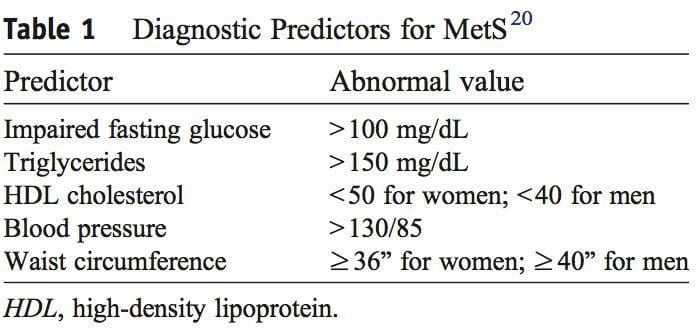
 PubMed was searched from the earliest possible date to May 2014 to identify review articles that outlined the pathophysiology of MetS and T2DM. This led to further search refinements to identify inflammatory mechanisms that occur in the pancreas, adipose tissue, skeletal muscle, and hypothalamus. Searches were also refined to identify relationships among diet, supplements, and glycemic regulation. Both animal and human studies were reviewed. The selection of specific supplements was based on those that were most commonly used in the clinical setting, namely, gymnema sylvestre, vanadium, chromium and ?-lipoic acid.
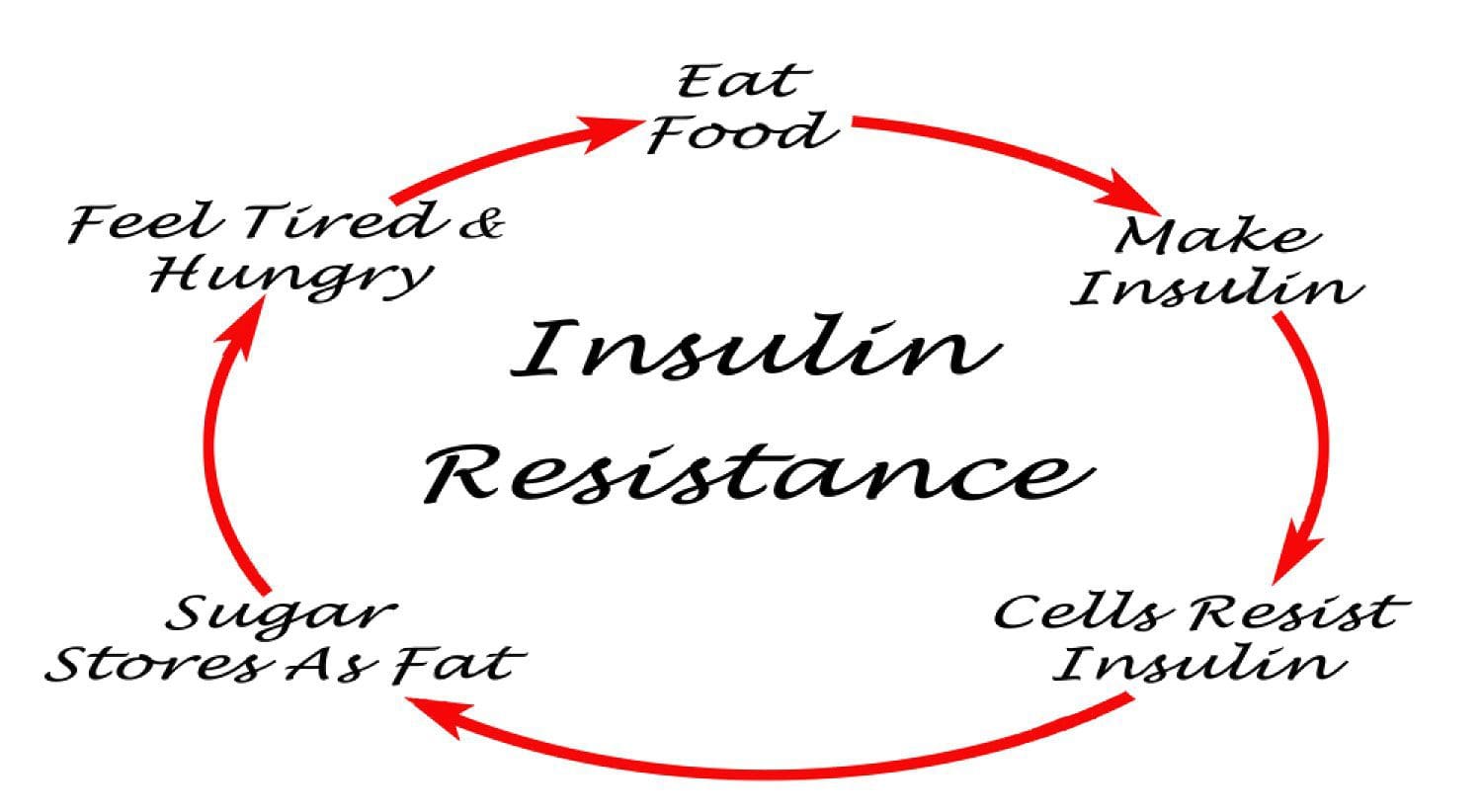 Under normal conditions, skeletal muscle, hepatic, and adipose tissues require the action of insulin for cellular glucose entry. Insulin resistance represents an inability of insulin to signal glucose passage into insulin-dependent cells. Although a genetic predisposition can exist, the�etiology of insulin resistance has been linked to chronic low-grade inflammation.1 Combined with insulin resistance-induced hyperglycemia, chronic low-grade inflammation also sustains MetS pathophysiology.1
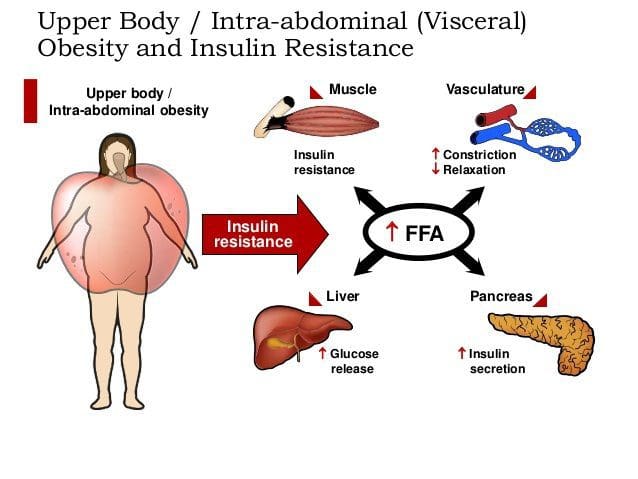 Caloric excess and a sedentary lifestyle contribute to the accumulation of subcutaneous and visceral adipose tissue. Adipose tissue was once thought of as a metabolically inert passive energy depot. A large body of evidence now demonstrates that excess visceral adipose tissue acts as a driver of chronic low-grade inflammation and insulin resistance.27,34
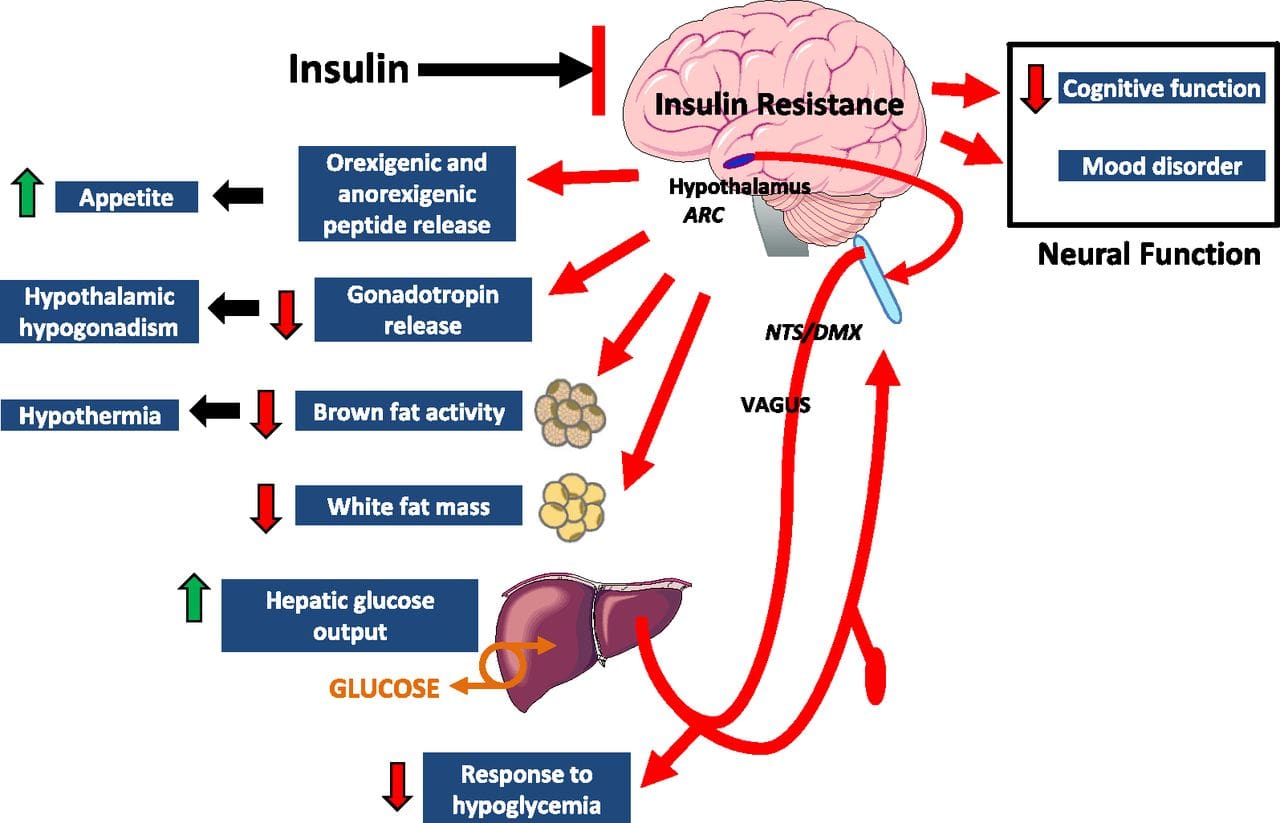 Eating behavior in the obese and overweight has been popularly attributed to a lack of will power or genetics. However, recent research has demonstrated a link between hypothalamic inflammation and increased body weight.41,41
 Feeding generally leads to a short-term increase in both oxidative stress and inflammation. 41 Total�calories consumed, glycemic index, and fatty acid profile of a meal all influence the degree of postprandial inflammation. It is estimated that the average American consumes approximately 20% of calories from refined sugar, 20% from refined grains and flour, 15% to 20% from excessively fatty meat products, and 20% from refined seed/legume oils.45 This pattern of eating contains a macronutrient composition and glycemic index that promote hyperglycemia, hyperlipemia, and an acute postprandial inflammatory response. 46 Collectively referred to as postprandial dysmetabolism, this pro-inflammatory response can sustain levels of chronic low-grade inflammation that leads to excess body fat, coronary heart disease (CHD), insulin resistance, and T2DM.28,29,47
 Diagnosis of MetS has been linked to an increased risk of developing T2DM and cardiovascular disease over the following 5 to 10 years. 1 It further increases a patient’s risk of stroke, myocardial infarction, and death from any of the aforementioned conditions.1
 Research has identified nutrients that play key roles in promoting proper insulin sensitivity, including vitamin D, magnesium, omega-3 (n-3) fatty acids, curcumin, gymnema, vanadium, chromium, and ?-lipoic acid. It is possible to get adequate vitamin D from sun exposure and adequate amounts of magnesium and omega-3 fatty acids from food. Contrastingly, the therapeutic levels of chromium and ?-lipoic acid that affect insulin sensitivity and reduce�insulin resistance cannot be obtained in food and must be supplemented.
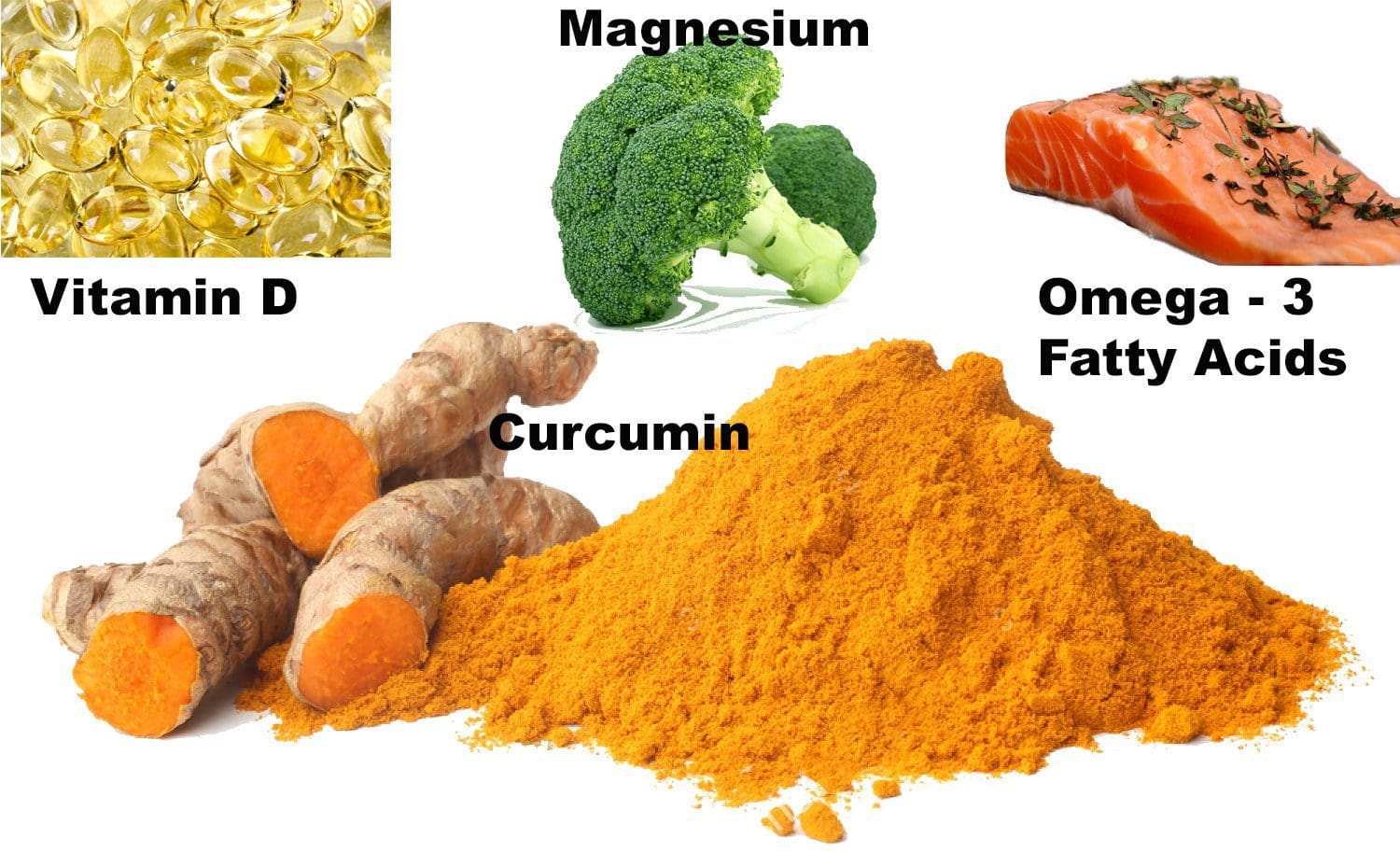 Vitamin D, magnesium, and n-3 fatty acids have multiple functions, and generalized inflammation reduction is a common mechanism of action.74�80 Their supplemental use should be considered in the context of low-grade inflammation reduction and health promotion, rather than as a specific treatment for MetS or T2DM.
 Gymnemic acids are the active component of the G sylvestre plant leaves. Gymnemic acids are the active component of the G sylvestre plant leaves. Studies evaluating G sylvestre’s effects on diabetes in humans have generally been of poor methodological quality. Experimental animal studies have found that gymnemic acids may decrease glucose uptake in the small intestine, inhibit gluconeogenesis, and reduce hepatic and skeletal muscle insulin resistance.99 Other animal studies suggest that gymnemic acids may have comparable efficacy in reducing blood sugar levels to the first-generation sulfonylurea, tolbutamide.100
 Vanadyl sulfate has been reported to prolong the events of insulin signaling and may actually improve insulin sensitivity.101 Limited data suggest that it inhibits gluconeogenesis, possibly ameliorating hepatic insulin resistance. 100,101 Uncontrolled clinical trials have reported improvements in insulin sensitivity using 50 to 300 mg daily for periods ranging from 3 to 6 weeks. 101�103 Contrastingly, a recent randomized, double-blind, placebo-controlled trial found that 50 mg of vanadyl sulfate twice daily for 4 weeks had no effect in individuals with impaired glucose tolerance. 104 Limited clinical and experimental data exist supporting the use of vanadyl sulfate to improve insulin resistance,�and further research is warranted regarding its safety and efficacy.
 Diets high in refined sugar and flour are deficient in chromium (Cr) and lead to an increased urinary excretion of chromium. 105,106 The progression of MetS is not likely caused by a chromium deficiency, 107 and dosages that benefit glycemic regulation are not achievable through food. 106,108,109
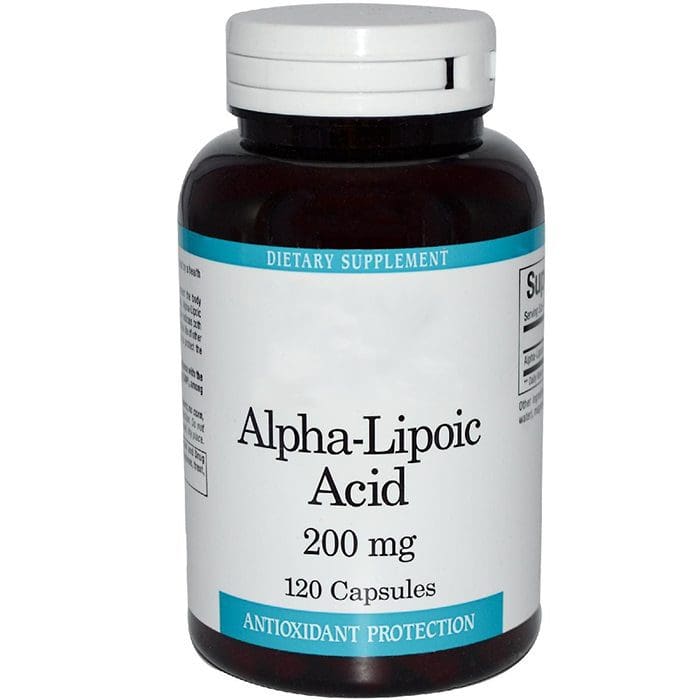 Humans derive ?-lipoic acid through dietary means and from endogenous synthesis. 111 The foods richest in ?-lipoic acid are animal tissues with extensive metabolic activity such as animal heart, liver, and kidney, which are not consumed in large amounts in the typical American diet. 111 Supplemental amounts of ?-lipoic acid used in the treatment of T2DM (300-600 mg) are likely to be as much as 1000 times greater than the amounts that could be obtained from the diet.112
 This is a narrative overview of the topic of MetS. A systematic review was not performed; therefore, there may be relevant information missing from this review. The contents of this overview focuses on the opinions of the authors, and therefore, others may disagree with our opinions or approaches to management. This overview is limited by the studies that have been published. To date, no studies have been published that identify the effectiveness of a combination of a dietary intervention, such as the Spanish






