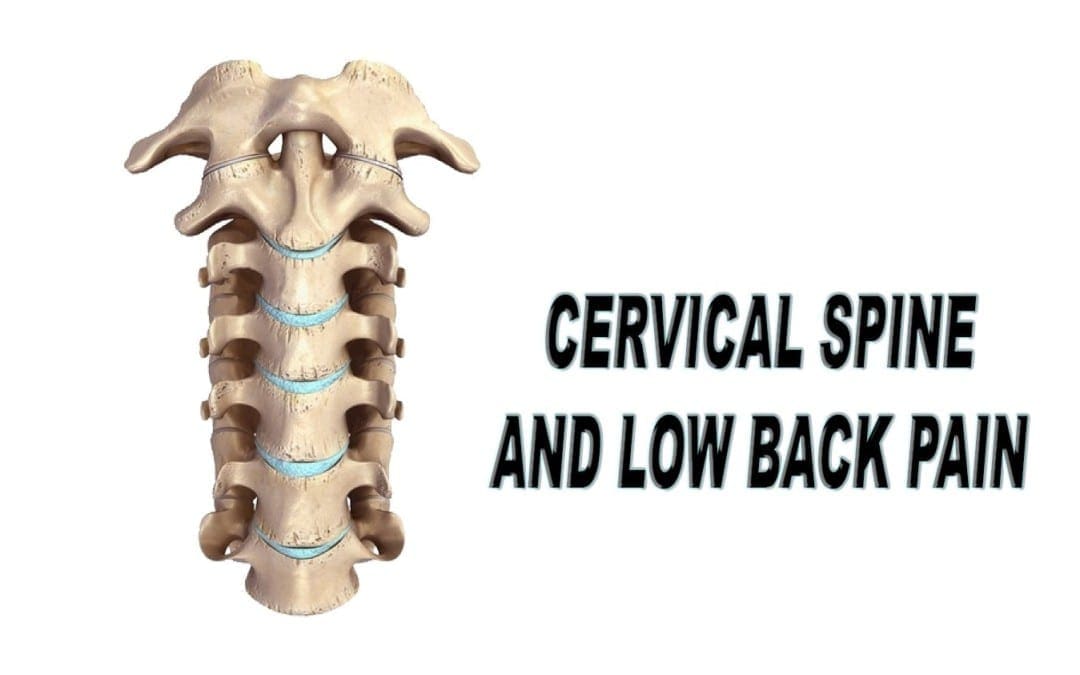
Doctor of Chiropractic, Dr. Alexander Jimenez looks at the cervical spine and low back pain.
Low back pain and leg pain are the most common cause of disability worldwide. As such new research based treatment approaches are needed. This new randomized trial by BCP Non-profit and Cairo University tested the ability of the cervical Denneroll orthotic to improve cervical spine curvature and its consequent effect on low back and leg pain. Great short term results were found where patients receiving the cervical spine Denneroll improved with low back pain, leg pain, neurological outcomes and disability compared to a PT only interventional group.
Doctor of Chiropractic, Dr. Alexander Jimenez discusses chiropractic care for back pain.
Back pain, especially lower back pain, is a constant for many people in El Paso and around the world. Chiropractors have always been known as �back pain doctors� to a certain degree, and while they can treat a much wider range of ailments, this moniker is certainly true. El Paso chiropractic care for back pain includes a range of individualized treatments designed to remove the pain permanently.
Some Facts About Back Pain
One estimate places the number of back pain sufferers in America at roughly 31 million.
Here are some other interesting facts that illustrate just how serious the problem is:
A 2010 report entitled Global Burden of Disease placed lower back pain as the leading cause of disability around the world.
Back pain is one of the most common reasons for missed work days and the second-leading reason for doctor�s visits behind infections in the upper-respiratory tract.
50 percent of all working Americans say they experience back pain symptoms each year.
Mechanical issues cause the majority of back pain cases, meaning they are not the result of an underlying health condition.
Conservatively, Americans spend about $50 billion on back pain.
Some experts say that as much as 80% of the population will experience back pain at some point in their lives.
Why Do I Have Back Pain?
The causes of back pain can vary quite a bit. With so many muscles, bones, ligaments, and joints all working together in a complex structure, strains and other injuries leading to back pain are common. You may be experiencing back pain due to improper lifting, poor posture, stress, being overweight, a past sports injury, or a car accident. Conditions like arthritis and osteoporosis also cause back pain, as does disease that originates in certain internal organs.
Chiropractic To The Rescue
Chiropractic care is a safe and effective way to treat many types of back pain. With proper chiropractic care for back pain, you will have greater mobility and fewer flare ups. For many patients eliminating the side effects of prescription pain medication is a welcomed benefit they never even considered. Chiropractic treatment focuses on the underlying cause of the back pain while most conventional treatments focus on the symptoms. When only treating the symptom or the pain you may experience relief, but whatever is causing that pain will still be there.
Reputable chiropractors will also suggest lifestyle changes you can make to help prevent back pain from returning. These include maintaining a healthy weight, avoiding prolonged sitting, staying active throughout your life, staying hydrated, wearing low-heel shoes, stretching your body, and using proper body posture. By helping yourself and receiving high quality chiropractic care, back pain should be a thing of the past.
Doctor of Chiropractic, Dr. Alex Jimenez goes through some tips on how to avoid back injuries.
When it comes to avoiding back injuries, your fate is largely in your own hands. It�s true that an unexpected fall or auto accident may cause an injury that�s beyond your control, but a large percentage of back injuries are caused by your own actions, which means you can take measures to prevent them or stop them from getting worse. Here are a few valuable back injury tips from a El Paso chiropractor.
Pay Attention to Your Lifting Technique
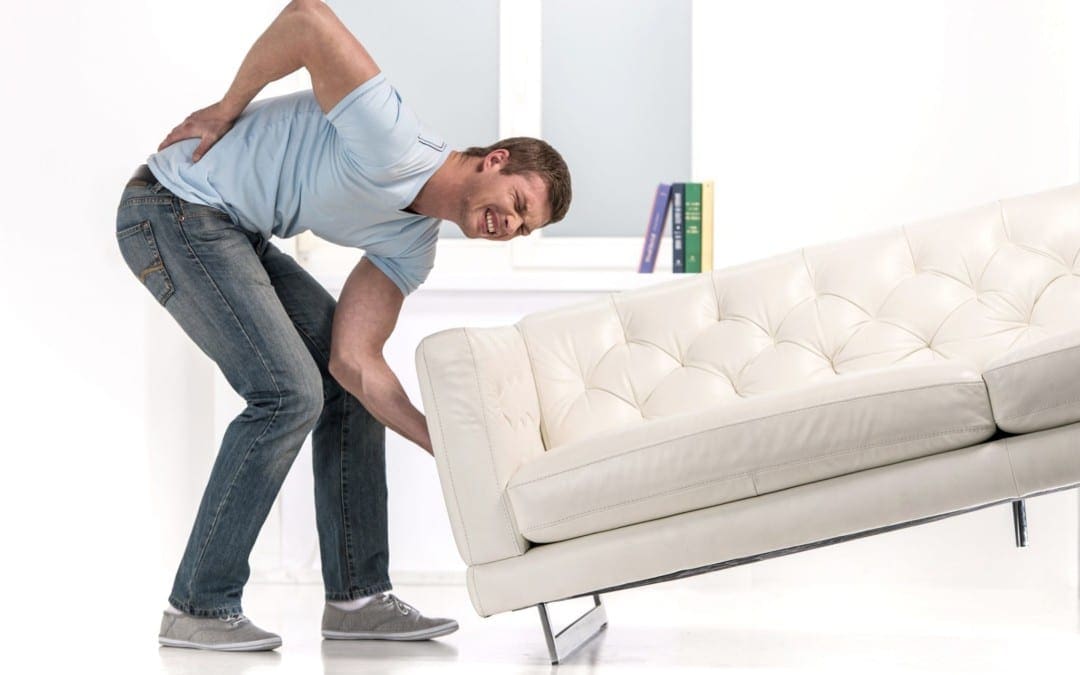
How you lift boxes, laundry baskets, children�s toys, a pair of shoes or just about anything else, has a bearing on the health of your back. When you lift correctly your spine is in the proper alignment and there is no added stress placed on your back. This means you should bend your knees and keep your back as straight as possible when you pick anything up off the floor.
If you have a lot of lifting to do try to place items on a table or chair so there isn�t as much bending required picking it up. Your back is not designed to work like a crane so anytime you use it that way you are putting stress on your back that doesn�t need to be there. Take a balanced stance, lift with your legs and move your feet if you need to change direction while holding the object.
Sensible Body Management
Performing activities with your back health in mind is a great strategy to help you avoid back injuries. That means stretching before any type of physical activity, taking it slow if you have a lot of repetitive lifting to do, and taking breaks to rest and stretch during the activity.
Getting yourself into good physical condition also protects your back and helps to avoid injuries. This includes losing weight in your midsection, and strengthening core muscles, to make lifting and general movement less stressful on your back. Most El Paso chiropractors will also tell you that sleeping on a firm mattress is another way you can nurture your back and prevent injuries.
Don�t Let Injuries Linger
If you end up with a back injury despite your efforts to avoid it, you should seek treatment with a El Paso chiropractor as soon as you can. Spinal misalignment, bulging discs, herniated discs, and other injuries often only get worse if you let them linger. Prompt treatment will restore blood flow to the area, relieve any compressed nerves and get you back to normal in the shortest time possible.
Doctor of Chiropractic, Dr. Alexander Jimenez looks at four ways of reducing back pain.
1. Understand The Way Your Spine Works
The best approach to take care of your spine and prevent back pain is to begin with a superb understanding of how the spine works. By understanding how your backbone works when you’re performing jobs that are day-to-day or moving during your day, you may be able to take care of your spine and keep it working for a long time with fewer problems and less back pain.
2. Incorporate Safe Body Mechanics Into Activities
Use good body mechanics during day-to-day jobs at home and work. What does that mean? Good body mechanics means while you go, keeping your back in a safe posture that is balanced. You can help to prevent back pain and injury, by remembering several easy notions. You should employ your leg and arm muscles when lifting and stooping �not your back muscles. Second, keep your back straight when bending and lifting. And last but not the very least, be sure to bend at your hips and knees, not at your waist.
An example of correctly bending at the hips and knees
3. Exercise On A Regular Basis
Regular care of stuff we possess helps to keep them working efficiently, with less effort and safely. Exactly the same is true of the back.
Exercising on a regular basis really helps to keep up long term to a healthy back.
Regular exercise helps to increase endurance and reduces fatigue.
But Don’t I Get Enough Exercise At Work?
Many people believe their occupations provide enough exercise�specially occupations which are physical and could include manual labor. Regrettably this really isn’t accurate. Individuals need daily exercise to state and strengthen their muscles to perform job tasks safely and efficiently.
Exercise could be fun! There are lots of types of exercise. One method when selecting to start a workout program to ensure success would be to pick some form of exercise that fits into your lifestyle. If exercise is accessible and convenient, you’ll be prone to continue exercising on a longterm basis. As an example, determining to swim daily or do water aerobics without easy use of a pool year round would make success less likely and consistency difficult.
A typical exercise that a lot of people start successfully with is walking. Walking just takes a superb pair of walking shoes, may be done any day of the year, and is usually simple to fit right into a daily program.
Remember, whatever type of exercise you decide on, always start out small (10 minutes vs 60 minutes), and slowly increase your own exercise time. This may help to make sure your success at getting started and sticking with a fitness plan. Add two or one stretching exercises, like a calf stretch, for your routine for one more benefit.
An example of a calf stretch
4. Fuel Your Body With Proper Nutrition
Eating a healthy diet supplies the fuel your body has to make energy. And energy must do work, meaning the jobs we do throughout the day, like work tasks and exercise. Appropriate nutrition also helps to maintain your ideal body weight. Weight management is a great way to restrain stress on the joints in your body, including the spine.
Unsure where to start to understand about proper nutrition and establishing a healthier diet for you personally as well as your lifestyle? Then take a look at Introduction to Nutrition. By integrating these suggestions into your everyday life, you’ll be able to promote a healthier back�and lifestyle�for a long time.
El Paso, TX. Chiropractor Dr. Alex Jimenez adds to the discussion of chiropractic treatment vs. pain medication and medical care.
Which Is More Effective For Low Back Pain? Meds Or Chiropractic?
That is the�question in our research theme of the week.
A Practice-Based Study of Patients with Acute and Chronic Low Back Pain Attending Primary Care and Chiropractic Physicians: Two-Week to 48-Month Follow Up
This study based used a practice-based, observational model to look at the effectiveness of intervention in a selected group of patients with both acute and chronic lower back pain (LBP). It compared the efficacy of chiropractic intervention with standard medical care in both kinds of Low Back Pain.
2780 patients were enrolled in the research over a 2-year period (1994 to 1996) from the practices of 60 DCs (1855 patients) and 111 MDs (925 patients) in 51 chiropractic and 14 general practice clinics. Patient data was obtained via a survey distributed in person at the first visit, and the patients were followed up over a period of 4 years with 7 mailed surveys at regular time intervals. Mailings were sent at 2 weeks, 1 month, 3 months, 6 months, and 1 year following the original visit. In phase 2, patients were followed up at 36 24, and 48 months.
Patients were eligible if LBP was their primary grievance, and was of mechanical source; they were excluded if exploitation was contraindicated, or the back pain was of nonmechanical origin (such as from organic referred pain). Acute patients were those whose back pain was of less than 7 weeks duration; long-term back pain patients were those whose back pain was longer or of 7 weeks duration.
The physicians in the research produced an assortment of treatment procedures. Chiropractic care included physical therapy, spinal manipulation, an exercise strategy, and self-care education. Medical doctors gave care that included an exercise plan prescription drugs, and self-care advice; nearly 25% of these patients were referred for physical therapy.
The primary outcomes measured were present pain severity, and functional impairment, which were quantified by questionnaires sent to the patients in the above stated times.
The medical patients showed more severe baseline pain and disability when entering treatment, greater prevalence of pain and poorer general health status, than in patients. These differences were more conspicuous in the chronic patients than in the acute patients.
An edge was seen for DC attention in comparison with MD attention for the first 12 months in pain relief. This difference was small but was greater for those with chronic LBP during the first year of treatment.
There was an advantage with all the usage of chiropractic care in long-term patients with pain radiating below the knee, and some small advantages were also seen in the acute patient group. Differences were also seen through the first 3 months of care with no leg pain in chronic patients. There were the 2 kinds of medical care for pain radiating over the knee as well as no differences in the 2 groups.
All patient groups found clinically important improvement in pain and disability over the span of treatment. Advancement that was greater was seen by acute patients, with many obtaining near complete relief of their symptoms. Most realized symptom relief by 3 months, followed by a plateau through 12 months. It was followed by critical, clinical aggravation of pain at 12 to 24 months, with another plateau until 4 years. Little upsurge in impairment was seen between 12 and 48 months.
Of note, at 3 years into the research, 45% to 75% of patients noted at least 30 days of pain throughout the prior year, even in those who had gained significant pain and disability relief through early intervention. Daily pain was noted by 19% to 27% of chronic LBP patients throughout the preceding year.
Early intervention reduces chronic pain. People who received early intervention for acute lower back pain after the original injury, reported fewer days of back pain than those who waited more for intervention. Since outcomes were better than in those who delayed treatment this would support providing early intervention for patients with acute back pain.
Chiropractic is valuable for certain types of pain. Chiropractic care�was shown to be�more effective�than standard medical care in certain situations: with pain radiating below the knee in patients with persistent lower back pain, as well as for treating LBP during the first 12 months. Nearly all the relief was sustained throughout the initial year, and was obtained during the first 3 months of treatment.
This study reports pain and disability results up to 4 years for chiropractic and medical patients with low back pain (LBP) and evaluates the impact of physician kind and pain length on clinical outcomes.
Conclusion
Study findings were consistent with systematic reviews of the efficacy of spinal manipulation (the Chiropractic adjustment) for pain and disability in severe and chronic LBP. Interdisciplinary referral and patient selection needs to be prime concerns by policymakers, physicians, and third-party payers in identifying health services.
Chiropractic is a treatment method that has moved from more of an alternative treatment to widespread mainstream acceptance over the past few decades. There will always be pockets of naysayers that question its validity, but the millions of satisfied patients around the world speak volumes about the effectiveness of chiropractic treatment on the human body. There are literally dozens of health issues that benefit from chiropractic adjustments, but here are 3 common conditions that El Paso chiropractors help:
1) Headaches
We all get headaches from time to time. Some are mild, some are more severe, but all of them have the potential to disrupt your day. Whether it is a tension headache caused by hours of sitting at a desk or a migraine brought on by a specific health condition, when the pain starts it is difficult to focus on anything else.
El Paso chiropractors help relieve headache pain on a regular basis. A lot of the time the pain you feel in your head is actually being caused by misalignment of the vertebrae in your spine. After a gentle adjustment and proper maintenance, many patients report no more pain and no more need for pain medication.
2) Shoulder Pain
Shoulder pain is a problem that far too many people deal with.� Pain in the shoulder can be referred pain from the spinal misalignments, or it can be caused by a misalignment in the shoulder.
No matter what specific type of shoulder pain you have, El Paso chiropractors help relieve both the pain and any range of motion issues that are present. Our team will help to access your condition and give you the best advice we can on what you can do to remedy the situation.
3) Lower Back Pain
If headaches and shoulder pain are among the most common conditions for the general public then lower back pain is probably at the head of the pack. One of the most common reasons for lumbar pain is from misaligned spinal segments.
Chiropractors can help the pain and reduced mobility associated with lumbar strains and sprains and help patients get back to their normal routines. Even if you�ve had lower back pain for years and have been told there is nothing that will help, it�s always worth the time explore your possibilities.
Please don’t hesitate to call our team with any questions you might have.� Today is a great day to get started on a new path to health.
Choosing to receive treatment from a chiropractor won�t stop your slice or improve your putting, but it just might end up improving your overall game and lowering your score. It�s no secret that golf can be hard on your lower back. The quick, repetitive twisting motion required to swing a club puts your back at risk every time you play, and if you already have a back injury you�re putting other muscle groups at risk. Keep reading to learn how to improve your golf game in El Paso with chiropractic care.
How Chiropractic Boosts Your Game
Since a chiropractor is specifically trained to treat the entire neuromusculoskeletal system they are able to help golfers reduce the amount of stress and strain placed on their bodies. The lower back does undergo a lot of stress with the torque of a standard golf swing, but there are other body parts that can affect your golf game, too. Pain or range of motion issues in your shoulders, elbows, knees or wrists will definitely affect your swing and lead to inflated scores.
Chiropractic treatment can put your body back into alignment, remove nerve compression, and improve blood flow to vital muscles. When you are free from pain and your mobility isn�t hindered in any way, you can swing freely and focus on your game.
It All Begins With You
Although you can improve your golf game in El Paso with chiropractic, taking steps to help yourself will improve it even further. Arrive early at the course and do some warm up stretching and light swings before your game. Whether you hit some balls at the practice range or not, stretching and loosening up is key. You�ll also want to perform some light stretches after your round to keep your muscles loose and lengthened.
It�s easy to get dehydrated out on the golf course, but not drinking enough can set the stage for a strained muscle or similar injury. Make sure you drink plenty of water before, during, and after playing golf, especially if it is hot outside. If you walk the course when you play, avoid carrying your bag and pull it instead. Carrying a heavy golf bag over 18 holes can cause disc problems and irritate nerves.
If you have the option, avoid wearing metal spikes when you play. They have the potential to get stuck in the ground during your swing, causing a serious knee or back injury. And if you find that your swing is causing pain in any area of your body, consider taking lessons to learn a more efficient way to swing your clubs. If you follow these tips you�ll enjoy a pain-free round every time out.
IFM's Find A Practitioner tool is the largest referral network in Functional Medicine, created to help patients locate Functional Medicine practitioners anywhere in the world. IFM Certified Practitioners are listed first in the search results, given their extensive education in Functional Medicine