by Dr Alex Jimenez DC, APRN, FNP-BC, CFMP, IFMCP | 915 Crossfit WOD Rss, Crossfit (Local)
In this cycle we will be working on pull strength, prepping for a better Memorial Day Murph, and extra supplemental strength work to do on your own after or before WOD. You can find this video here.
By the way, �Murph� is a workout that we do every Memorial Day. It is a classic CrossFit workout that just about every CrossFitter has done at one point or another. It is done in memory of Navy Lieutenant Michael Murphy, 29, of Patchogue, N.Y., who was killed in Afghanistan June 28th, 2005. (Yes, the same guy the Lone Survivor Movie featured)
����
Skill/Warmup
200m Run then
Spend 10min working
Barbell Hang Clean & Jerk
Strength:
Strict Press
Find HS then 2 x 2-4 @80% �
MetCon:
22 min to go as far as possible
30 Burpee over Bar
15 Clean & Jerks (Rx: 135/95 Sc: start at 50% )
30 Box Jump (24/20?�)
12 Clean & jerks (Rx: 155/105 Sc: add 10-20lbs)
30 HSPU (or 6 wall walks)
9 Clean & Jerks (Rx: 185/125 Sc: add 10-20lb)
30/24 Cal Row
6 Clean & Jerks (Rx: 225/145 Sc: add 10-20lb)
300m Run
3 Clean & Jerks (255/165 Sc: add 10-20lb)
30 V-up Situps
Max Clean & Jerk (275/185 Sc: add 10-20lb)
*** every 5min MUST REST 1min, unless you are at the last C&Js****�
Supplemental Strength Work
1) Bulgarian Split Squats- 3�10 each leg
2) Weighted Sit-ups- 3�15-20
3) Hollow Rocks- 3�15-20
4) Standing Teapots- 3�12 each side�

by Dr Alex Jimenez DC, APRN, FNP-BC, CFMP, IFMCP | UTEP (Local) RSS
Photo courtesy UTEP Women’s Golf / Facebook
Staff Report April 17, 2017 44 Views
Related Articles
The UTEP women�s golf team is tied for 10th place after day one of the Conference USA Championship on Monday in Fort Myers, Fla.
The Miners shot a 19-over-par 307 over the opening 18 holes. Old Dominion tops the 11-team field with a one-over 289, with Middle Tennessee in second (292) and UAB in third (296).
UTEP�s Lily Downs is tied for 16th place, eight strokes off the individual leader. She carded a three-over-par 75 on Monday and led the Miners with three birdies. Sofia Castiello is tied for 26th place (76), Alisa Rodriguez and June Ting are tied for 35th place (78), and Abbie Anghelescu is tied for 52nd place (84).
Middle Tennessee�s Jenna Burris fired a five-under 67 on Monday and is first among 55 golfers.
The tournament continues with one round Tuesday and the final round on Wednesday.
Check Also
Quarterbacks Ryan Metz, Zack Greenlee and Mark Torrez all engineered touchdown drives, and the defense �

by Dr Alex Jimenez DC, APRN, FNP-BC, CFMP, IFMCP | 915 Crossfit WOD Rss, Crossfit (Local)
Femmefit Tuesday April 18 2017 – Crossfit 915Crossfit 915
4 sets
10 Arnold press
10 lateral raises
WOD
the �Joanne� WOD
for time
400m run
then
4-8-12-16-12-8-4
push press
goblet squats
pullups
one arm snatches
wallball shots
then
400m run
Related posts
April 11, 2016 – 0 comment

by Dr Alex Jimenez DC, APRN, FNP-BC, CFMP, IFMCP | Arthritis, Chiropractic, Wellness
El Paso TX. Chiropractor Dr. Alex Jimenez looks at how chiropractic treatment can help with joint inflammation.
If you are one of the millions of Americans with arthritis, you don�t have to suffer from painful joint inflammation.
Joint swelling is common in different types of arthritis, but arthritis can be managed with chiropractic care.
Arthritis Can Appear�Anywhere�& Symptoms Range From Inflammation, Pain & Stiffness

There Are More Than 100 Different Forms Of Arthritis & All Cause Pain In Different Ways
Arthritis was once considered a common part of the aging process and a signal that it�s time to slow down. However, according to the American Chiropractic Association, recent research and clinical findings show that there is much more to life for arthritis patients than the traditional recommendation of bed rest and medications.
The physical medicine of chiropractic adjustments which help restore the injured tissue strength and elasticity while decreasing the nerve sensitivity. With movement and function restored, excess pressure is not forced onto the joints.
According to Dr. Mike DeCubellis, owner and director of Main Street Chiropractic and Wellness Center in Downers Grove, the most effective therapies to relieve the pain and stiffness of osteoarthritis of the spine is massage therapy, electrical muscle stimulation therapy and ultrasound.
�The goal for each of the therapies is to reduce the pain and inflammation, relax the muscles tension associated with arthritis and increase the joint motion,� DeCubellis said.
Arthritis cannot be cured, but treatment from a chiropractor can prevent the damage created by the arthritis.
If a joint is out of alignment and not functioning properly, the surfaces will begin to make contact. That grinding causes inflammation, which leads to arthritis and – if left untreated – joint damage.
Your chiropractor can help you develop an exercise program that will help restore range of motion and improve flexibility and increase strength.

Call Today!
Source:
Main Street Chiropractic and Wellness Center�www.chiropracticdownersgrove.com

by Dr Alex Jimenez DC, APRN, FNP-BC, CFMP, IFMCP | Diets
El Paso, TX. Chiropractor Dr. Alex Jimenez takes a look at desserts and sweets.
Would you feel guilty eating sweets? You must not. There’s nothing wrong with eating an occasional sweet. It is much wiser to plan a dessert that is sweet again and now, rather than deprive yourself for weeks only to eat half your body weight in sweets later.
Balance Counts
Regrettably, way too many Americans eat way too much sugar. Our per capita consumption of sugar is 120 pounds per year! This works out to 600 extra calories a day which are devoid of any nutritional value. In view of the fact, it is obvious why Americans have a problem with obesity while falling short with other crucial nutrients like calcium, iron and folic acid.
A short note has to be stated about carbohydrates along with the bodies’ capacity to burn them. Which food would you believe causes obesity? As sugar is a concentrated supply of carbohydrates, extra calories can be carried by it. Excessive calories are converted into fat!
It can cause other health problems although sugar in the diet does not have the killer status of salt and fats. Tooth decay can function as the effect of sweets taken in between meals. Honey, which many believe is fitter than table sugar, truly has a paste which adheres cavity causing bacteria to teeth.

Sugar:�An Acquired Taste
Luckily our taste for sweets is acquired substantially like our taste for salt. This means by changing the numbers in our diet we can alter our flavor acquity for sugar.
Gradually replace less sweet foods, like tea biscuits and fruit tarts, for icing-load cakes and cookies. Make some of your favorite recipes with a third less sugar. Without altering the final product the sugar generally in most recipes can be reduced by 50 to 75 percent. You may use half the amount of concentrate to produce the same amount of sweetness as fruit juice concentrate is as sweet as sugar. Fruit juice concentrate additionally helps supply moisture to baked goods which are reduced in fat.
Assess the “tips” section for additional thoughts on checking your sweet tooth. Don’t forget, you want nutritional value for your calories. More healthy options go a long way in making you fit thin and cut.
Strategies For Cutting Back On Sugar
- If sweets are your downfall, try saving them. Plan cookie or a candy bar on the weekends, say, ahead of time. It’s far better to incorporate them to them than binge when feeling deprived.
- Bake your own sweets. Or try substituting applesauce for sugar in muffin and sweet bread recipes.
- Use dried fruits in cookies as additional sweeteners. As stand alone snacks beware as they�may stick to teeth and are rich in calories.
- Use powered sugar as a substitute for icings on chocolate cakes. Get a doilie and position on top of cake. Sprinkle powdered sugar on top and remove doilie… Wallah! Poetry with no additional fat!
- Use “conserves” instead of “preserves”. The former do not have added sugar.
- Use sliced fresh fruit for pancakes or french toast. Sprinkle with powdered sugar. This helps bypass the maple syrup.
- Buy basic non fat yogurt and add your own personal fresh fruit. Flavored yogurts can include up to seven teaspoons of sugar that is added. This works nicely for sweetening chilly goods, but breaks down in cooking.
- Search for more than four grams of fiber and breakfast cereals with six grams or less of sugar that is added. Browse the label and beware of words that end with “ose”. These are sugars also: corn syrup solids, dextrose, maltose etc.
- Create your personal drink with half fruit juice and half mineral water.�These items can have just as much sugar as sodas.
- Eat fresh fruit whenever possible. When buying canned fruit, purchase those packaged within their very own juice or “lite” syrup.
- Avoid having sweets near “guests.” It is likely that you’ll eat them before your friends and family will.
Call Today!

by Dr Alex Jimenez DC, APRN, FNP-BC, CFMP, IFMCP | UTEP (Local) RSS
Related Articles
IRVING, Texas � The UTEP women�s tennis team will begin play at the 2017 Conference USA Championship on Thursday, April 20, as the 14th seed, the league announced Monday. The Miners (4-13, 0-1 C-USA) will face No. 3 seed Marshall (13-9, 1-1 C-USA) at 12 p.m. (CT) at Waranch Tennis Complex in Denton, Texas.
If the Miners win, they will face the winner between No. 6 WKU and No. 11 Florida Atlantic on Friday, April 21 in the quarterfinals. Defending tournament champion Rice and FIU earned a first round bye with the No. 1 and No. 2 seeds, respectively. In the Intercollegiate Tennis Association team rankings, Rice is ranked No. 35 and FIU No. 37 among Division I schools.
All six Miners will make the trip to Denton. Milou Pietersz, Lois Wagenvoort, Raven Bennett, Daphne Visscher, Duda Santos and Maria Paula Medina fielded a full line up last Friday, when the Miners fell 4-3 to NM State. It was the first time since March 4 that the injury-plagued team had a full lineup, helping the squad to the doubles point and two singles wins against the Aggies.
The Miners are led by Pietersz and Wagenvoort, who link up for the No. 1 spot in doubles. The duo recorded their first shutout of the spring season when they blankedNM State�s Vanessa Valdez and Rebecca Keijzerwaard 6-0. In singles play, Pietersz had a comeback victory against Valdez in three sets (0-6, 6-1, 7-5) at the No. 2 spot, while Wagenvoort added to the Miners� score with a 6-3, 4-6, 6-4 victory on court four. Bennett sports a team-best 5-5 singles record in dual match play primarily at the No. 6 position.
The Thundering Herd slipped by Old Dominion 4-3 on March 19, but fell to Rice, 4-1, on April 9 in Houston. The Herd has defeated four Power Five conference teams in Wisconsin, Minnesota, Virginia Tech and Penn State.
Five Marshall players have recorded at least 10 singles wins, led by senior Derya Turhan, who sports a 17-3 record at the No. 1 position. Stephanie Smith, who is 13-5 in singles at the No. 3 spot, pairs up with Daniela Dankanych at no. 3 doubles, earning Marshall�s top doubles record at 11-4.
The first round of the tournament will begin with No. 8 Southern Miss taking on No. 9 UTSA and No. 7 Charlotte facing No. 10 Louisiana Tech, with both matches at 9 a.m. (CT). The winner between Southern Miss and UTSA will face top-seeded Rice in the quarterfinals.
Other first round matchups include tournament host No. 5 North Texas battling No. 12 Middle Tennessee at 12 p.m. (CT) and No. 4 Old Dominion facing No. 13 UAB at 3 p.m. (CT).
The Conference USA Championship match will take place on Sunday at 10 a.m. CT.
2017 Conference USA Women�s Tennis Championship
First Round � Thursday, April 20
Match 1: (8) Southern Miss vs. (9) UTSA � 9 a.m.
Match 2: (7) Charlotte vs. (10) Louisiana Tech � 9 a.m.
Match 3: (5) North Texas vs. (12) Middle Tennessee � 12 p.m.
Match 4: (3) Marshall vs. (14) UTEP � 12 p.m.
Match 5: (4) Old Dominion vs. (13) UAB � 3 p.m.
Match 6: (6) WKU vs. (11) Florida Atlantic � 3 p.m.
Quarterfinals � Friday, April 21
Match 7: Match 1 winner vs. (1) Rice � 10 a.m.
Match 8: Match 2 winner vs. (2) FIU � 10 a.m.
Match 9: Match 3 winner vs. Match 5 winner � 2 p.m.
Match 10: Match 4 winner vs. Match 6 winner � 2 p.m.
Semifinals � Saturday, April 22
Match 11: Match 7 winner vs. Match 9 winner � 12 p.m.
Match 12: Match 8 winner vs. Match 10 winner � 12 p.m.
Championship � Sunday, April 23
Match 13: Match 11 winner vs. Match 12 winner � 10 a.m.
All Times Central
by Dr Alex Jimenez DC, APRN, FNP-BC, CFMP, IFMCP | Chiropractic, Integrative Functional Wellness, Integrative Medicine, Wellness
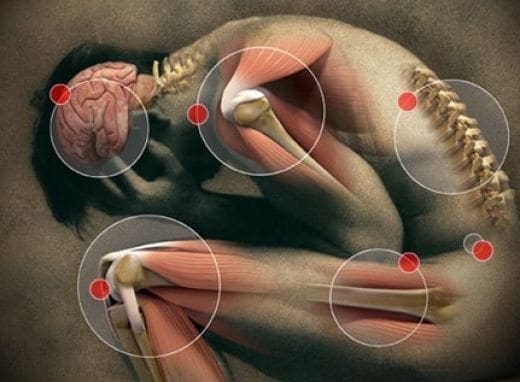
El Paso TX. Chiropractor Dr. Alex Jimenez takes a look at medication for joint pain and how they can make the pain worse.
Non-steroidal anti-inflammatory drugs (NSAIDs) are as common as candy, a staple of every home medicine cabinet and tossed casually in desk drawers, purses, and briefcases. Many people take these drugs, which include ibuprofen (sold as Motrin and Advil), naproxen (Aleve), and aspirin, at the first sign of a�headache or muscle cramps � and they are a daily ritual for many people living with arthritis.
But few people realize that NSAIDs carry a black-box warning, the strictest warning issued by the Food and Drug Administration. �Most people think that the government or FDA would not allow something dangerous on the market, especially since most of them are over-the-counter and [used] without a prescription,� says integrative medicine expert Sunil Pai, MD, author of An Inflammation Nation. �A black-box warning is the FDA�s attempt to let you know that you can end up in a casket if you are unlucky enough to suffer one of a medication�s serious reactions.�
Not only have NSAIDs been linked to a slew of serious side effects, including ulcers, hearing loss, allergic reactions and miscarriages, but they can actually worsen some of the conditions, such as arthritis, they are supposed to help.
�The scientific literature makes it abundantly clear that NSAIDs�have a significant negative effect on cartilage,� which accelerates the deterioration of arthritic joints, says Pai. �NSAIDs have no beneficial effect on [cartilage] and speed up the very disease for which they are most used and prescribed.�
Even worse, NSAIDs do not address the underlying conditions that cause pain and inflammation, such as a leaky gut, and can even exacerbate them. Stress, infections, alcohol, and a poor diet can all irritate the gut lining and lead to a leaky gut, but so can NSAIDs.
�If you use a full therapeutic dose of NSAIDs for two weeks, there is a 75 percent chance you will develop a leaky gut that doesn�t go away when you stop taking the drug, Leo Galland, MD, tellsExperience Life magazine.
6 Simple Dietary Interventions To Fight &�Heal A Leaky Gut
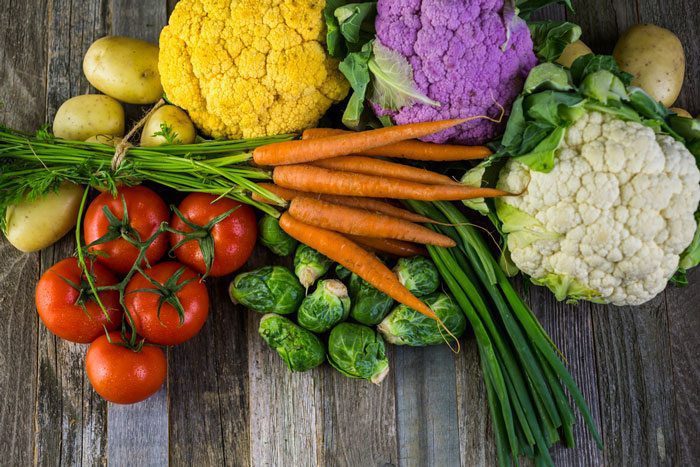
So, how can people with acute or chronic inflammatory conditions fight pain naturally? Some simple dietary interventions go a long way towards fighting inflammation and healing a leaky gut.
1. Try an Elimination Diet
Removing common foods that can irritate the gut, including gluten, sugar, dairy, processed foods and soy, can jumpstart the healing process. Sugar (and refined grains, which turn to sugar in the body), for example, is one of the single biggest drivers of inflammation and its downstream consequences.
When sugar cravings strike, try roasting root vegetables or sweet potatoes. Roasting concentrates the natural sweetness of the plant, but the fiber slows down sugar absorption in the bloodstream.
2. Eat Whole Foods
Michael Pollen�s recommendation � �Eat food. Not too much. Mostly plants.� � Is great advice when it comes to naturally fighting inflammation. Eating a Standard American Diet (SAD) � high in processed foods, unhealthy fats, and sugars � is like pouring kerosene on inflammation�s fire. Eating whole foods, rich in phytonutrients, helps put out that fire.
One fun way to eat more plants? Strive to �eat the rainbow,� or get at least one whole food from all the different colors of the rainbow each day:
- Red (pomegranates, strawberries, tomatoes)
- Orange (sweet potatoes, carrots)
- Yellow (lemon, squash)
- Green (avocado, Brussels sprouts, green tea)
- Blue/purple (berries, olives)
- White/tan/brown (garlic, onion, mushrooms).
Animal protein doesn�t need to be avoided if it�s grass-fed and pastured. Instead, try to reverse the ratio on your dinner plate: Make meat the side dish and vegetables the main course.
3. Supplement with Glutamine
Glutamine helps heal your gut by fueling the cells in your gut lining. You could think of it as a leaky gut superhero. �Glutamine heals the intestinal lining more than any other nutrient,� Liz Lipski, Ph.D., CCN, author of Digestive Wellness, tells Experience Life.
4. Get Your Omega-3s
Omega-3 fatty acids are natural inflammation fighters. Good whole food sources of omega-3s include wild-caught fish, grass-fed meat, pastured eggs, algae, and seeds such as hemp, chia, and flax. A high-quality omega-3 supplement is also worth considering. Even on a largely whole-foods-based, it can be hard to get the recommended daily amount of omega-3s.
5. Drink Bone Broth
Bone broth is one of the best natural sources of collagen, a protein found in abundance in our ligaments, tendons, bones, and skin. The collagen in broth is easily absorbed by our tissues and can not only help promote healthier connective tissue and ease joint pain, but it can also help heal a leaky gut. The best bone broth is homemade�but increasingly high-quality bone broth is available for purchase at cooperatives and health food stores.
6. Consider Botanical First Aid
Many plants are powerful inflammation fighters. Turmeric may be the best known and most studied.�Recent research suggests that the active ingredient in turmeric (called curcumin) has anti-inflammatory, antioxidant, antiviral, antibacterial, antifungal, and anticancer activities on par with commonly prescribed arthritis drugs like Enbrel and Humira.
A lot of other plants and plant compounds show similar activity in the body, including ginger, bromelain (an enzyme found in pineapple), capsaicin (the active ingredient in hot peppers), and ginger. Consult your healthcare practitioner before taking botanical supplements.
Call Today!
Source:
http://www.drfranklipman.com/problem-nsaids-yes-mean-advil/