A natural compound found in strawberries called fisetin reduces the mental effects of aging, says a study published in the Journals of Gerontology Series A. Researchers found it could help treat age-related mental decline and conditions like Alzheimer’s or stroke.
“Companies have put fisetin into various health products but there hasn’t been enough serious testing of the compound,” says Pamela Maher, a senior staff scientist in Salk’s Cellular Neurobiology Laboratory and senior author of the paper.
“Based on our ongoing work, we think fisetin might be helpful as a preventive for many age-associated neurodegenerative diseases, not just Alzheimer’s,” she said.
Maher has been studying fisetin, which is a type of flavonol that has powerful antioxidant properties, for more than a decade. Previous research found that it reduced memory loss related to Alzheimer’s disease (AD) in mice genetically modified to develop the disease.
When the scientists studied mice with Alzheimer’s, they found that the pathways involved in cellular inflammation were turned on. However, when the mice were given fisetin, they began producing anti-inflammatory molecules, and both memory loss and learning impairments were prevented. That particular research focused on genetic AD, which accounts for only 1 to 3 percent of cases.
For the recent study, Maher used a strain of laboratory mice that age prematurely and show signs of the disease at about 10 months in comparison to signs of physical and mental decline not seen in normal mice until two years of age.
The researchers fed the 3-month-old prematurely aging mice a daily dose of fisetin with their food for 7 months. Another group of the prematurely aging mice was fed the same food without fisetin.
During the study period, mice took various activity and memory tests. The team also examined levels of specific proteins related to brain function, as well as stress and inflammation.
“At 10 months, the differences between these two groups were striking,” says Maher, who hopes to conduct human trials. Mice not treated with fisetin had difficulties with all the cognitive tests as well as elevated markers of stress and inflammation. Brain cells called astrocytes and microglia, which are normally anti-inflammatory, were now driving rampant inflammation.
On the other hand, mice treated with fisetin were not noticeably different in behavior, cognitive ability or inflammatory markers at 10 months than a group of untreated 3-month-old mice with the same condition. In addition, fisetin was found to be safe even at high doses.
Strawberries have also been found to fight esophageal cancer. Chinese researchers gave volunteers freeze-dried strawberries each day for six months. A comparison of before-and-after biopsies showed that precancerous lesions in participants were decreased by 80 percent.
While too much fat, especially of the “bad” variety, can lead to weight gain and health problems, a moderate amount of fat is essential to a healthy lifestyle.
Adding a little fat to your food, either through cooking or drizzling over salads, can help to fill you up and feel more satisfied after a meal, as well as boost health by helping the body absorb several fat-soluble vitamins.
However, with the recent news that coconut oil, long believed to be a “healthy” fat, should actually be avoided, many of us may be wondering once again which fats are the good ones.
Here we round up some advice from the University of Kentucky on which oils to keep on hand in the kitchen, and which to avoid.
Canola oil
This oil is the lowest in saturated fat, just 7 percent, while also containing high levels of monounsaturated fatty acids, which lower LDL and in recent years have been studied for potentially helping control blood glucose.
This oil is great for stir-frying, grilling, and replacing many solid fats — the ones to avoid — in recipes.
Olive oil
An important ingredient in the popular and healthy Mediterranean diet, olive oil is well-known for its many health benefits, including lower risk of death from cardiovascular disease and a reduced level of inflammation in the body.
Use extra-virgin and virgin olive oils for uncooked dishes, like salads, and choose refined olive oils for cooking as they are better at higher temperatures.
Peanut oil
High in monounsaturated (good) fat, peanut oil also contains vitamin E, an antioxidant that helps maintain a strong immune system, healthy skin and eyes, and helps with the formation of red blood cells.
Thanks to a high smoke point, this oil is ideal for frying, roasting and grilling.
Avocado oil
This oil is also high in monounsaturated fats and vitamin E, and also has a tasty but mild flavor, making it great to add cold onto salads.
It also has a high smoke point for those who prefer to cook with it. However, if avocado oil is too expensive or difficult to find, canola oil makes a good budget-friendly alternative.
And the oils to avoid
Saturated or “solid fats” should be consumed sparingly — these are the oils that are solid at room temperature such as coconut oil, butter, palm oil, beef tallow, and lard.
Because saturated fat contributes to a rise in the level of LDL cholesterol, also known as “bad” cholesterol, the AHA recommends that saturated fat should make up a maximum of 10 percent of total caloric intake for healthy Americans, and a maximum of 6 percent for those who need to lower cholesterol levels.
Coffee addicts and aficionados often say drinking the bitter liquid makes life worth living, but the habit may also help them live longer, according to two major international studies Monday.
Experts cautioned, however, that the US and European reports, published in the Annals of Internal Medicine, failed to show that coffee was truly the reason that many drinkers appeared to have longer lives.
Rather, the studies were observational in nature, meaning they showed an association between coffee-drinking and a propensity toward longevity, but stopped short of proving cause and effect.
The first study, led by the International Agency for Research on Cancer (IARC) and Imperial College London, examined more than half a million people across 10 countries in Europe.
Those who drank about three cups a day tended to live longer than non-coffee drinkers, said the study, which researchers described as the largest analysis of the effects of coffee-drinking in a European population.
“We found that higher coffee consumption was associated with a lower risk of death from any cause, and specifically for circulatory diseases, and digestive diseases,” said lead author Marc Gunter of the IARC, formerly at Imperial’s School of Public Health.
“Importantly, these results were similar across all of the 10 European countries, with variable coffee drinking habits and customs.”
The second study included more than 180,000 participants of various ethnic backgrounds in the United States.
It found benefits to longevity whether the coffee was caffeinated or decaffeinated.
Coffee drinkers had a lower risk of death due to heart disease, cancer, stroke, diabetes, and respiratory and kidney disease.
Those who drank one cup a day were 12 percent less likely to die compared to those who didn’t drink coffee.
Those who drank two or three cups per day saw an even higher 18 percent reduced risk of death.
“We cannot say drinking coffee will prolong your life, but we see an association,” said lead author Veronica Setiawan, an associate professor of preventive medicine at the Keck School of Medicine of University of Southern California.
“If you like to drink coffee, drink up! If you’re not a coffee drinker, then you need to consider if you should start.”
Coffee is one of the most popular drinks in the world. Some 2.25 billion cups are consumed every day.
Many prior studies have hailed the benefits of coffee-drinking, saying the beverage imparts anti-oxidants, may improve liver function and reduce inflammation.
But coffee may carry risks for some people, and pregnant woman and children are urged to avoid caffeine, which can be fatal in high doses.
A report from the IARC last year that said drinking very hot beverages — coffee, tea or otherwise — is one probable cause of cancer of the esophagus, the tube that runs from the throat to the stomach.
Experts who were not involved in the latest studies urged caution in interpreting the results.
For instance, the European study excluded people who had cancer, heart disease or diabetes, meaning it took a measure of people over 35 who were already generally healthy.
It also asked about coffee consumption just once, at the beginning, and did not update this figure over the span of the study, which included an average follow-up time of 16 years.
Finally, it found signs of a link between women who drank large amounts of coffee and a higher risk of cancer death, but downplayed this finding, saying it “may be spurious.”
The “conclusions will not lead me to start drinking coffee or to recommend people drink more coffee as a way to lessen their risks for heart disease,” said Naveed Sattar, professor of metabolic medicine at the University of Glasgow.
“I remain unconvinced that the link between coffee and heart disease represents a true cause and effect relationship and that coffee is truly protective, regardless of how large a study suggests this.”
Sattar said that one downside to the research is the fact that many people stop drinking coffee — or drink less of it — when they are ill, a “bias is very hard to fully overcome.”
David Spiegelhalter, a professor at the University of Cambridge, described the research as “huge in size and carefully done,” but nevertheless unable to prove cause and effect.
“If these estimated reductions in all-cause mortality really are causal, then an extra cup of coffee every day would on average extend the life of a man by around three months, and a woman by around a month,” he added.
NORTHBROOK, Ill. ��Allstate Insurance Company and the American Football Coaches Association (AFCA) announced�on Monday�that UTEP quarterback Ryan Metz one of 146 nominees for the 2017 Allstate AFCA Good Work Team, a prestigious off-the-field honor in college football.
�Allstate is immensely honored to partner with the AFCA for the 10th�year to help pay tribute to these players and their off-the-field �good works� that often go unnoticed and unrewarded,� said Thomas Clarkson, president of the west territory for Allstate Insurance Company and a member of the 2017 Allstate AFCA Good Works Team�voting panel. �The individuals nominated to the 2017 Good Works Team�are making a positive impact and uniting communities across the country through service, showing what�s possible when you put all hands in and give back.�
The El Paso native is known for his on-field achievements and has also made an impact off the field. The junior completed 25 hours of community service hours last season, while the signal caller is known for volunteering his time to children in the community. Metz volunteered over 15 hours at children�s camps, where he assisted with football drills and activities for the future gridiron greats.
Metz was also a member of Project MOVE, where he played with children in the community in various activities like kickball, football and soccer. Metz is active in assisting with the football team�s weekly dinner with the Child Crisis Center. Metz, along with his teammates, spend time with the children in the Crisis Center, playing, working on homework and eating dinner together.
The student-athletes nominated for this esteemed award embody the true spirit of teamwork and selflessness, donating their limited free time to helping and serving others. From founding a non-profit that helps orphans secure jobs in the workforce to raising funds and awareness for childhood cancer research, the 2017 Allstate AFCA Good Works Team��nominees may wear different jerseys on the field, but they all exemplify a superior commitment to giving back off of it.
Comprised of 11 players from the NCAA Football Bowl Subdivision and 11 players from the NCAA Football Championship Subdivision, Divisions II, III and the NAIA, the final roster of 22 award recipients will be unveiled in September. From the nominees submitted by sports information directors across the nation on behalf of their schools, a special voting panel consisting of former Allstate AFCA Good Works Team�members and prominent college football media members will select the 2017 Good Works Team.
Two-time national champion, Heisman Trophy winner and 2009 Allstate AFCA Good Works Team�member Tim Tebow will headline the Allstate AFCA Good Works Team�voting panel.
Once the final team members are announced in September, college football fans are encouraged to visit the Allstate AFCA Good Works Team�website on ESPN.com, featuring profiles and images of the players, for the opportunity to vote for the 2017 Allstate AFCA Good Works Team�Captain. Throughout the season, fans can also follow along and join in on the conversation by searching and using #GoodWorksTeam on their social media channels.
In order to meet the criteria, set forth by Allstate and the AFCA, each player must be actively involved with a charitable organization or service group while maintaining a strong academic standing.
Metz has also excelled in the classroom, as he�s a three-time Conference USA Commissioner�s Honor Roll recipient with a 3.34 GPA in Mathematics. Metz completed 64.7 percent of his passes, ranked third in C-USA in 2016, while it�s the program�s second-best single-season performance. His 14 passing scores were the most for a UTEP quarterback since 2010.
Recently, Metz was one of 45 national collegiate quarterbacks, and the first UTEP quarterback, to be invited to the 2017 Manning Passing Academy supervised by the Manning Family (Archie, Cooper, Peyton and Eli). The camp was a four-day event that started on June 22 at Nicholls State University in which over 125 prep, college and professional coaches, counselors and staff members were involved.
Fractures of the process of the lower spine or upper thoracic spine are often referred to as clay-shoveler’s fractures.
Initially reported in 1940, these fractures were described among employees in Australia who dug drains in clay soil and also threw the clay overhead with shovels. The mud wouldn’t discharge from the spade, causing excess power to be transmitted into the supraspinous ligaments and leading to an avulsion fracture of one or more spinous processes.
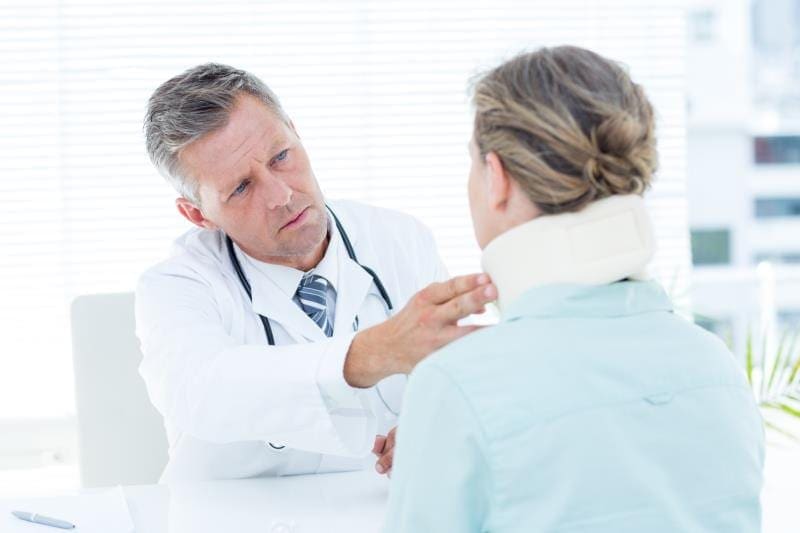
The following frequently describes the mechanism of injury for clay shoveler’s fractures. The contraction of the paraspinal and trapezius muscles on the ligaments along with the attachment to the spinous processes make this a common injury during athletics with a flexed position of the shoulders and neck. The consequent fracture or apophyseal avulsion is painful and frequently requires a visit to the doctor, together with plain films, computed tomography (CT) scans, or magnetic resonance imaging (MRI) confirming the identification.
Often a period of rest will allow a return to activity, although treatment of these fractures hasn’t been clarified. We present a collection of adolescent athletes who underwent surgical interventions to treat the fracture of the spinous process, after rest and physical therapy with persistent symptoms.
Surgical Intervention Study
Dr. Hedequist operated on 3 patients using a spinous process nonunion within the study time period. The patients’ average age was 14 years; the location of the spinous process fracture was the T1 vertebra in all patients. Two patients sustained the injury while playing hockey and one while wrestling. The average duration of symptoms before surgery was 10 months; all patients had seen physicians without a diagnosis before test in institution. All patients had a trial of physical therapy and all had been unable to return after trauma to pain.
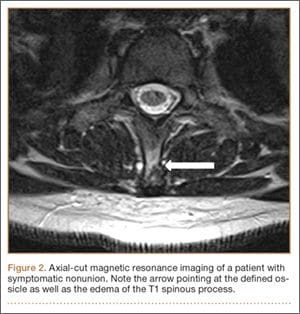
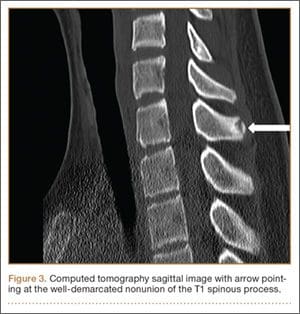
Examination of patients showed pain directly over the fracture site and accentuated by forward flexion of the neck and neck. Evaluation of harm plain films revealed a fracture fragment in two patients (Figure 1). All 3 patients underwent CT and MRI scans confirming the identification. MRI confirmed areas of increased signal at the tip of the T1 spinous process, with inflammation in the supraspinous ligament directly at that area (Figure 2). The CT scans confirmed the presence of a bony fragment correlating with the suggestion of the T1 spinous process (Figure 3).
Figure 1
Figure 2
Figure 3
Surgery was performed under general endotracheal anesthesia using a midline incision over the affected region down to the spinous procedure. The supraspinous ligament was opened showing an identified and ununited ossicle, which has been removed without taking down the ligament. All 3 nonunions have been noted to be atrophic with no evidence of surrounding inflammatory tissue or bursa. The residual end of the spinous process was smoothed down with a rongeur. Standard closure was performed. There were no surgical complications.
All patients had complete relief of pain at followup; 1 individual returned to full sports activity at 6 months and the other 2 returned to full sports activity at 3 months. There was no loss of peripheral movement or trapezial strength at follow-up. All patients expressed satisfaction together with the decision.
Discussion
Clinical practice suggests that most patients with spinous process fractures will become pain-free; however, that is not universal. This series demonstrates that a tiny subset of patients with this trauma will continue to have significant symptoms despite a period of rest. In those patients who want a yield to sports, we recommend consideration of surgical excision after confirmation of nonunion with studies. The inherent risks of surgical treatment are minimal with this procedure, and the advantages include return for athletes, with the physical and psychosocial benefits to pain-free sports activity.
The scope of our information is limited to chiropractic and spinal injuries and conditions. To discuss options on the subject matter, please feel free to ask Dr. Jimenez or contact us at 915-850-0900 .�
By Dr. Alex Jimenez
Additional Topics: Automobile Accident Injuries
Whiplash, among other automobile accident injuries, are frequently reported by victims of an auto collision, regardless of the severity and grade of the accident. The sheer force of an impact can cause damage or injury to the cervical spine, as well as to the rest of the spine. Whiplash is generally the result of an abrupt, back-and-forth jolt of the head and neck in any direction. Fortunately, a variety of treatments are available to treat automobile accident injuries.
Fractures of the cervical spinous processes are considered to be rare injuries. Isolated spinous process fractures are even rarer instances, some of which are rare injuries in rare case reports. Approximately xixteen percent of isolated process fractures of the cervical spine involve more than one level. Isolated cervical spinous process fractures are in fact, commonly referred to as clay-shoveler’s fractures.
The term “fracture” can be employed in medical scenarios that deal with a broken bone. This can vary from acute breaks to small fractures, or anything which will impact the integrity and stability of the bone.
Bone fractures could result from numerous distinct situations. Women in particular that suffer from osteoporosis or other conditions, or older people, may lose strength in their bones, making them more fragile and vulnerable to breaks and cracks, even with minimal impact. As the bones have not fully grown, young children are also vulnerable to bone fractures, particularly because they frequently participate in activities that heighten the risk of injury.
However, falls, automobile accidents, and also a number of other dangers can lead to bone fractures, and depending on the severity, these may often require a range of short and long-term treatment options.
What is a Clay Shoveler’s Fracture?
A clay shoveler’s fracture is an avulsion fracture of the spinous process. It happens with flexion of the head, like that reported with automobile accidents, diving, or even wrestling injuries. It also occurs with repeated stress caused by the pulling of the trapezius and rhomboid muscles on the cervical and thoracic spinous processes. Repetitive and forceful muscle contraction breaks the spinous process and pulls the avulsion segment away from the original spinous process.
A clay shovelers fracture commonly occurs from the cervical and upper thoracic spinous processes C6, C7, and T1. The avulsion and fractures are caused by damage or injury from direct blows to the base of the neck. This is usually a stable fracture and doesn’t create any additional deficits.
X-ray examination of the spine can help diagnose a clay-shoveler’s fracture. On the lateral side (side view) x-rays, an oblique radiolucent fracture line could be seen through the base of the spinous process. It’s more likely to maintain the trunk or distal tip of the lower cervical and upper thoracic spinous process. Serrated edges or rough margins are generally seen with the fractures, which distinguishes it from nonunion of this secondary growth centre of the process. Additionally, bones from the head and neck would not be displaced or have the serrated margins. The distal portion of the fractured spinous process is often displaced downward (caudally or poor). This is due to the pull on the avulsion segment of bone.
Chiropractic Care for Clay Shoveler’s Fractures
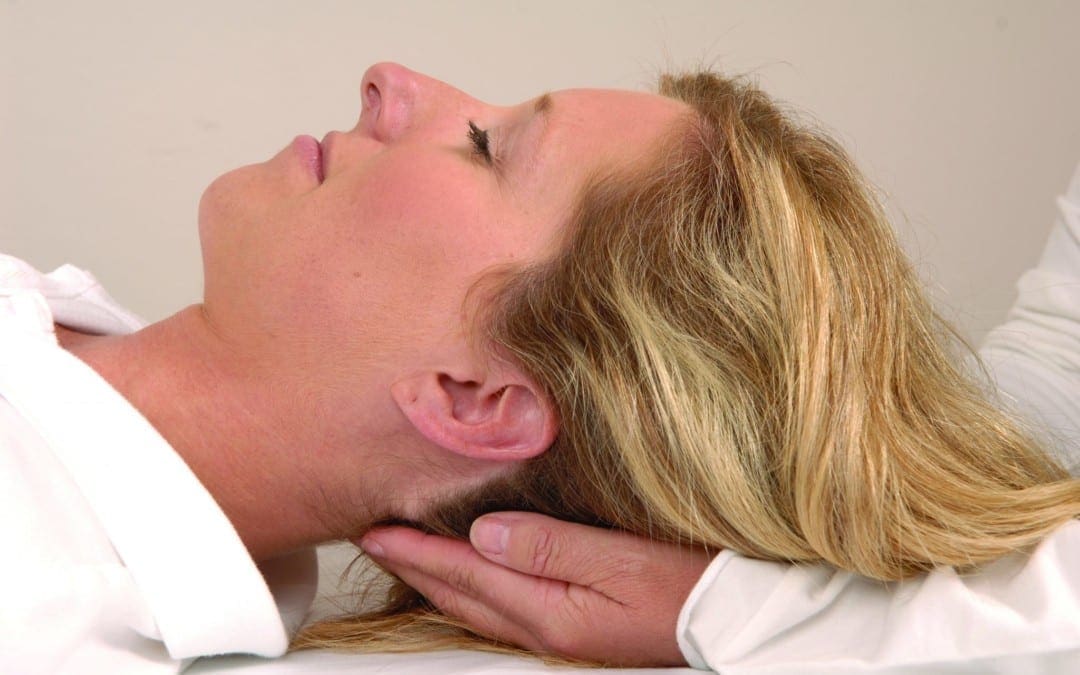
Chiropractors can help alleviate some of the long-term and immediate concerns associated with bone fractures, such as clay shoveler’s fractures. A chiropractor may not perform treatment procedures to the fracture until the damage or injury has started to heal and inflammation is reduced. A chiropractor can help with compression techniques which are beneficial in maintaining the bone in place for healing. A chiropractor may also advocate wellness techniques, such as appropriate diet, and this will optimize the body’s ability to restore its original health and wellness. Chiropractors may also educate a patient on a variety of exercises and stretches to reduce the likelihood of complications and which, if done properly and at fixed intervals, will promote quicker recovery.
The advantages of seeing a chiropractor for wellness and health are many and well documented, but chiropractors are particularly effective as first line and treatment practitioners for bone fractures of any sort. When many kinds of fractures and acute breaks may require immediate therapy, a chiropractor can help rebuild strength and ensure proper recovery, which makes the chiropractic procedure an excellent cure and ensuring long-term good health.
The scope of our information is limited to chiropractic and spinal injuries and conditions. To discuss options on the subject matter, please feel free to ask Dr. Jimenez or contact us at 915-850-0900 .�
By Dr. Alex Jimenez
Additional Topics: Automobile Accident Injuries
Whiplash, among other automobile accident injuries, are frequently reported by victims of an auto collision, regardless of the severity and grade of the accident. The sheer force of an impact can cause damage or injury to the cervical spine, as well as to the rest of the spine. Whiplash is generally the result of an abrupt, back-and-forth jolt of the head and neck in any direction. Fortunately, a variety of treatments are available to treat automobile accident injuries.
Americans love dining out al fresco when the summer weather is so perfect. But don’t let restaurant food throw a monkey wrench into your healthy eating plan. Dining establishments can be ticking time bombs when it comes to sabotaging your nutrition.
In fact, government surveys say that that the food you typically eat when you are not at home is nutritionally worse in every way than your own kitchen fare.
“Eating out can be challenging, but shouldn’t limit your social life,” Dr. Craig Title, a top New York City weight loss specialist tells Newsmax Health. “Here are some tips I share with my clients.”
Be prepared. Like a good scout, select your meal options before you get to the restaurant by checking the menu online. “You’ll make a more level-headed, healthier choice,” says Title.
Eat a little beforehand. Don’t arrive at the restaurant famished. Make sure you have eaten a small meal or two earlier in the day.
Nix the bread. Instruct the wait staff NOT to bring out the bread and butter basket. “Out of sight, out of mind,” says Title. “Ask for celery and carrots sticks instead.”
Drink water. Down one full glass of water as soon as you are seated to help you feel fuller sooner, which will make you eat less.
Ask for it your way. Dining out is not the time to be a meek consumer, notes Dr. Michael F. Jacobson, Ph.D., executive director of the Center for Science in the Public Interest (CSPI) and coauthor of the book, “Restaurant Confidential.” His advice: “You need to be assertive and asked for your food to be prepared they way you’d like it and very often the restaurant will comply.” For example, choose grilled fish over fried and extra veggies instead of French fries.
Go for healthier fare. Order from the “light” or “low fat” section of the menu. Many chains, even Chinese restaurants, offer lighter fare with nutritional info on the menu.
Make salad more than a side. Order a salad with lemon juice or balsamic vinegar and treat it as a first course, before you eat anything else. Scientists at Pennsylvania State University found that people who ate a big green or veggie salad before their entree consumed fewer calories.
Order double appetizers. This is especially rewarding when you’re dining at a seafood restaurant with sumptuous starters. An appetizer order of oysters on the half shell and another of steamed shrimp makes a complete and low-calorie meal along with your salad.
Avoid high-calorie dressings. Keep your salads tasty but healthy by shunning anything in a creamy high-calorie sauce and using raw or marinated vegetables, like artichoke hearts and mushrooms, for extra flavor. Skip the cheese and bacon bits, too.
Do the fork dip. Keep your salad dressing on the side and dip your fork into the dressing before skewering a forkful of salad. This makes the lettuce taste great and you won’t soak the greens in dressing.
Have the fish. When CPSI evaluated food served at seafood chains and independent restaurants they found many low-fat and low-sodium options on the menu. Just don’t order it fried. Stick to steamed, baked, broiled and blackened or grilled.
Read the fine print. Pay attention to words like “breaded, crisp, sauced or stuffed” as these indicate loads of hidden calories, much of it saturated or even trans-fats. Other words of caution are, “butter, pan-fried, Newburg, Thermidor, and cheese sauce.”
Limit alcohol. Instead drink soda or seltzer water. Enjoy one glass of wine or beer with your meal and order coffee or tea for dessert.
Skip the fancy drinks. Pass over the umbrella specials such as margaritas and Mai Tais and other exotic mixed drinks as they are chock full of sugar. Opt instead for a glass of vodka, wine, a light beer or a simple martini if you must imbibe.
Choose fruit for dessert. Title suggests sharing the finale with your date. Fresh fruit, like strawberries or blueberries, during the hot summer months makes an excellent dessert without any guilt.
“Most importantly, enjoy your food,” says Title. “Chew slowly and take time between bites. Focus on the occasion and the people you are dining with, rather than just the meal.”
IFM's Find A Practitioner tool is the largest referral network in Functional Medicine, created to help patients locate Functional Medicine practitioners anywhere in the world. IFM Certified Practitioners are listed first in the search results, given their extensive education in Functional Medicine