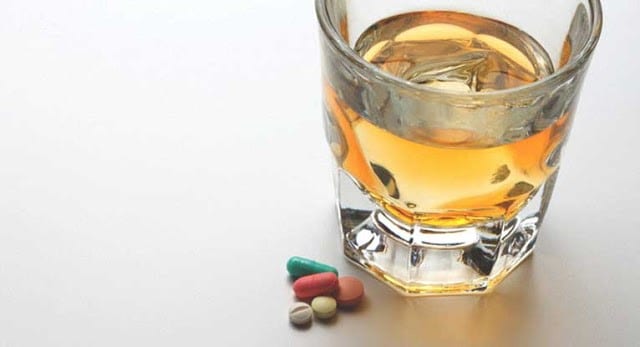
Intestinal Permeability: Alcohol and non-steroidal anti-inflammatory drugs, or NSAIDs, are harmful agents which can disrupt the balance of the digestive system, ultimately affecting the gastroduodenal mucosal and damaging the epithelial barrier along the gastrointestinal tract, or GI tract, increasing intestinal permeability. Moreover, it’s not uncommon for patients to have been exposed to the two substances at the same time. It is therefore important to know how simultaneous use can affect intestinal barrier function and acquiring that knowledge was the goal of several research studies.
What is the effect of alcohol and NSAIDs in intestinal barrier function?
Changes in intestinal permeability became more evident after Meddings et al. introduced the sucrose permeability test in 1993 as a non-invasive measure for evaluating the extent of gastrointestinal tract damage induced by non-steroidal anti-inflammatory agents, or NSAIDs. Subsequently, several studies demonstrated that intestinal barrier dysfunction to sucrose is a reasonable marker for the presence of GI tract damage in NSAID users. Other researchers used sucrose permeability tests to assess damage to the gastroduodenal mucosa induced by oral corticosteroids, intense exercise, infection, atrophic gastritis, Crohn�s disease, celiac disease, coffee, smoking, or a combination of these damaging factors. Alcohol is another agent that affects intestinal barrier function. A few studies have also demonstrated that acute alcohol consumption increases intestinal permeability. The effects of chronic exposure to alcohol on intestinal permeability, however, are less well established than that of NSAID use on intestinal permeability.
Intestinal Permeability:�Intestinal Barrier Dysfunction from NSAIDs and Alcohol
Non-Steroidal Anti-Inflammatory Drugs (NSAIDs)
The pathogenesis of NSAIDs is well investigated, but still not fully understood. The use of NSAIDs, or non-steroidal anti-inflammatory drugs, has been associated with the increased risk of developing gastrointestinal disease, or GI disease, as well as other digestive health side effects and issues. Considerable amounts of evidence have also demonstrated that, much like chronic alcohol consumption, constant use of NSAIDs can affect intestinal barrier function, which may cause significant GI tract, or gastrointestinal tract, damage, such as ulcers, perforation, hemorrhage and an exacerbation of inflammatory bowel disease, or IBD. It has been suggested that the effect of NSAIDs has separate phases.
First, NSAIDs are included into biological membranes because of their lipophilic properties. They interact with brush border phospholipids, causing direct damage to intestinal epithelium. NSAIDs also detach oxidative phosphorylation, which leads to mitochondrial dysfunction and, consequently, to a reduction in intracellular ATP. The decrease in ATP results in reduced intestinal epithelial barrier function, as the regulation of the intracellular actin-myosin complex is an ATP-dependent process. The regulation of membrane phospholipids and intracellular ATP levels are followed by leakage of intracellular calcium and increased production of free oxygen radicals. These processes will directly change intestinal permeability by affecting the contraction of the intracellular cytoskeleton and the integrity of the tight junction, or TJ, complex. This increased permeability then triggers the last phase of NSAID-induced enteropathy, which is the transportation of luminal compounds, such as bile acids, bacterial breakdown products, acid and pepsin, into the intestinal mucosa, triggering an immune response as well as inflammation. In addition to the phases mentioned above, NSAIDs can also induce mucosal damage by its prostaglandin-inhibiting properties. After absorption, NSAIDs inhibit cyclooxygenase-1 and -2, or COX-1 and -2. COX-1 inhibition leads to a decrease in mucosal blood flow, whereas inhibition of COX-2 has an effect on immune regulation.
Both acute and chronic use of non-steroidal anti-inflammatory drugs by healthy volunteers and patients demonstrated changes in intestinal barrier dysfunction and hypermotility, abnormal or excessive movement, specifically of the gastrointestinal tract. In vitro research studies utilizing MKN28, a gastric epithelial cell line has also demonstrated that aspirin-induced increase in permeability was characterized by a considerable decrease in the expression of claudin-7, but not claudins-3, -4, ZO-1 or occludin.
NSAID-induced gastrointestinal tract damage was initially found to be a consequence of cyclooxygenase inhibition and decreased prostaglandin synthesis; however, it is now evident that intestinal barrier dysfunction is a multi-stage process. Experimental and clinical research studies have demonstrated a contribution from neutrophils, microcirculatory disturbances, oxygen free radicals and bile acids in NSAID-induced GI tract damage. NSAIDs increase intestinal nitric oxide synthase expression, resulting in increased levels of NO, boosting intestinal permeability. NSAIDs may also detach mitochondrial oxidative phosphorylation, which impairs the mitochondrial energy generation required for TJ complex integrity, resulting in increased intestinal inflammation and permeability. Finally, a recent study demonstrated that aspirin induced an increase in gastric epithelial cell permeability which was mediated by activation of p38 MAPK and a decrease in claudin-7, and treatment where a p38 MAPK inhibitor attenuated this response.
Alcohol
Clinical and experimental research studies have revealed that constant alcohol consumption may often lead to increased intestinal permeability, inhibition of nutrient transportation, such as vitamins and minerals, and a decreased absorption of sodium and water. Research study evaluation results demonstrated the involvement of the byproduct of ethanol metabolism, acetaldehyde and nitric oxide, or NO, in alcohol-mediated intestinal barrier dysfunction. High levels of acetaldehyde were detected along the gastrointestinal tract, or GI tract, of rats following the administration of ethanol. Increased levels of acetaldehyde has also been closely associated with increased intestinal permeability and endotoxin translocation, according to the research studies. In addition, the incubation of Caco2 cells with acetaldehyde demonstrated increased monolayer permeability. The growth was associated with increased tyrosine phosphorylation of both ZO-1, E-cadherin and ?-catenin. Exposing Caco2 monolayers to ethanol also boosts inducible nitric oxide synthase expression, stimulating increased NO, or nitric oxide, production as well as increased monolayer permeability. NO-induced changes were associated with an increase in unstable, non-polymerized tubulin and extensive damage to the microtubule cytoskeleton.
Experimental and clinical research studies in rodents have also demonstrated that acute administration of alcohol can cause mucosal damage in the upper small intestine, such as villus ulceration, submucosal blebbing and hemorrhagic erosions as well as intestinal barrier dysfunction. It has been acknowledged that alcohol-induced intestinal permeability helps enhance translocation of endotoxins across various organs, resulting in tissue damage and inflammation. Intragastric application of endotoxins from alcohol administration in rodents provided considerably higher plasma endotoxin levels than animals fed endotoxin alone. Similar lesions have also been found in healthy volunteers and active alcoholics following acute alcohol consumption while plasma endotoxin levels in alcoholics were found to be 5 times greater than in healthy controls. While not entirely understood, evidence suggests that the mechanism inherent alcohol-induced intestinal barrier dysfunction is connected to the introduction of inflammatory cells and to the release of various mediators, including cytokines, reactive oxygen species, leukotrienes and histamine.
Maintenance of the intestinal barrier function is important for our health, and dysfunction may be a risk factor for a variety of disorders and diseases.�Information referenced from the National Center for Biotechnology Information (NCBI) and the National University of Health Sciences. The scope of our information is limited to chiropractic and spinal injuries and conditions. To discuss the subject matter, please feel free to ask Dr. Jimenez or contact us at 915-850-0900 .
By Dr. Alex Jimenez
Additional Topics: Wellness
Overall health and wellness are essential towards maintaining the proper mental and physical balance in the body. From eating a balanced nutrition as well as exercising and participating in physical activities, to sleeping a healthy amount of time on a regular basis, following the best health and wellness tips can ultimately help maintain overall well-being. Eating plenty of fruits and vegetables can go a long way towards helping people become healthy.
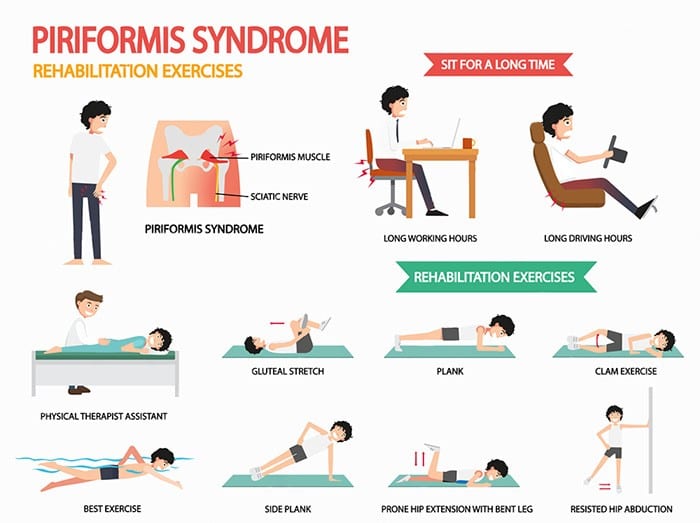
Relieve: A small muscle located deep in the buttocks, the piriformis muscle performs the essential function of rotating the leg outwards. Piriformis Syndrome is a painful condition that occurs when the piriformis muscle is tight and intrudes upon the sciatic nerve in the buttocks. Causing pain and tenderness and sometimes numbness in the buttocks, piriformis syndrome pain may also radiate down the sufferer’s leg, and in some cases, even into the calf.
There are two commonly identifiable potential causes for piriformis syndrome. One is sitting for prolonged periods of time, which can cause tightening of the muscle. The second cause is an injury to the buttocks, either by a fall, an accident, or a sports injury. Trauma causes the piriformis muscle to swell and irritate the sciatic nerve.
Spasms can also cause piriformis syndrome, however, the underlying cause of the spasms frequently remains unknown.
Unfortunately, once an individual has suffered from piriformis syndrome, the condition can recur periodically, usually brought on by too much exercise or sitting for a long time without stretching.
Whatever the initial cause, piriformis syndrome treatment options are vital in relieving the painful symptoms and healing the condition.
Relieve:
These Four Treatment Options Are Frequently Used To Treat Piriformis Syndrome.
Medication. Over-the-counter or prescribed pain medicines, anti-inflammatory drugs, or muscle relaxers frequently serve to reduce the pain from piriformis syndrome. A doctor may also inject medicine directly into the piriformis muscle to improve the condition.
Heat. A common way to relax tight muscles is to apply heat. Piriformis syndrome sufferers may find relief from painful symptoms by periodically applying heat directly to the tender area.
Heat therapy may relieve the tightness of the muscle and promote healing of the entire area. However, it’s important to avoid treating the muscle with heat if there is a chance the muscle may be torn.
Exercise. The overall cause of the condition is a tight piriformis muscle, so it stands to reason a proper exercise regimen will loosen the muscle and alleviate the symptoms associated with piriformis syndrome. A doctor can prescribe the correct exercises to stretch and subsequently strengthen the muscles and the body’s other muscles. A strong body will reduce the chances of the issue recurring down the road.
Hands on therapy. Used with other types of treatment or on their own, these types of therapies are popular because of their effectiveness, as well as the fact they are drug-free ways to gain relief from the pain. Massage is a commonly used therapy for piriformis syndrome, as it helps increase blood flow to the area. The massage therapist can manipulate the area to relieve the tightness of the muscle.
Another hands on therapy that produces positive results is chiropractic care.
Chiropractors view the body in its entirety, and will often treat other parts of the body, such as a foot or leg, in order to improve the condition of the piriformis muscle. They may also utilize a regimen of pelvic and spinal adjustments along with joint manipulation and stretching to loosen up the muscle and help heal the afflicted area.
As stated earlier, once the condition has been controlled and the area has healed, it’s vital to take precautions to avoid re-aggravating the area. Proper stretching before exercise, periodic breaks when sitting, and maintaining spinal and pelvic alignment will increase an individual’s chances of living free of the pain of piriformis syndrome in the future.
Treating Sciatica
If you have a question about how chiropractic care can help with the symptoms of piriformis syndrome, or other health conditions, contact us today.
This article is copyrighted by Blogging Chiros LLC for its Doctor of Chiropractic members and may not be copied or duplicated in any manner including printed or electronic media, regardless of whether for a fee or gratis without the prior written permission of Blogging Chiros, LLC.
It’s a warm sunny day with a bit of a breeze, you are on the back nine about to sink a putt. When you swing, your back seizes up with severe pain. The beautiful day of golf turns into painfully riding in the golf cart back to the clubhouse, and you limping painfully to your car.
If you have ever strained your back during a golf game, you are not alone. It’s estimated of the 30 million golfers in the United States, 80% have experienced some sort of back pain. As fun as it is, swinging at golf balls puts an individual’s body in an awkward position, opening up the opportunity for injury.
While some golfers suffer through the pain by popping over-the-counter medications, others back away from playing as often, or stop altogether. There’s another way to combat back injuries caused by golfing, without meds. It’s not a magic wand, it’s chiropractic care!
Golfers are increasingly finding chiropractic care to be a valuable tool to help them deal with back injuries. Here are FORE! ways chiropractors can help injured golfers get off the couch and back on the green.
Golfers: Consistent Adjustments Can Avoid Injuries In The First Place.
Golfing, or any activity, is more enjoyable and causes less chance of injury if an individual’s body is in top condition and operating normally. Periodic spinal adjustments keep the body functioning at maximum capacity, and reduce the chances of being injured. If the neck and back are aligned correctly, awkward positioning such as a golf swing will have a less negative impact.
Chiropractic Treatment Can Reduce A Golfer’s Pain.
Back injuries can be extremely painful, and many turn to pain medications to gain relief and comfort. By treating the origin of the pain instead of just the symptoms, a chiropractor helps their patients manage the pain through manipulations, instead of drugs. Over the course of a few treatments, pain is often drastically diminished and much more manageable.
A Golf Injury Can Heal Quicker With Chiropractic Care.
Injuries to the back or neck can heal faster when chiropractors treat them than on their own. An experienced chiropractor can adjust the spine, and also work on the joints and surrounding tissue that can cause pain and hinder healing. Chiropractic evaluation considers the body as a whole. By treating the entire body, it promotes quicker healing of the injury.
Increased Mobility Can Be Gained With Chiropractic Visits.
Golfers who play often as well as those who only play a few times a year know mobility is essential to a good golf game. Stiff joints and a weak back not only mess with the golf game, but can be the very issues that end up causing an injury.
A chiropractic treatment schedule keeps the body loose and strong, and working in optimum fashion. This prevents injuries and increases the chances of playing the game of your life.
Golfers need to realize the sport can cause serious injuries just like “rougher” sports like football and rugby. It’s a good idea to stretch before playing, stay hydrated, and avoid overexertion.
If you are a golfer, chiropractic care is a valuable tool in staying healthy. Regular adjustments and manipulations keep your body on track and performing with maximum mobility at the top of your game. If you do suffer an injury, a chiropractor can help you manage your pain and decrease the time it takes to heal.
Professional Golfer Zach Johnson Trusts Chiropractic Care
Contact us today for more information on how we can help reduce the chance of injury for golfers, and promote healing.
This article is copyrighted by Blogging Chiros LLC for its Doctor of Chiropractic members and may not be copied or duplicated in any manner including printed or electronic media, regardless of whether for a fee or gratis without the prior written permission of Blogging Chiros, LLC.
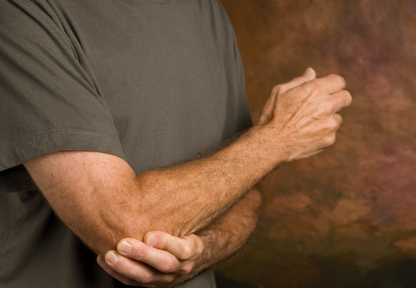
Even if you have never stepped foot onto a court before, you may end up with tennis elbow. Occurring along the muscle that allows extension of the wrist, it is a painful condition that can linger for weeks or months.
Previously, tennis elbow primarily showed up in athletes. Due to the increased interest in physical fitness, tennis elbow is being found in everyday exercisers, as well as people who perform work-related repetitive motion.
Tennis elbow presents several symptoms. Pain will occur on the outside of the elbow an inch or so down from the bony part.
There may also be pain when the individual tries to extend the hand and fingers against resistance. Extreme weakness in the wrist is another symptom.
I Have Been Diagnosed With Tennis Elbow. Now What?
Tennis elbow is often difficult to diagnose, which can delay treatment. A correct diagnosis of tennis elbow is the first step towards being able to treat the condition and rehab the afflicted area. From there, a variety of treatments for tennis elbow are available.
Passive remedies like rest, ice, and arm braces are critical components to healing tennis elbow. Take measures to reduce the movements that aggravate the pain, and use ice at regular intervals to help minimize pain and inflammation.
An arm brace supports and stabilizes the area to promote healing. These remedies assist greatly in treating the condition, especially in the beginning.
Active remedies consist of stretching and strengthening exercises, and are vital aspects of improving the condition. Individuals suffering from tennis elbow should begin an exercise regimen as soon as the pain allows.
An individual dealing with tennis elbow may utilize a variety of medicinal remedies to manage pain and inflammation. Over-the-counter pain relievers and steroid injections are commonly used to treat the condition. Following doctor’s orders when taking medications is strongly recommended.
Untraditional remedies also provide vast improvements in tennis elbow, and these treatments have gained favor in the last few years due to their effectiveness. Regimens of massage therapy and acupuncture work on small areas contributing to the condition, and make significant strides in pain reduction and promote the body’s restorative healing process.
Another remedy that offers strong benefits to treating tennis elbow is chiropractic care. A chiropractor assesses the condition, then lays out a plan to promote healing.
Treatment often includes working to align the bones and treating the surrounding joints so they function at maximum capacity, and can “take up the slack” of the injured area while it heals. Chiropractic care serves the dual purpose of treating the condition directly, and healing the areas around the injury so that the body continues to strengthen and renew.
In a very small number of cases, the only remedy for tennis elbow is surgery. This is considered as the last straw, once all other forms of treatment have been exhausted.
The best way to treat tennis elbow is to avoid it in the first place. Be sure to stretch before exercising, consistently perform strengthening exercises, employ correct techniques and proper equipment during physical activity, and don’t overexert your arms (this goes for your entire body, by the way) during physical activity.
If you are diagnosed with tennis elbow, it’s essential to understand the variety of treatment options available. The best course is often a blend of more than one remedy. Chiropractic care should be part of your healing process, as it helps decrease pain, reduce healing time, and offers a non-medicinal approach to treating the body as a whole.
The Risks Of College Sports
This article is copyrighted by Blogging Chiros LLC for its Doctor of Chiropractic members and may not be copied or duplicated in any manner including printed or electronic media, regardless of whether for a fee or gratis without the prior written permission of Blogging Chiros, LLC.
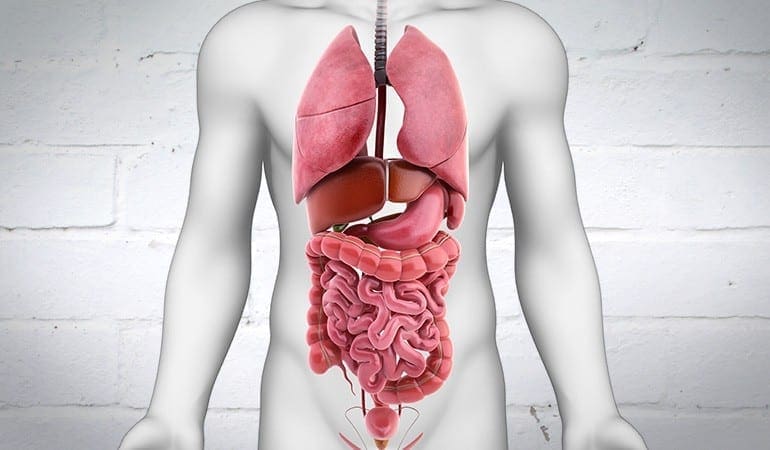
Digestive health can be attributed to the optimal function of the gastrointestinal tract. By way of instance, however, if disease affects the structure of the gut, understanding its anatomy and function, can help healthcare specialists conclude a diagnosis outcome. The intestinal epithelium is a single layer of cells found lining the intestinal lumen, which plays the role of carrying out two essential functions in the digestive system. Its first function is to act as a barrier to prevent the passage of harmful intraluminal entities, such as foreign antigens, microorganisms and their toxins. Its second function is to act as a selective filter, allowing the translocation of important dietary nutrients, electrolytes and water from the intestinal lumen to the blood stream. The intestinal epithelium distinguishes selective permeability through two main pathways: the transepithelial/transcellular and paracellular pathways, as seen on Figure 1.
Transcellular permeability is generally related with the epithelial cells and is largely regulated by specific transporters in charge of also transferring amino acids, electrolytes, short chain fatty acids and sugars throughout the human body. Paracellular permeability is usually related to the transferring distance between epithelial cells and is greatly regulated by intercellular complexes found in the apical-lateral membrane junction and along the lateral membrane of the gastrointestinal tract, or GI tract. Interaction between the intestinal epithelial cells involves three components which can be identified at the ultrastructural level: desmosomes, adherens junctions, or AJs, and tight junctions, or TJs, as seen on Figure 2. The adhesive junctional complexes are made up of transmembrane proteins which connect adjacent cells to the actin cytoskeleton through cytoplasmic scaffolding proteins. The adherens junctions and desmosomes are believed to be more significant than the mechanical link of adjacent cells. The tight junctions, on the other hand, are the apical-most junctional complex, accountable for closing the intercellular space as well as regulating specific paracellular ionic solute transfer. The AJ and TJ complexes are also essential towards the regulation of cellular proliferation, polarization and distinction.
Structural Components of Junctional Complexes
Figure 1
Figure 2
Adherens Junctions (AJs)
The adherens junctions, also known as zonula adherens, are protein complexes located along the lateral membrane which happen in points of cell to cell contact, as seen on Figure 2. They’re shaped by interactions between transmembrane proteins, intracellular adaptor proteins and the cytoskeleton. The major AJs, or adherens junctions are formed by cadherin to catenin interactions. Epithelial (E)-cadherins, or calcium-dependent adhesion molecules, are Type-I single transmembrane spanning glycoproteins that contain an intracellular C-terminus and extracellular N-terminus. The extracellular domain creates homotypical interactions with the cadherins of neighboring cells to develop this cell to cell adhesion. The intracellular domain contains a catenin-binding domain that interacts with members of the armadillo repeat superfamily, ?-, ?- and p120-catenin. The catenins then connect the AJs into the cytoskeletal network through direct binding to the C-terminal domain of F-actin or indirectly through interactions with other adaptor proteins like afadin. Cadherin to catenin complexes are significant not only for connecting adjoining cells, but also for keeping cell polarity and for regulating epithelial migration and proliferation as well as the formation of additional adhesive complexes, such as desmosomes. In order to allow the link of adjoining cells, a decreased regulation of E-cadherin from the intestinal epithelium interrupts cell to cell adhesion which has been associated with affected intestinal epithelial proliferation and migration.
Nectin-afadin interactions create another significant AJ complex. Nectins, specificially nectin-1-4, are immunoglobulin-like proteins that withstand homophilic and heterophilic interactions with nectins on adjacent cells. Nectins can interact with the cytoskeleton through afadin, an F-actin binding protein, or rather preferably through interactions with other F- or ?-actin binding proteins including ponsin/SH3P12, vinculin and afadin dil domain-interacting proteins.
Tight Junctions (TJs)
The tight junctions are the apical-most adhesive junctional complexes in the epithelial cells of mammals which develop a continuous belt-like ring around epithelial cells at the boundary between the apical and lateral membrane regions of the gastrointestinal tract, according to Figure 2. Tight junctions, or TJs, are powerful, multi-protein complexes which serve as a selective/semipermeable paracellular barrier, that eases the passage of ions and solutes through the intercellular space, while also preventing the translocation of luminal antigens, microorganisms and their toxins. The progression of TJ biology began in the 1960’s with the development of electron microscopy. Evaluation and analysis of epithelial cells explained a series of apparent fusions, in which the space between adjacent epithelial cells had been eliminated. These so-called “kissing points” are morphologically different from AJs and desmosomes, where adjoining cell membranes stay approximately 15 to 20nm apart. Since the first observations, TJs have been found to include four families of transmembrane proteins: occludin, claudins, junctional adhesion molecules, or JAMs, and tricellulin.
The extracellular domains of transmembrane TJ proteins in adjoining cells anastomose to shape the TJ isolate. These interactions involve those proteins found in the exact same membrane as well as those including proteins in adjacent cells. Additionally, TJ proteins may form homophilic interactions, with the exact same protein, or heterophilic interactions, between non-identical TJ proteins. Like the adherens junctions, the intracellular domains interact with different scaffolding proteins, adaptor proteins and signaling complexes to moderate cytoskeletal attachment, cell polarity, cell signaling and vesicle trafficking, as seen on Figure 3. The intracellular regions of AJs possess PDZ-binding domains, which gather and come in contact with PDZ domain containing proteins. The PDZ domain (Post synaptic density-95/Drosophila disk large/Zonula occludens-1 protein) is a common structural domain of about 80 to 90 amino acids which play the role of anchoring transmembrane proteins to the cytoskeleton. The intracellular domains may also interact with non-PDZ-binding domain including proteins like cingulin, which can interact with junctional membrane proteins, the actin cytoskeleton and signaling proteins. The complex network of intracellular protein interactions can also be known as the “cytoplasmic plaque”.
Figure 3
Tight Junction Formation in the Gastrointestinal Tract
The intestinal epithelium shapes the largest and most essential barrier between our external and internal gastrointestinal tract environments. The barrier is preserved by the presence of AJs and TJs, such as cadherins, claudins, occludin and JAM proteins, which isolate groups of adjacent cells and maintains cytoskeletal anchorage, as seen on Figure 3. Expression of junctional proteins in the gut are highly regulated and dependent on both the small and/or large intestine, villus/crypt location and cell membrane specificity; apical, lateral or basolateral. The complex pattern of TJ expression from the gut is related to the particular functions of a distinct intestinal region and location. Expression of adherens junctions and tight junctions proteins can also be controlled by phosphorylation, according to Table 1. Phosphorylation can either promote TJ formation and barrier feature, or alternatively promote TJ protein redistribution and intricate destabilization.
Occludin
One of the first integral membrane proteins belonging specifically to the tight junctions to be recognized is the occludin. Occludin are predominantly found at TJs in the epithelial and endothelial cells but can also be located in astrocytes, neurons and dendritic cells. Occludin (60 to 82 kDa) is a tetraspanning integral membrane protein consisting of two extracellular loops, a short cytoplasmic N-terminus and a long cytoplasmic C-terminus. Analysis and evaluation of the function of these have demonstrated that the extracellular loops and transmembrane domains of occludin manage and maintain selective paracellular permeability. Intracellularly, the C-terminus interacts with the PDZ-domain containing protein ZO-1, which is required to connect occludin into the actin cytoskeleton, according to Figure 3.
Several occludin isoforms are characterized and believed to be the result of alternative mRNA splicing. Quite distinctly, many splice variants demonstrate altered subcellular distribution and interaction with other TJ molecules. Evaluation of these splice variants showed that the cytoplasmic C-terminal domain is funcamental for the intracellular exchange of occludin to the lateral cell membrane, which the fourth transmembrane domain name is important for targeting occludin into the TJ as well as for ZO-1 interactions.
The role of occludin is not fully outlined; nonetheless, data suggested another function for occludin from the regulation of paracellular permeability. The major allergen of the house dust mite, Der p 1, was determined to proteolyticly disrupt occludin altering this TJ complex and increasing paracellular permeability. In addition, hydrocortisone treatment of bovine retinal endothelial cells improved occludin expression two-fold and enhanced monolayer barrier properties. Though occludin is an important element of TJs, TJ formation and paracellular permeability barrier function are not dependent on occludin. Experimental investigations of occludin on mice demonstrated equivalent numbers and groups of TJs and corresponding paracellular ion passage as wild mice. Furthermore, epithelial transport and barrier function were normal in mice with occludin. Along with regulating paracellular permeability, there is evidence indicating occludin is included in cellular adhesion. Length of occludin at occludin and rat fibroblasts conferred cell to cell adhesion that has formally been interrupted by synthetic peptides associated to the first extracellular loop of occludin, underscoring the significance of the area of occludin in cell adhesion.
Evaluations indicated that occludin found along the TJ complex is regulated by phosphorylation. Several potential phosphorylation sites at tyrosine, serine, and threonine residues of occludin have been identified where the regulation of occludin phosphorylation is proposed to happen by kinases, for instance, non-receptor tyrosine kinase c-Yes and protein kinase C (PKC), and phosphatases including the serine/threonine protein phosphatase 2A, according to Figure 3. PKC?, a novel protein kinase predominantly expressed in the intestinal epithelium, was demonstrated to directly phosphorylate occludin in threonine residues (T403 and T404). Blockade of all PKC?-mediated occludin phosphorylation interrupted junctional distribution of occludin and ZO-1 and interrupted epithelial barrier function. The data suggest that occludin phosphorylation modulates occludin-ZO-1 interactions and the maintenance of intact TJ complexes and paracellular barrier function.
Claudins
Claudins are 20 to 27 kDa integral membrane proteins with four hydrophobic transmembrane domains, two extracellular loops and N- together with C-terminal cytoplasmic domains. The extracellular loops are crucial for homophilic and/or heterophilic TJ protein to protein interactions alongside the creation of ion-selective channels. The intracellular C-terminal domain is included in anchoring claudin into the cytoskeleton through connections with PDZ-binding domain names, such as ZO-1, -2 and -3, according to Figure 3. Presently, 24 distinct claudin family receptor members are identified in those who have a number of orthologues expressed in various species. They exhibit distinct cell, tissue and developmental stage-specific expression routines.
Claudin to claudin interactions between adjoining cells might be homophilic or heterophilic. Homophilic interactions have been shown for claudins 1, 2, 3, 5, 6, 9, 11, 14 and 19. On the reverse side, heterophilic interactions are more restricted and largely have been detected with claudin-3, which could interact with claudins-1, -2 and -5. Notably, there’s specificity in heterophilic trans-interactions. By way of instance, transfection of fibroblasts with claudins-1, -2 and -3 led to claudin-3 interactions with claudin-1 and -2; yet no interactions involving claudin-1 and -2 were detected. These discerning interactions are considered to describe the diversity in TJ formations and provide a molecular basis for tissue-specific heterogeneity of barrier function.
Recent study, together with claudin-deficient mice also give corroborative information supporting a role for claudins in the law of barrier function. Claudin-1 mice die within a day of birth due to significant transepidermal water loss. Furthermore, transgenic overexpression of both claudin-6 in skin disrupted tight junction formation and increased epithelial permeability. Experimental data indicates that claudins could have differential impacts on paracellular permeability. By way of instance, introduction of claudin-2 to MDCK I cells which state claudin-1 and -4 activates a decrease in transepithelial resistance, or TER; whereas transfection of claudin-3 had no effect indicating that claudin-2 markedly diminished claudin-1/claudin-4 based TJ strand regeneration. In support of the latest experimental evidence indicates that claudins can form measurements and charge-specific paracellular stations. Transfection of claudin-8 into MDCK II cells that lacks endogenous claudin-8 substantially reduced paracellular movement without impacting anion and uncharged solute movement. Experimental investigations suggest that the first extracellular loop of claudins play an essential role in deciding charge selectivity. Interchanging of the earliest or extracellular domains of claudin-4 on claudin-2 profoundly diminished the ion conductance of Na+ relative to Cl? 76. Additionally, substitution of a negatively-charged lysine into some positively charged aspartic acid (K65D) inside the loop of claudin-15 generated an increase in Na+ permeability, whereas mutation in exactly the same place of three positively charged amino acids into negatively charged aspartic acid, arginine and aspartic acid (E46K, D55R and E64K) altered the ion selectivity of claudin-15 in Na+ to Cl? channel. Pore size and density may also impact paracellular movement of non invasive and charged charged solutes.
Claudins also play an essential role in epithelial cell invasion and motility. Overexpression of claudins-3 and -4 in human ovarian epithelial cells, which lack the expression of these proteins, has been connected with enhanced epithelial cell survival and enhanced invasion and motility. Consistent with this observation, siRNA-mediated knockdown of the two claudins-3 and -4 in ovarian cancer cell lines diminished intrusion. The outcome of claudin-3 appear to get connected to altered matrix metalloprotease-2 activity, meaning claudin-induced invasion could possibly be regulated by metalloprotease proteins.
Similar to occludin, claudin localization to the TJ complex and its function are regulated by post-translational phosphorylation and through connections with PDZ-binding domains. The intracellular C-terminal domain of claudin possesses multiple regulatory sites, such as possible serine and theronine phosphorylation sites and PDZ-binding domain names. Phosphorylation of claudins-3 and -4 in prostate cancer cells is closely connected to the regulation of paracellular permeability. By way of instance, patients with pseudohypoaldosteronism type II (PHA II; or vitamin shunt syndrome) present with hyperkalemic metabolic acidosis, hypertension and dysregulated paracellular ion transport. The molecular basis is connected to some loss-of-function mutation from the serine-threonine kinases, WNK1 and WNK4, which regulate epithelial chloride cotransporters. This also contributes to an increase in the phosphorylation of both claudins-1-4 and an increase in paracellular permeability. A lot of signaling pathways are implicated in the phosphorylation of claudins like PKC, Rho GTPases, mitogen-activated protein kinases (MAPKs) and phosphatases. MAPK phosphorylation of claudin-1 is required for claudin-1-mediated barrier function. Furthermore, claudins-1, -2, -7, -8, -16 and -17 have putative PKC phosphorylation websites.
All claudins, except claudin-12, completing from the dipeptide arrangement YV, that’s been shown to interact with PDZ-binding domains comprise ZO-1, -2 and -3, multi-PDZ domain name and PALS1-associated TJ protein, according to Figure 3. Several of those scaffolding proteins contain several PDZ domains, which eases the introduction of dense localized protein complexes, also called “cytoplasmic plaques”. Also, the scaffolding proteins can interact with signaling molecules, such as heterodimeric GTP binding proteins (Rab13 and G?12), transcriptional factors and RNA-processing variables, to connect TJ complexes to the actin-cytoskeleton and modulate aspects of adrenal polarization, differentiation and barrier function.
Junctional Adhesion Molecules (JAMs)
Junctional adhesion molecules are integral membrane proteins which belong to the immunoglobulin superfamily and have two immunoglobulin folds, the VH- and C2-type, from the extracellular domain. JAMs are expressed by multiple cell types, including epithelial, endothelial and immune cells. They’re subdivided based on the expression of Type I or II PDZ-binding themes in the intracellular C-terminus, which implies that the two types interact with exceptional scaffolding and cytoplasmic proteins. JAM-A, -B and -C (or JAM1-3) have Type II binding subjects, while the atypical JAMs, such as JAM-4, coxsackie and adenovirus receptor (CAR) and endothelial selective adhesion molecule make up Type I PDZ-binding domains. Comparable to additional TJ proteins, these JAM-PDZ interactions provide anchorage to the actin cytoskeleton, according to Figure 3.
The extracellular region of JAMs adapting to multiple ligands through homophilic and heterophilic interactions, which can be proposed to regulate the mobile functions and paracellular permeability of JAMs. Homophilic JAM-A or -B interactions govern the creation of operational TJs and cell to cell border formation, while heterophilic JAM interactions play a role in leukocyte-endothelial cell adhesion.
Recent studies demonstrate the significance of JAM-A at the formation and assembly of TJs in intestinal epithelial cells. SiRNA downregulation of JAM-A at SK-C015 epithelial cells triggered an increase in permeability. Consistent with this, JAM-A mice had increased mucosal permeability as indicated by enhanced dextran flux and decreased TER. Nonetheless, these mice also had an increase in claudin-10 and -15 expression, which is believed to shape selective pores from the TJ complex, improving paracellular permeability. Interestingly, JAM-A mice have increased susceptibility to chemical-induced colitis. Dextran sodium sulfate administration to JAM-A mice induced more acute colonic injury as compared to WT control animals. These studies imply altered intestinal permeability for a susceptibility factor to autoimmune disorder.
The above information is evidence-based. The scope of our information is limited to chiropractic and spinal injuries and conditions. To discuss the subject matter, please feel free to ask Dr. Jimenez or contact us at 915-850-0900 .
By Dr. Alex Jimenez
Additional Topics: Wellness
Overall health and wellness are essential towards maintaining the proper mental and physical balance in the body. From eating a balanced nutrition as well as exercising and participating in physical activities, to sleeping a healthy amount of time on a regular basis, following the best health and wellness tips can ultimately help maintain overall well-being. Eating plenty of fruits and vegetables can go a long way towards helping people become healthy.
A healthcare professional at a gastroenterology practice, such as a dietitian specializing in gastrointestinal diseases, will often care for a great deal of individuals who walk into their clinic reporting symptoms which haven’t yet been diagnosed to a specific digestive health issue. Because not many primary care physicians are in charge of diagnosing GI diseases nor are they properly aware of their wide array of symptoms, many people with gastrointestinal diseases will often go undiagnosed for years.
How can you talk to your doctor about your digestive issues?
A healthcare provider specializing in gastrointestinal diseases may look out for certain symptoms, as well as possible dietary triggers, to determine a digestive health issue. Simple lifestyle changes are generally the best treatment method to help improve GI diseases and its symptoms, however, being able to communicate accordingly with your doctor can help them diagnose your problem more accurately in order to begin treatment immediately. By following a few factors the patient can control, they can ensure their medical diagnostic procedure is fast, easy, and correct.
Arrive to your Appointment on Time
While careful planning and preparations can occasionally be sabotaged by events and situations that are out of our control, it’s essential for you to initially intend to reach your appointment on time. It’s recommended to arrive at least 15 minutes before your original appointment time, especially if you are a new patient as you will need to complete the necessary paperwork on your first visit. If you show up 15 minutes late for a 15 minute appointment, there is a great chance you’ll be hurried through your visit without ample time to go over your issues thoroughly with your doctor.
Bring Evaluation Results & Procedure Reports
It can’t be emphasized enough how common it is for patients to not know which previous diagnostic tests or even surgeries they’ve gone through for their specific disease and/or condition. If you show up to a healthcare professional’s appointment for further diagnosis and a second opinion regarding your symptoms without being aware of this information, your doctor may waste valuable time and money re-testing you for digestive health issues which may have already been ruled out by another healthcare specialist. Furthermore, without previous evaluation results and/or procedure reports, doctors can miss an obvious diagnosis based on your health history, or worse, they may perform yet another invasive procedure which you no longer needed.
If you have had an endoscopy or a colonoscopy, what were the signs? If you’ve had surgery somewhere on your gastrointestinal tract, which process was it? If you have experienced a breath test, what were they checking for and what were the results? If blood has been drawn lately, what was being checked and also what, if anything, has been discovered? Have you had any specialized tests that involved imaging of your gastrointestinal tract? These are all important questions you must know before visiting a doctor’s office.
Also, to get to a faster diagnosis, your best option is to bring copies of all relevant tests and reports you have undergone related to your digestive health issues. It may take some effort to collect these results from previous doctors or even hospitals, though medical practices offering online patient portals may make this procedure easier. If you can’t obtain the true exam results, then compiling a summarized “medical resume” may be the next best thing. Just type up a list of all of the test names or procedure reports you’ve had; who ran them (as well as where and when they were performed); and exactly what they discovered, based on those evaluations and procedures. Hand the sheet to your healthcare professional. Their office can then track down copies of any relevant results after you leave from your first appointment.
Describe your Symptoms in Detail
It can be quite embarrassing to describe your digestive symptoms to a healthcare professional and you might even feel unsure of whether you may actually have a digestive issue based on your “normal” collection of gut sounds, backed up stools and that occasional nausea you experience after eating a heavy meal. You may be tempted to use more conservative, generic phrases to describe your symptoms but healthcare specialists say you don’t have to be considerate. Your doctor has literally heard it all and it is as routine to them as speaking about the weather is to everyone else.
If you say that you “get sick to your stomach” when referring to having diarrhea, for instance, the healthcare professional may actually think you are referring to nausea. If you say “constipated” to refer to straining to have a daily bowel movement, your doctor may presume you mean you are unable to move your bowels more than once or twice per week. If you say you get a “stomachache” after eating, it could refer to sharp pain, cramps or dull pain and it doesn’t properly inform your doctor where the pain is located. Tell your doctor exactly what you mean, along with all of the extra descriptive details. What’s happening and where, what it looks like, what it smells like, what it feels like and how frequently it happens. Correctly describing your symptoms is key to a correct diagnosis.
Mention When your Symptoms Started
At times, telling your healthcare specialist when your symptoms all started can be the clue to your diagnosis. Did you notice your digestive health issues after you recovered from a bout of food poisoning in your holiday? Did things change for you in the bathroom after having your gallbladder removed? Did your digestive discomfort increase after switching to a brand new diet, such as a 30-day cleanse, Weight Watchers or a paleo-style diet? Do your symptoms coincide with starting or stopping a particular drug/medication or supplement? Have you experienced this digestive health issue since you were a child? Did your issue get better or worse during pregnancy? Putting your complaints in context will help your doctor perform a better medical diagnostic procedure.
Inform your Doctor of What you Have & Haven’t Tried
Doctors often learn just as much out of what hasn’t helped you feel better as they do from what has helped you feel better. If you have already tried a drug/medication, supplement, lifestyle changes, including diet modifications and physical activities, to address your gastrointestinal issues and it has not worked, make sure you incorporate this in your conversation with your healthcare specialist. It will help them narrow down the list of possibilities and help point to more likely gastrointestinal diseases and conditions.
Keep an Open Mind
Now that we all have access to the internet, we’ll often arrive to a doctor’s appointment with a preconceived notion about what we believe we may have. Because of this, many patients may attempt to steer the conversation toward this self-diagnosis and accidentally leave out important information that could shed light on the correct diagnosis. It is absolutely appropriate to share your own hypothesis about your digestive health issue with your healthcare provider and this can be particularly more important if you’ve got a family medical history which may accurately indicate your problem. But be sure to share all the details of your conclusion, and be open to the possibility that your doctor may see matters in a different light than all the other articles you may have read on the internet. The scope of our information is limited to chiropractic and spinal injuries and conditions. To discuss the subject matter, please feel free to ask Dr. Jimenez or contact us at 915-850-0900 .
By Dr. Alex Jimenez
Additional Topics: Wellness
Overall health and wellness are essential towards maintaining the proper mental and physical balance in the body. From eating a balanced nutrition as well as exercising and participating in physical activities, to sleeping a healthy amount of time on a regular basis, following the best health and wellness tips can ultimately help maintain overall well-being. Eating plenty of fruits and vegetables can go a long way towards helping people become healthy.
In the month of October, approximately 50,000 people worldwide gathered in the World Congress of Gastroenterology to discuss different ways in which healthcare professionals could improve care for individuals with gastrointestinal, or GI, diseases, involving the gastrointestinal tract. While these attempts within the GI community are undeniably essential, it’s also fundamental that we teach the broader medical community concerning the growing challenge these gastrointestinal diseases present for the doctors.
How can you improve gastrointestinal diseases and its symptoms?
As many as 16 million individuals in the United States alone, suffer from irritable bowel syndrome, or IBS, with diarrhea, a gastrointestinal disease which mainly affects the bowel or colon and its symptoms are commonly characterized by abdominal pain and nausea. Constipation is the most common and uncomfortable gastrointestinal, or GI, issue, frequently reported by patients taking opioids. There are over 200 million opioid prescriptions written every year, each of which can lead to GI disease.
Inflammatory bowel diseases, such as ulcerative colitis and Crohn’s disease, usually involve severe nausea, abdominal pain, fatigue and weight loss. In 1999, there were 1.8 million cases of inflammatory bowel diseases, or IBD, among Americans. As of 2016, that number has substantially increased up to 3.1 million cases within the American population. When the liver is unable to efficiently eliminate toxins from the bloodstream, it can cause loss of brain function, a condition known as hepatic encephalopathy. The yearly inpatient incidence of hepatic encephalopathy increased from 20,918 from 2005 to 22,931 in 2009, making up approximately 0.33 percent of all hospitalizations from the United States.
The Significance of Proper Care for Gastrointestinal Diseases
Not only do gastrointestinal, or GI, diseases and their symptoms affect an overwhelmingly big part of our population, these have also become a burden on the federal health care system. In 2013, direct expenses of IBS, or irritable bowel syndrome, had ranged from $1,562 to $7,547 per individual, annually. The total national charges associated with HE, or hepatic encephalopathy, also increased from $4.6 billion in 2005 to $7.2 billion in 2009.
The logical question we should ask ourselves regarding the increasing cases of gastrointestinal diseases is: Are patients receiving the proper treatment they need? Let us take a closer look at IBS, as it’s one of the most frequent functional GI diseases. Research published in the American Journal of Gastroenterology in June 2017, demonstrated that there is a greater than 40 percent chance that people who visit a healthcare professional for symptoms of IBS may not receive a proper diagnosis, as it generally takes patients four years to be diagnosed with IBS. It’s no surprise that gastrointestinal healthcare specialists would appreciate it if primary care physicians and nurse practitioners would handle the most common cases. But that may not occur until the wider medical community becomes more comfortable with diagnosing gastrointestinal disorders.
Unfortunately for the population of IBS sufferers that go undiagnosed, many resort to searching the internet for the answers themselves, followed by one attempt after another of self-diagnosis and self-treatment for their specific gastrointestinal diseases. A survey by the Pew Internet & American Life Project found that 80 percent of internet users have searched for a health-related topic online, most frequently, for information about a specific disease or medical issue. A Google search for “IBS,” for example, yields approximately 50 million hits. Add direct-to-consumer advertisements into the mix, and the clutter of information may be overwhelming for patients and healthcare professionals alike. Much of the information readily available to anyone with an online connection is evidence-based, however, much is specious and unfounded. Evaluating the information in an effort to self-diagnose and self-treat may be dangerous. What we need is a strategy to help individuals and doctors cut through the clutter and make that information work for them in mutually positive ways.
Many healthcare professionals are pledging to invest multimillions to increase awareness of gastrointestinal diseases and their symptoms. Specialist groups are starting a national educational program at the primary care level which will require doctors to take an educational voyage deep within a high-definition, virtual lumen of the small intestine. Through the lens of a virtual reality tool, doctors peruse a swarm of microbiota and various bacteria drifting through the undulating, glistening layers of pinkish gut while a narrator explains how these life forms can potentially create a life of abdominal pain and discomfort. This immersive cartoon is part of a strategy to engage and educate the wider medical community on many leading theories about IBS, including the role gut microbiota can play in generating symptoms as well as that of other GI diseases.
Gastrointestinal healthcare specialists are already knowledgeable about the anatomy and function of the digestive system, however a lot of primary care physicians and the broader medical community may not be. By educating the wider medical community about these common digestive health issues, healthcare professionals can begin making a difference towards the overall treatment of gastrointestinal, or GI, diseases. If primary care physicians and nurse practitioners aren’t acutely conscious of the symptoms and possible etiologies that could point a GI� healthcare specialist to the proper treatment, their patient may continue to endure the uncomfortable symptoms for several years before finding an appropriate treatment therapy.
The greatest goal for us is to remove any obstacles which may come in between proper GI patient care, especially for the undiagnosed and untreated patient population. If healthcare professionals can diagnose patients earlier, those obstacles may soon disappear altogether. The scope of our information is limited to chiropractic and spinal injuries and conditions. To discuss the subject matter, please feel free to ask Dr. Jimenez or contact us at 915-850-0900 .
By Dr. Alex Jimenez
Additional Topics: Wellness
Overall health and wellness are essential towards maintaining the proper mental and physical balance in the body. From eating a balanced nutrition as well as exercising and participating in physical activities, to sleeping a healthy amount of time on a regular basis, following the best health and wellness tips can ultimately help maintain overall well-being. Eating plenty of fruits and vegetables can go a long way towards helping people become healthy.
IFM's Find A Practitioner tool is the largest referral network in Functional Medicine, created to help patients locate Functional Medicine practitioners anywhere in the world. IFM Certified Practitioners are listed first in the search results, given their extensive education in Functional Medicine