El Paso, TX. Dr. Alex Jimenez answers the question what is epigenetics, dietetics? And simplifies the science behind this new method in health care.
Dietetics is a field of science that studies how food and nutrition affect human health. Dietetics strongly emphasizes public health and education for all about the importance of healthy dietary choices.
Dietitian nutritionists present nutrition combined with science to help individuals improve their health. Nutrition and dietetic technicians also work with dietitian nutritionists to provide general nutrition education. Both groups are nationally credentialed and are an essential part of health care and foodservice management.
Professional Dietitian Nutritionists tend to focus on specific populations, or movements, which include:
Design individual nutritional plans to address specific health issues:
Unhealthy weight
Diabetes
Hypertension
Develop facility-wide nutrition programs:
Health care
Educational
Correctional Institutions
Increase public awareness of proper nutritional habits
Improve the accuracy and comprehension of food labels
Ensure the safety of the food supply
Research changes in diet:
Example: Reduce salt intake affects health
Result: Reduces blood pressure
Work with food manufacturers to improve nutritional quality of prepared foods
Food Information Council (2005), more than two-thirds of Americans surveyed expressed a favorable opinion toward the idea of using genetic information to develop personalized nutrition recommendations.
International Food Information Council. 2005 Consumer Attitudes toward Functional Foods/Foods for Health Executive Summary. July 2006. http://www.ific.org/ research/upload/2005funcfoodsresearch.pdf. Accessed September 2, 2007
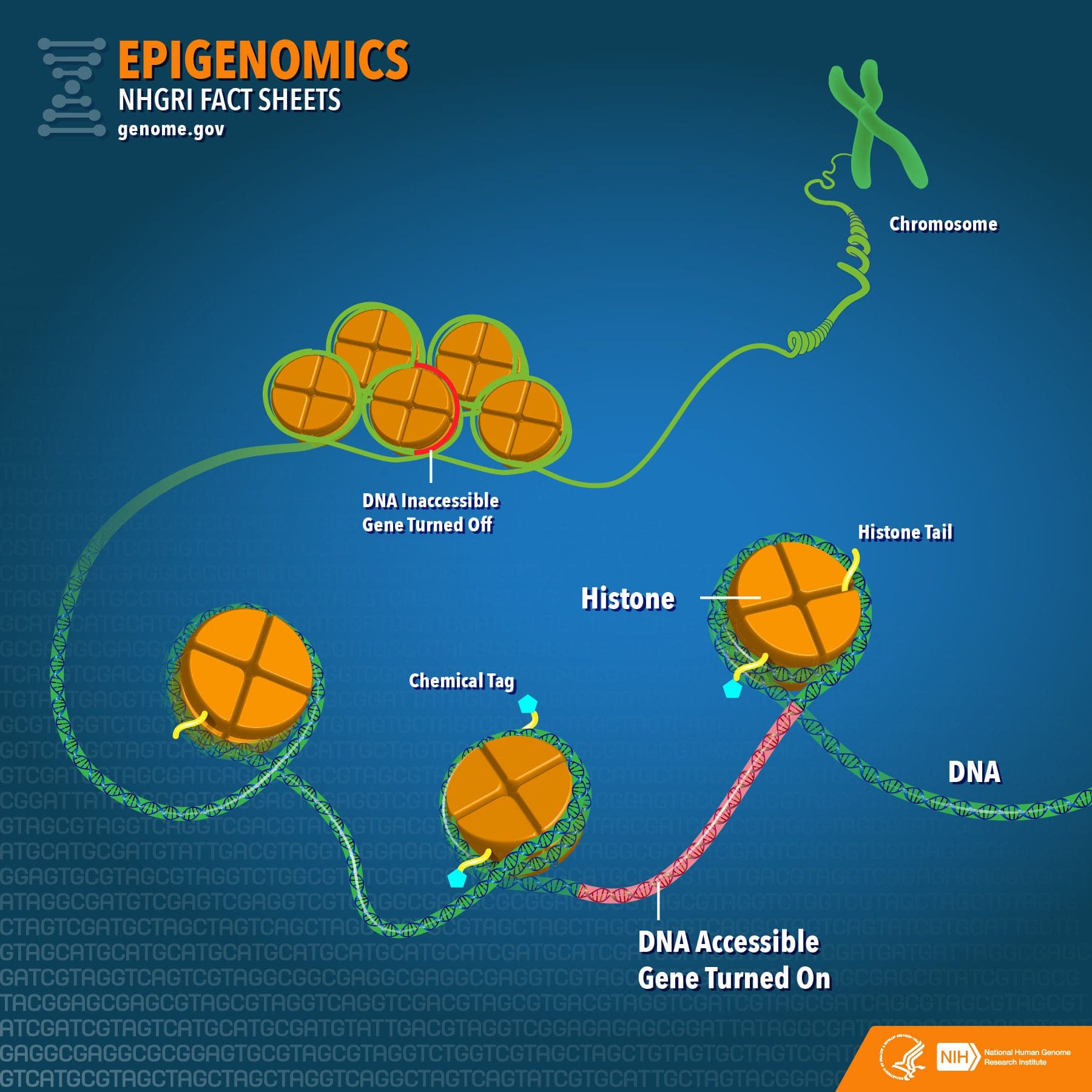
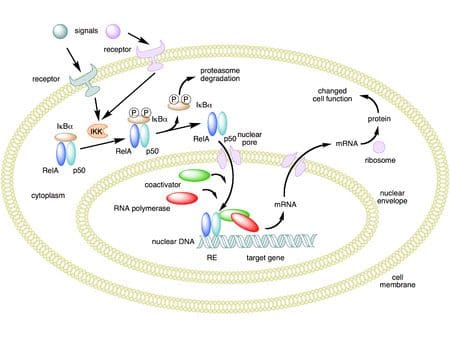
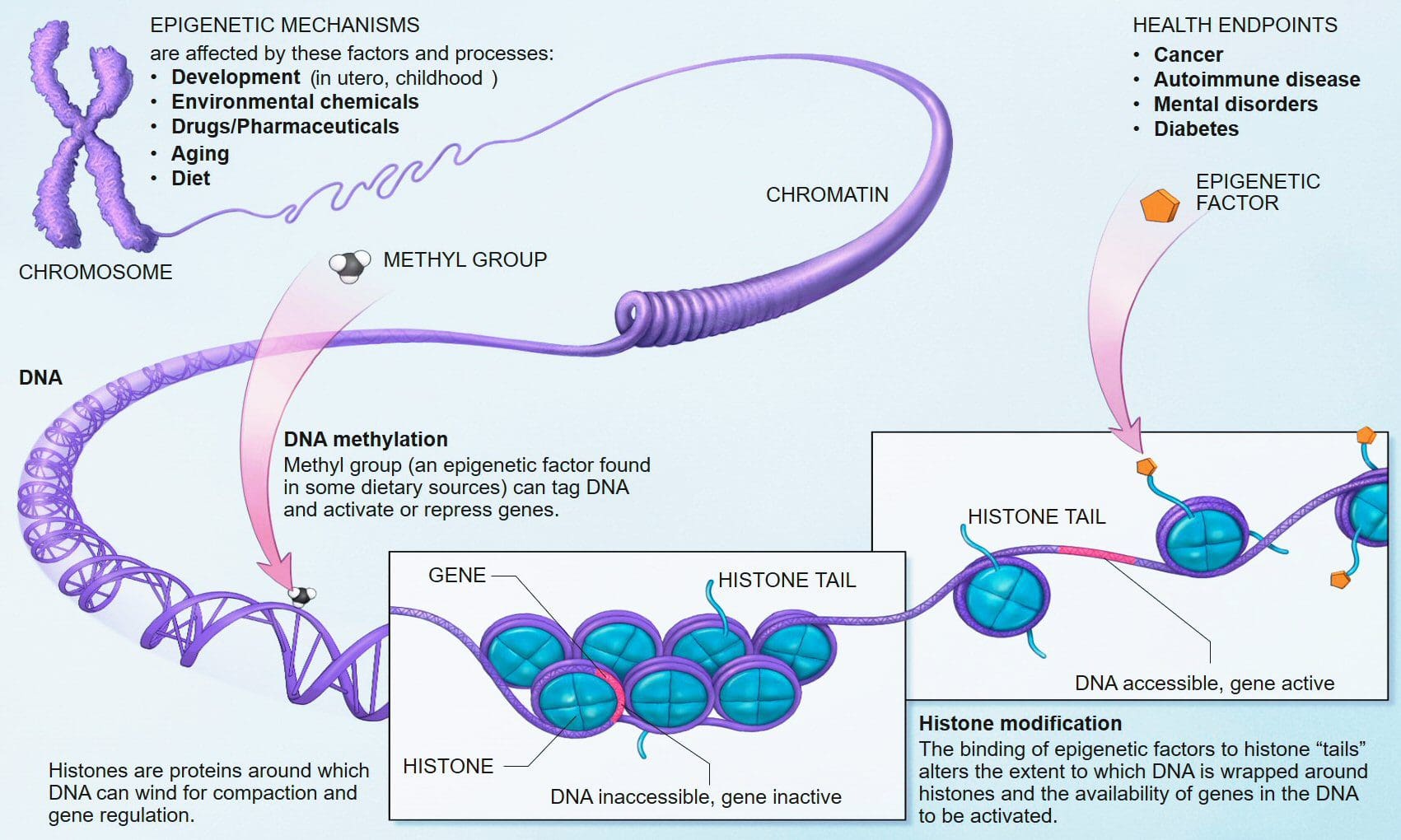
Our epigenome provides an extra layer of instructions that influence gene activity. This is an extra layer of instructions that affect whether or not various genes are turned on or off, and ultimately affect cellular function and metabolism.
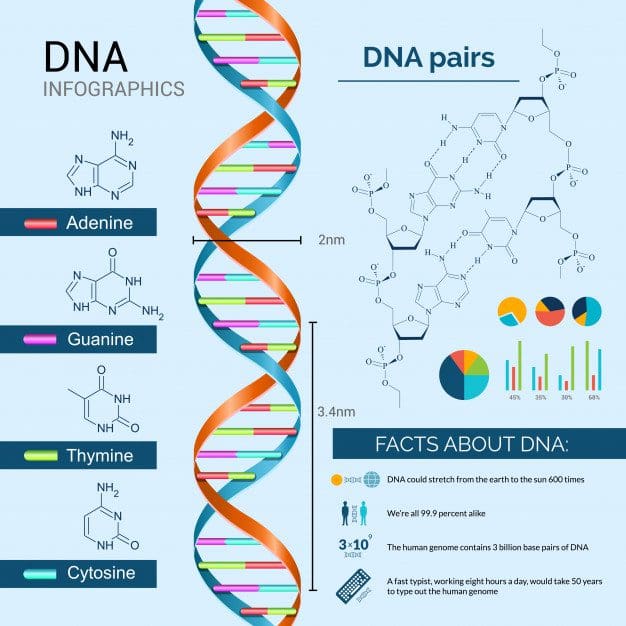
These are typically abbreviated as A, G, T, and C.
The Sequence or Order of These Bases Is What Drives Our Life Instructions
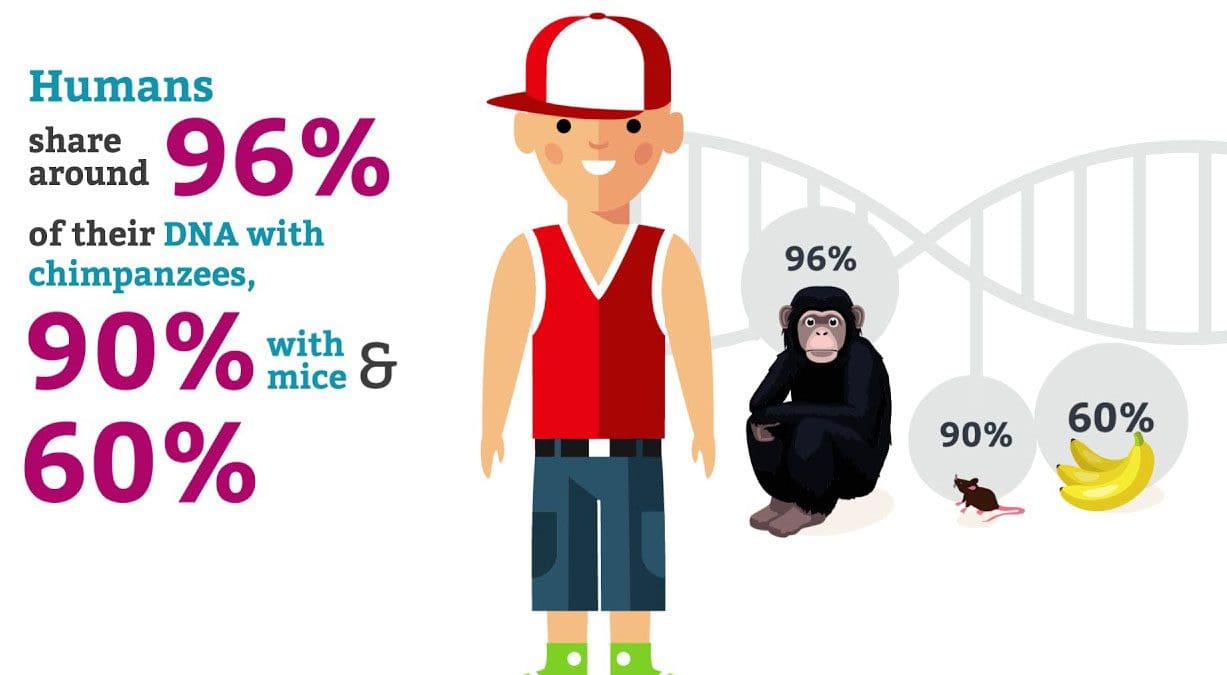
The human DNA sequence is somewhat similar to a chimpanzee. However, only a fraction of different sequences is what makes us human.
Inside The 3 Billion Bases are About 20,000 Genes
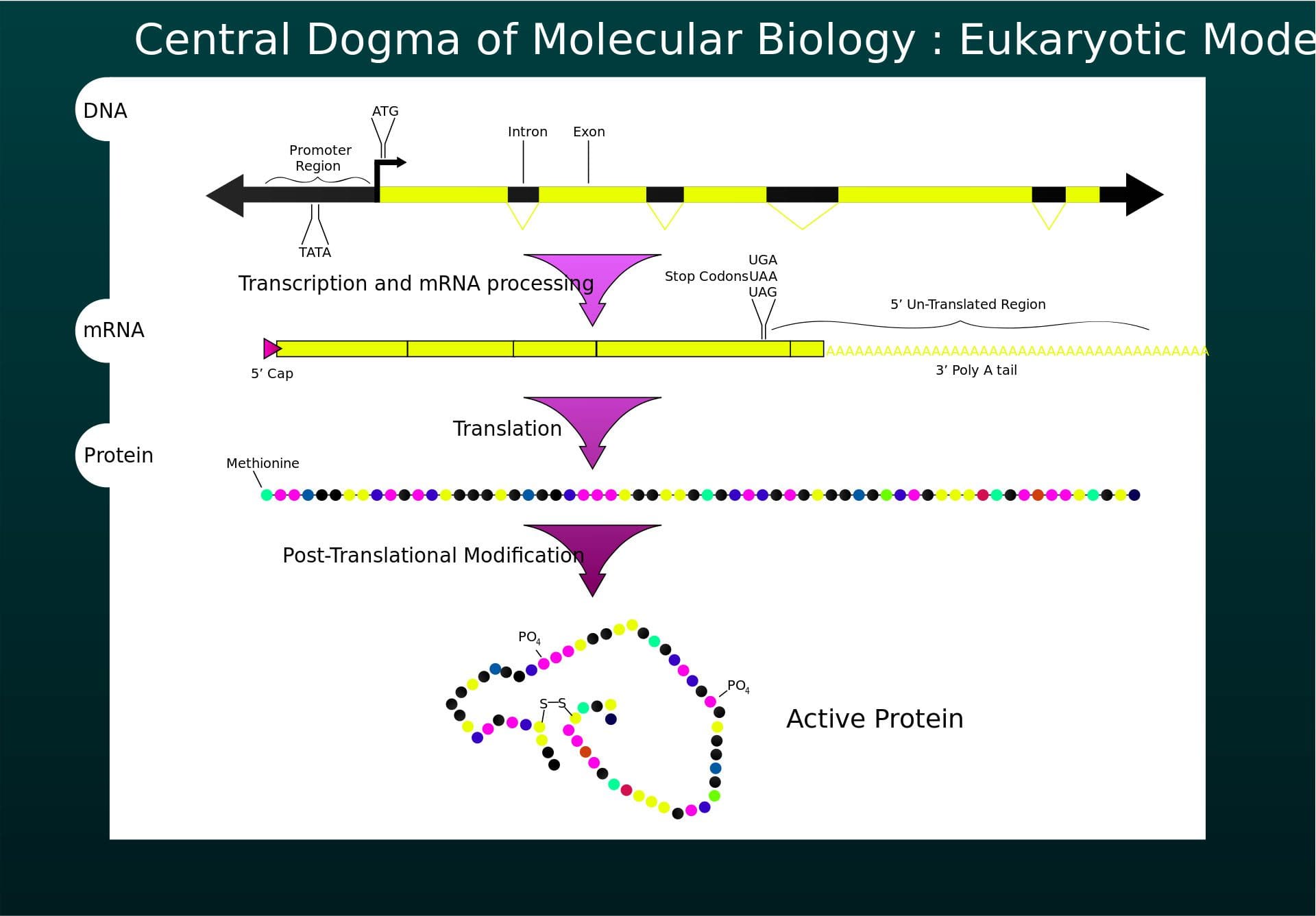
Genes are a specific set of sequences/instructions on how to make proteins, (complex molecules that trigger biological actions for carrying out life functions).
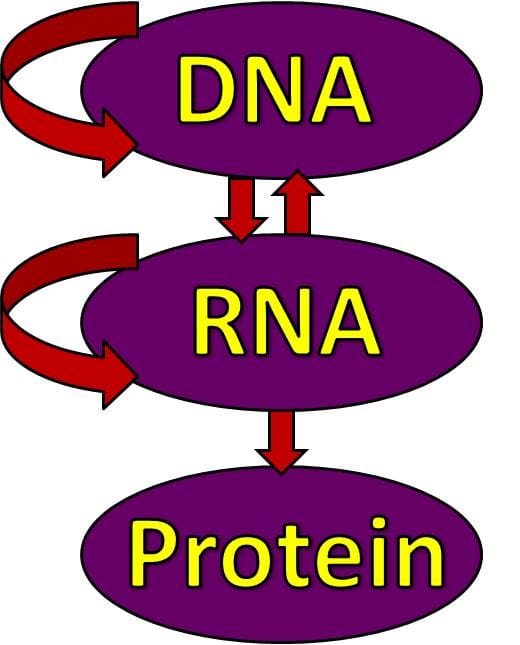
The DNA gives the instructions for various essential proteins to be produced inside the cell.
Epigenetics is what controls our genes: Epigenetics determine a cell�s specialization (e.g., skin cells, blood cells, hair cells, liver cells, etc.) as a fetus develops through gene expression (active) or silent (dormant).
Nurture: Environmental stimuli can cause genes to turn on or off.
They AreEverywhere
What We Eat
Where We Live
Who We Interact With
Sleep
Exercise
Age
All of these can cause chemical alterations around the genes that can turn them on or off over time.
In certain diseases, e.g., cancer or Alzheimer�s, certain genes will switch to the opposite state. This means they turn away from being in a normal/healthy state into an unhealthy state.
They Are What Makes Us Unique
Expedition 45/46 commander and retired astronaut Scott Kelly (right), along with his twin brother, retired astronaut Mark Kelly (left), speak to media.
This is why some of us have:
Blonde hair
Dark skin
Dislike certain foods
More social than others
The different combinations of genes that get turned on or off is what makes each one of us.
There are even indications that some epigenetic changes are inherited.
It Is Reversible
With 20,000 genes, the results of different combinations being turned on or off are enormous.
Imagine if we could map every single cause and effect of the different combinations
Reverse the gene�s state to keep healthy genes while eliminating unhealthy genes
DNA is the script, the instructions for the actors
The cells are the actors
The literal DNA sequence are all the words
Certain blocks of words are key instructions for events to happen, these are the genes
The Epigenetic concept is like movie directing
Different directors can shoot the same script
However, each director makes choices in regard to:
Adjustments with actors/scenes/dialogue
What to keep/remove
These choices are going to alter the movie, hence alter the DNA
Therefore, one director’s movie will be different than another director’s even though they shot the same script.
In other words, the same exact DNA sequence for a particular gene may give rise to different outcomes, depending on its epigenotype and, unlike the genetic code, which Gosden and Feinberg liken to �indelible ink,� the epigenetic code can be altered �like a code written in pencil in the margins�
Gosden RG, Feinberg AP. Genetics and epigenetics�Nature�s pen-and-pencil set. N Engl J Med. 2007;356:731-733.
Can methylation donors help promote a balanced methylation support?
Many doctors and functional medicine practitioners generally recommend higher doses of methyl donors, such as 5-methyltetrahydrofolate, or 5-MTHF, and methylcobalamin, in several patients. By way of instance, people with genetic polymorphisms and people with out-of-range methylation-related biomarkers, such as in hyperhomocysteinemia, may often develop health issues which may affect the function of specific enzymes, such as methylenetetrahydrofolate reductase, or MTHFR, among others.
Nutrient deficiencies associated with methyl donors are a prevalent finding in laboratory evaluations, and depending on your population, these may be closely associated with vitamin B12 deficiency-related neuropathy, which is relatively common. Many doctors and functional medicine practitioners also understand the importance of methylation support to help improve hereditary or environmental epigenetic health issues. Improving methylation status and avoiding the pathways of disease and dysfunction associated with potential nutritional deficits in methylation activity is the goal of many healthcare professionals.
However, as with any other biochemical process, methylation activity occurs through the balance of homeodynamics, or the dynamic form of homeostasis. An imbalance in these biochemical processes can ultimately lead to dysfunction and disease. Therefore, although we can be confident that making sure we have enough methyl donors available for use in the human body is essential, we have to question whether �pushing� reaction rates utilizing supraphysiological doses are safe and effective. Instead of forcing reaction rates, perhaps the goal of healthcare professionals should ultimately be to allow the human body to function correctly.
Methylation Supplementation
Numerous health issues associated with long-term, high-dose supplementation for methylation donors include:
According to research studies, the effects of these genetic alterations remains unclear. In comparison to the altered function of MTHFR C677T and A1298C single nucleotide polymorphisms, or SNPs, which have been moderately evaluated, the diagnosis of other SNPs can demonstrate the overall function of these specific enzymes. The effect of these SNPs on methylation activity depends on enzymes working together in the circumstance of a person’s internal and external environment. These outcome measures have been demonstrated in a variety of genome research studies. As a result, researchers are unable to determine the effects which these alterations, including that of MTHFR C677T, can develop on a patient’s overall methylation status.
The correct supplementation dose for methylation donors remains mostly unknown, as it may vary tremendously between patients. No research studies have currently demonstrated what the correct dosage or duration of methyl-donor supplementation is required to balance biochemical and epigenetic methylation status. Various side effects of high-dose 5-methyltetrahydrofolate, or 5-MTHF, supplementation have been demonstrated in clinical practice, including anxiety and worsening of symptoms.
Hypermethylation may be detrimental to an individual’s overall health and wellness. The following series of articles contain many examples of region-specific DNA hypermethylation health issues, including immune dysfunction, Downs Syndrome, and cancer. Both DNA hyper- and hypomethylation can develop due to deficiencies in methylation donors. Folic acid has been associated with increased immune hypersensitivity and cancer. The bottom line is that we don�t understand what effect long-term, high-dose methylation donors and supplementation can have on DNA methylation support. Further research studies are still required to show this effect.
Methylation is a biochemical process which involves the conversion of methylation activity for the function of a variety of processes in the human body. Methylation imbalances, however, can cause a variety of health issues. Methylation donors are a form of supplementation for methylation support. But, research studies have demonstrated that supplementation for methylation support may not be right for everyone. The best way to improve methylation is through proper nutrition, physical activity, and exercise, among other dietary and lifestyle modifications. The nutritional guidelines below can help safely and effectively improve methylation support, promoting overall health and wellness.
Dr. Alex Jimenez D.C., C.C.S.T. Insight
Nutrition for Methylation Support
Methylation status can often depend on a patient’s dietary and lifestyle factors. Dietary and lifestyle factors, including physical activity and exercise, stress, sleep, medicines, and toxin exposure, plays a role in methylation. Single interventions with high-dose nutrient supplementation may lack long-term effectiveness or these may not achieve the desired methylation support.
Dietary and lifestyle modifications are safe and effective, alternative treatment options for most individuals with methylation imbalances. This may be fundamental for certain vulnerable individuals, such as patients with active cancers. Aging is also known to be associated with decreased methylation activity, therefore, the Methylation Diet and Lifestyle, or MDL, program can be utilized as an anti-aging tool. Methylation status diagnosis and treatment is essential during preconception, pregnancy and the postnatal period.
The MDL program and supplementation can help promote overall health and wellness. A dietary and lifestyle treatment approach can also be utilized as a follow-up plan for people who need high-dose nutraceutical support. A variety of foods can promote methylation support. Dietary and lifestyle modifications have also been demonstrated to considerably improve methylation activity.
In the following articles, we will discuss dietary and lifestyle factors which can help support methylation. We will also discuss the basic biochemistry of methylation, the roles of methylation in the human body, how to evaluate methylation status, and the risks and benefits of methyl donor supplementation as well as the health issues associated with too little or too much methylation activity.
Smoothies and Juices for Methylation Support
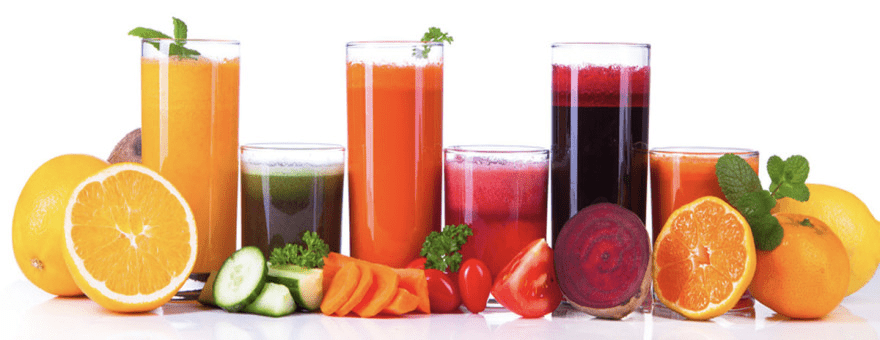
While many healthcare professionals can recommend nutritional guidelines and lifestyle modifications, there are several alternative treatment options you can try for yourself at home. As described above, however, supplementation for methylation support should be correctly determined by a healthcare professional. Smoothies and juices are a fast and easy way to include all the necessary nutrients you need for methylation support in a single serving. The smoothies and juices below are part of the Methylation Diet Food Plan.
Sea Green Smoothie Servings: 1 Cook time: 5-10 minutes � 1/2 cup cantaloupe, cubed � 1/2 banana � 1 handful of kale or spinach � 1 handful of Swiss chard � 1/4 avocado � 2 teaspoons spirulina powder � 1 cup water � 3 or more ice cubes Blend all ingredients in a high-speed blender until completely smooth and enjoy!
Berry Bliss Smoothie Servings: 1 Cook time: 5-10 minutes � 1/2 cup blueberries (fresh or frozen, preferably wild) � 1 medium carrot, roughly chopped � 1 tablespoon ground flaxseed or chia seed � 1 tablespoons almonds � Water (to desired consistency) � Ice cubes (optional, may omit if using frozen blueberries) Blend all ingredients in a high-speed blender until smooth and creamy. Best served immediately!
Sweet and Spicy Juice Servings: 1 Cook time: 5-10 minutes � 1 cup honeydew melons � 3 cups spinach, rinsed � 3 cups Swiss chard, rinsed � 1 bunch cilantro (leaves and stems), rinsed � 1-inch knob of ginger, rinsed, peeled and chopped � 2-3 knobs whole turmeric root (optional), rinsed, peeled and chopped Juice all ingredients in a high-quality juicer. Best served immediately!
Ginger Greens Juice Servings: 1 Cook time: 5-10 minutes � 1 cup pineapple cubes � 1 apple, sliced � 1-inch knob of ginger, rinsed, peeled and chopped � 3 cups kale, rinsed and roughly chopped or ripped � 5 cups Swiss chard, rinsed and roughly chopped or ripped Juice all ingredients in a high-quality juicer. Best served immediately!
Zesty Beet Juice Servings: 1 Cook time: 5-10 minutes � 1 grapefruit, peeled and sliced � 1 apple, washed and sliced � 1 whole beet, and leaves if you have them, washed and sliced � 1-inch knob of ginger, rinsed, peeled and chopped Juice all ingredients in a high-quality juicer. Best served immediately!
Protein Power Smoothie Serving: 1 Cook time: 5 minutes � 1 scoop protein powder � 1 tablespoon ground flaxseed � 1/2 banana � 1 kiwi, peeled � 1/2 teaspoon cinnamon � Pinch of cardamom � Non-dairy milk or water, enough to achieve desired consistency Blend all ingredients in a high-powered blender until completely smooth. Best served immediately!
ProLon� Fasting Mimicking Diet
alanced methylation support can be achieved through proper nutrition. The ProLon� fasting mimicking diet offers a 5-day meal program which has been individually packed and labeled to serve the foods you need for the FMD in precise quantities and combinations. The meal program is made up of ready-to-eat or easy-to-prepare, plant-based foods, including bars, soups, snacks, supplements, a drink concentrate, and teas. The products are scientifically formulated and great tasting. Before starting the ProLon� fasting mimicking diet, 5-day meal program, please make sure to talk to a healthcare professional to find out if the FMD is right for you. The ProLon� fasting mimicking diet can help promote methylation support, among a variety of other healthy benefits.
Many doctors and functional medicine practitioners may recommend higher doses of methyl donors in several patients, however, further research studies are needed to determine the proper amount of methylation supplementation. The scope of our information is limited to chiropractic, musculoskeletal and nervous health issues as well as functional medicine articles, topics, and discussions. To further discuss the subject matter above, please feel free to ask Dr. Alex Jimenez or contact us at 915-850-0900 .
Curated by Dr. Alex Jimenez
Additional Topic Discussion: Acute Back Pain
Back pain is one of the most prevalent causes of disability and missed days at work worldwide. Back pain attributes to the second most common reason for doctor office visits, outnumbered only by upper-respiratory infections. Approximately 80 percent of the population will experience back pain at least once throughout their life. Your spine is a complex structure made up of bones, joints, ligaments, and muscles, among other soft tissues. Injuries and/or aggravated conditions, such as herniated discs, can eventually lead to symptoms of back pain. Sports injuries or automobile accident injuries are often the most frequent cause of back pain, however, sometimes the simplest of movements can have painful results. Fortunately, alternative treatment options, such as chiropractic care, can help ease back pain through the use of spinal adjustments and manual manipulations, ultimately improving pain relief.
Formulas for Methylation Support
XYMOGEN�s Exclusive Professional Formulas are available through select licensed health care professionals. The internet sale and discounting of XYMOGEN formulas are strictly prohibited.
Proudly, Dr. Alexander Jimenez makes XYMOGEN formulas available only to patients under our care.
Please call our office in order for us to assign a doctor consultation for immediate access.
If you are a patient of Injury Medical & Chiropractic Clinic, you may inquire about XYMOGEN by calling 915-850-0900.
For your convenience and review of the XYMOGEN products please review the following link.*XYMOGEN-Catalog-Download
* All the above XYMOGEN policies remain strictly in force.
Some people find it easier to engage in certain healthy activities during different times of the year. For instance, they may enjoy the fresh produce of summer or going for a run during the cooler days of fall. However, there are some things you can do to stay healthy regardless of the season. These are some good habits you can cultivate and develop for good health, rain or shine, cool weather or warm. By incorporating these four practices into your daily routine, you are very likely to see much less of your doctor and enjoy your life a whole lot more.
See a Chiropractor Regularly
Visiting a chiropractor regularly will keep your body balanced and your spine aligned. Chiropractic care has several significant benefits including decreased pain, faster healing from injuries, increased mobility, and better flexibility.
What makes it even more preferable is that chiropractic takes a whole-body approach to health issues. This means that when you have a problem such as pain or a medical condition, your chiropractor will work to get to the root of it and treat the condition where it starts while traditional medicine typically focuses on symptoms. Chiropractic care is non-invasive and drug-free, a truly natural approach to health care.
Maintain a Balanced Diet
A healthy diet is the cornerstone of good health. You should maintain a diet that includes lean meats, fresh fruits and vegetables, and whole grains. The key is choosing fresh, seasonal foods that are local to your area. Foods grown in their season have certain vitamins and minerals that the body needs for the time of year in which they are ripe and ready.
It is also worth noting that several small studies have found that animal protein can exacerbate pain, specifically osteoarthritis. It does not mean you should stop eating meat altogether because certain types of meat offer significant health benefits. Salmon is a good example. It is loaded with heart-healthy Omega 3 Fatty Acids � which, incidentally, also help to reduce inflammation in the body.
Find an Exercise Routing that Works
If you want to be able to move, then you have to start moving. Exercise is crucial for maintaining a healthy lifestyle. The problem is, many people believe that the only way they can exercise is by joining the gym or going for a run which has to be done in good weather. This isn�t so.
There are plenty of things you can do indoors, even in small spaces or while on vacation, to get some exercise. If you have problems with mobility, walking is an excellent option, but even gardening is great.
Also, women over 40 should do weight-bearing exercises several times a week to ward off osteoporosis. Furthermore, exercise is a great complement to chiropractic. It helps to keep your body flexible and increases your range of motion. Three to five times a week for 20 to 30 minutes is all you need.
Get Good Sleep
Good sleep is one of the most underrated keys to good health. When you sleep, it gives your brain and body an opportunity to refresh and heal. The discs in your spine are rehydrated, your body relaxes, and you less susceptible to stress when you are well rested.
On average, adults need anywhere from seven to nine hours of sleep a night in order to reap the full benefits. Take time to set up your bedroom for good rest: a comfortable mattress, a good pillow (they can wear out so change them regularly), a cool, dark, quiet room, and a relaxing environment that may include white noise or lavender scent. Make your bedroom as comfortable and sleep-inducing as possible.
Good health practices don�t have to be complicated or difficult. Start with small steps and let those behaviors become habits. Good health habits will help you have a long, full life.
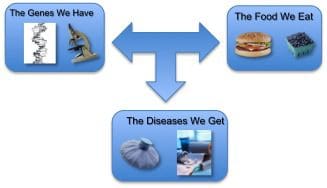
Nutrigenomics examines Relationships Between What We Eat
The risk/response to diseases
Genes and gene expression
Biomarkers
Uses A Variety of Tools In Identifying Disease Risk
Food diaries record nutrient input
Biomarkers: Example metabolite or hormone levels are examined to understand the body�s response
Genomic essays to identify relevant gene variations
Clinical data:
Age
Weight
Sex
BMI for monitoring the health impact of food
Applied to a Wide Range of Conditions
Risk of developing metabolic syndrome based on genetic variants and controlled by diet and lifestyle
Links between gut microbiota, obesity, and mental health
Correlation between specific nutrient intake and diseases
Example: Coffee and cardiac irregularities
Personalized Interventions
Identify, and provide supplements to a woman who metabolizes folate poorly in order to reduce neural tube defects in pregnancy.
Recommending a low fat diet versus low carbohydrate diet as the best way to lose excess weight.
As technology advances along with medical breakthroughs, there is not a day without there being a new cure or treatment to learn about. The trend is currently focused on the field of genetics and genomics, which consists of having personalized nutrition.
In the past recommending nutritional plans was population based. The only difference was between age, sex and pregnancy.
There is mounting evidence that nutrition throughout one’s life course modifies the epigenome.
There has been an increase in studies, which have reported associations between gene polymorphisms, nutrition, and disease risk.
Epigenetics
Epigenetic processes affect how the body uses nutrients.
The field of epigenetics explains unaccounted for variations in disease risk that is linked to the understanding of the interaction between nutrition and the genome.
A personalized nutrition dietary recommendation has the potential to decrease nutrition-related diseases.
There are still practical and economic challenges associated with this strategy.
Major epigenetic processes are DNA methylation, histone modification and noncoding RNAs.
This suggests the possibility that epigenotypes or (stable pattern of gene expression outside the actual base pair sequence of DNA) associated with disease risk can be changed.
Effects of Nutrients
The nature of an epigenetic change that is induced by specific nutrient/s intervention depends on the animal species, sex, genotype, and target gene, as well as, the timing of exposure and direction of the nutritional change.
There is also the possibility that epigenetic marks present at birth may act as predictors for future disease risk and pave the way to improve an individual’s health.
Terminology
Genes: Instructions written in our DNA sequence for making proteins that carry out all our biological functions.
Not all DNA is made up of genes; some are only used for spacing like the way the letters on a keyboard are arranged, so the buttons are easier to get to. Some are instructions for the instructions, like a content page that shows what to look for before beginning a chapter in a book.
Genetics: Study of gene inheritance how they vary from person to person and are passed on.
Genome: Is the collective term for all of our genes.
Genomics: A field of genetics that looks and analyzes the sequence of the genome.
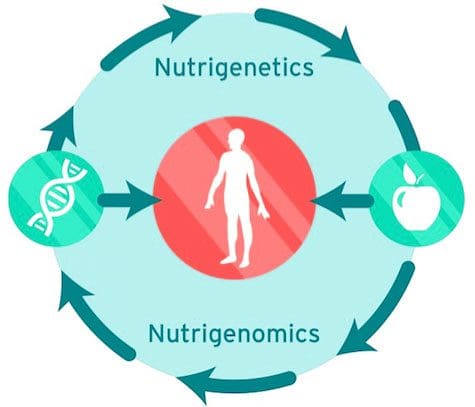
Nutrigenetics: Is concerned with how our genetic variations affect the way we respond to nutrients.
Epigenetics: The modification to the expression of genes, not involving changes in the genetic code itself (mainly via histones and methylation), that occurs in response to environmental factors. This results in genes being switched �on� or �off.�
Nutritional Genomics goal is to prevent the onset and development of chronic diseases. This is done by targeting dietary recommendations based on an individual�s genetic profile. Discoveries being made in the field, demonstrate that individuals are benefitting from adhering to different nutritional guidelines. However, this also depends on their genotype.
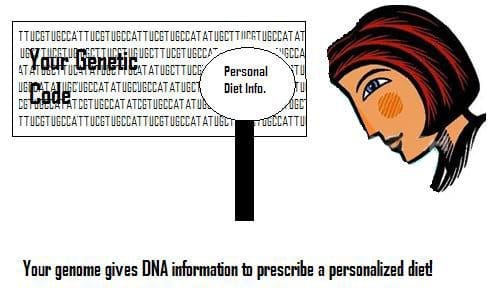
Knowing an individual’s genetic code helps better understand the intricacies and complexities of a case and aids in guiding recommendations in line with an individual’s genetic requirements.
However, even knowing someone�s SNP does not tell if a gene is on or off. This is where functional testing and case history come into play. Therefore, genomic testing is just a portion of the bigger picture.
Epigenetics is still a new science with the availability of new tools continually emerging. The field is rapidly progressing, and the findings reflect these advances in understanding and analyzing technologies.
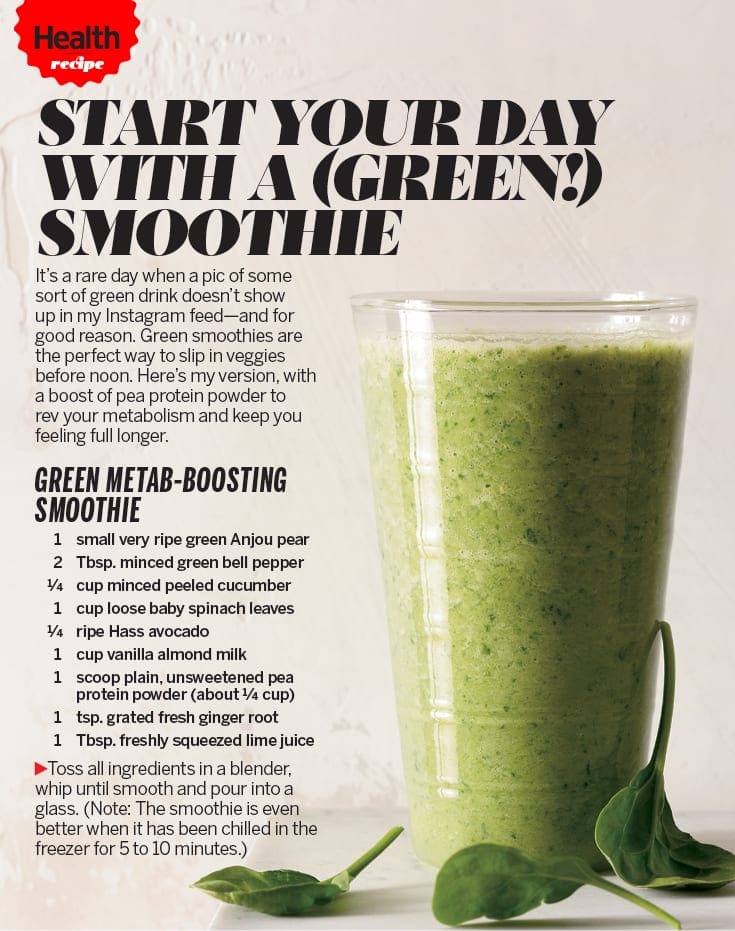
And while trying to wrap your head around all of this can be daunting, don’t worry, it takes a few reps before it starts to make sense. And because of this, one of Dr. Jimenez’ goals is to simplify as much as possible. The program, terminology, and diet. And one way is going to be through SMOOTHIES! Putting it all into one easy drink will make it easier for everyone.
The American Heart Association and American Stroke Association advocate that many of the effects of diet on cardiovascular disease (CVD) risk and the outcomes are mediated by changes in gene expression. This means that the utilization of global transcriptional profiling is an important tool in nutrigenomics, and therefore cannot be denied that nutrigenomics is being taken seriously by those in the field of medical research.
What is systems medicine and how is it integrated into our overall health and wellness?
Systems medicine is an interdisciplinary field of study which evaluates the systems of the human body as part of a whole, including biochemical, physiological, and environmental interactions. And, with the outlining of the human genome back in 2001, Systems Medicine became widely recognized.
Humans are estimated to have between 20,000 and 25,000 genes although this number could drop further as genome sequence quality and gene finding methods improve over time. While the code for our lives seems smaller than what we expected, tremendous consideration is now being paid to the regulatory aspects of the genome and research studies on the heritable epigenome are gaining momentum. Methylation, a cornerstone epigenetic and metabolic process, now yields more than 85,000 hits on a PubMed search.
With the readily available access to genetic testing, many patients now have a greater understanding of their genes, most often concerning their single nucleotide polymorphisms, or SNPs, associated with methylation. It truly is a wildly exciting time to be practicing Functional Medicine, the clinical application of systems medicine. Several hypotheses have been developed on the phenotypic expression of single nucleotide variations. A heterozygous mutation in MTHFR A1298C SNP, by way of instance, can make it difficult for people to detoxify efficiently. Genetic testing and metabolic biomarkers can help demonstrate “lesions” in methylation.
What is Methylation Support?
Methylation is fundamental towards a variety of bodily functions, including detoxification, neurotransmitter production, and epigenetic regulation. Researchers have seen the impact that improving methylation can have on fortifying folic acid and reducing neural tube defects. The Methylation Diet and Lifestyle, or MDL, program was created with the purpose of embracing both the importance of healthy methylation balance as well as recognizing the limitations in our current understanding of methylation.
Methylation imbalances, such as hypermethylation and hypomethylation, in the gene promoter regions are associated with many health issues, from allergies and aging to neurodegenerative diseases and cancer. The regulation of the epigenome is a highly complex process. And, further research studies are still required to determine the effect of high-dose, long-term methylation interventions.
Furthermore, healthcare professionals need to consider whether high-dose, long-term methylation interventions are the right treatment approach for patients with these health issues. Numerous research studies have demonstrated reasonable concerns about supplementation. There are also patients who are unable to take methyl donor supplementation due to poor epinephrine clearance and other biogenic amines or detoxification activity. Understanding whether this treatment approach may be an appropriate methylation intervention, however, suggests that other, alternative treatment options may be required for overall health and wellness.
Food-based folates, by way of instance, have only been demonstrated to have protective effects on methylation. A variety of phytochemicals, not closely associated with methylation, seem to effectively modulate global epigenetic and biochemical methylation activity. And, decreasing methyl donor depletion by reducing toxic exposures, nourishing the microbiome, and increasing the stress response is safe and efficient. Nutrition can ultimately help eliminate the “lesions” in methylation for balanced bodily functions.
Methylation is a simple biochemical process which affects a variety of bodily functions, including DNA production, detoxification, and cellular energy, among many other fundamental processes. However, approximately 60 percent of people in the United States have a genetic mutation which tremendously affects methylation. When methylation isn’t working efficiently, it can affect the production of a variety of important molecules, including glutathione, coenzyme Q10, and melatonin, among many other fundamental substances. Understanding the importance of methylation support is important towards our overall health and wellness, and there are several ways you and your doctor can promote better methylation support.
Dr. Alex Jimenez D.C., C.C.S.T. Insight
The Methylation Diet and Lifestyle Program
The Methylation Diet and Lifestyle program wouldn’t have been created if it wasn’t for the years of discussions on current research studies and patient treatment approaches. The following article serves as a guide to help people how to evaluate their methylation status and understand the current methylation health issues, and how to incorporate an MDL program into your protocols as well as the potential concerns from supplementation. Nutritional guidelines and lifestyle modifications can help improve methylation.
However, how can we determine when we should utilize the MDL? This treatment approach ultimately offers the methylation support patients might need, especially for those who cannot tolerate supplementation. It is also a safe and effective long-term strategy for a majority of patients who have utilized a short-term course of higher-dose methyl donors. The full MDL program also supports detoxification, microbiome and hormone balance, stress reduction, and it can be modified to incorporate other programs which are also generally recommended, such as elimination diets, grain and lectin-free plans, low FODMAP diets and traditional gut restoration programs. Highly restricted plans, such as the ketogenic diet used for epilepsy, can incorporate aspects of the MDL with additional nutraceutical support. Any dietary program can work with the Methylation Diet and lifestyle program for overall health and wellness.
Smoothies and Juices for Life
While many healthcare professionals can recommend the nutritional guidelines and lifestyle modifications described above, there are several remedies you can try for yourself at home. Smoothies and juices are a fast and easy way to include all the necessary nutrients you need for methylation support in a single serving. The smoothies and juices below are part of the Methylation Diet Food Plan.
Sea Green Smoothie Servings: 1 Cook time: 5-10 minutes � 1/2 cup cantaloupe, cubed � 1/2 banana � 1 handful of kale or spinach � 1 handful of Swiss chard � 1/4 avocado � 2 teaspoons spirulina powder � 1 cup water � 3 or more ice cubes Blend all ingredients in a high-speed blender until completely smooth and enjoy!
Berry Bliss Smoothie Servings: 1 Cook time: 5-10 minutes � 1/2 cup blueberries (fresh or frozen, preferably wild) � 1 medium carrot, roughly chopped � 1 tablespoon ground flaxseed or chia seed � 1 tablespoons almonds � Water (to desired consistency) � Ice cubes (optional, may omit if using frozen blueberries) Blend all ingredients in a high-speed blender until smooth and creamy. Best served immediately!
Sweet and Spicy Juice Servings: 1 Cook time: 5-10 minutes � 1 cup honeydew melons � 3 cups spinach, rinsed � 3 cups Swiss chard, rinsed � 1 bunch cilantro (leaves and stems), rinsed � 1-inch knob of ginger, rinsed, peeled and chopped � 2-3 knobs whole turmeric root (optional), rinsed, peeled and chopped Juice all ingredients in a high-quality juicer. Best served immediately!
Ginger Greens Juice Servings: 1 Cook time: 5-10 minutes � 1 cup pineapple cubes � 1 apple, sliced � 1-inch knob of ginger, rinsed, peeled and chopped � 3 cups kale, rinsed and roughly chopped or ripped � 5 cups Swiss chard, rinsed and roughly chopped or ripped Juice all ingredients in a high-quality juicer. Best served immediately!
Zesty Beet Juice Servings: 1 Cook time: 5-10 minutes � 1 grapefruit, peeled and sliced � 1 apple, washed and sliced � 1 whole beet, and leaves if you have them, washed and sliced � 1-inch knob of ginger, rinsed, peeled and chopped Juice all ingredients in a high-quality juicer. Best served immediately!
Protein Power Smoothie Serving: 1 Cook time: 5 minutes � 1 scoop protein powder � 1 tablespoon ground flaxseed � 1/2 banana � 1 kiwi, peeled � 1/2 teaspoon cinnamon � Pinch of cardamom � Non-dairy milk or water, enough to achieve desired consistency Blend all ingredients in a high-powered blender until completely smooth. Best served immediately!
The scope of our information is limited to chiropractic, spinal health issues, and functional medicine articles, topics, and discussions. To further discuss the subject matter above, please feel free to ask Dr. Alex Jimenez or contact us at 915-850-0900 .
Curated by Dr. Alex Jimenez
Additional Topic Discussion: Acute Back Pain
Back pain is one of the most prevalent causes of disability and missed days at work worldwide. Back pain attributes to the second most common reason for doctor office visits, outnumbered only by upper-respiratory infections. Approximately 80 percent of the population will experience back pain at least once throughout their life. Your spine is a complex structure made up of bones, joints, ligaments, and muscles, among other soft tissues. Injuries and/or aggravated conditions, such as herniated discs, can eventually lead to symptoms of back pain. Sports injuries or automobile accident injuries are often the most frequent cause of back pain, however, sometimes the simplest of movements can have painful results. Fortunately, alternative treatment options, such as chiropractic care, can help ease back pain through the use of spinal adjustments and manual manipulations, ultimately improving pain relief.
XYMOGEN�s Exclusive Professional Formulas are available through select licensed health care professionals. The internet sale and discounting of XYMOGEN formulas are strictly prohibited.
Proudly, Dr. Alexander Jimenez makes XYMOGEN formulas available only to patients under our care.
Please call our office in order for us to assign a doctor consultation for immediate access.
If you are a patient of Injury Medical & Chiropractic Clinic, you may inquire about XYMOGEN by calling 915-850-0900.
For your convenience and review of the XYMOGEN products please review the following link.*XYMOGEN-Catalog-Download
* All the above XYMOGEN policies remain strictly in force.
Louie Martinez depends on his wellness to be able to perform daily physical activities. And thanks to Dr. Jimenez, a chiropractor. Louie Martinez has found pain relief for a variety of health issues. Chiropractic care is a safe and alternative treatment option that focuses on the diagnosis, treatment, and prevention of a variety of injuries and/or conditions associated with the musculoskeletal and nervous systems. Louie Martinez describes how Dr. Alex Jimenez has restored his quality of life. Louie Martinez is grateful for the chiropractic care Dr. Alex Jimenez has provided for him, and he highly recommends him as the non-surgical choice for a variety of health issues, including back pain and sports injuries.
Best Chiropractic
We are blessed to present to you El Paso�s Premier Wellness & Injury Care Clinic.
As El Paso�s Chiropractic Rehabilitation Clinic & Integrated Medicine Center, we passionately are focused on treating patients after frustrating injuries and chronic pain syndromes. We focus on improving your ability through flexibility, mobility and agility programs tailored for all age groups and disabilities.
We want you to live a life filled with more energy, positive attitude, better sleep, less pain, proper body weight and educated on how to maintain this way of life.
I assure you, I will only accept the best for you�
If you have enjoyed this video and we have helped you in any way, please feel free to subscribe and recommend us.
Individuals with diabetes have a 35 percent risk of developing neck pain and back pain, according to a recent research study. The researchers conducted eight research studies on separate occasions which revealed that individuals with diabetes have a higher chance of developing neck pain and back pain. According to the researchers, chronic pain is common in people with diabetes.
Approximately 80 percent of the population will experience some type of back pain throughout their lifetime and nearly half of that number will also suffer from neck pain, according to researchers. Meanwhile, diabetes has become an increasingly common health issue. About 382 million individuals have been diagnosed with type 2 diabetes, according to the World Health Organization.
Despite the outcome measures, it seems there’s still inadequate evidence in the research study to establish a causal connection between diabetes and chronic pain,” stated Manuela Ferreira, Ph.D., the research study’s senior author and associate professor in the university’s Institute of Bone and Joint Research. “The evidence requires further evaluation of this institution,” he explained.
“Type 2 diabetes and chronic back pain both have a strong connection with lack of physical activity or exercise and obesity. Thus, a logical development of the research study may be required to evaluate these outcome measures in further detail,” he explained. “Our evaluation adds to the proof that weight management and physical activity or exercise play essential roles in health and wellness.”
The research study also demonstrated that diabetes drugs and/or medications might also influence chronic pain, possibly via its effect on blood sugar levels. However, this connection also requires further research studies. Additionally, the research study advocated that health professionals should consider screening for diabetes in patients looking for chronic pain relief, such as back pain or neck pain.
Chronic pain affects many individuals with diabetes. The most common type of chronic pain frequently reported by patients with diabetes include neck pain, back pain, and neuropathic pain in the hands and feet. Chronic pain can affect an individual’s daily physical activities. According to researchers, individuals with diabetes have a higher risk of developing chronic pain, or painful symptoms which persist for more than six months.
Dr. Alex Jimenez D.C., C.C.S.T. Insight
The scope of our information is limited to chiropractic, spinal health issues, and functional medicine articles, topics, and discussions. To further discuss the subject matter above, please feel free to ask Dr. Alex Jimenez or contact us at 915-850-0900 .
Curated by Dr. Alex Jimenez
Additional Topic Discussion: Acute Back Pain
Back pain is one of the most prevalent causes of disability and missed days at work worldwide. Back pain attributes to the second most common reason for doctor office visits, outnumbered only by upper-respiratory infections. Approximately 80 percent of the population will experience back pain at least once throughout their life. Your spine is a complex structure made up of bones, joints, ligaments, and muscles, among other soft tissues. Injuries and/or aggravated conditions, such as herniated discs, can eventually lead to symptoms of back pain. Sports injuries or automobile accident injuries are often the most frequent cause of back pain, however, sometimes the simplest of movements can have painful results. Fortunately, alternative treatment options, such as chiropractic care, can help ease back pain through the use of spinal adjustments and manual manipulations, ultimately improving pain relief.
XYMOGEN�s Exclusive Professional Formulas are available through select licensed health care professionals. The internet sale and discounting of XYMOGEN formulas are strictly prohibited.
Proudly, Dr. Alexander Jimenez makes XYMOGEN formulas available only to patients under our care.
Please call our office in order for us to assign a doctor consultation for immediate access.
If you are a patient of Injury Medical & Chiropractic Clinic, you may inquire about XYMOGEN by calling 915-850-0900.
For your convenience and review of the XYMOGEN products please review the following link.*XYMOGEN-Catalog-Download
* All the above XYMOGEN policies remain strictly in force.
IFM's Find A Practitioner tool is the largest referral network in Functional Medicine, created to help patients locate Functional Medicine practitioners anywhere in the world. IFM Certified Practitioners are listed first in the search results, given their extensive education in Functional Medicine