Neck pain prevention can go a long way as long as you take proper care of your body, exercise, and practice healthy habits. Here are a few tips to help prevent neck pain before it begins. Neck mobility is a marvelous thing. The neck can move the head in various directions:
90� of flexion forward motion
90� of extension backward motion
180� of rotation side to side
Almost 120� of tilt to each shoulder
A lot of us are very familiar with a stiff neck or a crick in the neck. This stiffness prevents us from moving comfortably. A crick in the neck can cause the neck part of the spine to feel stiff, rigid and immobile. Fortunately, prevention and various treatments can help.
Prevention:
Standing and sitting properly maintains proper posture and keeps muscles working/healthy. If you begin to hunch over, correct it immediately as it can quickly lead to pain in the neck. Pay attention to how you stand and sit and the more you do this it will become a healthy habit.
Do neck and body exercises regularly and try for a 30-minute cardio workout 3-5 times week.
Staying within a healthy weight-range will keep your spine in top form as it carries the weight of your body, and not overstrain it, which can lead to all kinds of pain.
With healthy weight comes a healthy meal plan, not just for proper weight but to strengthen muscles, bones, enriching the blood and getting to optimal health.
Smoking can affect the bones and muscles in your cervical/neck area of the spine, as well as all the other areas of the body. Therefore it is time to quit.
Sleep with correct head and neck posture. Sleeping with your head in an awkward position is an easy set-up for a strain and pain.
Stress and tension reduction.�Tense muscles in the neck and shoulder often lead to pain in the neck. A few effective ways to reduce stress can be writing, talking to friends, exercising, walking, listening/playing music, art/crafts, cooking, reading,� and turn to these when the stress begins to build.
Driving safely and wearing seat belts can help prevent whiplash.
Using the proper equipment to protect your neck while participating in sports that can lead to neck injuries like football, skateboarding, wrestling, soccer is a must.
Taking care of your body is a complex process. Lifestyle changes pave the way to wellness and making these changes will benefit more than just the neck.
Don’t worry about the list and try to check everything off. Look at the things that apply to you and try to implement a few of these tips one at a time. Keep the bigger changes like quitting smoking/losing weight in the foreseeable future. It takes time, patience and commitment. With a little hard work, it will pay off, and you should have a healthier life with less neck pain episodes and remember prevention is key.
Massage
This is a popular therapy that relieves:
Aches
Fluid retention
Inflammation
Muscle tension
Pain
Spasms
Stiffness
Other benefits include improved blood and lymph circulation, flexibility, range of motion, and increased tissue elasticity.While increasing circulation the muscles are warmed along with other soft tissues like tendons and ligaments.
Swedish
It is one of the most popular massage types in the US. Usually, therapeutic muscle lotion or oil is used to reduce friction and relax the area/muscles as the therapist performs light stroking in one direction with deep pressure in another to relax and loosen the muscles and surrounding ligaments/tissues.
This takes the blood flow and flushes lactic acid, uric acid, and other waste products from the muscles. The ligaments and tendons get stretched, which increases their soft but firm/strong feel. The nerves are stimulated and relaxed, with any stress in the muscles taken away. Relaxing the muscles is the overall goal.
Deep Tissue
This technique aims at chronic muscle tension. The strokes are slower, using more intense direct pressure to release the built-up stress, knots, and tightness. Depending on how deep the muscle and tissue stress maybe, the therapist will adjust their hand positions, strokes, and intensity periodically to work the tissues releasing tension.
Relaxing the Muscles
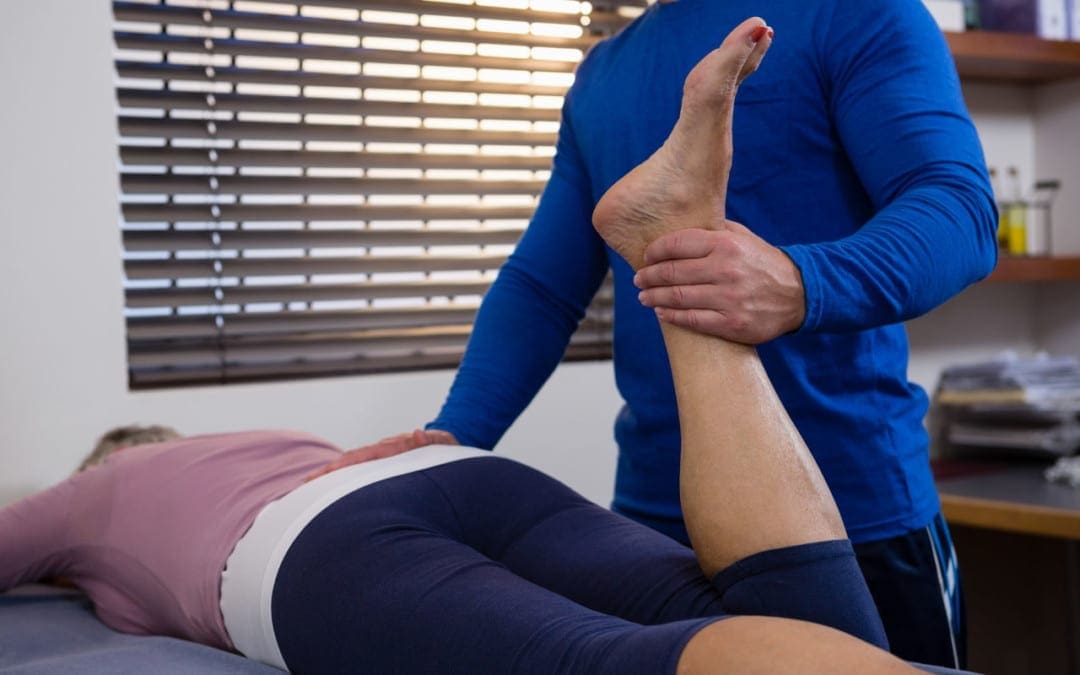
The therapist using their hands or tools to rhythmically knead, rub, and stroke muscles, circulation begins muscle stimulation. This blood flow brings needed oxygen and nutrients and helps the muscles eliminate waste products, like lactic acid, that can collect in the muscles brought on by spasms, which cause pain.
El Paso, TX Neck Pain Chiropractic Treatment
NCBI Resources
Individuals with chronic neck pain that don�t seem to have a cause, could be trigger points. A doctor will refer you to a�physical therapist, chiropractor or another spine specialist�to conduct an examination for trigger points.
Nutraceuticals can help relieve several different types of chronic pain, including sciatica or sciatic nerve pain. Stephen DeFelice, MD, coined the term in 1989, which is a combination of the words nutrition and pharmaceutical. He defined nutraceuticals as food that offers a variety of health benefits as well as prevention and/or treatment of health issues. Although these foods are considered to be natural products, it’s essential to discuss nutraceutical options for chronic pain, including sciatica or sciatic nerve pain, with a healthcare professional to avoid any side-effects or interactions with drugs/medications.
Several nutraceuticals are also considered to be dietary supplements. According to the Dietary Supplement Health and Education Act (DSHEA) is a product that is taken orally in pill, capsule, tablet, or liquid form which is made-up of any chemical ingredient that adds to what a person normally gets in their diet, including vitamins, minerals, amino acids, and herbs as well as substances made from organs or glands and enzymes. Dietary supplements can also be an extract or concentrate. Several examples of dietary supplements include vitamin C, vitamin D, calcium, and fish oil, best known as omega-3 fatty acids.
Nutraceuticals aren’t only limited to dietary supplements, as Dr. Stephen DeFelice previously described. It can also include genetically engineered food, such as food with added antioxidants, vitamins, and minerals. Nutraceuticals offer people extra nutrients that the body needs to use as fuel for energy. Nutrients, such as proteins, fats, and carbohydrates are broken down by the body’s metabolism, a process that uses energy to regulate breathing and heartbeat, among other essential bodily functions. In the following article, we will discuss how nutraceuticals can help improve sciatica or sciatic nerve pain.
How Nutraceuticals Can Help Improve Sciatica
When people have chronic pain, including sciatica or sciatic nerve pain, the body will generally require more nutrients to repair itself. Nutraceuticals can help supplement the nutrients people are already getting from their diet by giving the body more nutrients to use. According to several research studies, nutraceuticals can help reduce pain and inflammation associated with low back pain and other health issues. Sciatica or sciatic nerve pain is a collection of symptoms, rather than a single condition, which is caused by a variety of health issues, including a bulging disk, herniated disk, or degenerative disk disease.
“Nutraceuticals, as well as dietary supplements, work best when used in combination with proper diet, regular exercise or physical activity, and stress management”, stated Carrie Bowler, DO, a physician with One Medical Group in New York. Although these foods are considered to be natural products, it’s essential to discuss nutraceutical options for chronic pain, including sciatica or sciatic nerve pain, with a healthcare professional to avoid any side-effects or interactions with drugs/medications. Below, we will discuss several nutraceuticals that can ultimately help improve sciatica or sciatic nerve pain.
Nutraceuticals for Sciatica
Vitamin D
According to researchers, vitamin D deficiency can make sciatica or sciatic nerve pain worse. One research study published in Pain Physician in 2013 found that chronic pain may be associated with an increased prevalence of vitamin D deficiency in people with spinal stenosis in their lumbar spine or low back, a common cause of sciatica or sciatic nerve pain. A healthcare professional will determine an individual’s recommended dosage of vitamin D based on their individual needs and requirements. Sunlight exposure and vitamin D-fortified foods, such as vitamin D milk, may also help supply the nutrient.
Omega-3 Fatty Acids
Healthcare professionals recommend increasing the intake of omega-3 fatty acids to help reduce inflammation that can ultimately cause chronic pain. Many dietary supplements are available in pill, capsule, tablet, or liquid form. Make sure to talk with your healthcare professional about the proper dosage of omega-3 fatty acids because increased doses of this nutrient can increase the risk of bleeding and other complications. It can also interfere with any blood-thinning drugs and/or medications. You can also increase the intake of omega-3 fatty acids by eating tuna, salmon, sardines, and dark leafy greens.
Glucosamine and Chondroitin
Glucosamine and chondroitin are organic compounds that are naturally produced in the body. According to the U.S. National Library of Medicine, glucosamine can be found in the fluid around the joints while chondroitin can be found in the cartilage surrounding the joints. Navid Farahmand, MD, an interventional pain management physician with the Brain and Spine Institute of California in Newport Beach, stated that, although there aren�t many research studies on the effectiveness of glucosamine and chondroitin for people with back pain, others have shown a meaningful impact on chronic knee pain.
Turmeric or Curcumin
Turmeric or curcumin, the active ingredient in the yellow-ish plant, is one of the most recommended dietary supplements for chronic pain, including sciatica or sciatic nerve pain. The spice, which is commonly used in Indian curry dishes, can be taken as a powder in capsules, mixed into tea, or as a liquid extract. The National Center for Complementary and Alternative Medicine (NCAAM) reports that turmeric is considered safe for most adults but prolonged use could cause an upset stomach. As a dietary supplement, it’s not recommended for people with gallbladder disease because it can make the condition worse.
Nutraceuticals can help relieve several different types of chronic pain, including sciatica or sciatic nerve pain. Nutraceuticals are foods that offers a variety of health benefits. It’s essential to discuss nutraceutical options for sciatica or sciatic nerve pain with a healthcare professional to avoid any side-effects or interactions with drugs/medications. Several nutraceuticals are also considered to be dietary supplements. Several examples of dietary supplements include vitamin C, vitamin D, calcium, and fish oil, best known as omega-3 fatty acids. Nutraceuticals can also include genetically engineered food. Nutraceuticals offer people extra nutrients that the body needs to use as fuel for energy to regulate breathing and heartbeat, among other essential bodily functions. In this article, we will discuss how nutraceuticals can help improve sciatica or sciatic nerve pain.�- Dr. Alex Jimenez D.C., C.C.S.T. Insight
Nutraceuticals can help relieve several different types of chronic pain, including sciatica or sciatic nerve pain. Stephen DeFelice, MD, coined the term in 1989, which is a combination of the words nutrition and pharmaceutical. He defined nutraceuticals as food that offers a variety of health benefits as well as prevention and/or treatment of health issues. Although these foods are considered to be natural products, it’s essential to discuss nutraceutical options for chronic pain, including sciatica or sciatic nerve pain, with a healthcare professional to avoid any side-effects or interactions with drugs/medications.
Several nutraceuticals are also considered to be dietary supplements. According to the Dietary Supplement Health and Education Act (DSHEA) is a product that is taken orally in pill, capsule, tablet, or liquid form which is made-up of any chemical ingredient that adds to what a person normally gets in their diet, including vitamins, minerals, amino acids, and herbs as well as substances made from organs or glands and enzymes. Dietary supplements can also be an extract or concentrate. Several examples of dietary supplements include vitamin C, vitamin D, calcium, and fish oil, best known as omega-3 fatty acids.
Nutraceuticals aren’t only limited to dietary supplements, as Dr. Stephen DeFelice previously described. It can also include genetically engineered food, such as food with added antioxidants, vitamins, and minerals. Nutraceuticals offer people extra nutrients that the body needs to use as fuel for energy. Nutrients, such as proteins, fats, and carbohydrates are broken down by the body’s metabolism, a process that uses energy to regulate breathing and heartbeat, among other essential bodily functions. In the article above, we ultimately discussed how nutraceuticals can help improve sciatica or sciatic nerve pain.
The scope of our information is limited to chiropractic, musculoskeletal, and nervous health issues or functional medicine articles, topics, and discussions. We use functional health protocols to treat injuries or disorders of the musculoskeletal system. Our office has made a reasonable attempt to provide supportive citations and has identified the relevant research study or studies supporting our posts. We also make copies of supporting research studies available to the board and or the public upon request. To further discuss the subject matter above, please feel free to ask Dr. Alex Jimenez or contact us at 915-850-0900.�
Curated by Dr. Alex Jimenez
References:
Tennant, Forest. �Nutraceuticals for Chronic Pain.� Practical Pain Management, 18 July 2016, www.practicalpainmanagement.com/patient/treatments/nutraceuticals/nutraceuticals-chronic-pain.
Mosenthal, William P. �Sciatica Pain, Symptoms, Causes, Diagnosis, and Treatment.� SpineUniverse, 9 Jan. 2020, www.spineuniverse.com/conditions/sciatica/sciatica-pain-symptoms-causes-diagnosis-treatment.
Theobald, ByMikel. �Photo Gallery: 7 Supplements That Help Back Pain.� EverydayHealth.com, 22 Jan. 2015, www.everydayhealth.com/pictures/best-worst-supplements-help-back-pain/.
Additional Topic Discussion: Chronic Pain
Sudden pain is a natural response of the nervous system which helps to demonstrate possible injury. By way of instance, pain signals travel from an injured region through the nerves and spinal cord to the brain. Pain is generally less severe as the injury heals, however, chronic pain is different than the average type of pain. With chronic pain, the human body will continue sending pain signals to the brain, regardless if the injury has healed. Chronic pain can last for several weeks to even several years. Chronic pain can tremendously affect a patient’s mobility and it can reduce flexibility, strength, and endurance.
Neural Zoomer Plus for Neurological Disease
Dr. Alex Jimenez utilizes a series of tests to help evaluate neurological diseases. The Neural ZoomerTM Plus is an array of neurological autoantibodies which offers specific antibody-to-antigen recognition. The Vibrant Neural ZoomerTM Plus is designed to assess an individual�s reactivity to 48 neurological antigens with connections to a variety of neurologically related diseases. The Vibrant Neural ZoomerTM Plus aims to reduce neurological conditions by empowering patients and physicians with a vital resource for early risk detection and an enhanced focus on personalized primary prevention.
Food Sensitivity for the IgG & IgA Immune Response
Dr. Alex Jimenez utilizes a series of tests to help evaluate health issues associated with a variety of food sensitivities and intolerances. The Food Sensitivity ZoomerTM is an array of 180 commonly consumed food antigens that offers very specific antibody-to-antigen recognition. This panel measures an individual�s IgG and IgA sensitivity to food antigens. Being able to test IgA antibodies provides additional information to foods that may be causing mucosal damage. Additionally, this test is ideal for patients who might be suffering from delayed reactions to certain foods. Utilizing an antibody-based food sensitivity test can help prioritize the necessary foods to eliminate and create a customized diet plan around the patient�s specific needs.
Gut Zoomer for Small Intestinal Bacterial Overgrowth (SIBO)
Dr. Alex Jimenez utilizes a series of tests to help evaluate gut health associated with small intestinal bacterial overgrowth (SIBO). The Vibrant Gut ZoomerTM offers a report that includes dietary recommendations and other natural supplementation like prebiotics, probiotics, and polyphenols. The gut microbiome is mainly found in the large intestine and it has more than 1000 species of bacteria that play a fundamental role in the human body, from shaping the immune system and affecting the metabolism of nutrients to strengthening the intestinal mucosal barrier (gut-barrier). It is essential to understand how the number of bacteria that symbiotically live in the human gastrointestinal (GI) tract influences gut health because imbalances in the gut microbiome may ultimately lead to gastrointestinal (GI) tract symptoms, skin conditions, autoimmune disorders, immune system imbalances, and multiple inflammatory disorders.
Formulas for Methylation Support
XYMOGEN�s Exclusive Professional Formulas are available through select licensed health care professionals. The internet sale and discounting of XYMOGEN formulas are strictly prohibited.
Proudly,�Dr. Alexander Jimenez makes XYMOGEN formulas available only to patients under our care.
Please call our office in order for us to assign a doctor consultation for immediate access.
If you are a patient of Injury Medical & Chiropractic�Clinic, you may inquire about XYMOGEN by calling 915-850-0900.
For your convenience and review of the XYMOGEN products please review the following link. *XYMOGEN-Catalog-Download
* All of the above XYMOGEN policies remain strictly in force.
Modern Integrated Medicine
The National University of Health Sciences is an institution that offers a variety of rewarding professions to attendees. Students can practice their passion for helping other people achieve overall health and wellness through the institution’s mission. The National University of Health Sciences prepares students to become leaders in the forefront of modern integrated medicine, including chiropractic care. Students have an opportunity to gain unparalleled experience at the National University of Health Sciences to help restore the natural integrity of the patient and define the future of modern integrated medicine.
Eating sweets does not relieve the craving for sugar?
If you are experiencing any of these situations, then you might be experiencing an imbalance of your blood glucose. Why not try adding berberine into your daily diet and lifestyle.
For many individuals reclaiming their health, the incidence of metabolic syndrome, and type 2 diabetes along with many other conditions that can be related to insulin resistance. Many local healthcare practitioners need all the tools to inform their patients as a powerful supplement that has been receiving recognition for its efficacy in improving the multiple parameters for metabolic health and improving glycemic control. This supplement is known as berberine, and the studies have shown that berberine is as effective as metformin and can help patients who have type 2 diabetes.
What Is Berberine?
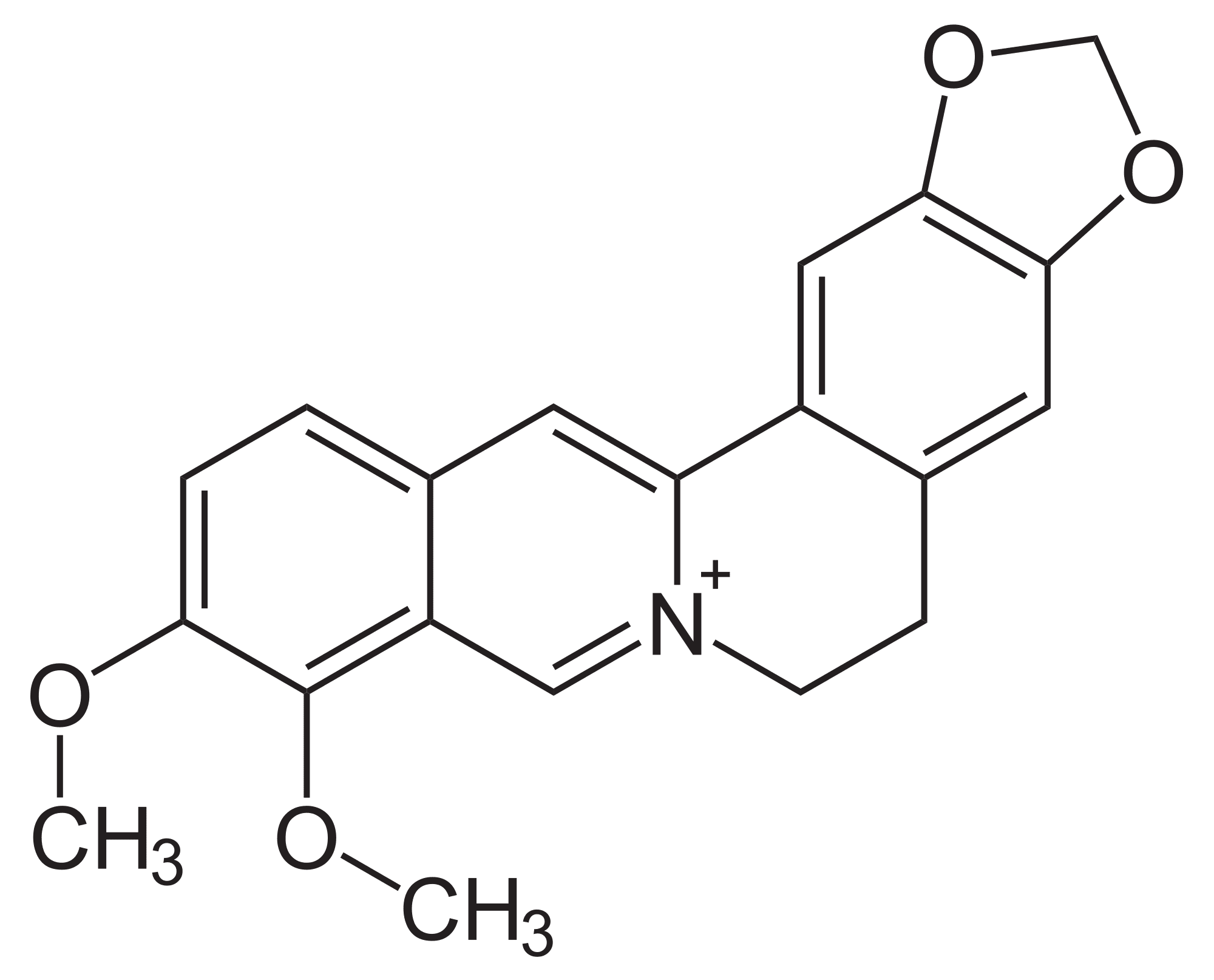
Berberine is an alkaloid compound that is found in several plants like goldenseal, barberry, and tree turmeric. When berberine is crushed, it has a yellow color hue that is similar to curcumin and has been part of Chinese and Ayurvedic traditional medicine that has been used for thousands of years. Surprisingly berberine has worked in multiple ways and has been able to make some changes within the body�s cells and metabolic system. There has been research showing that berberine can transport in the bloodstream once it has been ingested and can activate the AMPK (AMP-activated protein kinase) enzyme. Once this happens, the enzyme is referred to as a “metabolic master switch” and can help regulate the significant organs and regulating the body’s metabolism.
The Health Benefits from Berberine
Research shows that berberine can provide many health benefits to the body, especially those who have been affected with type 2 diabetes and have metabolic syndrome. Here are some of the health benefits that berberine has to offer.
Bacterial Infections
Studies have found that berberine is an active antimicrobial agent. Studies have shown that berberine can enhance the inhibitory efficacy of antibiotics against the bacteria Staphylococcus aureus. This type of bacteria can cause many health problems in the body, like sepsis, pneumonia, and meningitis. There is even another study that shows that when a person consumes a high concentration of berberine could kill the Staphylococcus aureus bacteria more quickly. The berberine effects can dissociate the bacteria protein into individual chains and separate them into their molecular weight.
Regulates Blood Glucose
Type 2 diabetes is a common disease that can make a person’s blood sugar to either rise or fall, causing them to DKA (diabetic ketoacidosis). With berberine, it can help regulate blood glucose in the body. Studies have shown that type 2 diabetes has become a worldwide health threat for people, and finding treatment for this disease is limited due to the availability of effective medications that can help control the blood glucose levels. With berberine, it can help reduce insulin resistance and surprisingly, regulate the blood glucose to healthy levels like metformin. The research even shows that berberine can also help regulate the body�s lipid metabolism as well.
More results showed that berberine could do the following:
Lower the insulin resistance to make the blood sugar to lower the hormone insulin more effectively.
It helps increase the glycolysis so the body can break down the sugars.
Decease the sugar produced in the liver.
It helps break down the carbohydrates in the gut microbiome.
It helps increase the beneficial bacteria in the gut to prevent inflammation.
Help Losing Weight
Studies have shown that berberine is an effective weight loss supplement for anyone who may be obese. There was a twelve-week study that showed that the participates took about 500 mg of berberine, and they lost about five pounds of body fat. While another study stated that about 37 participants that have metabolic syndrome took about 300 mg of berberine, and the results showed that the participants have dropped their BMI (body mass index) levels go from obese to overweight in three months. The participants even improved many of their health markers and lose their belly fat.
Many researchers believed that when people take berberine and see that they are losing their excess weight, it can help improve their fat-regulating hormones like insulin, adiponectin, and leptin in their body. There is still more research being done about berberine and how its beneficial weight loss effects can help anyone with metabolic syndrome and might be overly obese.
Conclusion
Berberine is a compound that is found in plants like tree turmeric, goldenseal, and barberry. It has a yellow color cue and has many beneficial properties. Berberine can help anyone who has type 2 diabetes and metabolic syndrome. For the beneficial properties, berberine can help regulate the body�s glucose hormones and has the same effects as the pharmaceutical drug, metformin. When people consume berberine, their metabolic system will begin to function correctly and begun to live a healthier life. Some products can help the metabolic system and the immune system by supporting sugar metabolism as well as reducing the glutathione for providing more excellent stability, bioavailability, and digestive comfort in the body.
The scope of our information is limited to chiropractic, musculoskeletal, and nervous health issues or functional medicine articles, topics, and discussions. We use functional health protocols to treat injuries or disorders of the musculoskeletal system. Our office has made a reasonable attempt to provide supportive citations and has identified the relevant research study or studies supporting our posts. We also make copies of supporting research studies available to the board and or the public upon request. To further discuss the subject matter above, please feel free to ask Dr. Alex Jimenez or contact us at 915-850-0900.
References:
Berry, Jennifer. �Everything You Need to Know about Berberine.� MedicalNewsToday, 19 July 2019, www.medicalnewstoday.com/articles/325798.php.
Chu, Ming, et al. �Role of Berberine in the Treatment of Methicillin-Resistant Staphylococcus Aureus Infections.� Scientific Reports, Nature Publishing Group, 22 Apr. 2016, www.ncbi.nlm.nih.gov/pmc/articles/PMC4840435/.
Gunnars, Kris. �Berberine � A Powerful Supplement With Many Benefits.� Healthline, 14 Jan. 2017, www.healthline.com/nutrition/berberine-powerful-supplement.
Hu, Yueshan, et al. �Lipid-Lowering Effect of Berberine in Human Subjects and Rats.� Phytomedicine, Urban & Fischer, 25 June 2012, www.sciencedirect.com/science/article/abs/pii/S0944711312001870.
Li, Zheng, et al. �Antioxidant and Anti-Inflammatory Activities of Berberine in the Treatment of Diabetes Mellitus.� Evidence-Based Complementary and Alternative Medicine, Hindawi, 11 Feb. 2014, www.hindawi.com/journals/ecam/2014/289264/.
Peng, Lianci, et al. �Antibacterial Activity and Mechanism of Berberine against Streptococcus Agalactiae.� International Journal of Clinical and Experimental Pathology, e-Century Publishing Corporation, 1 May 2015, www.ncbi.nlm.nih.gov/pmc/articles/PMC4503092/.
Team, DFH. �Berberine: Boon for Metabolic Syndrome.� Designs for Health, 5 Jan. 2018, blog.designsforhealth.com/berberine-boon-for-metabolic-syndrome.
Yang, Jing, et al. �Berberine Improves Insulin Sensitivity by Inhibiting Fat Store and Adjusting Adipokines Profile in Human Preadipocytes and Metabolic Syndrome Patients.� Evidence-Based Complementary and Alternative Medicine: ECAM, Hindawi Publishing Corporation, 2012, www.ncbi.nlm.nih.gov/pmc/articles/PMC3310165/.
Yin, Jun, et al. �Efficacy of Berberine in Patients with Type 2 Diabetes Mellitus.� Metabolism: Clinical and Experimental, U.S. National Library of Medicine, May 2008, www.ncbi.nlm.nih.gov/pmc/articles/PMC2410097/.
The University offers a wide variety of medical professions for functional and integrative medicine. Their goal is to inform individuals who want to make a difference in the functional medical fields with knowledgeable information that they can provide.
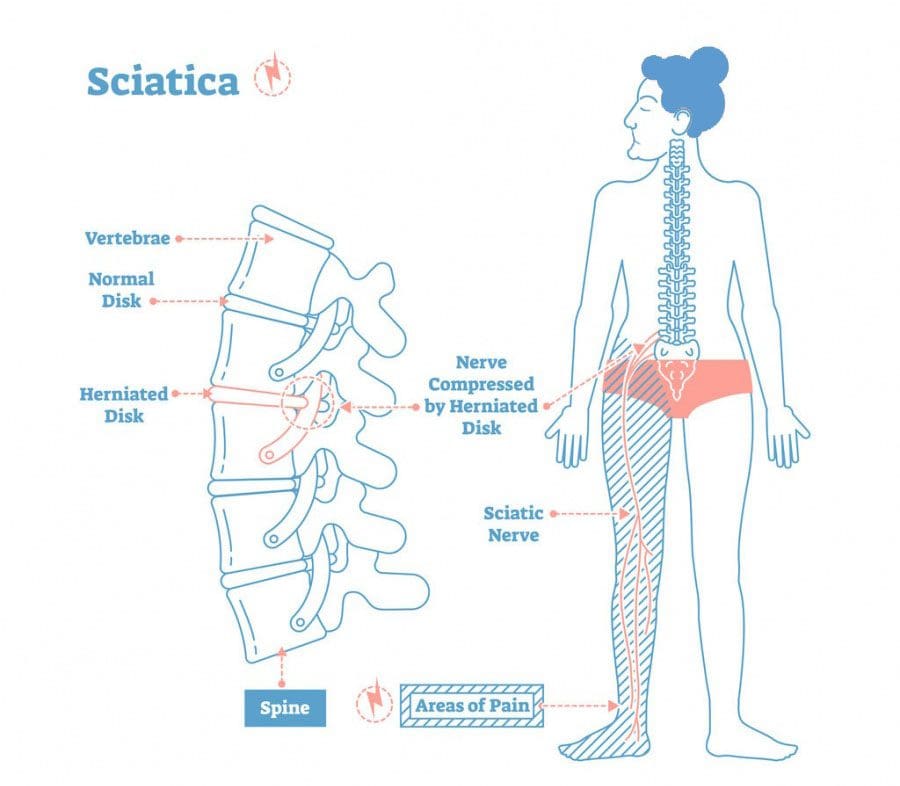
The sciatic nerve can be compressed, pinched, twisted, moved out of position by a variety of things, including injury/s and spinal conditions, diseases, and the most common a herniated disc. This could be time to try the chiropractic solution that can treat sciatica symptoms and bring relief quickly. If you are experiencing a shooting, electrical, tingling, numb pain down one of your legs could be a presenting of sciatica symptoms.
Sciatica
Sciatica is really a symptom itself caused by lumbar radiculopathy. Lumbar radiculopathy is a medical term referring to a low back condition/injury/disorder that is affecting the nerves in this area. The sciatic nerve travels from the lower back down both of the legs and into the feet. Added pressure placed on the nerve from a herniated disc can lead to common symptoms.
Shooting pain that goes down from the low back, through the leg, calf and sometimes into the foot
A feeling of electricity down one leg
Burning pain
Pain from moving
Numbness
Weakness
Causes
Causes of sciatica include:
Vertebrae Out of Alignment
Misaligned vertebrae, referred to as subluxations can put pressure on nerves in the spine � including the sciatic nerve.
Disc Herniation
The discs that cushion the vertebrae are made up of a tough outer layer and a softer inner layer. When the outer layer is damaged and the inner layer comes out into the spine, it is referred to as disc herniation.
A herniated disc means that the inner layer of the disc is putting pressure on nerves in the spine. A herniated disc impacts the sciatic nerve and can lead to sciatica.
Car Accidents
A car accident can easily damage the spine and soft tissues. An accident can cause a misalignment of the spine, a herniated disc, or other injuries that cause symptoms of sciatica.
Sports Injury/s
Even the fittest athletes are susceptible to back injuries, which in turn can cause sciatica. The spine and discs can be damaged due to a large impact, repetitive motion injuries, or even twisting the wrong way.
Work Injuries
Many sufferers of sciatica do not realize that their workplace activities � including repetitive motions and sitting or standing in one position for long periods of time � can lead to sciatica.
How Chiropractic Solution Helps
Prevention found that sixty percent of individuals with sciatica failed to find relief from other treatments found their symptoms improved after chiropractic treatment.
The chiropractic solution works because it gets to the source of the problem and relieves pressure on the sciatic nerve. Chiropractic treatments include:
Realignment
Spinal misalignments are often the cause of sciatica can be corrected through careful chiropractic adjustments. The chiropractor analyzes the misalignment, then applies pressure to the area to correct the misalignment. The pressure is removed from the sciatic nerve, and this is done on and off to get the correct position and massaging the inflamed tissues until symptoms improve.
Spine Decompression
For those whose sciatica is caused by a herniated disc, spinal decompression can bring real relief. Using a specially designed table, the chiropractor can gently stretch the spine � creating space for the disc to heal and pull back from the sciatic nerve.
Find Relief
Please contact our chiropractic team today to schedule an appointment if you are experiencing symptoms of sciatica. We are ready to help you feel better and get back on your feet again. We focus on improving your ability through flexibility, mobility and agility programs tailored for all age groups and disabilities.�We do this so that we may reach as many El Pasoans who need us, no matter the affordability issues.
Severe *Sciatica”* Pain Relief | El Paso, Tx (2020)
NCBI Resources
Patients with sciatica feel better with time, usually a few weeks. If pain continues, other treatment modalities can be discussed.�Muscle spasms can accompany sciatica symptoms and can be treated with heat or ice therapy. A doctor may advise�light exercise like short walks�and once recovery is established they may give you exercises to strengthen your back and core.
As you teach healthy ergonomics, remember these neutral posture guidelines apply to children but can also benefit adults.�The main focus is to always work in a neutral posture. Following these guidelines will ensure your child uses a computer in a comfortable and ergonomically correct fashion.
Neutral Posture
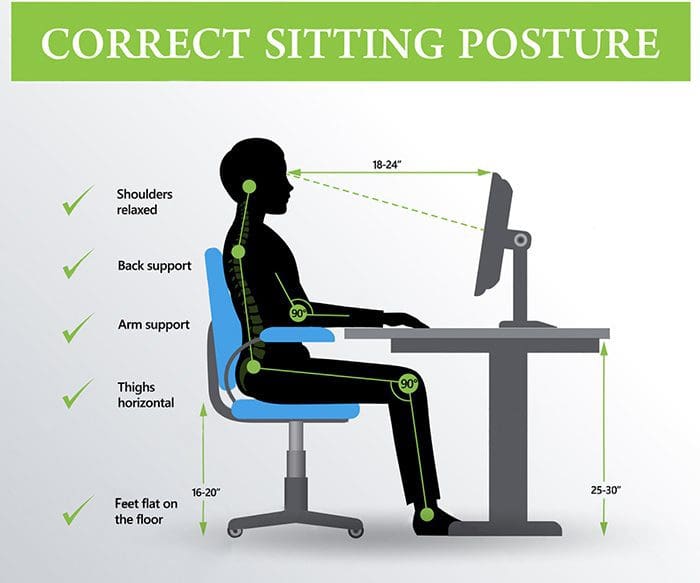
Healthy upper body posture means the shoulders are back, relaxed and not slumped/slumping forward over the keyboard.
The back/spine should be at a 90� degree angle supported by a chair with proper back support.
The knees�should not compress the chair seat. If they do adjust the seat to go back enough for the knees to be free.
The knees should be at a 90� degree angle behind the knees and should be open.
Don’t sit with legs and feet tucked under the chair.
The feet should be firmly flat on a stable surface ensuring proper support on the floor or a footrest.
The head should stay balanced and not tilted back or too far forward.
The upper arms should be close to the body and relaxed.
The elbows should be at a 90� degree angle and the forearm horizontal.
The wrist should remain in a neutral position.
Let your child use the computer for a little while then adjust their posture and the workstation if needed, so they are working in the most neutral posture. Find ways to help them remind themselves of their posture and to take frequent breaks to stretch out and move around.
Create/Organize a Normal Workstation
The work area should be a space that is easily accessible by a child while they can sit comfortably/properly without having to bend awkwardly or overly twist to reach for something.
Keep the items that are used the most�while working at the computer within arms reach.
If your child needs to type and use a text document or book for reference, make sure there is a document holder/stand that is next or as near to the screen as possible so that they don’t have to turn or twist their head over and over or in a strenuous fashion. You want them to use their eyes with minimal head movement other than to look away for an eye break, a quick neck stretch and repositioning to stay comfortable.
Check the Screen Position
The computer screen should be positioned to be able to comfortably view the screen without having to tilt their neck backward or forwards.
Too high, the child’s neck will tilt back, and too low means it will be bent forward.
Adjust the height and angle to avoid these incorrect postures.
Workstation Equipment
Ergonomic furniture and equipment can help create a comfortable and adjustable workstation for your child as they grow.
An ergonomic chair with height adjustment, adjustable/comfortable seat and proper lumbar back support.
Make sure they work on a stable and sturdy desk with a flat work surface so that your child works in a neutral posture.
An ergonomically tilted keyboard system or a height-adjustable keyboard and mouse platform can help keep the forearms and wrists in a neutral posture.
The fit of the keyboard and mouse should be comfortable in your child’s hands.
If they have small hands, then consider a smaller keyboard and mouse if necessary.
Screen Glare
Check the computer screen for glare areas/bright spots. This could affect the eyes and cause the child to start moving their head/neck around too much and in the wrong way that would create a crick or strain.
Adjust/reposition the screen to get the correct angle for the proper posture or adjust the room’s lighting.
Proper lighting is a must for reading and protecting the eyes.
Make sure they take frequent eye breaks and look away at something other than a screen like a piece of furniture or out a window and that is farther away to readjust the eyes.
Computer Time Management
Posture problems associated with computer use vary on the length of time that your child uses the computer, takes rest breaks and does other tasks/chores to keep them moving/stretching out and not staying seated or in one position for too long.
Regulating computer time use is important and can be done just watching the clock and saying when is when or use an app to set the time on and off. These apps give screen alerts and tell when to take a break and provide simple stretching exercises.
As part of our Acute Injury Treatment & Rehabilitation Practice, we are presently offering detailed�Institute For Functional Medicine��Collaborative Assessment Programs focused on Integrative Treatment Protocols. We completely evaluate personal history, current nutrition, activity behaviors, environmental exposures to toxic elements, psychological and emotional factors, in tandem with your genetics.
Our purpose with these high-level assessments is to understand the root cause of chronic disorders and to treat the person holistically.� Integrative Personalized Medicine is the future of healthcare and we are very proud to bring it to all our patients.� Our online�Functional Medicine Health Assessment Questionnaire has given insights into our patients’ present Functional Health.
Correct your Bad Posture with *FOOT ORTHOTICS* | El Paso, Tx
NCBI Resources
Because we spend so much time�in a chair we need to have the right one that will protect our spines.�Think of the�chair as a piece of�work�equipment to optimize productivity.�Ergonomics utilized to the fullest means less back pain and better focus.
Approximately 5 million people in the United States have been diagnosed with Alzheimer’s disease (AD), one of the most common types of dementia, worldwide. A variety of factors can increase the risk of developing other types of dementia and AD, including poor diet and lifestyle habits. Research studies have also shown that treating the body as a whole may help prevent and, in several cases, even reverse cognitive decline. The goal is to start treatment immediately. In the following article, we will ultimately discuss how a functional medicine approach can help improve AD and other types of dementia.
Dementia and Alzheimer�s Disease Overview
Our brain is a complex organ made-up of about 100 billion neurons that are constantly communicating with each other. Also known as brain cells or nerve cells, neurons play a fundamental role in our cognitive function, including memory, thinking, and learning. Neurons are constantly repairing themselves, especially during sleep, but when brain cells or nerve cells can’t repair themselves, due to a variety of factors, it can ultimately affect cognition. Alzheimer’s disease is associated with a build-up of compounds, such as active microglial cells, tau proteins, and beta-amyloid plaques, among several others.
Because the body can’t break down these compounds, they can start to block the synapses where brain cells or nerve cells communicate with each other. This is believed to be one of the most common causes of AD and other types of dementia. Dr. Dale Bredesen, a renowned expert and neurologist, developed a breakthrough, alternative treatment option for dementia and AD that focuses on reducing glial cells, protein, and plaque build-up in the brain. According to Dr. Bredesen’s research studies, a build-up of these compounds can occur due to toxins, infections, inflammatory biomarkers, and genetics.
Bredesen RECODE Protocol� for Dementia and AD
A variety of factors can increase the risk of developing other types of dementia and Alzheimer’s disease because these can affect the neuron’s ability to repair themselves, ultimately causing brain cell or nerve cell death. As previously mentioned above, they may also cause an excessive build-up of compounds, including microglial cells, tau protein, and beta-amyloid plaque in the brain. Cognitive decline plays a critical role in changing the way the brain creates synapses and preserves memory. Fortunately, a functional medicine approach can help improve Alzheimer’s disease and other types of dementia.
Dr. Bredesen’s RECODE Protocol� is an alternative treatment option that can help prevent and, in several cases, even reverse cognitive decline in people with other types of dementia and Alzheimer’s disease. According to the research studies, Dr. Bredesen’s RECODE Protocol� returned many participants to pre-diagnosis levels of cognition. In other participants, the volume of the hippocampus, the main region of the brain which shrinks in AD and dementia, returned to normal on MRI. By following diet and lifestyle modifications with the RECODE Protocol�, the research study participants recovered their quality of life.
Dr. Bredesen�s RECODE Protocol � is an organized, multifactorial approach which shows that prevention and reversal of cognitive decline are possible by:
Addressing several underlying sources simultaneously
Optimizing essential lifestyle factors like diet, exercise, and sleep
Designing treatment based on each patient’s personal needs
Dr. Bredesen�s RECODE Protocol � follows a functional medicine treatment approach for AD and other types of dementia. Healthcare practitioners trained through the Institute for Functional Medicine (IFM) are seeing positive results in people with dementia and Alzheimer�s disease. IFM healthcare practitioners use functional medicine treatment approaches to identify and address the underlying source of a variety of health issues. IFM healthcare practitioners may be properly suited to apply, and even expand, Dr. Bredesen�s RECODE Protocol � for AD and other types of dementia, among other health issues.
Furthermore, several diet and lifestyle modifications may ultimately help prevent and, in several cases, even reverse dementia and AD, including:
Eating a whole-food low glycemic diet, made-up of predominately plant-based foods with 10-15 servings of non-starchy vegetables per day. Moreover, eat lean proteins, such as legumes and cold-water, low-mercury fish. Eat healthy fats, such as nuts, seeds, and olive oil.
Getting plenty of sleep. When you sleep at night, your body can also heal damaged cells and ultimately boost your immune system.
Getting plenty of exercise and physical activity boosts your metabolism, improves mood, promotes better sleep and much more.
Limiting exposure to toxins. Toxins, such as heavy metals, chemicals, mycotoxins, and even some medications, can cause cognitive decline.
Avoiding stress. Chronic stress can cause hormonal and neurotransmitter changes in the body, causing brain degeneration and atrophy.
Avoiding alcohol. Alcohol is a toxin that affects the liver�s ability to metabolize toxins and it is also commonly associated with brain atrophy.
Approximately 5 million people in the United States have been diagnosed with Alzheimer’s disease (AD), one of the most common types of dementia, worldwide. A variety of factors can increase the risk of developing other types of dementia and AD, including poor diet and lifestyle habits. Research studies have also shown that treating the body as a whole may help prevent and, in several cases, even reverse cognitive decline. The goal is to start treatment immediately. In the following article, we will ultimately discuss how a functional medicine approach can help improve AD and other types of dementia. – Dr. Alex Jimenez D.C., C.C.S.T. Insight
Approximately 5 million people in the United States have been diagnosed with Alzheimer’s disease (AD) or one of the most common types of dementia. According to researchers, a variety of factors can ultimately increase the risk of developing AD and other types of dementia, including poor diet and lifestyle habits. Research studies demonstrated that treating the body as a whole may prevent and, in several cases, even reverse cognitive decline. The goal is to start treatment early. In the article above, we discussed how a functional medicine approach can help with dementia and Alzheimer’s disease (AD).
The scope of our information is limited to chiropractic, musculoskeletal, and nervous health issues or functional medicine articles, topics, and discussions. We use functional health protocols to treat injuries or disorders of the musculoskeletal system. Our office has made a reasonable attempt to provide supportive citations and has identified the relevant research study or studies supporting our posts. We also make copies of supporting research studies available to the board and or the public upon request. To further discuss the subject matter above, please feel free to ask Dr. Alex Jimenez or contact us at 915-850-0900.�
Curated by Dr. Alex Jimenez
References:
Parke, Emily. �The Functional Medicine Approach to Cognitive Decline.� Dr. Emily Parke – Arizona Wellness Medicine, LLC, 6 Dec. 2018, www.dremilyparke.com/2018/12/06/functional-medicine-cognitive-decline/.
Litwin, Ken A., et al. �The Bredesen Protocol� & Functional Medicine � A Powerful Combination to Prevent & Treat Cognitive Decline.� Kara Fitzgerald ND Naturopathic Doctor, 29 Mar. 2019, www.drkarafitzgerald.com/2018/06/20/the-bredesen-protocol-functional-medicine-a-powerful-combination-to-prevent-treat-cognitive-decline/.
Carpathia Collaborative Staff. �Preventing and Reversing Cognitive Decline.� Carpathia Collaborative, 29 July 2019, carpathiacollaborative.com/blogposts/cognitivedecline.
Additional Topic Discussion: Chronic Pain
Sudden pain is a natural response of the nervous system which helps to demonstrate possible injury. By way of instance, pain signals travel from an injured region through the nerves and spinal cord to the brain. Pain is generally less severe as the injury heals, however, chronic pain is different than the average type of pain. With chronic pain, the human body will continue sending pain signals to the brain, regardless if the injury has healed. Chronic pain can last for several weeks to even several years. Chronic pain can tremendously affect a patient’s mobility and it can reduce flexibility, strength, and endurance.
Neural Zoomer Plus for Neurological Disease
Dr. Alex Jimenez utilizes a series of tests to help evaluate neurological diseases. The Neural ZoomerTM Plus is an array of neurological autoantibodies which offers specific antibody-to-antigen recognition. The Vibrant Neural ZoomerTM Plus is designed to assess an individual�s reactivity to 48 neurological antigens with connections to a variety of neurologically related diseases. The Vibrant Neural ZoomerTM Plus aims to reduce neurological conditions by empowering patients and physicians with a vital resource for early risk detection and an enhanced focus on personalized primary prevention.
Food Sensitivity for the IgG & IgA Immune Response
Dr. Alex Jimenez utilizes a series of tests to help evaluate health issues associated with a variety of food sensitivities and intolerances. The Food Sensitivity ZoomerTM is an array of 180 commonly consumed food antigens that offers very specific antibody-to-antigen recognition. This panel measures an individual�s IgG and IgA sensitivity to food antigens. Being able to test IgA antibodies provides additional information to foods that may be causing mucosal damage. Additionally, this test is ideal for patients who might be suffering from delayed reactions to certain foods. Utilizing an antibody-based food sensitivity test can help prioritize the necessary foods to eliminate and create a customized diet plan around the patient�s specific needs.
Gut Zoomer for Small Intestinal Bacterial Overgrowth (SIBO)
Dr. Alex Jimenez utilizes a series of tests to help evaluate gut health associated with small intestinal bacterial overgrowth (SIBO). The Vibrant Gut ZoomerTM offers a report that includes dietary recommendations and other natural supplementation like prebiotics, probiotics, and polyphenols. The gut microbiome is mainly found in the large intestine and it has more than 1000 species of bacteria that play a fundamental role in the human body, from shaping the immune system and affecting the metabolism of nutrients to strengthening the intestinal mucosal barrier (gut-barrier). It is essential to understand how the number of bacteria that symbiotically live in the human gastrointestinal (GI) tract influences gut health because imbalances in the gut microbiome may ultimately lead to gastrointestinal (GI) tract symptoms, skin conditions, autoimmune disorders, immune system imbalances, and multiple inflammatory disorders.
Formulas for Methylation Support
XYMOGEN�s Exclusive Professional Formulas are available through select licensed health care professionals. The internet sale and discounting of XYMOGEN formulas are strictly prohibited.
Proudly,�Dr. Alexander Jimenez makes XYMOGEN formulas available only to patients under our care.
Please call our office in order for us to assign a doctor consultation for immediate access.
If you are a patient of Injury Medical & Chiropractic�Clinic, you may inquire about XYMOGEN by calling 915-850-0900.
For your convenience and review of the XYMOGEN products please review the following link. *XYMOGEN-Catalog-Download
* All of the above XYMOGEN policies remain strictly in force.
Modern Integrated Medicine
The National University of Health Sciences is an institution that offers a variety of rewarding professions to attendees. Students can practice their passion for helping other people achieve overall health and wellness through the institution’s mission. The National University of Health Sciences prepares students to become leaders in the forefront of modern integrated medicine, including chiropractic care. Students have an opportunity to gain unparalleled experience at the National University of Health Sciences to help restore the natural integrity of the patient and define the future of modern integrated medicine.
Q: I’m experiencing back pain more so now.�My question is, is this back pain from my baby is it normal or is it something else? I’m a 30-year-old woman in the second trimester with our first child. I would have back pain before I was pregnant but nothing serious, just normal work and a little soreness at the end of the day. There was never back soreness or pain that I thought warranted a visit to the doctor. My doctor says that it is normal from the weight of the baby and there is nothing amiss, but to discuss this with a chiropractor, as there could be some treatment/therapies/exercises to help.
El Paso, TX.
A: Having low back pain before you were pregnant concerns me, as what you are saying sounds like a possible herniated disc bulging or slipped disc. However, I cannot give you an official diagnosis unless I see you as a patient and can’t say if it is something else.
But low back pain can be caused by a combination of things. This includes your pregnancy along with:
Herniated disc
Disc degeneration
Age
Muscle spasm/s
Daily wear and tear
Injuries
Unknown injuries
Added Weight
These are just a few of the things that could be causing your low back pain. Add pregnancy to this list and low back pain can become unbearable. Your pain can be made worse by a variety of factors.
For example, let’s say you were lifting a few pieces of light furniture before you became pregnant, and that slight soreness you felt and thought was nothing could actually be a strain, muscle spasm, or over-stretch that did not cause an injury but is the beginning of an injury waiting to happen.
During pregnancy, a growing belly can put place more pressure on the:
Intervertebral discs
Joints
Muscles
Ligaments
Hormones that are released during pregnancy can also exacerbate your back pain. The hormone relaxin causes the pelvis and the ligaments of the lower back to gain flexibility. This is in preparation for the delivery and can cause low back pain because of the added flexibility you are more prone to injury, which is why doctors say to take it easy. It could all be a combination of these factors but I would have to examine you, go over your medical history to get a proper diagnosis to create a personalized treatment plan during pregnancy and after if the need is there.
Treatment During Pregnancy
There are several treatment options for back pain. During pregnancy is not the time to experiment with medications or back pain treatments that could cause a negative response or something else to your health. The goal�during pregnancy is safety.
Here are four safe therapies for managing back pain while pregnant:
Gentle exercise/s like walking and yoga helps alleviate back pain and can also generate an overall feeling of wellness.
Physical therapy can decrease your back pain by strengthening the muscles. A physical therapist that has experience working with pregnant women is the best option.
Prenatal massage relaxes tense back muscles and reduces stress. Look for a massage therapist that specializes in prenatal massage.
Prenatal yoga classes are great for decompressing/destressing during pregnancy.
Discuss all of this with your doctor and all treatment options. It’s not a good idea to start a new exercise program when you’re pregnant. If there was a regular exercise routine before you were pregnant, you can continue, but you may have to make some adjustments as your body prepares for the delivery. Once the baby is born, you and your doctor can re-evaluate your treatment plan. But regardless of your treatment plan, you should still continue to maintain a proper healthy weight by eating right and exercising regularly to prevent back pain from worsening.
Low Back Pain Treatment While Pregnant
NCBI Resources
Chiropractic a preferred treatment for pregnancy low back pain. The chiropractor may perform a spinal subluxation to bring the spine back into alignment and the body back into proper balance. Regular chiropractic care and following the doctor�s instructions can help greatly decrease back pain so that she can better enjoy the excitement and joy of her pregnancy.
IFM's Find A Practitioner tool is the largest referral network in Functional Medicine, created to help patients locate Functional Medicine practitioners anywhere in the world. IFM Certified Practitioners are listed first in the search results, given their extensive education in Functional Medicine