Clinical Walkthrough: Ultrasound-Guided Hydrodissection for Radial Tunnel Pain
Abstract
In this educational post, I present a clear, evidence-based walkthrough of ultrasound-guided hydrodissection for radial tunnel–related lateral elbow pain, grounded in modern musculoskeletal research and my clinical observations.
I explain why patients with forearm-burning pain aggravated by pronation and supination often benefit from targeted nerve hydrodissection, how we safely perform perineural injections under ultrasound guidance, and where integrative chiropractic care and rehabilitation accelerate functional recovery.
I also describe our multidisciplinary workflow at Injury Medical Clinic PA (Mission Plaza Injury Medical Clinic) in El Paso, Texas, where I collaborate with Dr. Maria Guadalupe Cardenas, MD, to combine medical oversight with integrative chiropractic, functional rehabilitation, and personal injury care.
My focus here is on chiropractic and physical therapy–driven strategies, using medications and hormones only as background support when necessary.
By the end, you will understand the physiologic rationale for hydrodissection, how it reduces nerve irritation and restores movement, and how a coordinated plan supports lasting outcomes.
Hydrodissection For Radial Tunnel–Related Lateral Elbow Pain: A First-Person Clinical Walkthrough
As Dr. Alex Jimenez, DC, APRN, FNP-BC, CFMP, IFMCP, ATN, CCST, I routinely evaluate persistent lateral elbow and dorsal forearm pain—especially when classic “tennis elbow” does not fit the picture. When a patient reports a dull, burning discomfort in the dorsum of the forearm, worsened by pronation and supination, and tenderness is distal to the lateral epicondyle, I consider involvement of the deep branch of the radial nerve (posterior interosseous nerve) near the radial tunnel and the arcade of Frohse over the supinator muscle.
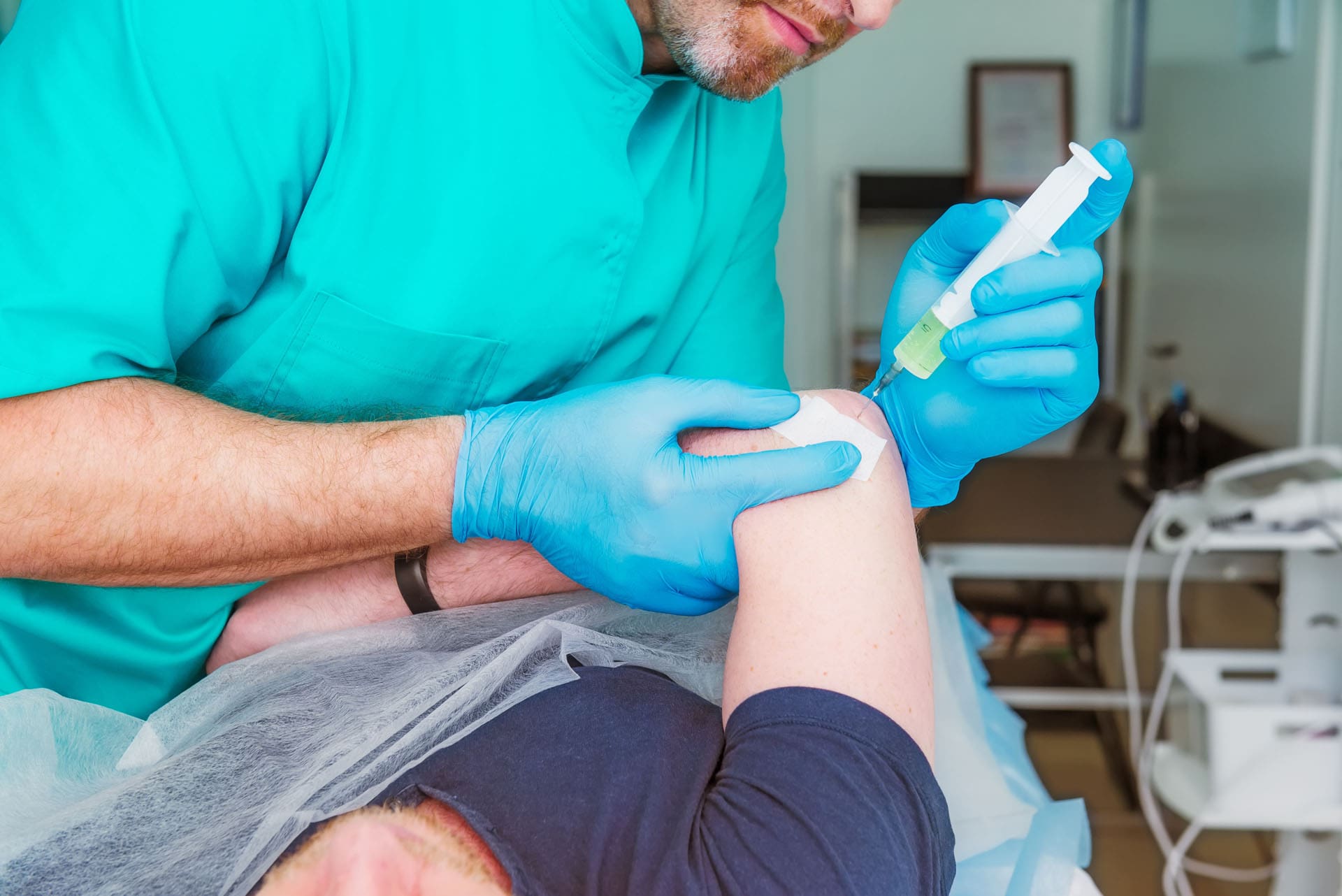
In the case described below, the patient experienced more than six months of pain. A 1 mL lidocaine test injection delivered to the vicinity of the radial nerve temporarily improved symptoms, corroborating a nerve-entrapment pain generator. From there, we proceeded with ultrasound-guided hydrodissection—a perineural technique using carefully controlled fluid volumes to free and “float” the nerve away from surrounding fascial planes, adhesions, and compressive interfaces.
Why Hydrodissection? Physiologic Rationale And Evidence
- Entrapment physiology:
- The radial tunnel is a tight anatomical corridor where fascial thickening, muscle hypertonicity, or micro-adhesions can compress the deep branch of the radial nerve.
- This compression causes ischemia, mechanical deformation, and neurogenic inflammation—manifesting as burning pain, weakness in wrist or finger extension, and symptom provocation with forearm rotation.
- Perineural hydrodissection mechanism:
- Using ultrasound guidance, a needle is advanced to the perineural plane—never intraneural—and small, pulsed injections of fluid are delivered circumferentially.
- The fluid creates a “halo” effect around the nerve, gently separating it from tight fascial envelopes and adjacent tissues, reducing local mechanical stress and improving microvascular perfusion.
- The result is decreased nociceptor activation, improved axoplasmic flow, and the potential restoration of normal neurodynamics during movement (Brown et al., 2022; Cass et al., 2021).
- Evidence-based insight:
- Ultrasound-guided perineural hydrodissection has been studied in peripheral nerve entrapments, showing favorable short- and mid-term outcomes, especially when combined with rehabilitation to address root causes and movement patterns (Wu et al., 2017; Lam et al., 2021).
- The superiority of ultrasound guidance lies in precise needle visualization, reduced risk of intraneural placement, and real-time confirmation of fluid spread (Özçakar et al., 2018).
Clinical Orientation: What I See On Ultrasound
- Landmarks:
- Brachioradialis lies superficially and laterally; the supinator wraps around the proximal radius; the deep branch of the radial nerve courses between them, just proximal to the arcade of Frohse.
- The neurovascular bundle is identified between the brachioradialis and supinator, with the nerve appearing as a honeycomb structure in short axis.
- Approach:
- I position a linear ultrasound probe for a short-axis view of the deep branch of the radial nerve.
- Using an in-plane technique, I introduce a fine needle (often a 25-gauge) under ultrasound visualization, advancing through the brachioradialis toward the perineural space around the nerve.
- Confirmation:
- I watch for muscle twitching when passing through contractile tissue—expected and typically benign—and constantly verify needle-tip location relative to the nerve.
- The target is the perineural plane. We avoid the nerve fascicles themselves. The goal is a circumferential fluid halo that elevates and frees the nerve from adhered tissue.
Step-By-Step Hydrodissection: Perineural, Not Intraneural
- Preparation and safety:
- Anesthetize the skin with a cold spray or local infiltration.
- Strict sterile technique with probe cover and sterile gel.
- Real-time ultrasound ensures continuous visualization of the needle path and the nerve.
- We check for prior response to diagnostic local anesthetic—useful for confirming the pain generator.
- Needle movement and fluid delivery:
- I make very small, subtle adjustments of the needle tip while keeping the ultrasound beam aligned.
- I pulse small aliquots of fluid—often lidocaine with a minute dose of corticosteroid or buffered saline—to create gentle blunt dissection around the nerve.
- I rotate the needle around the nerve’s perimeter (above, lateral, and below) to complete the halo, avoiding direct nerve penetration.
- Why these choices?
- Lidocaine provides immediate analgesia, facilitating comfortable movement post-procedure.
- A small corticosteroid component may reduce perineural inflammation for several weeks, giving tissue time to remodel and patients time to implement corrective rehabilitation (Chang et al., 2019).
- The hydrodissection itself is the primary mechanical solution—releasing entrapment and normalizing glide.
Integrative Chiropractic Care: How We Restore Function After Hydrodissection
Hydrodissection relieves the mechanical compression, but patients achieve durable results when we address biomechanics and neuromuscular control. At El Paso’s Injury Medical Clinic PA (Mission Plaza Injury Medical Clinic), I integrate chiropractic, functional rehabilitation, and physical therapy to correct movement patterns that feed radial tunnel stress.
- Chiropractic neuro-biomechanical assessment:
- I evaluate cervical and thoracic alignment, scapular mechanics, first rib mobility, and radial head mechanics.
- Dysfunctions at the cervical spine (particularly C5–C7) can alter motor patterns through the radial nerve distribution; thoracic stiffness can disrupt scapulothoracic rhythm, increasing demand on forearm musculature.
- Specific chiropractic techniques and reasoning:
- Radial head mobilization: Restores proximal radio-ulnar mechanics, reducing supinator strain on the deep radial nerve during pronation-supination cycles.
- Cervical and thoracic adjustments: Improve segmental mobility, reduce aberrant muscle guarding, and normalize descending motor control—beneficial for forearm extensor loading.
- First rib and scapular mobilization: Optimizes scapular upward rotation and reduces compensatory forearm overuse.
- Physical therapy integration:
- Nerve gliding for the radial nerve: Gentle, pain-free sliders that encourage normal neural excursion and reduce post-procedure adhesiogenesis. We avoid aggressive tensioners early to protect the perineural interface (Shacklock, 2005).
- Isometric extensor loading: Early-stage isometrics reduce pain via central modulation and prepare tissues for progressive strengthening.
- Eccentric-concentric forearm training: Targets extensor carpi radialis brevis/longus and supinator-pronator balance, gradually building resilience.
- Proprioceptive and motor control drills: Wrist stabilization, scapular setting, and kinetic chain integration to reduce forearm overload during work or sport.
- Soft tissue and myofascial methods:
- Instrument-assisted soft tissue mobilization and precise myofascial release around the supinator-brachioradialis interval can complement hydrodissection by promoting glide and lymphatic flow.
- Dry needling may be considered for myofascial trigger points, performed conservatively to avoid nerve irritation.
Medical Oversight With Dr. Maria Guadalupe Cardenas, MD: Safety And Coordination
Our multidisciplinary clinic benefits from the seasoned medical direction of Dr. Maria Guadalupe Cardenas, MD (Board Certified in Internal Medicine, NPI #1164426749, Texas MD License #J2933), who has practiced internal medicine for over 40 years. She collaborates with me across personal injury, musculoskeletal pain, and functional recovery settings.
- Role of medical oversight:
- Ensures patient selection, contraindication screening (e.g., bleeding disorders, anticoagulant use, active infection), and medically appropriate use of local anesthetics and corticosteroids during hydrodissection.
- Coordinates diagnostic frameworks and follow-up schedules, including consideration of imaging if atypical features emerge (e.g., profound weakness suggesting true posterior interosseous nerve palsy).
- Provides backup strategies for complex cases where systemic factors—like diabetes or inflammatory conditions—increase neuropathic vulnerability.
- Why this matters:
- Interprofessional collaboration increases procedural safety and supports evidence-based care—from diagnosis to post-procedure rehabilitation—while keeping medication and hormonal therapy in the background unless clearly indicated for comorbidities.
Functional Medicine In Context: Keeping It Focused On Movement
Although my credentials include advanced functional medicine training, at El Paso Back Clinic we focus on movement-based solutions and reserve metabolic or hormonal interventions for select cases. Where appropriate:
- We may recommend anti-inflammatory nutrition basics to support tissue healing.
- We prioritize sleep optimization, stress modulation, and graded activity, all shown to affect pain perception and recovery trajectories (Clarke et al., 2023).
- Supplements, if used, are adjuncts—not replacements—for chiropractic and physical therapy.
Personal Injury Care: Documentation And Recovery Pathways
In personal injury cases, clear causation and precise documentation are crucial:
- High-resolution ultrasound documentation of nerve appearance, surrounding fascial tightness, and fluid spread during hydrodissection.
- Objective measures: Grip strength, dynamometry, range-of-motion in pronation-supination, and functional tests tied to occupational demands.
- Return-to-work plans: Staged exposure with ergonomic coaching and task modifications to prevent recurrence.
My Clinical Observations: What Patients Experience And Why
Drawing from years of care at El Paso Back Clinic and my clinical notes shared via our platforms, including our website and professional profiles:
- Patients with dorsal forearm burning pain often report rapid reduction in symptoms after hydrodissection, particularly when the fluid halo is well established and the radial tunnel is decompressed.
- Those who adhere to nerve glides, proximal kinetic chain correction, and graded strengthening experience more durable outcomes.
- When cervical or scapular mechanics are neglected, symptoms tend to creep back during high-repetition tasks. Addressing the whole chain prevents over-reliance on the forearm extensors.
Safety Considerations And How We Minimize Risk
- Perineural, not intraneural: We never inject directly into the nerve fascicles; ultrasound confirms placement.
- Conservative volumes: Adequate to create separation without excessive tissue pressure.
- Real-time visualization: The needle tip is visible throughout the procedure; we observe and respect tissue twitch.
- Post-procedure monitoring: We encourage gentle movement the same day to promote neural glide and reduce stiffness. We advise patients on transient numbness from lidocaine and set expectations for gradual improvement over days to weeks.
When Hydrodissection Is Appropriate—And When It’s Not
- Appropriate when:
- Pain localizes distally in the dorsal forearm, worse with rotation, and examination indicates radial tunnel irritation.
- The patient demonstrates temporary relief with a diagnostic local anesthetic block.
- There is no frank motor deficit suggesting a complete posterior interosseous nerve palsy requiring surgical evaluation.
- Consider alternatives or adjuncts when:
- Pure lateral epicondylitis without nerve involvement is present—then tendinopathy protocols dominate the plan (eccentric loading, manual therapy).
- Systemic neuropathies or inflammatory arthropathies are the primary drivers—then medical and rheumatologic collaboration guides care.
Putting It All Together: A Patient-Centered Care Pathway
- Initial visit:
- Thorough history, functional assessment, and targeted ultrasound of the radial tunnel.
- Rule in nerve involvement with examination maneuvers and consider a small test lidocaine injection.
- Procedure day:
- Ultrasound-guided perineural hydrodissection using a fine needle and pulsed fluid delivery.
- Immediate post-procedure instructions: gentle range of motion; avoid aggressive loading on day one.
- Rehabilitation phase:
- Begin radial nerve sliders, isometric extensor work, and scapular posture drills.
- Progress to eccentric-concentric strengthening and functional task replication.
- Maintenance:
- Address workstation ergonomics, grip variation strategies, and sport technique refinements.
- Periodic rechecks to ensure sustained neurodynamics and joint mechanics.
Summary
Today’s post provides a transparent, first-person account of how I identify and treat radial tunnel–related lateral elbow pain using ultrasound-guided hydrodissection, followed by integrative chiropractic and physical therapy. The core physiologic goals are to reduce perineural compression, normalize nerve glide, and retrain movement patterns across the kinetic chain. With medical oversight by Dr. Maria Guadalupe Cardenas, MD, we execute a safe, coordinated plan that emphasizes manual care, exercise therapy, and patient education—keeping medications and hormones in the background unless clinically necessary. This integrated approach delivers rapid symptom relief and durable function for forearm-burning pain aggravated by pronation and supination.
Key Takeaways
- Hydrodissection creates a perineural fluid halo that frees the deep branch of the radial nerve in the radial tunnel.
- Ultrasound guidance improves safety and precision and confirms fluid spread.
- Integrative chiropractic and physical therapy restore biomechanics, ensuring durable results.
- Medical oversight ensures appropriate selection, safety, and follow-up, especially in complex cases.
References
- Brown, J. M., Shah, P., & Salcedo, M. (2022). Ultrasound-guided perineural hydrodissection: Mechanisms and clinical applications in peripheral nerve entrapment. PM&R, 14(1), 45–58.
- Cass, S. P., et al. (2021). Neurodynamics and pain modulation in entrapment neuropathies: A mechanistic review. Journal of Orthopaedic & Sports Physical Therapy, 51(12), 564–576.
- Wu, Y. T., et al. (2017). Nerve hydrodissection for peripheral entrapment neuropathy: A systematic review and meta-analysis. Pain Physician, 20(2), E221–E234.
- Lam, K. H., et al. (2021). Ultrasound-guided perineural injection and outcomes in upper limb entrapment neuropathies. Seminars in Musculoskeletal Radiology, 25(3), 362–376.
- Özçakar, L., et al. (2018). Musculoskeletal ultrasound and guided interventions: Principles and safety. American Journal of Physical Medicine & Rehabilitation, 97(5), 394–402.
- Chang, K. V., et al. (2019). Perineural corticosteroid injections: Rationale and evidence in peripheral nerve entrapment syndromes. Journal of Pain Research, 12, 1951–1962.
- Shacklock, M. (2005). Clinical neurodynamics: A new system of musculoskeletal treatment. Elsevier.
- Clarke, J., et al. (2023). Sleep, stress, and recovery: Modulators of pain and tissue healing in musculoskeletal care. British Journal of Sports Medicine, 57(14), 885–892.
General Disclaimer, Licenses, and Board Certifications *
Professional Scope of Practice *
The information herein on "Ultrasound-Guided Hydrodissection for Radial Tunnel Pain Relief" is not intended to replace a one-on-one relationship with a qualified health care professional or licensed physician and is not medical advice. We encourage you to make healthcare decisions based on your research and partnership with a qualified healthcare professional.
Blog Information & Scope Discussions
Welcome to El Paso's Premier Wellness and Injury Care Clinic & Wellness Blog, where Dr. Alex Jimenez, DC, FNP-C, a Multi-State board-certified Family Practice Nurse Practitioner (FNP-BC) and Chiropractor (DC), presents insights on how our multidisciplinary team is dedicated to holistic healing and personalized care. Our practice aligns with evidence-based treatment protocols inspired by integrative medicine principles, similar to those on this site and on our family practice-based chiromed.com site, focusing on naturally restoring health for patients of all ages.
Our areas of multidisciplinary practice include Wellness & Nutrition, Chronic Pain, Personal Injury, Auto Accident Care, Work Injuries, Back Injury, Low Back Pain, Neck Pain, Migraine Headaches, Sports Injuries, Severe Sciatica, Scoliosis, Complex Herniated Discs, Fibromyalgia, Chronic Pain, Complex Injuries, Stress Management, Functional Medicine Treatments, and in-scope care protocols.
Our information scope is multidisciplinary, focusing on musculoskeletal and physical medicine; wellness; contributing etiological viscerosomatic disturbances within clinical presentations; associated somato-visceral reflex clinical dynamics; subluxation complexes; sensitive health issues; and functional medicine articles, topics, and discussions.
We provide and present clinical collaboration with specialists from various disciplines. Each specialist is governed by their professional scope of practice and licensure jurisdiction. We use functional health & wellness protocols to treat and support care for musculoskeletal injuries or disorders.
Our videos, posts, topics, and insights address clinical matters and issues that directly or indirectly relate to our clinical scope of practice.
Our office has made a reasonable effort to provide supportive citations and has identified relevant research studies that support our posts. We provide copies of supporting research studies upon request to regulatory boards and the public.
To discuss how these matters can assist in a specific care plan or treatment protocol, please contact Dr. Alex Jimenez, DC, APRN, FNP-BC, or reach out to us at 915-850-0900.
We are here to help you and your family.
Blessings
Dr. Alex Jimenez DC, MSACP, APRN, FNP-BC*, CCST, IFMCP, CFMP, ATN
Email: coach@elpasofunctionalmedicine.com
Multidisciplinary Licensing & Board Certifications:
Licensed as a Doctor of Chiropractic (DC) in Texas & New Mexico*
Chiropractic Licenses:
Texas DC License #: TX5807, Verified: TX5807
New Mexico DC License #: NM-DC2182, Verified: NM-DC2182
Nurse Practitioner Licenses:
Texas APRN License #: 1191402, Verified: 1191402 *
New Mexico CNP License #: 90560, Verified 90560
Florida APRN License #: 11043890, Verified: APRN11043890 *
Colorado License #: C-APN.0105610-C-NP, Verified: C-APN.0105610-C-NP
New York License #: N25929, Verified N25929
Georgia APRN License #: GAA-NP005701
Multi-State Advanced Practice Registered Nurse (APRN*) Texas & Multi-States
Multi-state Compact APRN License by Endorsement (43 States)
Compact Status: Multi-State License: Authorized to Practice in 43 States*
Nursing Licensure Compact: Updated Here
DEA Registration: (Drug Enforcement Agency Registered)
All medical (MDs) and family practice providers (FNP-APRN) are registered and licensed to offer various levels of medication.
Verify Providers Here
License Verification Link: Nursys License Verifier
* Prescriptive Authority Authorized (DEA Registered Providers). Call if Required
Board Certification:
ANCC FNP-BC: Board Certified Nurse Practitioner*
Education:
Graduate with Honors: ICHS: MSN-FNP (Family Nurse Practitioner Program)
Degree Granted. Master's in Family Practice, MSN Diploma (Cum Laude)
Dr. Alex Jimenez, DC, APRN, FNP-BC*, CFMP, IFMCP, ATN, CCST
(Board Certified: Family Practice Nurse Practitioner—Multistate)*
(Licensed Nurse Practitioner & Chiropractor - Multistate)*
Clinical Director
DC & FNP License (Review Above)
Digital Business Card
NPI: 1205907805
Dr. Maria Cardenas, MD
(Board Certified: Internal Medicine)
(Licensed Medical Doctor)
Medical Director, Clinical Director & Collaborative Physician
NPI # 1164426748
MD License #: J2933
Licenses and Board Certifications:
MD: Medical Doctor
DC: Doctor of Chiropractic
APRNP: Advanced Practice Registered Nurse
FNP-BC: Family Practice Specialization (Multi-State Board Certified)
FNP-BC: Family Practice Across Life Span (Neonatal to Geriatrics)
RN: Registered Nurse (Multi-State Compact License)
CFMP: Certified Functional Medicine Provider
MSN-FNP: Master of Science in Family Practice Medicine
MSACP: Master of Science in Advanced Clinical Practice
IFMCP: Institute of Functional Medicine
CCST: Certified Chiropractic Spinal Trauma
ATN: Advanced Translational Neutrogenomics
Family with Primary Care Focus (Family Nurse Practitioner or FNP)
- The Family Nurse Practitioner (FNP) promotes, maintains, and restores health for individuals and families across the lifespan. FNPs also identify health risks, promote wellness, and diagnose and manage acute and chronic illness.
- The FNP focuses on comprehensive primary care, promoting healthy lifestyles for patients across the lifespan in settings such as private practice, physician offices, and community health centers.
Memberships & Associations:
TCA: Texas Chiropractic Association: Member ID: 104311
TNA: Texas Nurse Association: Member ID: 06458222
TNP: Texas Nurse Practitioner Association ID: 2025091511
AANP: American Association of Nurse Practitioners: Member ID: 2198960
ANA: American Nurses Association: Member ID: 06458222 (District TX01)
| Primary Taxonomy | Selected Taxonomy | State | License Number |
| No | 111N00000X - Chiropractor | NM | DC2182 |
| Yes | 111N00000X - Chiropractor | TX | DC5807 |
| Yes | 363LF0000X - Nurse Practitioner - Family | TX | 1191402 |
| Yes | 363LF0000X - Nurse Practitioner - Family | FL | 11043890 |
| Yes | 363LF0000X - Nurse Practitioner - Family | CO | C-APN.0105610-C-NP |
| Yes | 363LF0000X - Nurse Practitioner - Family | NY | N25929 |
| Yes | 363LF0000X - Nurse Practitioner - Family | NM | 90560 |
| Yes | 363LF0000X - Nurse Practitioner - Family | GA | GAA-NP005701 |
Dr. Alex Jimenez, DC, APRN, FNP-BC*, CFMP, IFMCP, ATN, CCST
(Board Certified: Family Practice Nurse Practitioner—Multistate)*
(Primary Care Across Lifespan—Neonatal / Pediatric / Adult / Geriatrics)
(Licensed Nurse Practitioner & Chiropractor - Multistate)*
Clinical Director
Digital Business Card
NPI: 1205907805
Dr. Maria Cardenas, MD
(Board Certified: Internal Medicine)*
(Licensed Medical Doctor)*
Medical Director, Clinical Director & Collaborative Physician
NPI # 1164426748
MD License #: J2933
📆 Schedule Appointment: Schedule 24/7 (Click Here)