Sub-occipital Headaches After Accidents Explained
Contents
After a car accident, many people notice a new headache that starts right at the base of the skull and flares when they turn their head, look down at a phone, or hold one posture too long. These sub-occipital headaches often reflect strain in the upper cervical joints and the small muscles that connect the skull to the top of the neck. Careful screening first rules out serious injury; targeted structural care and rehabilitation can then address the mechanical drivers while the patient stays in charge of decisions.
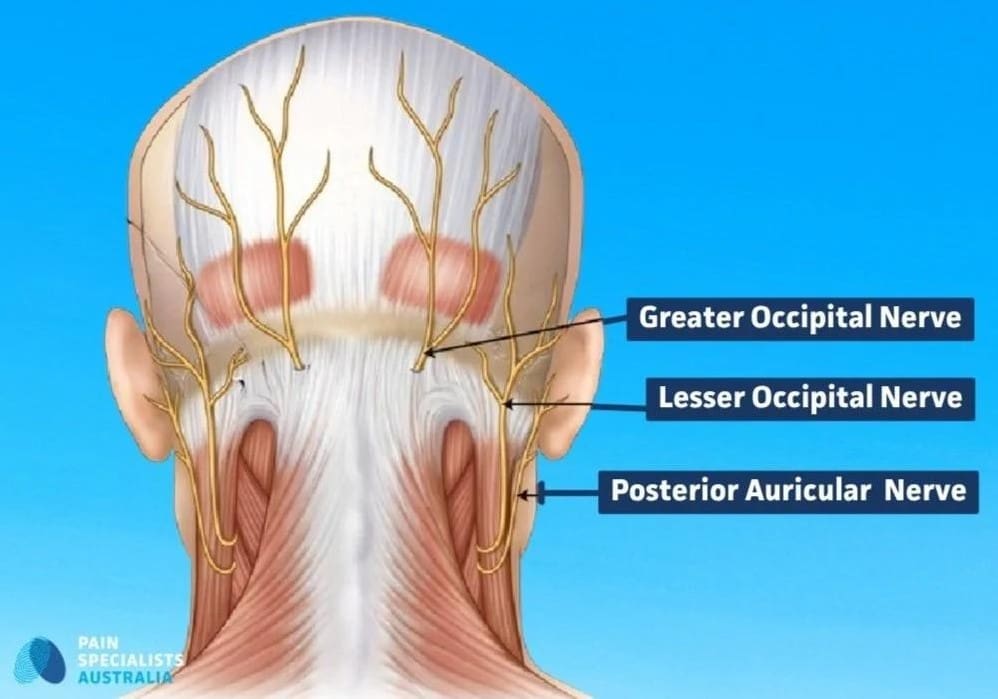
You walk away from a rear-end collision on I-10 or Loop 375 feeling mostly stiff. A day or two later, a dull, heavy ache settles at the base of your skull. Turning your head to check a blind spot, working at a computer, or even resting your head on a pillow makes it sharper. The pain may stay local or spread over the top of the head. This pattern is common after neck strain, and it does not automatically mean the brain itself was injured. Upper cervical joints and the suboccipital muscles frequently become sources of referred pain once rapid deceleration loads them beyond their normal range.
The upper neck and the base of the skull share nerve pathways inside the trigeminocervical complex. Irritation in the joints or muscles of the upper cervical spine can feel like a headache even when the brain is otherwise uninjured. After appropriate trauma screening clears more serious concerns, evaluating these structures and restoring their function becomes a practical part of recovery.
Rapid acceleration-deceleration—especially in rear-end impacts—forces the head into sudden flexion and extension. The small joints between the occiput, atlas (C1), and axis (C2), along with the four suboccipital muscles that stabilize them, absorb much of that motion. Ligaments can stretch, joint capsules can become inflamed, and the muscles can go into protective spasm. The result is often local tenderness, reduced rotation or extension, and pain that is provoked by sustained postures or specific movements.
Patients commonly describe the headache as starting at the skull base and worsening with neck motion or prolonged sitting. Some also notice stiffness when they first get out of bed or difficulty looking over their shoulder while driving. These clues point clinicians toward a mechanical contribution rather than a purely primary headache disorder.
Detailed explanations of how a single collision can produce both cervical and headache symptoms appear in the clinic’s post-traumatic headache resource: Post-Traumatic Headaches After Accidents: Causes Explained.
Not every base-of-skull headache is cervicogenic, and not every post-collision headache is purely muscular. A thorough evaluation looks for:
ICHD-3 criteria for cervicogenic headache require evidence that a cervical disorder is capable of producing the headache and that the two are linked in time or by response to treatment. Imaging findings alone (mild disc changes or degenerative joints) are not enough; many asymptomatic people show similar changes. The clinical examination, the timing after trauma, and the response to carefully selected care supply the stronger connection.
A broader overview of how sub-occipital pain fits among other headache patterns is available in Integrated Headache Management El Paso: Seven Patterns.
Non-maleficence requires that elective structural treatment wait until red flags have been ruled out. After a collision, the first priorities are neurological screening, assessment for cervical vascular injury when indicated, and imaging if progressive neurological signs, severe unrelenting pain, or other concerning features appear. Only after those steps does manual care or progressive rehabilitation proceed. This sequence protects the patient from delayed recognition of rare but serious complications while still allowing timely treatment of the far more common soft-tissue and joint findings.
When examination supports a mechanical driver, care focuses on restoring motion, reducing protective muscle guarding, and rebuilding endurance so the upper neck can tolerate daily postures again. Selected approaches may include:
Evidence summaries consistently list spinal manipulation and mobilization, together with therapeutic exercise, among the interventions with moderate support for cervicogenic headache (Bryans et al., 2011; Jull et al., 2002). The goal is not simply temporary relief; it is measurable improvement in range of motion, reduced provocation of headache with neck movement, and greater ability to maintain normal head-on-neck posture without fatigue.
Patients who also experience tension-type features or overlapping migraine symptoms may benefit from coordinated strategies discussed in the clinic’s stress-headache and integrated migraine resources. Structural work remains complementary, not a replacement, for medical evaluation when migraine criteria are met.
Beneficence is served by directing care at the structures that examination shows are contributing to the headache, rather than applying a one-size-fits-all protocol. Non-maleficence is protected by the clearance step already described and by the preference for non-invasive, drug-free options that lower the chance of long-term analgesic dependence or premature surgical consideration. Autonomy is strengthened when the patient understands the neck-to-headache connection: why certain postures flare the pain, what the examination findings mean, and how home exercises and posture changes fit into the plan. Shared records and clear explanations allow the patient and any legal counsel to see the same objective timeline.
Integrated structural documentation—timed range-of-motion values, provocation findings, and progressive functional improvement—appears in the broader clinical framework at dralexjimenez.com. Attorneys and patients reviewing a file can see how upper-cervical joint and muscle findings were measured, how they changed with care, and how they relate to the original collision mechanics. That continuity reduces the chance that a defense examiner will successfully characterize the headache as unrelated or purely subjective.
Cross-links that expand on related topics include discussions of cervicogenic triggers, headache trigger points, and the full medical-legal causation guide available on the master site.
Most people with post-collision sub-occipital headaches improve when clinicians identify mechanical contributors early and address them with graded, evidence-aligned care. Careful screening, targeted structural treatment, and patient understanding of the neck-to-headache link lead to clearer recovery and more defensible documentation.
If your headaches began or worsened after a collision and are provoked by neck movement or posture, a dual-scope evaluation can clarify whether upper cervical joints and suboccipital muscles are contributing drivers and what the next safe steps look like.
Bryans, R., Descarreaux, M., Duranleau, M., Marcoux, H., Potter, B., Ruegg, R., Shaw, L., Watkin, R., & White, E. (2011). Evidence-based guidelines for the chiropractic treatment of adults with headache. Journal of Manipulative and Physiological Therapeutics, 34(5), 274–289. doi.org/10.1016/j.jmpt.2011.04.008
Headache Classification Committee of the International Headache Society (IHS). (2018). The International Classification of Headache Disorders, 3rd edition. Cephalalgia, 38(1), 1–211. doi.org/10.1177/0333102417738202
Jull, G., Trott, P., Potter, H., Zito, G., Niere, K., Shirley, D., Emberson, J., Marschner, I., & Richardson, C. (2002). A randomized controlled trial of exercise and manipulative therapy for cervicogenic headache. Spine, 27(17), 1835–1843. doi.org/10.1097/00007632-200209010-00004
General Disclaimer, Licenses, and Board Certifications *
Professional Scope of Practice *
The information herein on "Sub-occipital Headaches After Accidents Explained" is not intended to replace a one-on-one relationship with a qualified health care professional or licensed physician and is not medical advice. We encourage you to make healthcare decisions based on your research and partnership with a qualified healthcare professional.
Blog Information & Scope Discussions
Welcome to El Paso's Premier Wellness and Injury Care Clinic & Wellness Blog, where Dr. Alex Jimenez, DC, FNP-C, a Multi-State board-certified Family Practice Nurse Practitioner (FNP-BC) and Chiropractor (DC), presents insights on how our multidisciplinary team is dedicated to holistic healing and personalized care. Our practice aligns with evidence-based treatment protocols inspired by integrative medicine principles, similar to those on this site and on our family practice-based chiromed.com site, focusing on naturally restoring health for patients of all ages.
Our areas of multidisciplinary practice include Wellness & Nutrition, Chronic Pain, Personal Injury, Auto Accident Care, Work Injuries, Back Injury, Low Back Pain, Neck Pain, Migraine Headaches, Sports Injuries, Severe Sciatica, Scoliosis, Complex Herniated Discs, Fibromyalgia, Chronic Pain, Complex Injuries, Stress Management, Functional Medicine Treatments, and in-scope care protocols.
Our information scope is multidisciplinary, focusing on musculoskeletal and physical medicine; wellness; contributing etiological viscerosomatic disturbances within clinical presentations; associated somato-visceral reflex clinical dynamics; subluxation complexes; sensitive health issues; and functional medicine articles, topics, and discussions.
We provide and present clinical collaboration with specialists from various disciplines. Each specialist is governed by their professional scope of practice and licensure jurisdiction. We use functional health & wellness protocols to treat and support care for musculoskeletal injuries or disorders.
Our videos, posts, topics, and insights address clinical matters and issues that directly or indirectly relate to our clinical scope of practice.
Our office has made a reasonable effort to provide supportive citations and has identified relevant research studies that support our posts. We provide copies of supporting research studies upon request to regulatory boards and the public.
To discuss how these matters can assist in a specific care plan or treatment protocol, please contact Dr. Alex Jimenez, DC, APRN, FNP-BC, or reach out to us at 915-850-0900.
We are here to help you and your family.
Blessings
Dr. Alex Jimenez DC, MSACP, APRN, FNP-BC*, CCST, IFMCP, CFMP, ATN
Email: coach@elpasofunctionalmedicine.com
Multidisciplinary Licensing & Board Certifications:
Licensed as a Doctor of Chiropractic (DC) in Texas & New Mexico*
Chiropractic Licenses:
Texas DC License #: TX5807, Verified: TX5807
New Mexico DC License #: NM-DC2182, Verified: NM-DC2182
Nurse Practitioner Licenses:
Texas APRN License #: 1191402, Verified: 1191402 *
New Mexico CNP License #: 90560, Verified 90560
Florida APRN License #: 11043890, Verified: APRN11043890 *
Colorado License #: C-APN.0105610-C-NP, Verified: C-APN.0105610-C-NP
New York License #: N25929, Verified N25929
Georgia APRN License #: GAA-NP005701
Multi-State Advanced Practice Registered Nurse (APRN*) Texas & Multi-States
Multi-state Compact APRN License by Endorsement (43 States)
Compact Status: Multi-State License: Authorized to Practice in 43 States*
Nursing Licensure Compact: Updated Here
DEA Registration: (Drug Enforcement Agency Registered)
All medical (MDs) and family practice providers (FNP-APRN) are registered and licensed to offer various levels of medication.
Verify Providers Here
License Verification Link: Nursys License Verifier
* Prescriptive Authority Authorized (DEA Registered Providers). Call if Required
Board Certification:
ANCC FNP-BC: Board Certified Nurse Practitioner*
Education:
Graduate with Honors: ICHS: MSN-FNP (Family Nurse Practitioner Program)
Degree Granted. Master's in Family Practice, MSN Diploma (Cum Laude)
Dr. Alex Jimenez, DC, APRN, FNP-BC*, CFMP, IFMCP, ATN, CCST
(Board Certified: Family Practice Nurse Practitioner—Multistate)*
(Licensed Nurse Practitioner & Chiropractor - Multistate)*
Clinical Director
DC & FNP License (Review Above)
Digital Business Card
NPI: 1205907805
Dr. Maria Cardenas, MD
(Board Certified: Internal Medicine)
(Licensed Medical Doctor)
Medical Director, Clinical Director & Collaborative Physician
NPI # 1164426748
MD License #: J2933
Licenses and Board Certifications:
MD: Medical Doctor
DC: Doctor of Chiropractic
APRNP: Advanced Practice Registered Nurse
FNP-BC: Family Practice Specialization (Multi-State Board Certified)
FNP-BC: Family Practice Across Life Span (Neonatal to Geriatrics)
RN: Registered Nurse (Multi-State Compact License)
CFMP: Certified Functional Medicine Provider
MSN-FNP: Master of Science in Family Practice Medicine
MSACP: Master of Science in Advanced Clinical Practice
IFMCP: Institute of Functional Medicine
CCST: Certified Chiropractic Spinal Trauma
ATN: Advanced Translational Neutrogenomics
Family with Primary Care Focus (Family Nurse Practitioner or FNP)
Memberships & Associations:
TCA: Texas Chiropractic Association: Member ID: 104311
TNA: Texas Nurse Association: Member ID: 06458222
TNP: Texas Nurse Practitioner Association ID: 2025091511
AANP: American Association of Nurse Practitioners: Member ID: 2198960
ANA: American Nurses Association: Member ID: 06458222 (District TX01)
| Primary Taxonomy | Selected Taxonomy | State | License Number |
|---|---|---|---|
| No | 111N00000X - Chiropractor | NM | DC2182 |
| Yes | 111N00000X - Chiropractor | TX | DC5807 |
| Yes | 363LF0000X - Nurse Practitioner - Family | TX | 1191402 |
| Yes | 363LF0000X - Nurse Practitioner - Family | FL | 11043890 |
| Yes | 363LF0000X - Nurse Practitioner - Family | CO | C-APN.0105610-C-NP |
| Yes | 363LF0000X - Nurse Practitioner - Family | NY | N25929 |
| Yes | 363LF0000X - Nurse Practitioner - Family | NM | 90560 |
| Yes | 363LF0000X - Nurse Practitioner - Family | GA | GAA-NP005701 |
Dr. Alex Jimenez, DC, APRN, FNP-BC*, CFMP, IFMCP, ATN, CCST
(Board Certified: Family Practice Nurse Practitioner—Multistate)*
(Primary Care Across Lifespan—Neonatal / Pediatric / Adult / Geriatrics)
(Licensed Nurse Practitioner & Chiropractor - Multistate)*
Clinical Director
Digital Business Card
NPI: 1205907805
Dr. Maria Cardenas, MD
(Board Certified: Internal Medicine)*
(Licensed Medical Doctor)*
Medical Director, Clinical Director & Collaborative Physician
NPI # 1164426748
MD License #: J2933
📆 Schedule Appointment: Schedule 24/7 (Click Here)
Linking Specific I-10 and Loop 375 Force Vectors to Documented Changes in Daily Sitting and… Read More
Chiropractic rehabilitation offers a targeted approach to temporal headache. Learn how gentle adjustments and rehab… Read More
Neck Tension and Headaches After a Rear-End Collision: What Is the Connection? Abstract After a… Read More
How Spinal Decompression and Targeted Injections Are Justified When Causation Isolates Traumatic Disc Injury When… Read More
Multidisciplinary chiropractic care offers targeted relief for alcohol-induced conditions. Explore non-invasive approaches that support recovery… Read More
How Alcohol, Poor Sleep, and Inflammation May Affect Back Pain Recovery Abstract: Back pain recovery… Read More