Alcohol and Back Pain: How Sleep Affects Recovery
Contents
Abstract: Back pain recovery involves more than joints, discs, and muscles. Sleep, alcohol use, inflammation, nutrition, and stress can influence rehabilitation. Alcohol does not directly cause every back condition, but it can fragment sleep, alter pain sensitivity, and interfere with healthy recovery habits. An integrative plan can combine chiropractic care, therapeutic exercise, clinical screening, and medical coordination to address mechanical pain and the recovery environment.
By Dr. Alex Jimenez, DC, APRN, FNP-BC, CFMP, IFMCP
Back pain often feels mechanical. A person bends, lifts, sits too long, or gets injured, and the lower back starts hurting. That makes it natural to focus only on the painful joint, muscle, disc, or nerve.
But recovery happens in a whole person. The spine may need better movement, stronger muscle coordination, and time for irritated tissues to recover. Meanwhile, the brain needs restorative sleep, and the body needs adequate nutrition and hydration.
Alcohol can interact with several of those systems. The point is not that alcohol automatically causes low back pain. Low back pain is multifactorial, and many people develop it without drinking. The better question is whether alcohol is making overall rehabilitation harder.
Some people use alcohol because it makes them drowsy. That effect can create the impression that alcohol helps sleep. Physiologically, sedation is not the same as healthy sleep architecture.
The National Institute on Alcohol Abuse and Alcoholism notes that alcohol can contribute to fragmented sleep and earlier awakening. Even moderate doses may alter rapid eye movement sleep, and alcohol can aggravate sleep-disordered breathing in susceptible people (National Institute on Alcohol Abuse and Alcoholism [NIAAA], n.d.-b).
A patient may spend enough hours in bed yet wake unrefreshed. Fatigue can reduce exercise quality, activity, and adherence.
Sleep and musculoskeletal pain can reinforce one another. A 2024 systematic review and meta-analysis involving more than 116,000 participants found that sleep problems were prospectively associated with a higher risk of chronic musculoskeletal pain (Runge et al., 2024). A 2026 integrative review also found that sleep disturbance, inflammation, and persistent pain can interact in ways that may complicate rehabilitation (de Freitas et al., 2026).
Mechanistically, poor sleep may weaken descending pain inhibition, the nervous system’s natural “volume control” for painful signals. Sleep restriction has also been associated with changes in inflammatory mediators such as interleukin-6, tumor necrosis factor-alpha, and C-reactive protein.
Those biomarkers are mechanisms, not clinical outcomes. A change in an inflammatory marker does not prove a spinal disc has healed. The outcomes that matter are whether the patient sleeps better, moves better, tolerates exercise, and returns to function.
Alcohol can temporarily reduce pain perception. That is one reason some people with chronic pain use it for relief. However, NIAAA describes alcohol and pain as a bidirectional relationship. Prolonged heavy use and withdrawal can increase pain sensitivity, creating a cycle in which a person drinks for relief and later experiences more discomfort (NIAAA, n.d.-c).
Not everyone who drinks will develop hyperalgesia. Dose, frequency, health history, medications, and individual biology matter.
Alcohol can also interact dangerously with medications used for pain, sleep, or muscle spasm. Combining alcohol with opioids or other sedating drugs can increase respiratory depression and overdose risk. Patients using pain medicines, sleep aids, or other prescriptions should review alcohol use with their clinician or pharmacist.
Inflammation is part of normal healing. After tissue stress, inflammatory signaling helps coordinate repair. Problems can arise when signaling becomes excessive, prolonged, or poorly regulated.
NIAAA reports that binge drinking and chronic heavy alcohol use can alter immune signaling, contribute to systemic inflammation, and impede recovery from tissue injury. Heavy exposure can also affect gut-barrier integrity and inflammatory signaling (NIAAA, n.d.-a).
Skeletal muscle research adds another layer. Controlled studies and reviews suggest substantial alcohol exposure can suppress muscle protein synthesis and disrupt pathways involved in muscle adaptation. In one exercise study, a large post-exercise alcohol dose reduced myofibrillar protein synthesis even when participants consumed protein (Parr et al., 2014).
That study used a high dose in an exercise setting. It does not prove that one drink prevents a strained back from healing. It does show why alcohol deserves consideration when rehabilitation depends on rebuilding strength and adapting to exercise.
Lifestyle factors should never replace a back evaluation.
Low back pain may involve muscle strain, joint irritation, disc injury, radiculopathy, stenosis, degeneration, trauma, or other conditions. Persistent symptoms may require neurological examination, imaging, laboratory testing, or referral.
Red flags such as progressive weakness, bowel or bladder changes, saddle numbness, fever, unexplained weight loss, major trauma, or concern for infection, fracture, or cancer warrant prompt assessment.
Clinical screening protects patient autonomy. Instead of blaming alcohol, stress, or poor sleep for every symptom, the clinician asks what is mechanical, neurological, systemic, and modifiable.
For appropriately screened mechanical low back pain, chiropractic care may be one part of a conservative plan. Guidelines support several nonsurgical options, including education, exercise, spinal manipulation, and multidisciplinary care for selected patients (George et al., 2021; World Health Organization [WHO], 2023).
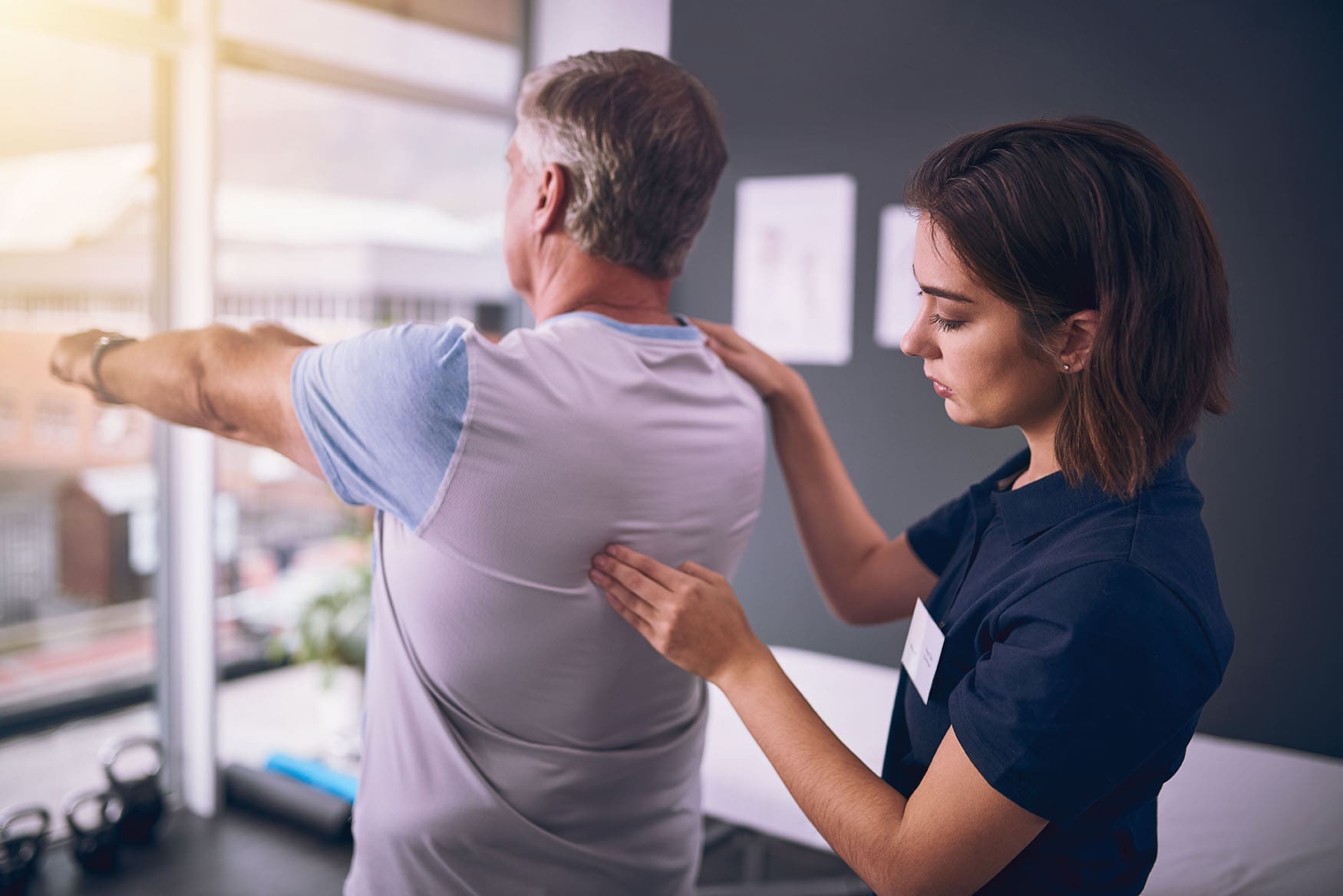
The goal is not simply to “put the spine back in place.” Manual care may reduce pain and improve mobility so the patient can participate in active rehabilitation. Therapeutic exercise then builds capacity through graded walking, core control, hip strengthening, mobility work, balance, and progressive resistance based on diagnosis and tolerance.
The target is measurable: sit longer, lift safely, walk farther, sleep better, return to work, or resume recreation. If alcohol repeatedly disrupts sleep, hydration, nutrition, or exercise adherence, reducing intake may improve the conditions under which rehabilitation works.
For additional patient education, see Back Pain Insights With Chiropractic & Spinal Manipulation, which reviews multimodal back-pain strategies.
Patients with ongoing pain should be asked about sleep duration, insomnia, snoring, breathing pauses, restless sleep, bedtime alcohol use, caffeine timing, and medication effects. Dr. Jimenez’s Insomnia Solutions Using Integrative Chiropractic Care offers practical sleep-hygiene strategies that can complement musculoskeletal rehabilitation.
Dr. Alex Jimenez, DC, APRN, FNP-BC, CFMP, IFMCP, combines chiropractic and advanced-practice medical training to connect structural evaluation with broader health screening. When appropriate, laboratory data can help assess metabolic, inflammatory, nutritional, liver, or medication-related concerns that may influence recovery.
Dr. Maria Guadalupe Cardenas, MD, a board-certified internal medicine physician, serves as Medical Director and Collaborative Physician, overseeing complex comorbidities, risk stratification, and treatment coordination. Injury Medical Chiropractic and Functional Medicine Clinic also includes nurse-practitioner expertise focused on soft-tissue injury. Clinic materials describe this multidisciplinary structure as one of the few in El Paso, Texas, able to coordinate chiropractic rehabilitation, medical evaluation, functional screening, and advanced conservative treatments.
Patients can also review Dr. Jimenez’s Alcohol, Inflammation & Cancer Risk: Prevention Strategies for a broader explanation of alcohol’s systemic effects.
A practical recovery plan may include consistent sleep and wake times, hydration, sufficient protein, regular movement, prescribed exercise, medication review, and an honest look at alcohol use. Some patients may benefit from reducing or avoiding alcohol, especially when it is being used as a sleep aid or pain reliever.
People who drink heavily or regularly should not abruptly stop without medical guidance if withdrawal is possible. Alcohol withdrawal can be dangerous and may require supervised treatment.
The most useful question is not, “Is alcohol the cause of my back pain?” It is, “What factors are helping or slowing my recovery?”
At El Paso Back Clinic, the goal is to identify mechanical pain generators, screen for medical concerns, improve movement, and help patients build a recovery environment that supports better sleep, safer pain control, and consistent rehabilitation. Patients should cross-check alcohol changes, medications, supplements, and medical concerns with their primary provider or treating medical team.
Better recovery often comes from treating the painful structure while improving the biological conditions that allow the body to adapt safely.
de Freitas, E. M., Silva, A., & Esteves, A. M. (2026). Sleep, inflammation, and pain in musculoskeletal rehabilitation: A structured integrative review of neurobiological mechanisms and non-pharmacological pain management strategies. Pain Management. Advance online publication. https://doi.org/10.1080/17581869.2026.2748285
George, S. Z., Fritz, J. M., Silfies, S. P., Schneider, M. J., Beneciuk, J. M., Lentz, T. A., Gilliam, J. R., Hendren, S., & Norman, K. S. (2021). Interventions for the management of acute and chronic low back pain: Revision 2021. Journal of Orthopaedic & Sports Physical Therapy, 51(11), CPG1–CPG60. https://doi.org/10.2519/jospt.2021.0304
National Institute on Alcohol Abuse and Alcoholism. (n.d.-a). Medical complications: Common alcohol-related concerns. National Institutes of Health.
National Institute on Alcohol Abuse and Alcoholism. (n.d.-b). Mental health issues: Alcohol use disorder and common co-occurring conditions. National Institutes of Health.
National Institute on Alcohol Abuse and Alcoholism. (n.d.-c). Using alcohol to relieve your pain: What are the risks?. National Institutes of Health.
Parr, E. B., Camera, D. M., Areta, J. L., Burke, L. M., Phillips, S. M., Hawley, J. A., & Coffey, V. G. (2014). Alcohol ingestion impairs maximal post-exercise rates of myofibrillar protein synthesis following a single bout of concurrent training. PLOS ONE, 9(2), e88384. https://doi.org/10.1371/journal.pone.0088384
Runge, N., Ahmed, I., Saueressig, T., Perea, J., Labie, C., Mairesse, O., Nijs, J., Malfliet, A., Verschueren, S., Van Assche, D., de Vlam, K., Van Waeyenberg, T., Van Haute, J., & De Baets, L. (2024). The bidirectional relationship between sleep problems and chronic musculoskeletal pain: A systematic review with meta-analysis. Pain, 165(11), 2455–2467. https://doi.org/10.1097/j.pain.0000000000003279
World Health Organization. (2023). WHO guideline for non-surgical management of chronic primary low back pain in adults in primary and community care settings.
General Disclaimer, Licenses, and Board Certifications *
Professional Scope of Practice *
The information herein on "Alcohol and Back Pain: How Sleep Affects Recovery" is not intended to replace a one-on-one relationship with a qualified health care professional or licensed physician and is not medical advice. We encourage you to make healthcare decisions based on your research and partnership with a qualified healthcare professional.
Blog Information & Scope Discussions
Welcome to El Paso's Premier Wellness and Injury Care Clinic & Wellness Blog, where Dr. Alex Jimenez, DC, FNP-C, a Multi-State board-certified Family Practice Nurse Practitioner (FNP-BC) and Chiropractor (DC), presents insights on how our multidisciplinary team is dedicated to holistic healing and personalized care. Our practice aligns with evidence-based treatment protocols inspired by integrative medicine principles, similar to those on this site and on our family practice-based chiromed.com site, focusing on naturally restoring health for patients of all ages.
Our areas of multidisciplinary practice include Wellness & Nutrition, Chronic Pain, Personal Injury, Auto Accident Care, Work Injuries, Back Injury, Low Back Pain, Neck Pain, Migraine Headaches, Sports Injuries, Severe Sciatica, Scoliosis, Complex Herniated Discs, Fibromyalgia, Chronic Pain, Complex Injuries, Stress Management, Functional Medicine Treatments, and in-scope care protocols.
Our information scope is multidisciplinary, focusing on musculoskeletal and physical medicine; wellness; contributing etiological viscerosomatic disturbances within clinical presentations; associated somato-visceral reflex clinical dynamics; subluxation complexes; sensitive health issues; and functional medicine articles, topics, and discussions.
We provide and present clinical collaboration with specialists from various disciplines. Each specialist is governed by their professional scope of practice and licensure jurisdiction. We use functional health & wellness protocols to treat and support care for musculoskeletal injuries or disorders.
Our videos, posts, topics, and insights address clinical matters and issues that directly or indirectly relate to our clinical scope of practice.
Our office has made a reasonable effort to provide supportive citations and has identified relevant research studies that support our posts. We provide copies of supporting research studies upon request to regulatory boards and the public.
To discuss how these matters can assist in a specific care plan or treatment protocol, please contact Dr. Alex Jimenez, DC, APRN, FNP-BC, or reach out to us at 915-850-0900.
We are here to help you and your family.
Blessings
Dr. Alex Jimenez DC, MSACP, APRN, FNP-BC*, CCST, IFMCP, CFMP, ATN
Email: coach@elpasofunctionalmedicine.com
Multidisciplinary Licensing & Board Certifications:
Licensed as a Doctor of Chiropractic (DC) in Texas & New Mexico*
Chiropractic Licenses:
Texas DC License #: TX5807, Verified: TX5807
New Mexico DC License #: NM-DC2182, Verified: NM-DC2182
Nurse Practitioner Licenses:
Texas APRN License #: 1191402, Verified: 1191402 *
New Mexico CNP License #: 90560, Verified 90560
Florida APRN License #: 11043890, Verified: APRN11043890 *
Colorado License #: C-APN.0105610-C-NP, Verified: C-APN.0105610-C-NP
New York License #: N25929, Verified N25929
Georgia APRN License #: GAA-NP005701
Multi-State Advanced Practice Registered Nurse (APRN*) Texas & Multi-States
Multi-state Compact APRN License by Endorsement (43 States)
Compact Status: Multi-State License: Authorized to Practice in 43 States*
Nursing Licensure Compact: Updated Here
DEA Registration: (Drug Enforcement Agency Registered)
All medical (MDs) and family practice providers (FNP-APRN) are registered and licensed to offer various levels of medication.
Verify Providers Here
License Verification Link: Nursys License Verifier
* Prescriptive Authority Authorized (DEA Registered Providers). Call if Required
Board Certification:
ANCC FNP-BC: Board Certified Nurse Practitioner*
Education:
Graduate with Honors: ICHS: MSN-FNP (Family Nurse Practitioner Program)
Degree Granted. Master's in Family Practice, MSN Diploma (Cum Laude)
Dr. Alex Jimenez, DC, APRN, FNP-BC*, CFMP, IFMCP, ATN, CCST
(Board Certified: Family Practice Nurse Practitioner—Multistate)*
(Licensed Nurse Practitioner & Chiropractor - Multistate)*
Clinical Director
DC & FNP License (Review Above)
Digital Business Card
NPI: 1205907805
Dr. Maria Cardenas, MD
(Board Certified: Internal Medicine)
(Licensed Medical Doctor)
Medical Director, Clinical Director & Collaborative Physician
NPI # 1164426748
MD License #: J2933
Licenses and Board Certifications:
MD: Medical Doctor
DC: Doctor of Chiropractic
APRNP: Advanced Practice Registered Nurse
FNP-BC: Family Practice Specialization (Multi-State Board Certified)
FNP-BC: Family Practice Across Life Span (Neonatal to Geriatrics)
RN: Registered Nurse (Multi-State Compact License)
CFMP: Certified Functional Medicine Provider
MSN-FNP: Master of Science in Family Practice Medicine
MSACP: Master of Science in Advanced Clinical Practice
IFMCP: Institute of Functional Medicine
CCST: Certified Chiropractic Spinal Trauma
ATN: Advanced Translational Neutrogenomics
Family with Primary Care Focus (Family Nurse Practitioner or FNP)
Memberships & Associations:
TCA: Texas Chiropractic Association: Member ID: 104311
TNA: Texas Nurse Association: Member ID: 06458222
TNP: Texas Nurse Practitioner Association ID: 2025091511
AANP: American Association of Nurse Practitioners: Member ID: 2198960
ANA: American Nurses Association: Member ID: 06458222 (District TX01)
| Primary Taxonomy | Selected Taxonomy | State | License Number |
|---|---|---|---|
| No | 111N00000X - Chiropractor | NM | DC2182 |
| Yes | 111N00000X - Chiropractor | TX | DC5807 |
| Yes | 363LF0000X - Nurse Practitioner - Family | TX | 1191402 |
| Yes | 363LF0000X - Nurse Practitioner - Family | FL | 11043890 |
| Yes | 363LF0000X - Nurse Practitioner - Family | CO | C-APN.0105610-C-NP |
| Yes | 363LF0000X - Nurse Practitioner - Family | NY | N25929 |
| Yes | 363LF0000X - Nurse Practitioner - Family | NM | 90560 |
| Yes | 363LF0000X - Nurse Practitioner - Family | GA | GAA-NP005701 |
Dr. Alex Jimenez, DC, APRN, FNP-BC*, CFMP, IFMCP, ATN, CCST
(Board Certified: Family Practice Nurse Practitioner—Multistate)*
(Primary Care Across Lifespan—Neonatal / Pediatric / Adult / Geriatrics)
(Licensed Nurse Practitioner & Chiropractor - Multistate)*
Clinical Director
Digital Business Card
NPI: 1205907805
Dr. Maria Cardenas, MD
(Board Certified: Internal Medicine)*
(Licensed Medical Doctor)*
Medical Director, Clinical Director & Collaborative Physician
NPI # 1164426748
MD License #: J2933
📆 Schedule Appointment: Schedule 24/7 (Click Here)
Why the Base of Your Skull May Hurt After a Car Accident After a rear-end… Read More
Explore how causation combined with chiropractic care can alleviate discomfort and improve quality of life… Read More
Persistent Lower Back Pain After a Car Accident: When Is Further Treatment Medically Justified? Marcus… Read More
When Sub-Occipital Pain Reflects Cervicogenic Headache — and How Structural Care Fits the Integrated Plan… Read More
Discover how chiropractic rehabilitation for cluster headaches can provide relief and enhance your overall well-being… Read More
If Spinal Decompression Relieves Back Pain, Does That Prove a Herniated Disc Caused It? A… Read More